Why Rainy Days Should Keep Kids Off Screens—And Crafting With Purpose Indoors

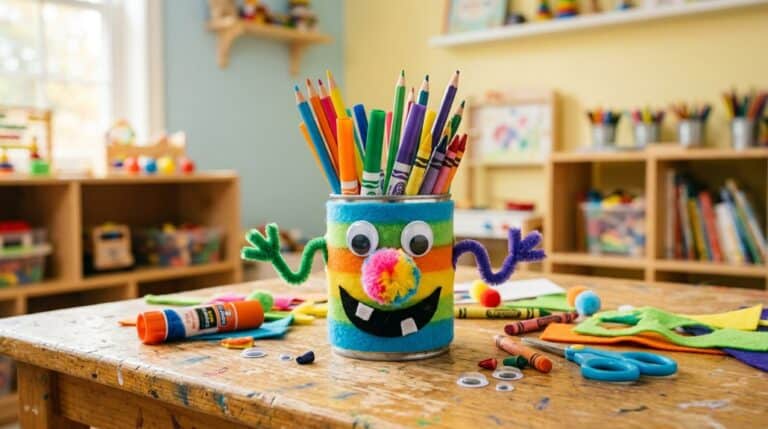
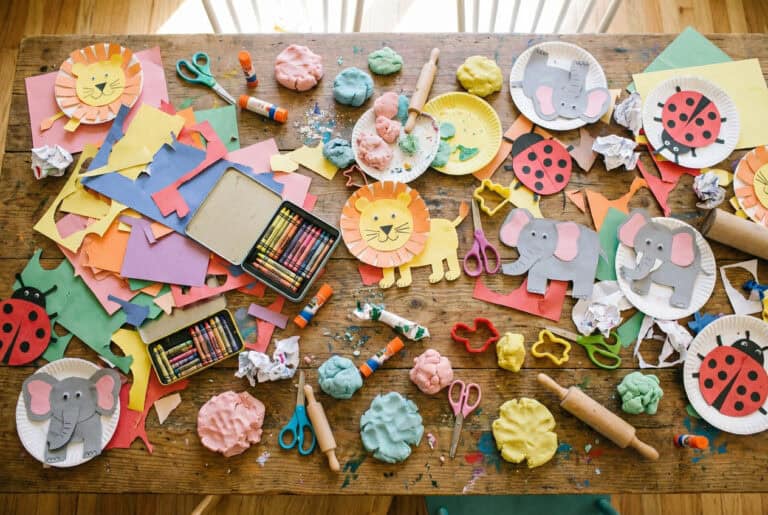
Screen time’s the easy fix when rain traps kids inside, but it’s a developmental dead-end. Crafting builds fine motor skills, problem-solving abilities, and self-esteem—things tablets can’t touch. Those 37 million Americans doing kids’ crafts aren’t just killing time; they’re secretly teaching STEM through stringing beads and cutting paper. Plus, focused crafting reduces anxiety and acts like meditation for stressed-out kids. The science behind why crafts beat screens might surprise even skeptical parents.

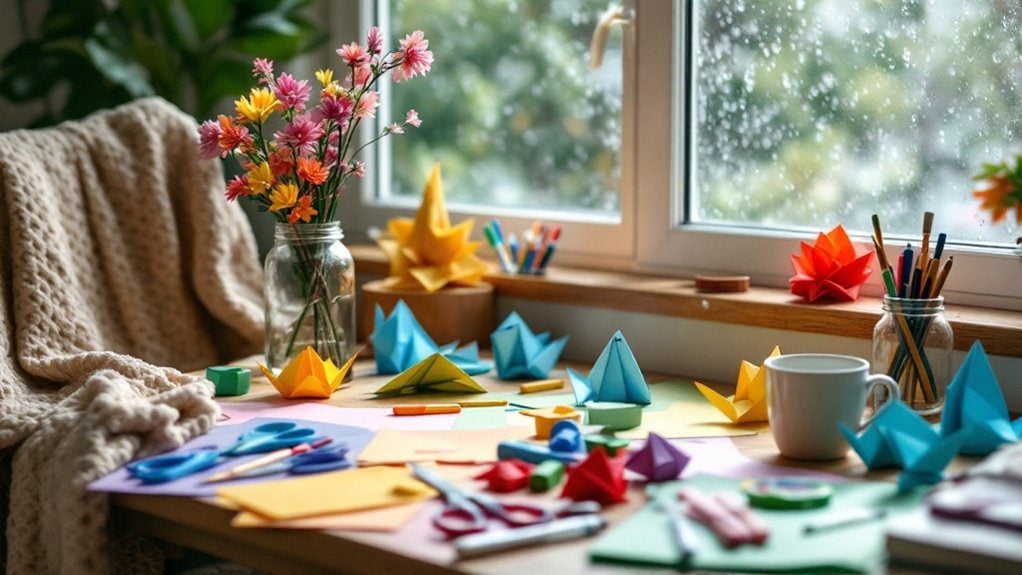
Rain hammers the windows while kids bounce off walls—a familiar scene that sends parents scrambling for solutions. The tablet beckons. The TV remote whispers sweet promises of peace. But here’s the thing: crafting surpasses screens every single time, and the numbers prove it.
Americans get it. In 2016, roughly 37 million people participated in children’s craft activities, injecting $7.31 billion into the kids crafts market. That’s not pocket change. Nearly half of these craft participants specifically chose activities that foster family bonding—no screens required. The market keeps expanding because parents ultimately realized what matters: hands-on activities that actually develop their kids’ brains.
37 million Americans chose crafts over screens, proving hands-on activities build better brains than tablets.
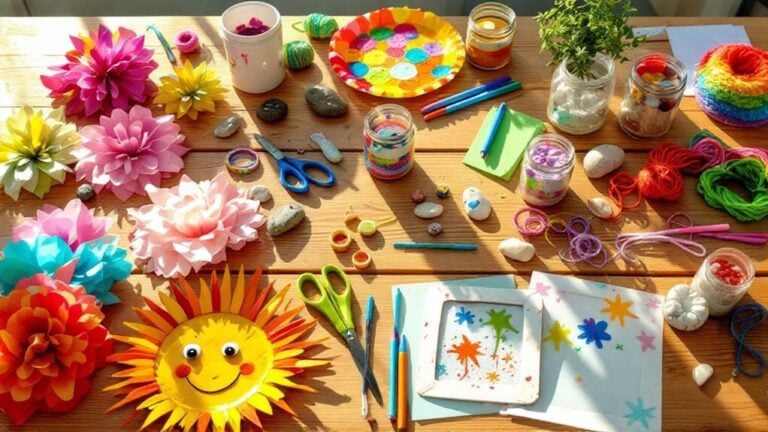
Schools figured this out long ago. They use art materials way more than homes do, and elementary kids craft more than preschoolers. Makes sense—older kids have the skills to handle scissors without emergency room visits. From natural elements crafting to bubble art painting, children discover endless creative possibilities.
But the real magic happens when crafting moves indoors during those dreary rainy days. Kids who might otherwise vegetate in front of screens instead build fine motor skills, elevate hand-eye coordination, and develop problem-solving abilities. Who knew glue sticks could be so powerful? Parents aged 35-54 make up 42% of craft participants, proving that grown-ups recognize the value of getting messy alongside their kids.
The benefits pile up like construction paper scraps. Crafting improves dexterity, agility, and social skills when kids work together. Sharing supplies becomes a lesson in cooperation. Creating tangible objects builds self-esteem—something no video game achievement can match.
Plus, arts and crafts secretly teach STEM skills. Measuring, counting, reasoning—it’s all there, disguised as fun. Activities like stringing beads naturally reinforce counting and patterns, turning mathematical concepts into tangible learning experiences.
Mental health experts love this stuff too. Crafting activities predict increased wellbeing and reduced anxiety. The mindfulness aspect—focusing on cutting, gluing, creating—alleviates stress for both kids and exhausted parents. It’s basically meditation with googly eyes.
Emotional intelligence develops through artistic expression. Kids learn to articulate ideas and express individuality while their hands stay busy. Cognitive skills sharpen with each structured project. Communication improves. Creativity flourishes.