Affordable Family Vacation Ideas in the U.S.

A memorable family trip and an expensive one are not the same thing, and kids almost never know the difference. The vacations children actually remember tend to be the cheap ones — the lake cabin, the national park where they got a Junior Ranger badge, the road trip with too many gas-station snacks. What follows is a practical map of genuinely affordable ways to travel with kids in the U.S.: the types of trips that are cheap by design, specific destinations that deliver without a resort budget, and the tactics that quietly cut the cost of any trip you take. Prices shift constantly, so treat the dollar figures here as starting points and confirm current rates before you book.
National and state parks: the best value in family travel
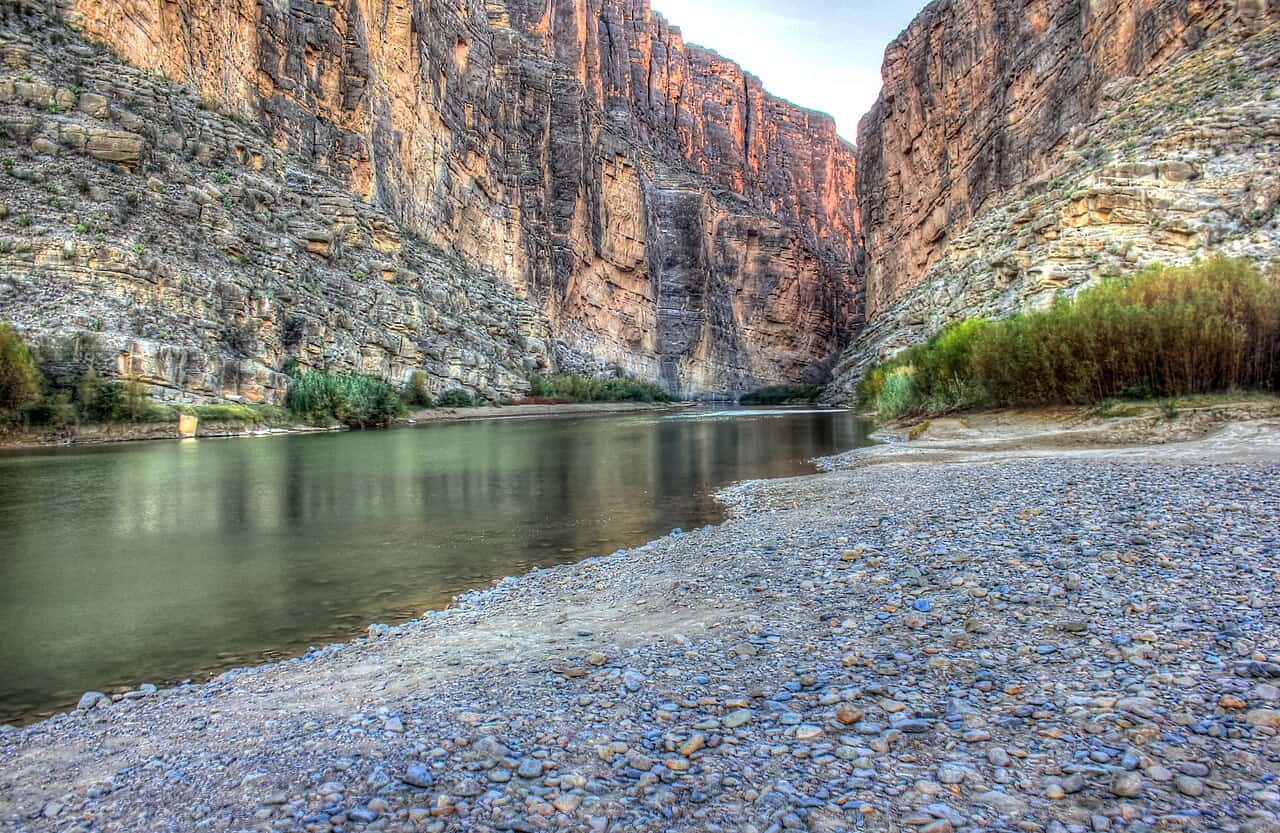
Nothing else in American travel gives you this much for so little. Entrance to a national park is charged per vehicle and is cheap or free, the kids’ Junior Ranger programs cost nothing, and you can pair a park with camping to keep lodging near zero. Two passes turn good value into great value. The America the Beautiful annual pass is $80 and covers everyone in your vehicle at national parks and federal lands for a year — it pays for itself in about two or three visits. And the Every Kid Outdoors program gives current fourth graders a free annual pass that covers the child plus all kids under sixteen and the adults in one vehicle; your child completes a short activity online, prints the voucher, and exchanges it at a park. There are also several fee-free days each year when entrance is waived entirely.
For families, the easygoing parks tend to win. Great Smoky Mountains, which charges no entrance fee at all, has gentle waterfall hikes and wildlife and sits beside the attractions of Gatlinburg and Pigeon Forge. Zion’s shuttle and flat Riverside Walk suit little legs, and the geysers and bison of Yellowstone are the stuff of lifelong memories for a bucket-list year. Don’t overlook state parks, either — many state systems run cabins and lake lodges that come in cheaper than national parks, so it’s worth checking the parks website for whatever state you’re near.
Road trips and camping
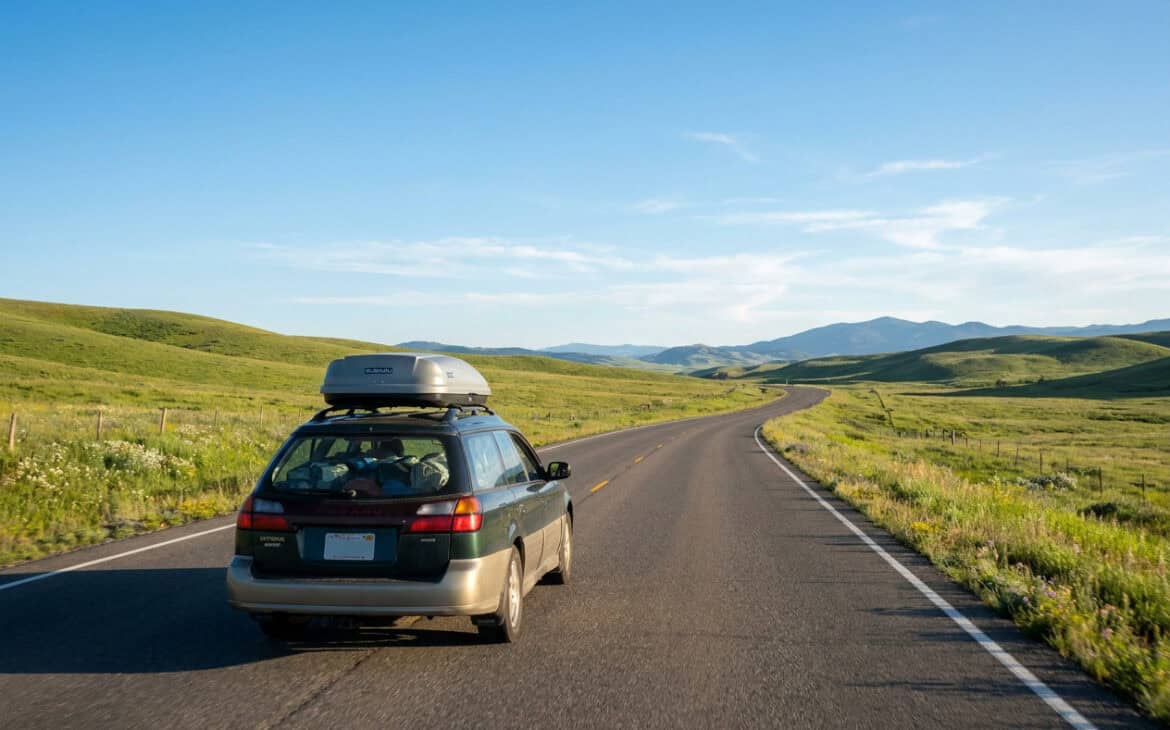
For a family of four or five, airfare is usually the single biggest line item, which is exactly why a road trip is such a reliable money-saver: you trade plane tickets for gas, control the pace, and pack your own food. String together a few state parks, a coastal drive, or a loop of national parks, mixing free roadside stops with a paid highlight or two.
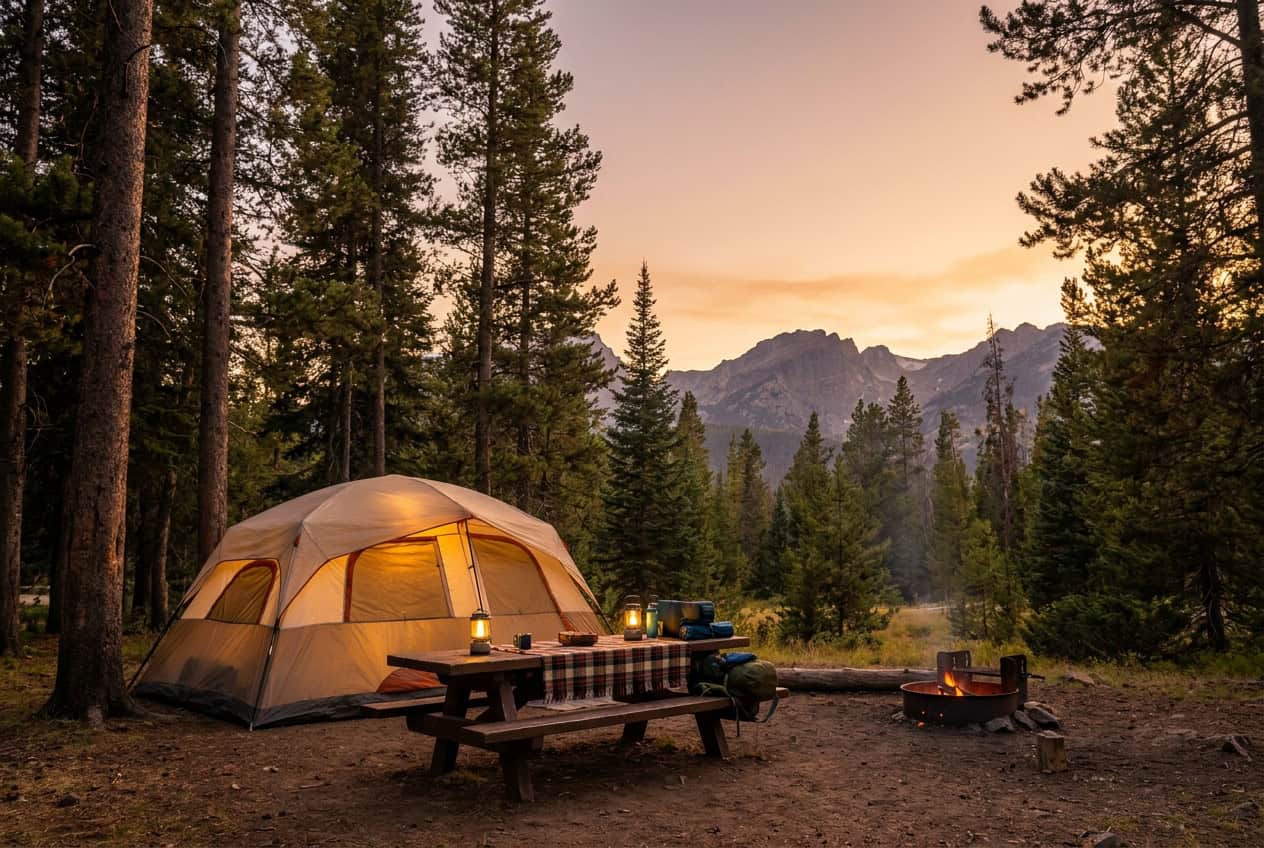
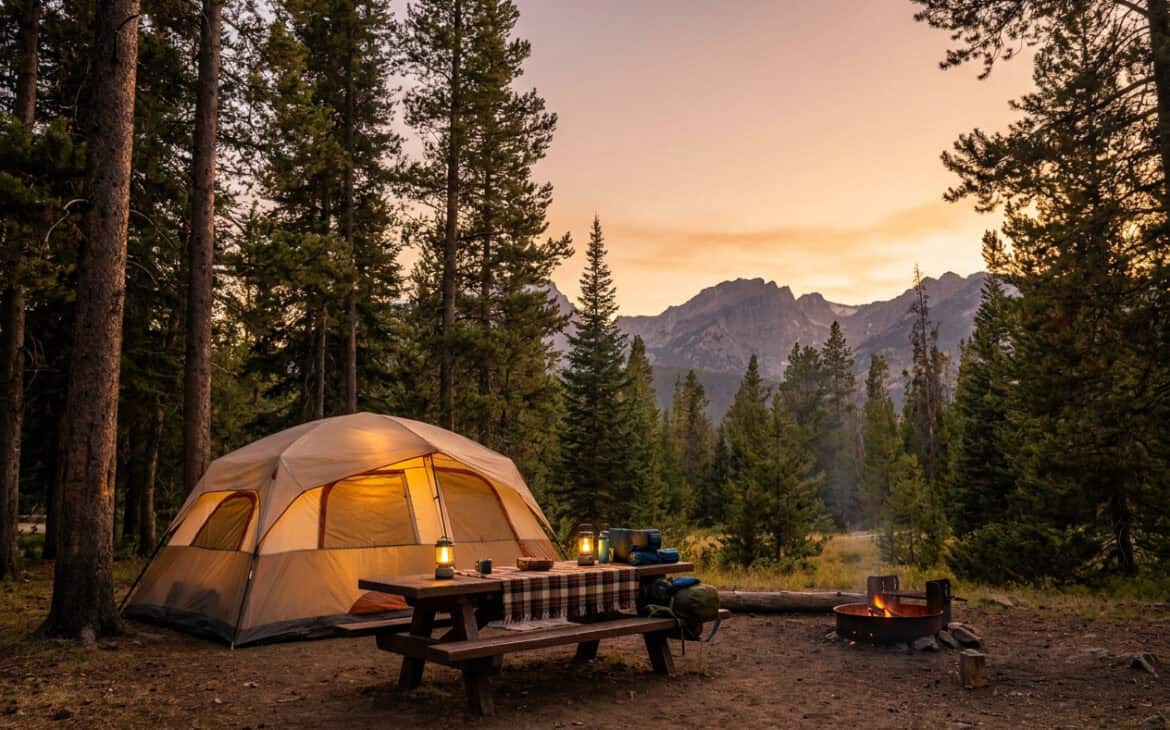
Camping takes the other big cost — lodging — and shrinks it. A tent or RV site in a national or state park is a fraction of a hotel, and if tenting feels like a leap, the cabins at KOA campgrounds are a comfortable middle ground, with pools, playgrounds, and clean facilities at hundreds of locations across the country. KOA advertises tent sites starting around thirty dollars and cabins from roughly a hundred and twenty-five, depending on location and season — illustrative numbers worth confirming for the spot you choose, but a clear signal of how much cheaper a cabin night runs than a hotel.
Lakes, beaches, and affordable cities
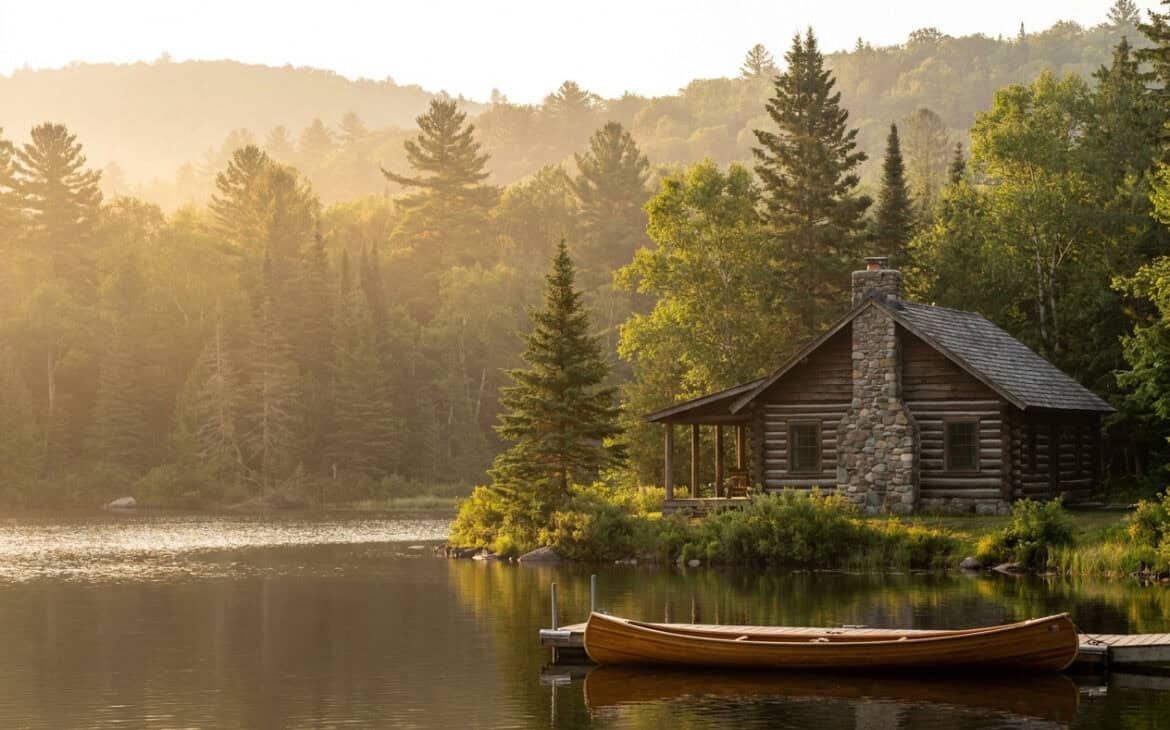
When the main attraction is free, the trip gets cheap fast. The water at a public beach or a lake town costs nothing, so you spend on a modest rental with a kitchen rather than on tickets — the Gulf Coast, the Great Lakes shorelines, and countless lake towns in the Ozarks and beyond all work this way. A midweek cabin and a cooler of groceries can turn a week at the lake into one of the least expensive vacations you’ll take.
Some cities are bargains hiding in plain sight. San Antonio lets you fill days for free: the River Walk costs nothing to stroll, the Alamo is free to visit, the San Antonio Missions park is free, and Hemisfair’s Yanaguana Garden has free playgrounds and a splash pad, with paid attractions like SeaWorld strictly optional. Washington, D.C. may be the best free-attraction city in the country for families — every Smithsonian museum, from Air and Space to Natural History to the National Zoo, is free, as is the National Mall and its monuments. Your real costs there are lodging and parking, so stay outside the core, ride the Metro, and reserve the free timed-entry passes some museums require. Branson, Missouri rounds out the list as an affordable entertainment hub, with shows, the Ozark outdoors, and lodging and dining that run cheaper than the coasts.
A note on the splurges
Families search for indoor water-park resorts like Great Wolf Lodge, so it’s worth being honest about where they fit: they’re the priciest option on this list, not a budget play. The upside is that an overnight stay includes water-park passes for everyone in the room, so it’s an all-in-one. If one is on your radar, book midweek, book far ahead, watch for promotional rates, and treat it as an occasional treat rather than your default family trip.
How to cut the cost of any trip
Beyond choosing a cheap destination, a handful of tactics shave money off whatever you book. Travel in the shoulder season — late spring and early fall beat summer and holidays on both price and crowds — and go midweek, since Sunday-through-Thursday rates are routinely lower. Drive instead of flying when the math favors it, which for a bigger family it usually does. Book lodging with a kitchen and cook even half your meals, because food is typically the second-biggest expense after getting there. Lean on free-by-default attractions — beaches, hikes, splash pads, playgrounds, and free museum days — and pay for only one or two highlights rather than everything.
A few smaller moves add up too. Many public libraries lend free or discounted passes to local museums, zoos, and science centers, which is one of the most underused savings tricks going. City tourism passes can be worth it, but only if you’ll actually visit enough of the included sites, so do the math first. Pack your own snacks and refillable water bottles for parks and road days. And if you’ve been banking hotel or airline points or travel rewards, a shoulder-season trip is the moment to cash them in.
Frequently Asked Questions
What are the cheapest family vacation destinations in the U.S.?
National and state parks are the best overall value — an $80 America the Beautiful pass covers a year of national-park entry for your whole vehicle, and fourth graders get in free through Every Kid Outdoors. Cities with free core attractions, like Washington, D.C. with its free Smithsonian museums and San Antonio with its free River Walk and Alamo, let you fill days at no cost. Camping trips and regional road trips also stay cheap because lodging and travel are.
How can a family take a vacation on a tight budget?
Cut the two biggest costs: travel and lodging. Drive instead of flying, and book a place with a kitchen so you cook most meals. Travel midweek and in the shoulder season, lean on free attractions, pack your own food, and check your library for free museum passes. A cabin or campsite instead of a hotel can cut lodging by half or more.
What are some free things to do with kids on vacation?
Plenty — all the Smithsonian museums and the National Mall in D.C., the San Antonio River Walk and Alamo, public beaches and lake shores, hiking and Junior Ranger programs in the parks, splash pads and playgrounds, and small-town festivals and free county-fair days. Many cities’ biggest landmarks cost nothing to see.
When is the best time to travel to save money?
Off-peak and shoulder seasons — generally late spring and early fall — plus midweek stays. Avoid summer peak, spring break, and the weeks around major holidays, when prices and crowds both spike. Booking lodging well ahead helps too.
Is camping really cheaper than a hotel for a family?
Usually, yes. Tent or RV sites and basic cabins at places like KOA or state parks typically cost a fraction of a hotel room, and you cook your own meals. The trade-off is gear and effort, and cabins are a comfortable middle ground if you’re not ready to tent.
Are indoor water-park resorts like Great Wolf Lodge a budget option?
Not really — they’re among the priciest ideas on a family-trip list. The upside is that an overnight includes water-park passes for everyone, so it’s all-in-one. To save, book midweek and early, watch for promo rates, and treat it as an occasional splurge. Always check current rates.