Why Fall Is the Most Magical Season for Kids’ Crafts (and Messy Fun They’ll Love)

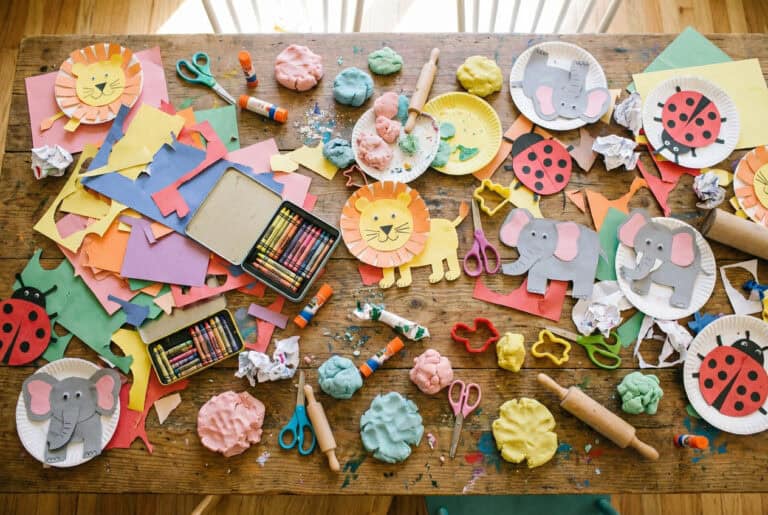
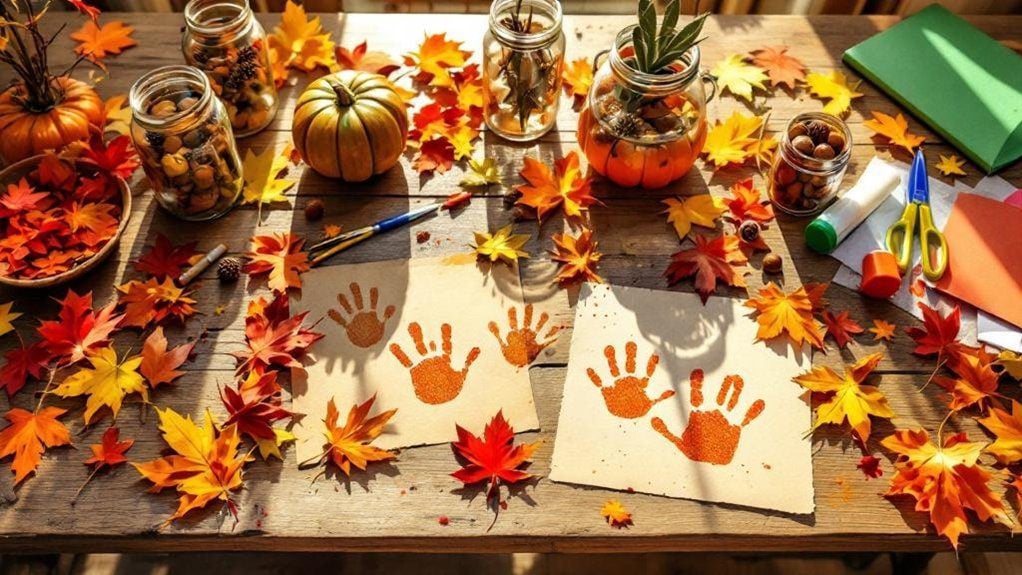
Fall turns kids into tiny artists obsessed with leaves and glue sticks. Kitchen tables disappear under construction paper chaos while children transform pinecones into bird feeders and paint pumpkins with zero regard for staying inside the lines. They’re cutting shapes, making patterns, and somehow learning letters while covered in orange paint. Nature walks become supply runs for acorns and leaves. Every handprint spider and paper plate scarecrow becomes refrigerator-worthy tradition. The mess continues below.

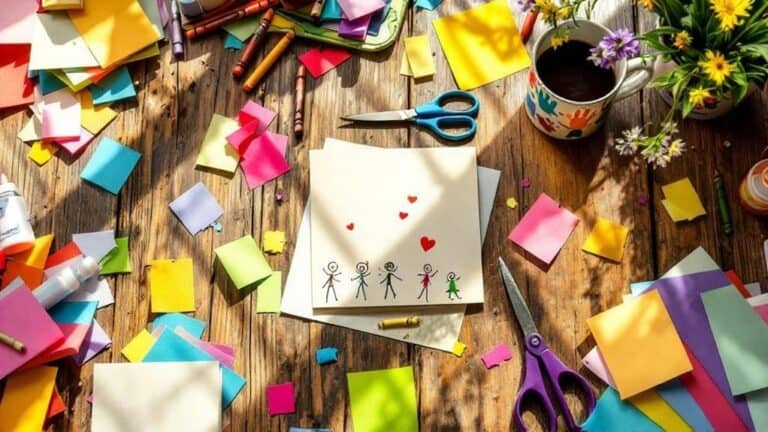
Autumn arrives and suddenly every parent becomes a craft coordinator. The kitchen table transforms into an art studio. Glue sticks multiply. Orange and red take over everything, and somehow, that’s exactly what kids want.
Fall crafts hit different. They’re messier, more tactile, more everything. Kids grab leaves from the yard and turn them into crowns. They paint pumpkins with wild abandon. Pinecones become bird feeders, coffee filters morph into trees, and nobody questions why a paper plate needs to become a scarecrow. It just does.
The sensory overload is intentional. Chalk pastels smear across paper. Tissue paper crinkles between small fingers. Yarn wraps around pretend apples while clay squishes into shapes that vaguely resemble pumpkins. Parents watch their clean homes yield to the chaos. Worth it, apparently.
These projects work because they’re adaptable. Three-year-olds potato stamp with enthusiasm while their older siblings layer chalk pastels like tiny artists. The same leaf that becomes a simple stamp for preschoolers transforms into pointillism art for the eight-year-old. Everyone participates. Nobody feels left out.
Same craft, different ages—potato stamps for toddlers become pointillism masterpieces for eight-year-olds. Everyone creates. Nobody’s excluded.
The educational benefits sneak in through the back door. Fine motor skills develop while cutting leaf shapes. Letter recognition happens when kids spell their names with autumn leaves. Sequencing skills emerge as children follow steps to create fabric pumpkins. Teachers and parents pretend they planned this all along. Pattern creation exercises critical thinking without kids realizing they’re learning problem-solving skills through arranging leaves and seeds.
Something shifts when kids connect crafting to nature walks. They collect acorns with purpose. Leaves aren’t just leaves anymore—they’re future turkeys, future garlands, future memories. The outdoor world becomes their supply closet, and seasonal changes suddenly matter to a five-year-old who needs the perfect leaf for their project. Those acorns they gather connect them to traditions older than they know—Indigenous peoples once turned these same seeds into flour, making autumn’s bounty matter long before craft time existed.
Tradition builds without anyone noticing. The handprint spider appears every October. The leaf turkey shows up at Thanksgiving. These crafts mark time in ways calendars can’t. Kids anticipate them, remember them, demand them.
Fall crafting welcomes the mess, celebrates the chaos, and somehow produces refrigerator-worthy art. Paint splatters on the table. Glitter finds permanent residence in carpet fibers. Parents sigh, then grab cameras. Because next year, that construction paper pumpkin will seem impossibly small.
Related Reading
- The Outrageously Fun Pencil Holder Craft Your Kids Will Desperately Beg To Make
- Why Kids Adore Magical DIY Wooden Princess Handheld Mirror Kits (8 Mirrors, Coloring Pens, Rhinestones)
- Snipe Hunt: The Real Bird Behind America’s Favorite Camping Prank
- How to Get Tie Dye Off Your Hands (Safely) — and What to Skip