
How to Get Tie Dye Off Your Hands (Safely) — and What to Skip

You finished the tie-dye, the shirts look great, and your hands look like you lost a fight with a box of markers. First, the reassuring part: it’s harmless, and it’s temporary. The dye has only stained the outermost layer of your skin — which is made of dead cells your body is already shedding — so even if you did absolutely nothing, the color would fade on its own within a day to three days.
That said, you probably have a Monday meeting or a school pickup and would rather not show up with blue thumbs. Here are the methods that actually work, in the order worth trying them — and an honest warning about the one popular “hack” you should skip.
Start the moment you notice it
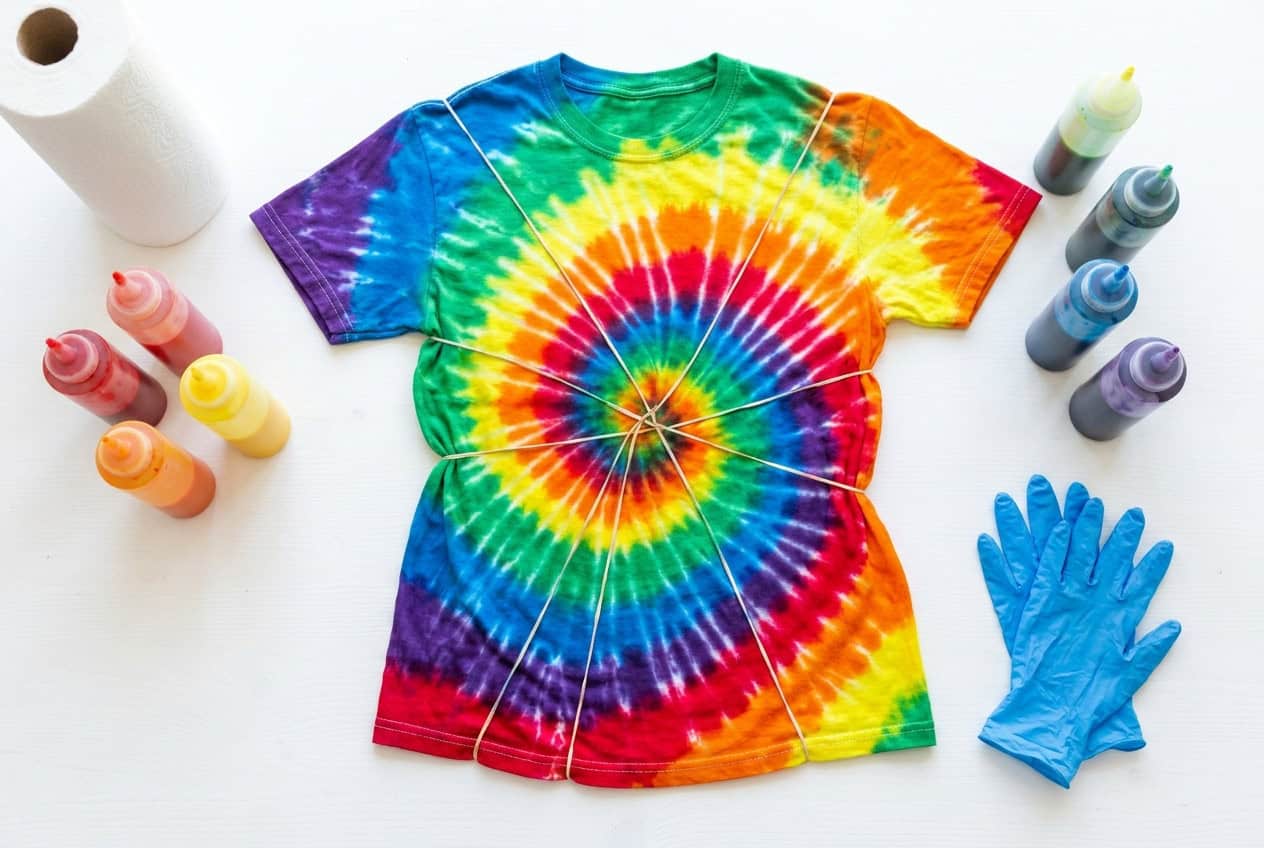
Timing is the single biggest factor. Fresh dye that’s still sitting on the surface comes off far more easily than dye that’s had an hour to set, so the best move is to get to a sink as soon as you peel off the project. Wash with plenty of warm water and a generous amount of soap, scrubbing for a good minute or two. A grease-cutting dish soap like Dawn or a citrus-based hand soap tends to lift dye better than a basic moisturizing bar, because the same surfactants that break up cooking grease help loosen the dye film.
Don’t expect one wash to erase everything. Two or three rounds, rinsing in between, will take a surprising amount of color off before you reach for anything stronger.
The baking soda scrub
When soap alone leaves a stubborn tint, a baking soda paste is the workhorse most crafters and the dye makers themselves recommend. Mix about a tablespoon of baking soda with just enough warm water to make a paste, then rub it into the stained skin in small circles for a minute before rinsing. It’s mildly abrasive — enough to buff away stained dead skin without damaging healthy skin underneath. A squeeze of dish soap mixed into the paste makes it work a little harder.
Baking soda can sting or dry out sensitive skin, so if yours reacts easily, test it on one finger first and stop if it feels irritated.
Oil, scrubs, and alcohol
A few other gentle options pick up where soap leaves off, and which one works best depends a bit on the dye and your skin.
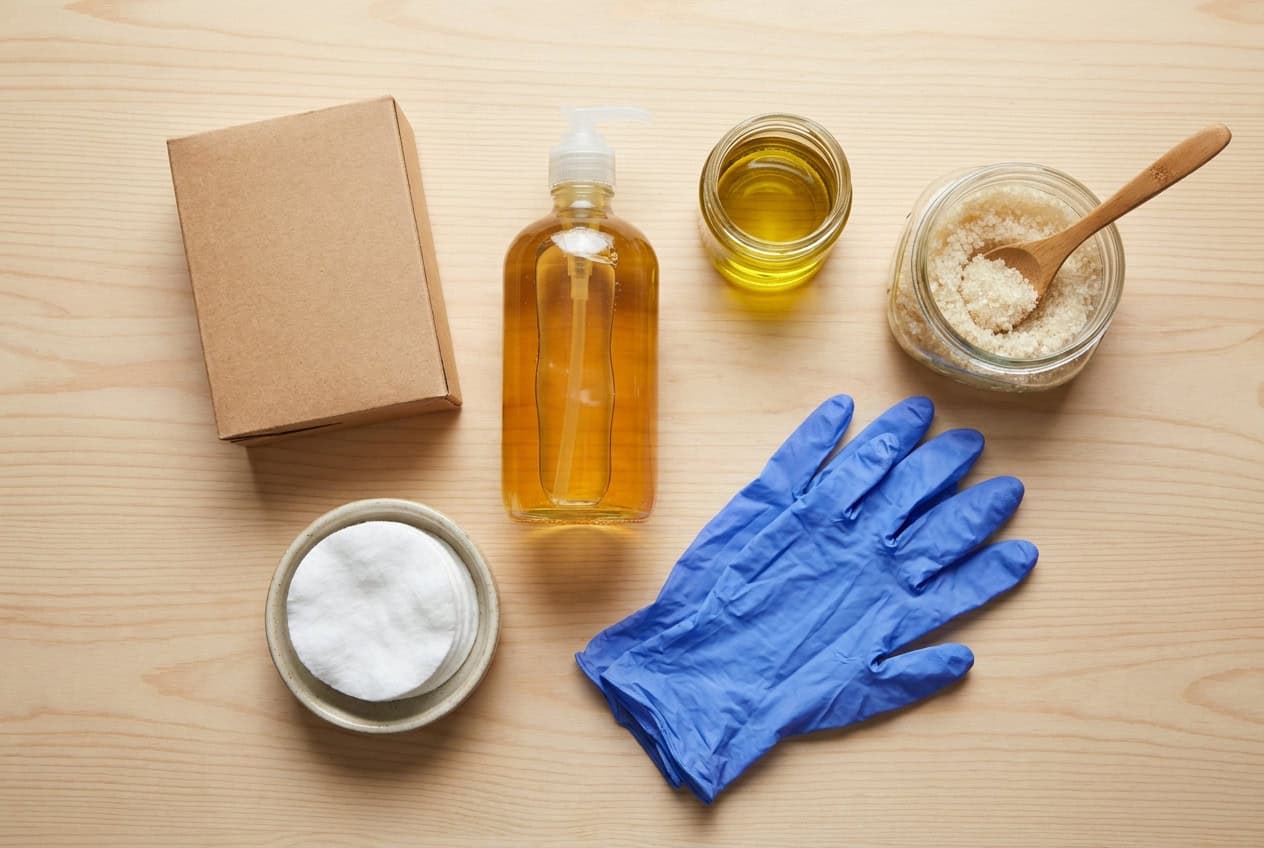
An oil — olive, coconut, or baby oil — massaged into the stain for a few minutes helps loosen color and has the bonus of moisturizing instead of drying. A homemade sugar or salt scrub (a spoonful of either mixed into a little oil or soap) adds gentle exfoliation, which speeds along the natural shedding that’s going to clear the stain anyway. Rubbing alcohol or an alcohol-based hand sanitizer on a cotton pad can dissolve some dyes; so can micellar water or oil-based makeup remover, which are designed to lift pigment off skin and are about as gentle as it gets. Whatever you use, follow up with hand lotion, since most of these leave skin a little dry.
If you tie-dye often, it’s worth knowing that purpose-made cleaners exist. A heavy-duty hand cleaner like ReDuRan is sold specifically for getting dye off dyers’ hands, and it’s the option longtime fiber artists reach for when a stain really won’t quit.
Please skip the bleach
You’ll see people online swear by soaking your hands in diluted bleach. Don’t. Bleach is considerably more toxic to your skin than the dye it’s removing — household bleach can cause redness, itching, burning, and in stronger or longer exposures, actual chemical burns and blisters. Health guidance is consistent that if bleach gets on your skin you should rinse it off with running water for at least ten minutes, which is the opposite of deliberately soaking in it.
It’s also worth clearing up a common mix-up: the “bleach” hairstylists use to lighten hair is a different chemistry (a peroxide-based lightener), not the chlorine bleach under your sink, so “they use it on hair” is not a reason to put it on your hands. Given that the stain is harmless and fades within days on its own, there’s simply no reason to take on a real risk to rush it. If you ever do get a chemical on your skin and develop burning or blistering, rinse thoroughly and check with a medical professional.
When to just let it fade
Sometimes the dye wins the day, especially deep blues and certain reds whose molecules cling harder. If you’ve already scrubbed your hands raw, stop — irritated skin holds onto color differently and you’ll only make things sore. At that point the smart move is patience. Your skin replaces its outer layer on a rolling basis, and the stain goes with it, usually within two or three days and almost always within a week. A little extra hand washing and moisturizing in the meantime keeps it fading steadily.
Next time: a few seconds of prevention
The fix nobody wants to hear is also the one that works every time: wear gloves. Nitrile gloves are the pick over latex — they resist tearing and chemicals better, and they sidestep latex allergies. Buy them a touch large so they don’t rip when you flex your fingers, and keep a spare pair within reach, because a glove always tears at the worst moment. If you genuinely can’t stand gloves, rub a thin layer of petroleum jelly over your hands and nails first; it forms a barrier that makes whatever does get through wash off much more easily afterward.
Frequently Asked Questions
How long does tie dye stay on your hands?
Usually one to three days, and rarely more than a week. The dye only colors the dead outer layer of skin, so it fades naturally as those cells shed — even if you do nothing to remove it. Washing, gentle scrubbing, and moisturizing speed the process along.
What’s the fastest way to get tie dye off your hands?
Catch it early and wash several times with warm water and a grease-cutting dish soap, then follow with a baking soda paste rubbed in gently. For lingering color, an oil massage, a sugar scrub, or rubbing alcohol on a cotton pad each take off a bit more. None will always remove it completely in one go — some fading just takes a day.
Is it safe to use bleach to remove dye from your skin?
No. Bleach is more harmful to your skin than the dye and can cause irritation or chemical burns, and it should be rinsed off immediately if it contacts skin — not soaked in. Since the stain is harmless and temporary, stick to soap, baking soda, oil, or a dedicated hand cleaner.
Is tie dye on skin dangerous?
No. The fiber-reactive dyes in common tie-dye kits are non-toxic and only stain the surface of your skin. If you have very sensitive skin, some removal methods (baking soda, alcohol) can be drying or irritating, so test on a small spot and moisturize afterward.
Related Reading
- Easy Craft Ideas From Toilet Paper Rolls: Transforming Cardboard Tubes
- Why Black Plastic Utensils May Be Leaking Alarming Levels of Toxins Into Your Food
- Snipe Hunt: The Real Bird Behind America’s Favorite Camping Prank