Realistic School Morning Routines That Aren’t Chaos

The realistic goal for a school morning isn’t a serene, candlelit “miracle morning.” It’s getting everyone out the door, fed and mostly cheerful, without the daily yelling. That’s an achievable bar, and reaching it has less to do with discipline than with design — a predictable sequence, a few decisions made in advance, and honest expectations for the age you’re actually dealing with. A four-year-old who can’t track three steps and a fifteen-year-old whose body clock won’t let him wake are different problems, and the same generic “just wake up earlier” advice fails them both.
The night before is where mornings are won
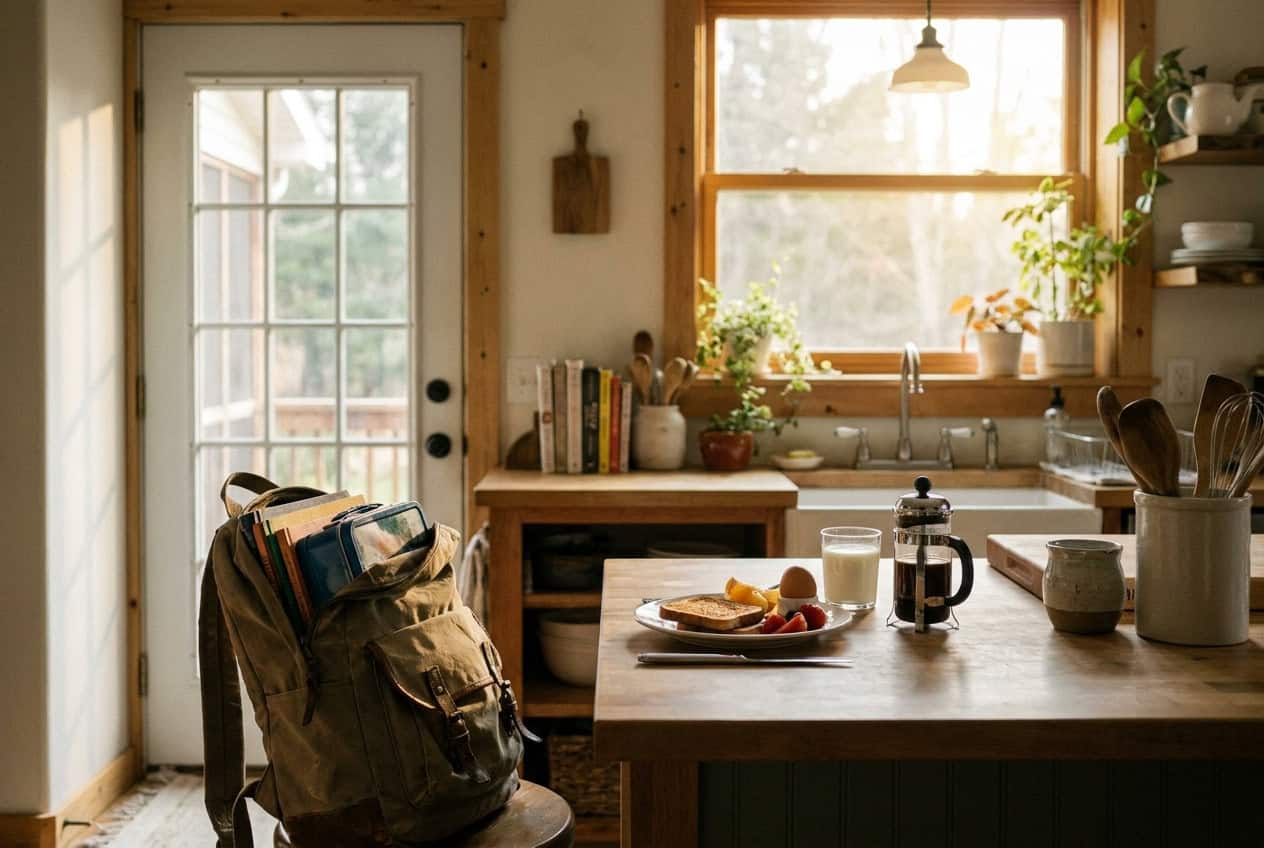
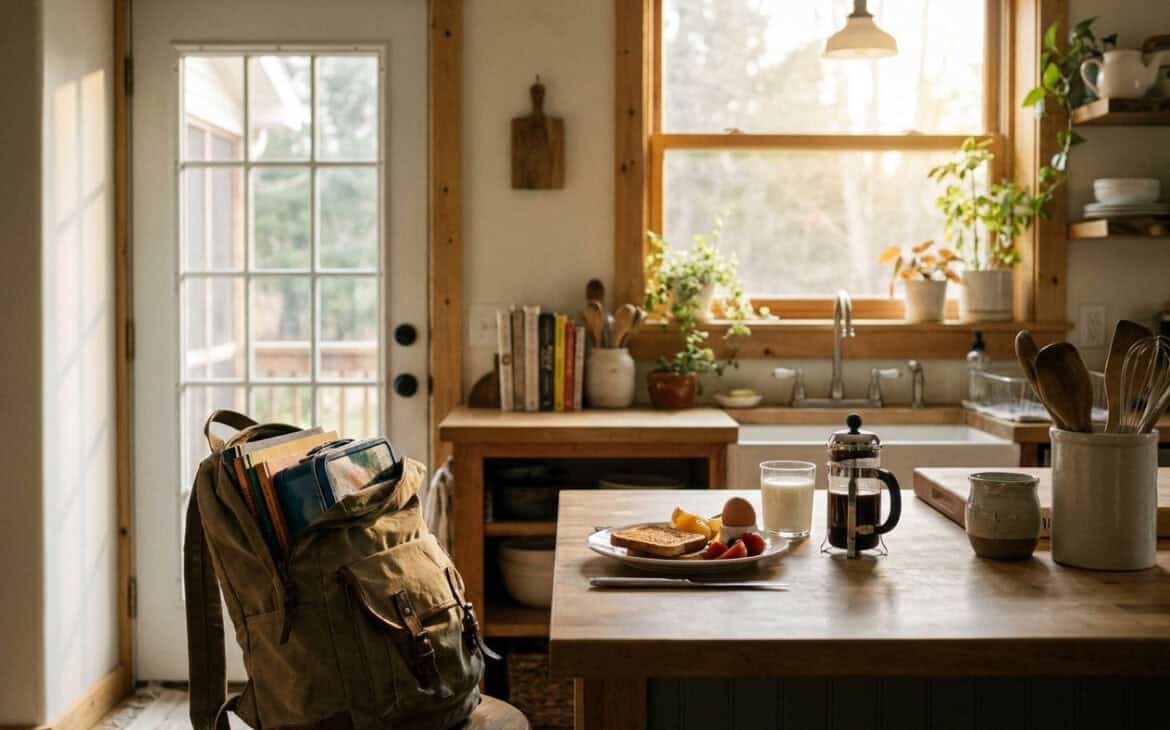
The single highest-leverage habit happens twelve hours before the alarm. Lay out clothes head to toe — for little kids, let them pick from two pre-approved options so it’s a choice, not a negotiation. Pack the backpacks fully and park them by the door, prep or plan lunches, and decide breakfast so it isn’t a 7 a.m. debate. Whatever can move to the calm of the evening should, because every task you handle the night before is one that can’t blow up the morning. This is the natural companion to a good back-to-school routine; the launch pad and night-before prep are what make the morning sequence even possible.
Sleep is the foundation — and so is a consistent wake time
Mornings are largely decided by the night’s sleep, and most school-morning battles trace back to a kid who simply didn’t get enough. The recommended amounts, from the American Academy of Sleep Medicine and endorsed by the AAP, are roughly ten to thirteen hours for preschoolers (including naps), nine to twelve hours for kids six to twelve, and eight to ten hours for teens thirteen to eighteen. Just as important as the total is regularity: a consistent wake time, even on weekends within reason, entrains the body clock so a child naturally gets sleepy and wakes near the same times — which makes the morning wake-up far less of a fight. Keeping screens out of the bedroom overnight helps, since screen light suppresses melatonin and pushes sleep later.
Make the routine visible
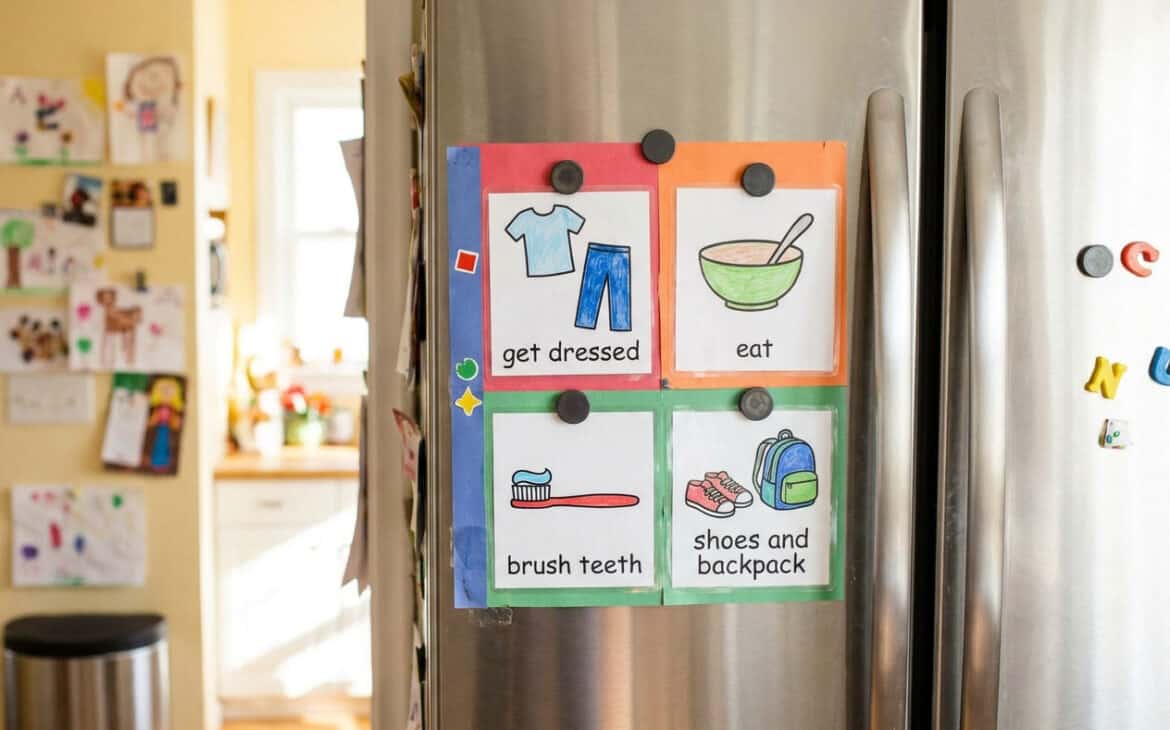
Young children — roughly ages three to eight — genuinely can’t hold a five-step morning in their heads, so a picture-based routine chart does the remembering for them and lets them self-direct instead of waiting for your next reminder. Keep it to the essentials: dressed, breakfast, teeth, shoes, bag. For dawdlers of any age, externalize the urgency with a timer or a “can you be dressed before this song ends?” game, so the clock becomes the thing nudging them along rather than you. The aim is to take yourself out of the role of human alarm clock repeating the same five instructions.
Cut the decisions, build a buffer

Every open choice in the morning is a chance for a standoff and a drain on your own patience, which is why pre-deciding clothes, breakfast, and the order of operations pays off. Keep breakfast fast and forgiving — something in the stomach beats a perfect spread on a school day, and grab-and-go options like overnight oats, yogurt, or a make-ahead breakfast keep the slow-eater problem contained. Then build a buffer: set your “leave the house” target a few minutes before the true hard deadline, so the inevitable last-second shoe hunt or bathroom trip doesn’t actually make you late.
The hard cases
Most mornings come down to one or two recurring struggles, and each has its own fix. For the dawdler, externalize urgency with a timer or game and lower the bar to essentials — clothes on, something eaten, teeth brushed counts as a win; you don’t have to fight every battle. For the slow eater, prep fast, portable food and offer it earlier in the sequence, accepting “ate something” over “ate everything.” For the meltdown-prone kid, your own calm is the de-escalator: give a warning before transitions (“five minutes, then shoes”), keep expectations clear and brief, and praise small efforts — arguing only burns time and raises the temperature. And for the teen who won’t get up, know that it’s largely biology, not defiance: at puberty the body clock shifts later, melatonin doesn’t release until 10 or 11 p.m., and genuinely waking at 7 a.m. is hard. Protect a realistic bedtime, get devices out of the bedroom, use morning light, and lean on natural incentives and handed-over ownership rather than nagging.
Frequently Asked Questions
How do I get my kids up without yelling?
Make the morning predictable and gentle, and regulate yourself first. Keep a consistent wake time so the body clock does some of the work, wake them with light and soft sound rather than a jolt, and give transition warnings. Most yelling triggers — what to wear, what’s for breakfast, where’s the backpack — disappear when you prep the night before, and staying calm yourself actually de-escalates the child.
What’s a realistic morning timeline?
There’s no universal number — it depends on your kids’ ages, how many you have, and your commute. The reliable principle is to build in a buffer: set your “leave” target a few minutes before the true deadline and work backward, so a last-minute hiccup doesn’t make you late.
My child dawdles constantly. What helps?
Externalize the urgency so you’re not the enforcer — a visible timer or a beat-the-clock game makes the clock the motivator. Use a picture routine chart so they can see what’s next without you repeating yourself, and lower the bar to the essentials: clothes on, something in the stomach, teeth brushed. You don’t have to win every battle.
How do I handle morning meltdowns?
Stay calm — your composure is the de-escalator. Warn before transitions, keep instructions clear and brief, and praise small efforts instead of focusing on what’s going wrong. If meltdowns are frequent, check sleep first: an under-rested kid (six-to-twelve-year-olds need nine to twelve hours) melts down far more easily.
What do mornings look like with a toddler or preschooler?
Expect to do more of the loading yourself and to use plenty of lead time. Little kids can’t track multi-step sequences, so a picture-based routine chart with a few steps lets them follow along before they can read, and limiting choices to two options gives them control without opening a negotiation.
My teenager won’t get up. Are they just lazy?
Usually not. At puberty the body clock shifts later, so teens genuinely struggle to fall asleep early and to wake at 7 a.m.; the AAP recommends eight to ten hours of sleep for this age. Help the biology — protect bedtime, keep screens out of the bedroom, use morning light — and then hand over ownership, since natural incentives work better than nagging.