Tybee Island, Georgia: The Best Time to Visit and What to Do

Tybee Island, the easygoing barrier island just twenty minutes east of Savannah, has a reputation as a summer beach town. It is one — but cramming your visit into July means peak crowds, peak prices, and the peak of hurricane season. Time it differently and you get the same eight-and-a-bit miles of Georgia coast, the same shrimp boats and Southern hospitality, for a fraction of the cost and none of the parking battles.
Here’s when to actually go, what to do once you’re there, and the honest trade-offs of each season.
The best time to visit Tybee Island
If your priorities are warm water and a lively scene, summer delivers — but so does everyone else’s, and rates run highest from June through early August. The sweet spots are the shoulders. Spring, roughly April into May, brings 75-to-80-degree days, water warm enough to wade, wildflowers, and far thinner crowds before school lets out. Late fall and winter, November through February, is the true value season: rooms hit their lowest rates of the year, restaurants have time for you, and daytime temperatures generally sit in the 50s and 60s — sweater weather, not swimming weather, but plenty pleasant for walking the beach and climbing the lighthouse.
One honest caveat that trips up a lot of visitors: the stretch from mid-August into October is busier than people expect and overlaps the peak of Atlantic hurricane season, so keep an eye on the forecast if you book then. October in particular draws crowds for the Pirate Fest (more on that below). If you want the island at its quietest and cheapest, aim for January or February and pack a jacket.
The Tybee Island Light Station

The black-and-white lighthouse is the island’s icon, and it’s worth the climb. The current tower’s 178 steps spiral up past landings every 25 stairs — each one offering a teaser of the view — to a working First Order Fresnel lens and a panorama that takes in the whole island, the Atlantic, and, on a clear day, Hilton Head across the water. The admission includes the adjacent museum, housed in a former coastal-artillery battery, which tells the story of Tybee from Native American history through Fort Screven’s military years.
Go on a weekday morning outside summer and you may share the catwalk with only a handful of people instead of a packed line, which makes the photos — and the climb — far more enjoyable.
Beaches, the pier, and Little Tybee
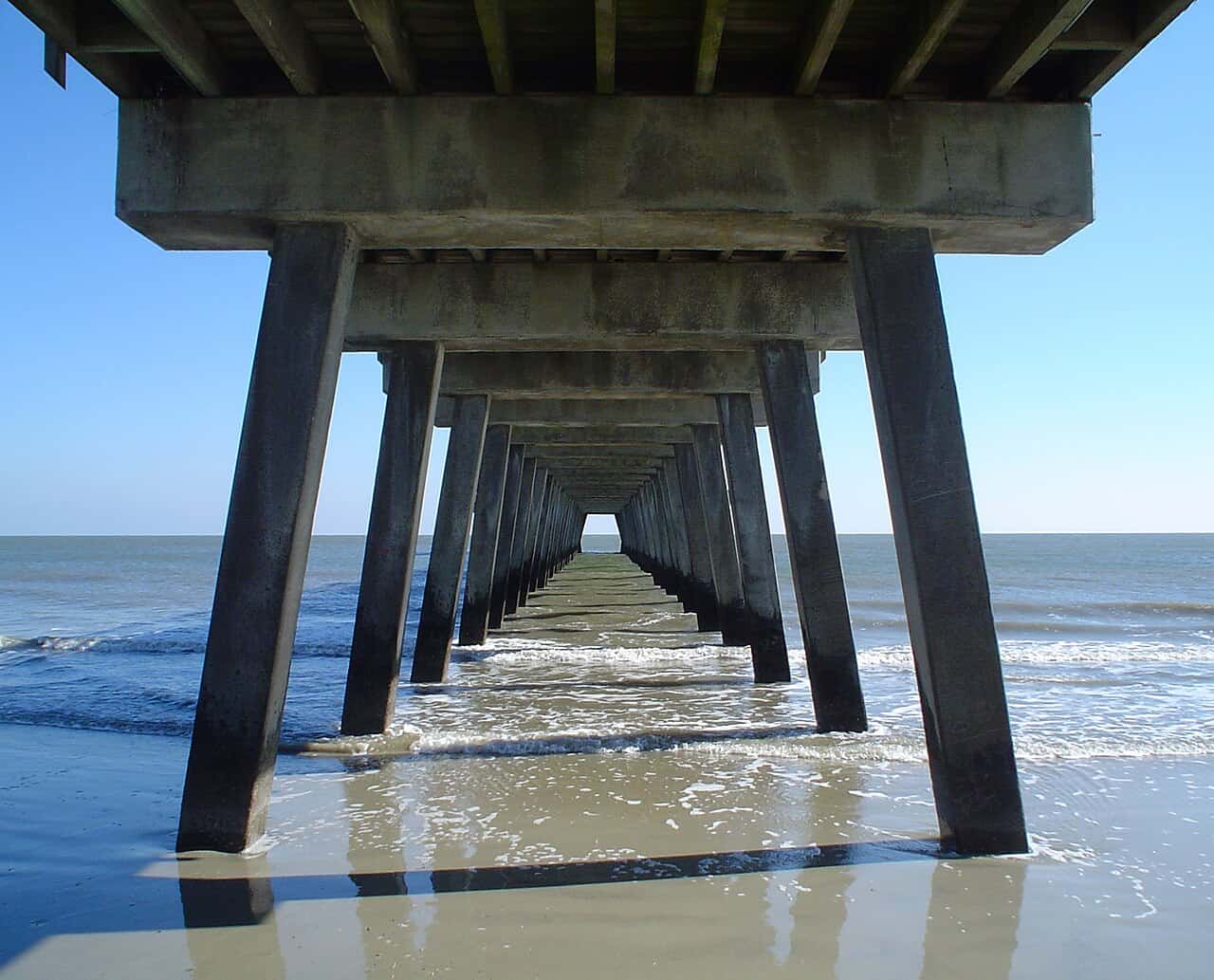
Tybee’s beaches each have a personality. The wide, busy main stretch around the Tybee Pier and Pavilion is the social hub, with easy parking, food, and the fishing pier. North Beach, near the lighthouse, is calmer and the spot for dolphin-watching from shore and for shelling. Back River Beach on the south end is the gentle, family-friendly side facing the sound, popular with kayakers and sunset watchers.
For something wilder, Little Tybee Island — actually larger than Tybee itself and completely undeveloped — sits just to the south and is reachable only by kayak or boat. It’s a protected natural area of tidal creeks, maritime forest, and empty beach, and it’s the closest thing to a private island day trip you’ll find here. Several local outfitters run guided paddles over.
Dolphins, history, and rainy-day options
Bottlenose dolphins live in these waters year-round, and dolphin tours run out of Lazaretto Creek on the island’s west side; the calmer, less-trafficked off-season often makes for better sightings than a busy summer afternoon. The Tybee Island Marine Science Center, right by the pier, is a small but well-done stop — touch tanks, sea turtle education, and beach walks — and an easy call on a cool or rainy day with kids.
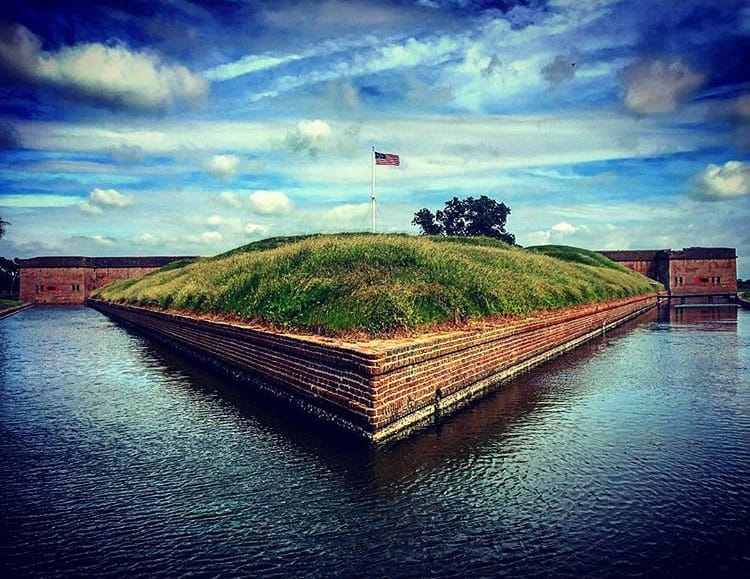
History runs deep here. Fort Pulaski National Monument, on the way back toward Savannah, is a beautifully preserved 1840s brick fort whose 1862 bombardment famously proved masonry forts obsolete overnight; it’s well worth an hour or two and is blissfully uncrowded in the off-season. The tiny Cockspur Island Lighthouse sits nearby. And of course Savannah’s Historic District — squares, Spanish moss, riverfront — is a twenty-minute drive, making it easy to pair a beach stay with a city day.
Where to eat
Tybee’s food scene is unfussy and seafood-forward. The Crab Shack at Chimney Creek is the famous one — a sprawling dockside institution known for its Low Country boil and a resident gator pond — touristy but genuinely fun. A-J’s Dockside is the spot for sunset over the back river with a plate of fresh shrimp, and Huc-A-Poos is the beloved dive for pizza and beer. Off-season, you’ll walk into any of them without the hour-plus summer wait, and the kitchens aren’t in survival mode.
Festivals and getting there
The island’s signature event is the Tybee Island Pirate Fest every October — a weekend of costumed revelry, a parade, live music, and a thoroughly silly good time that takes over the whole island (and books up rooms, so plan ahead if that’s your draw). Fort Pulaski and the lighthouse run their own seasonal programs worth checking too.
Getting to Tybee is easy: it’s about a 20-minute drive from Savannah/Hilton Head International Airport, and roughly four hours from Atlanta. The island itself is small enough that a bike covers it comfortably in the cooler months — and a real off-season perk is that the metered beach parking that stings in summer is far easier (and cheaper) to find.
Frequently Asked Questions
What is the best month to visit Tybee Island?
For warm beach weather with smaller crowds and lower prices, April and May are ideal. For the quietest, cheapest trip, January and February are the off-season low — cool but mild, and great for the lighthouse, history, and quiet beach walks. Peak summer (June–early August) has the warmest water but the highest prices and crowds.
How many steps are in the Tybee Island Lighthouse?
178 steps, with landings every 25 stairs as you climb. The top rewards you with a working First Order Fresnel lens and panoramic views of the island, the Atlantic, and Hilton Head on a clear day. Admission also covers the museum across the street.
Is Tybee Island worth visiting in winter?
Yes — if you adjust expectations. Winter days are usually in the 50s and 60s, too cool for swimming but pleasant for beachcombing, the lighthouse, Fort Pulaski, dolphin tours, and Savannah day trips. Rooms are at their cheapest and the island is at its most peaceful.
How far is Tybee Island from Savannah?
About 20 minutes by car — roughly 18 miles east. That proximity makes it easy to combine a Tybee beach stay with a day exploring Savannah’s Historic District.
Related Reading
- 5 Stunning Places in Texas You Have to See (Beyond the Cities)
- Things to Do in Nashville: A Local-Style Guide Beyond Broadway
- Texas Ghost Tours: 7 Best Haunted Tours Worth Booking
- Jean-Michel Cousteau Resort, Fiji: A Family Luxury Guide