
Holidays in San Antonio: A Local’s Guide Beyond the River Walk

San Antonio’s River Walk gets all the holiday postcards, and the lights strung along the water really are beautiful. But the River Walk is the trailer, not the film. The city’s holiday character — three centuries of Tejano, Mexican, German, and Texan tradition layered together — lives in its neighborhoods, its festivals, and its family kitchens. Here’s how to experience the whole thing, River Walk included.
The River Walk at the holidays, done right
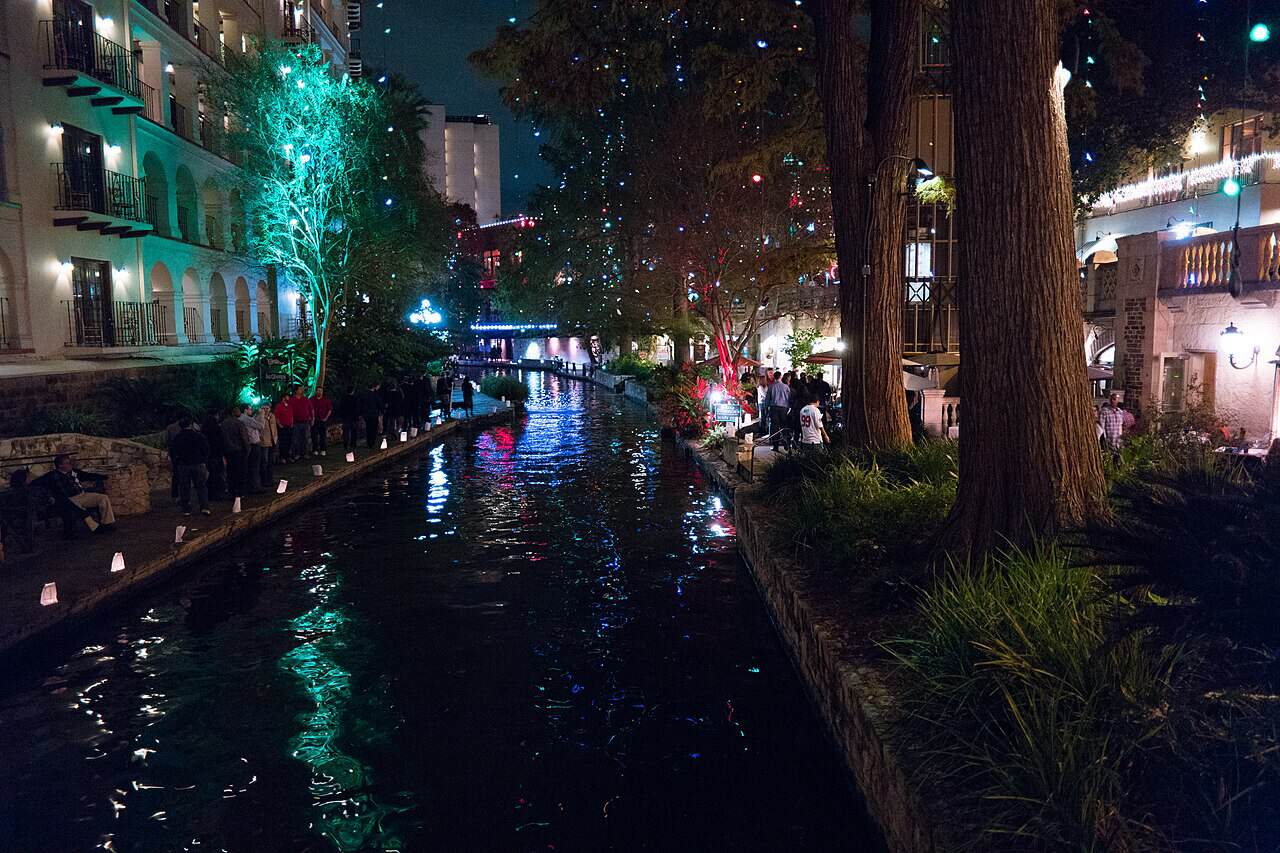
Let’s start with the famous part, because it earns its reputation. From the day after Thanksgiving through the New Year, the River Walk is draped in roughly 100,000 lights, and the season kicks off with the Ford Holiday River Parade, when illuminated floats drift down the river while crowds line the banks. On the Saturdays around it, the Ford Fiesta de las Luminarias lines the walkways with thousands of candle lanterns, a tradition meant to light the way for the holy family.
The trick is timing. Friday and Saturday nights are shoulder-to-shoulder; a Tuesday or Wednesday evening gives you the same lights with room to breathe and a real shot at a riverside table without an hour’s wait. A dinner river cruise is the upgrade worth paying for — same views, better seat. Use the River Walk as one evening of your trip, not the whole plan.
Pearl, King William, and Southtown

The old Pearl Brewery has been reborn as the Pearl, the city’s most stylish gathering spot, and its year-round farmers market takes on a festive edge through December with local makers, seasonal produce, and holiday goods. It’s anchored by Hotel Emma, the celebrated hotel built into the former brewhouse, and a cluster of excellent restaurants — a lovely, walkable base for a holiday weekend.
A few minutes away, the King William Historic District shows off San Antonio’s Victorian side: grand 19th-century homes, many strung with lights and greenery, lining oak-shaded streets in what was originally a German immigrant neighborhood. Adjacent Southtown hosts the First Friday art walk, which takes on a holiday flavor in December — galleries open late, food trucks serve tamales and champurrado, and the whole arts district turns into a street party. Together these neighborhoods are where you’ll feel the city’s actual holiday rhythm, away from the downtown crowds.
The festivals locals plan their year around
San Antonio’s calendar is unusually rich, and the holidays here aren’t only in December.
MuertosFest, held around late October at Hemisfair, is one of the largest Day of the Dead celebrations in the country — free to attend, with altars (ofrendas), processions, sugar-skull art, and music honoring the tradition of Día de los Muertos on November 1–2. It’s deeply rooted in the city’s Mexican heritage and well worth planning around.
Fiesta San Antonio, though it falls in April, is the city’s signature blowout — eleven days and more than a hundred events, from the Battle of Flowers Parade to neighborhood food booths, all originally honoring the heroes of the Alamo and San Jacinto. And every February, the San Antonio Stock Show & Rodeo brings a couple of weeks of rodeo, livestock shows, big-name concerts, carnival rides, and the irresistible spectacle of mutton bustin’, where small kids hang on to running sheep. Neither is a “holiday” in the Hallmark sense, but both are central to how the city celebrates.
Holiday lights beyond the river
If you love lights, the River Walk is only the start. San Antonio Zoo Lights transforms the zoo into an illuminated wonderland through the season and is a reliable hit with kids. SeaWorld San Antonio‘s Christmas Celebration adds shows, a sea of lights, and seasonal treats, while Six Flags Fiesta Texas runs Holiday in the Park with millions of lights and far shorter ride lines than summer. The Alamo and Main Plaza downtown also light up, and the city’s Nutcracker and holiday concerts fill the calendar.
Holiday food, the real reason to come hungry
San Antonio’s holiday table is where its cultures meet most deliciously. Late November kicks off tamale season, when families hold tamaladas — assembly-line gatherings to spread masa, fill husks, and steam dozens at a time. You can taste the tradition without an invite at long-running spots around the city, and at Mi Tierra in Market Square, the around-the-clock institution open since 1941, where pan dulce and Christmas-season pozole are a ritual for generations of families.
The German thread runs just as deep. Schilo’s, a downtown delicatessen operating since 1917, still serves German classics and its famous house-made root beer, a reminder that the Texas Hill Country was settled by German immigrants in the 1840s. Around the Day of the Dead, panaderías across the city sell pan de muerto, the sweet bread topped with dough “bones,” best paired with a cup of thick Mexican hot chocolate. Tracking down a panadería in a neighborhood like Southtown or the West Side will tell you more about the city than any River Walk restaurant.
When to go, and where to stay
December is the most festive stretch, with the full light displays and parades — but it’s also the most crowded and expensive, and hotels along the River Walk book up early. If you want the decorations with smaller crowds and better rates, the first half of December on a weekday, or early January before the lights come down, is the sweet move. October (for MuertosFest) and February (for the Rodeo) are great shoulder-season alternatives with mild weather — San Antonio winters are gentle, typically in the 50s and 60s, occasionally cooler, rather than truly cold.
For where to base yourself: families do well near the Pearl or the zoo; couples will love a boutique stay in King William or downtown; and if you want to be in the middle of the lights, a River Walk hotel makes sense as long as you book months ahead. Wherever you land, build in time to leave downtown — that’s where the real celebrating happens.
Frequently Asked Questions
What is there to do in San Antonio during the holidays?
Beyond the River Walk lights and Ford Holiday River Parade, you can visit San Antonio Zoo Lights, SeaWorld’s Christmas Celebration, and Six Flags’ Holiday in the Park; explore festive neighborhoods like the Pearl, King William, and Southtown; and time a trip around MuertosFest in October. Don’t miss the tamales and pan dulce.
When is the best time to visit San Antonio for the holidays?
For the full lights-and-parade experience, late November through December — ideally on a weekday to dodge crowds. For mild weather, smaller crowds, and lower hotel rates, October (MuertosFest) and February (the Stock Show & Rodeo) are excellent, and early January still has decorations up at lower prices.
How cold does San Antonio get in December?
Mild. Daytime highs are usually in the 50s and 60s Fahrenheit, with cooler evenings and the occasional cold snap. You’ll want a jacket for night events, but it rarely approaches freezing — it’s patio weather more often than not.
Is the River Walk worth visiting at Christmas?
Yes — the roughly 100,000 lights and luminarias are genuinely beautiful. Just go on a weeknight rather than a Friday or Saturday to avoid the heaviest crowds, and consider a dinner river cruise for the best view and a guaranteed seat.
Related Reading
- Costa Rica National Parks: A Complete Guide to the 10 Best
- The Best Beach Towns in Mexico for a Longer Escape
- Texas Ghost Tours: 7 Best Haunted Tours Worth Booking
- Jean-Michel Cousteau Resort, Fiji: A Family Luxury Guide