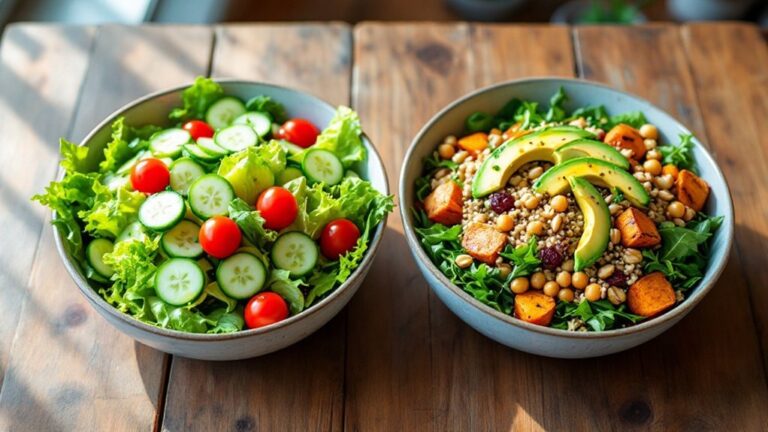
How Eating Five Daily Servings of Produce Radically Rewires Your Body for Longevity

A 30-year Harvard study of over 100,000 people found that five daily servings of fruits and vegetables — specifically two fruits and three vegetables — hits the longevity sweet spot. That’s it. Five. Not ten. The payoff is a 13% drop in all-cause mortality, a 35% reduction in respiratory disease death, and a 20% lower risk of heart disease. More servings beyond five? No extra benefit. The body has its limits. But the *type* of produce matters more than most people realize.
Five daily servings of fruits and vegetables. That’s it. That’s the magic number linked to the lowest risk of death, according to a Harvard study spanning 30 years and tracking over 100,000 participants. Two servings of fruit, three servings of vegetables. Not ten. Not twenty. Five. Anything beyond that? No extra benefit. The body apparently has limits on how much goodness it can store.
The numbers are blunt. Compared to people eating just two servings a day, those hitting five see a 13% reduction in all-cause mortality. Cardiovascular death risk drops 12%. Cancer death risk falls 10%. Respiratory disease death? Down 35%. Heart disease specifically takes a 20% hit. Each further serving up to five cuts all-cause death risk by another 5%. A meta-analysis covering 2 million adults worldwide backs this up. So does a BMJ analysis of 16 studies with over 833,000 participants. The data is not messing around.
Now, here’s where things get interesting. Not all produce is created equal, shocking as that may be. Green leafy vegetables like spinach and kale deliver the biggest bang. Cruciferous options — broccoli, brussels sprouts — pull their weight too. Citrus fruits, berries, carrots, red peppers. All solid. Foods rich in beta carotene also rank among the most advantageous options for health.
But peas, corn, and potatoes? They basically sit on the bench. Starchy vegetables show zero link to lower mortality. Fruit juice? Same story. Useless for longevity purposes. Yet current guidelines treat all types the same. Brilliant.
The mechanisms make sense. Fruits and vegetables deliver fiber, antioxidants, and crucial nutrients that prevent major chronic diseases. Benefits hit hardest for cardiovascular and respiratory outcomes. But the body reaches a saturation point at five servings, which explains the threshold.
Public health recommendations suggest adults consume 1.5 to 2 cups of fruit and 2 to 3 cups of vegetables daily. Researchers urge partnerships with government agencies, NGOs, and even chefs to make healthy eating more appealing. The study’s findings were published in Circulation, the American Heart Association’s flagship journal, lending significant institutional weight to the conclusions.
One thing supplements cannot do is replicate what whole produce offers. The “5-a-day” message remains achievable for the general public. Five servings. Completely doable. The evidence is overwhelming.
Related Reading
- Forget Supplements: How Daily Nutrition Powerfully Protects Your Mental Health Against Depression
- Think Walking Isn’t Enough? The Stunning Mortality Data Proving Its Life-Saving Power
- Exercise After Pregnancy: A Safe, Realistic Guide to Starting
- Maty’s Healthy Products Is Gone: Here’s Your Survival Guide for Natural Health Independence
This article is for general informational purposes only and isn’t a substitute for professional medical advice. Every family and body is different, so please check with a qualified healthcare provider before making decisions about your health or your family’s health.