The Best Beach Towns in Mexico for a Longer Escape

If your mental image of a long beach escape defaults to Bali or the Maldives, it’s worth knowing that Mexico quietly makes a strong case against both — especially if you’re staying for weeks rather than days. It’s closer and cheaper to reach from North America, far more varied, and increasingly well set up for remote work, all without the long-haul flights and resort-island price tags. Here’s why Mexico deserves a serious look, and the beach towns worth considering.
The value gap is real
The Maldives is stunning, but it’s built around expensive resort islands where an overwater bungalow can run many hundreds of dollars a night before you’ve eaten a thing, and almost everything is imported at a markup. Bali is cheaper, but it’s also become crowded and, in the popular digital-nomad hubs like Canggu and Ubud, increasingly congested.
Mexico’s coastal towns sit in a sweet spot. In places like Puerto Vallarta or Playa del Carmen you can rent a comfortable apartment with a kitchen and a pool by the month for a fraction of a week in the Maldives, eat extraordinarily well for a few dollars a meal — fresh ceviche, fish tacos, a market lunch — and still be on a beautiful beach. The math strongly favors a longer, slower stay, which is exactly what makes it work for remote workers and families rather than just one-week vacationers.
It’s genuinely set up for remote work now
The single biggest change over the past several years is connectivity. Fiber internet has reached most of the popular coastal towns — Playa del Carmen, Tulum, Puerto Vallarta, and even smaller spots — and many rentals now advertise fast, reliable home connections rather than the patchy cafe Wi-Fi that frustrates remote workers in some competing destinations. Coworking spaces have multiplied in the bigger towns, and the time-zone overlap with the U.S. and Canada is a quiet superpower: you can keep normal working hours with colleagues back home instead of living on the other side of the clock.
A practical caveat or two: connection quality still varies property to property, so confirm the specifics with any host before a long booking, and don’t drink the tap water — stick to filtered or bottled, which is the norm everywhere. Mexico’s tourist-visa rules also allow stays of up to 180 days for many visitors, though the exact length granted is at the border agent’s discretion, so check the current requirements for your nationality.
Variety is Mexico’s real advantage
A resort atoll gives you beach, water, repeat — beautiful, but one note. Mexico hands you beaches plus colonial cities, jungle cenotes, Maya ruins, mountain towns, and desert-meets-ocean drama, all reachable by an inexpensive domestic flight or a comfortable long-distance bus. You can swim with whale sharks one week and wander the galleries and ruins of another region the next, without being trapped on a single island.
It’s also a place where everyday culture happens around you rather than being staged for you. Walk a couple of blocks inland from almost any beach and you’re in real neighborhoods — kids playing soccer, vendors selling elote from carts, families out for Sunday lunch. That accessibility, plus the genuine warmth of Mexican hospitality, is a big part of why people who come for two weeks end up staying two months.
The beach towns worth considering
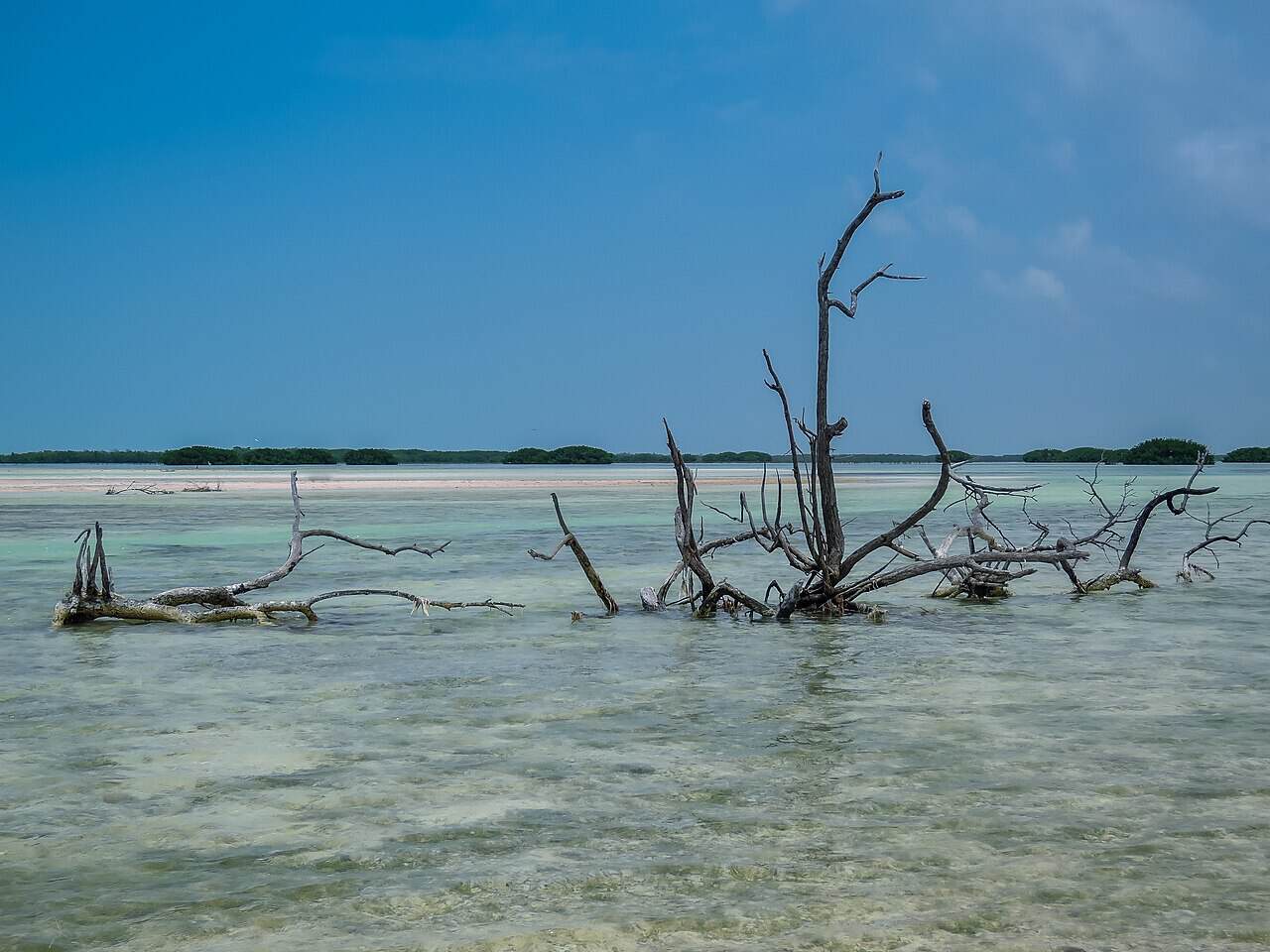
Mexico’s coastline is long and varied, so the right town depends on your vibe.
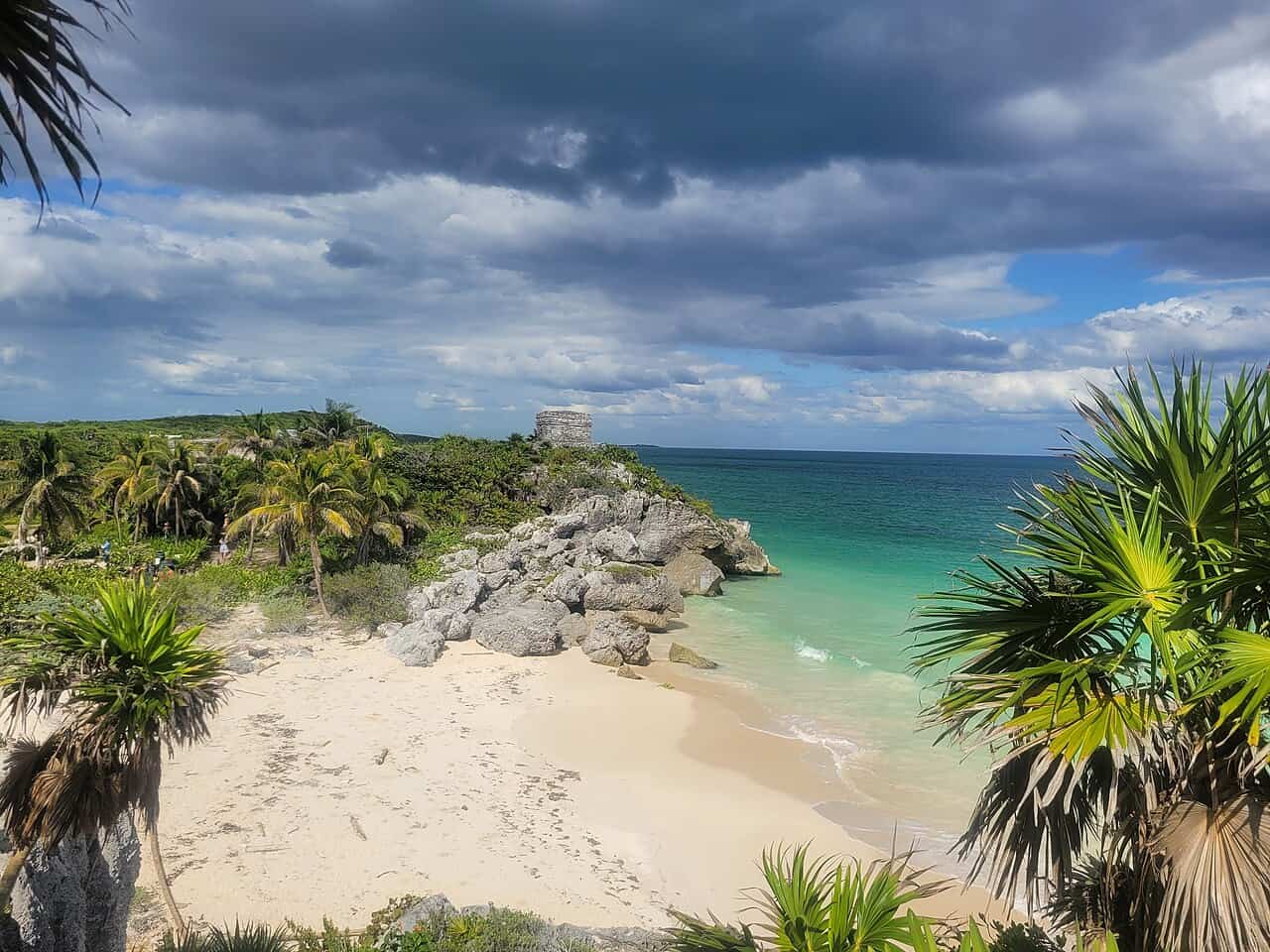
On the Caribbean (Riviera Maya) side, Playa del Carmen is the most established remote-work hub — walkable, well-connected, and packed with cafes and coworking — while Tulum trades on its bohemian-chic beach-and-cenote scene (gorgeous, though it’s gotten pricey and crowded). For something quieter, tiny, car-free Holbox is famous for whale sharks that pass through roughly May through September, and Isla Mujeres, a short ferry from Cancun, swaps cars for golf carts and keeps a laid-back, local feel.
On the Pacific side, Puerto Vallarta is the sophisticated all-rounder — a real city with an international airport, a charming Romantic Zone, great food, and a welcoming, longtime expat community. Just north, the Riviera Nayarit strings together distinct small towns: Sayulita for surfers and a party-ish energy, mellow San Pancho next door for artists, and upscale Punta Mita for low-key luxury.
Further south, the Oaxaca coast rewards the more adventurous: Puerto Escondido has become a magnet for surfers and nomads who found Bali too crowded, while Mazunte and Zipolite keep things rustic and unhurried. And on the way there, Huatulco — nine protected bays that were deliberately developed without overbuilding — offers clean infrastructure and an airport with a fraction of Tulum’s crowds.
So is it actually better than Bali or the Maldives?
Honestly, it depends what you want. For a short, splurgy, once-in-a-lifetime honeymoon of pure beach and turquoise water, the Maldives is hard to beat. For deep Southeast Asian culture and a particular backpacker-meets-yoga scene, Bali has its own magic. But for a longer stay — a month or a season of remote work, a slow family trip, a budget-conscious escape with great food, fast internet, and the freedom to explore wildly different landscapes — Mexico is the more practical and, for many North Americans, the smarter choice. The flights are shorter, the dollars stretch further, and you’re never more than a bus ride from something completely new.
Frequently Asked Questions
Which Mexican beach town is best for digital nomads?
Playa del Carmen and Puerto Vallarta are the most established, with fast internet, abundant coworking, walkable centers, and big expat communities. Puerto Escondido is the rising favorite for a more surf-and-laid-back scene, and Tulum works if you don’t mind higher prices.
Is the internet in Mexico’s beach towns good enough for remote work?
In the major towns, yes — fiber has reached most popular coastal destinations and many rentals offer fast, reliable connections, helped by a U.S./Canada-friendly time zone. Quality still varies by property, so confirm the specific connection with your host before booking a long stay, and consider a local SIM as backup.
How long can you stay in Mexico as a tourist?
Many nationalities can be granted up to 180 days on a tourist entry, though the actual length is decided by the immigration officer at arrival and policies change — check the current rules for your passport before you go. That flexibility is part of what makes Mexico appealing for longer stays.
Is it safe to drink the water in Mexico?
Stick to filtered or bottled water, which is standard for residents and visitors alike; most rentals provide a filter or water service. Tap water isn’t recommended for drinking, but it’s fine for showering and brushing teeth in most areas.
Related Reading
- Why Nonalcoholic Thanksgiving Drinks Are Outselling Wine—and 5 Mocktails to Make Tonight
- Texas Ghost Tours: 7 Best Haunted Tours Worth Booking
- Jean-Michel Cousteau Resort, Fiji: A Family Luxury Guide
- Tybee Island, Georgia: The Best Time to Visit and What to Do