

The 67th Annual Emmy Awards: When Streaming Crashed Television’s Biggest Party

Here’s what nobody talks about when they discuss the 67th Emmy Awards: Jeffrey Tambor’s win for Amazon’s ‘Transparent’ wasn’t just another trophy. It was the sound of television’s old guard watching their kingdom crumble.
September 20, 2015, at the Microsoft Theater in Los Angeles, wasn’t just another awards show. It was a coronation ceremony for streaming services. While everyone was busy talking about Jon Hamm finally winning his Emmy or Viola Davis making history, the real story was happening in the winner’s list margins.
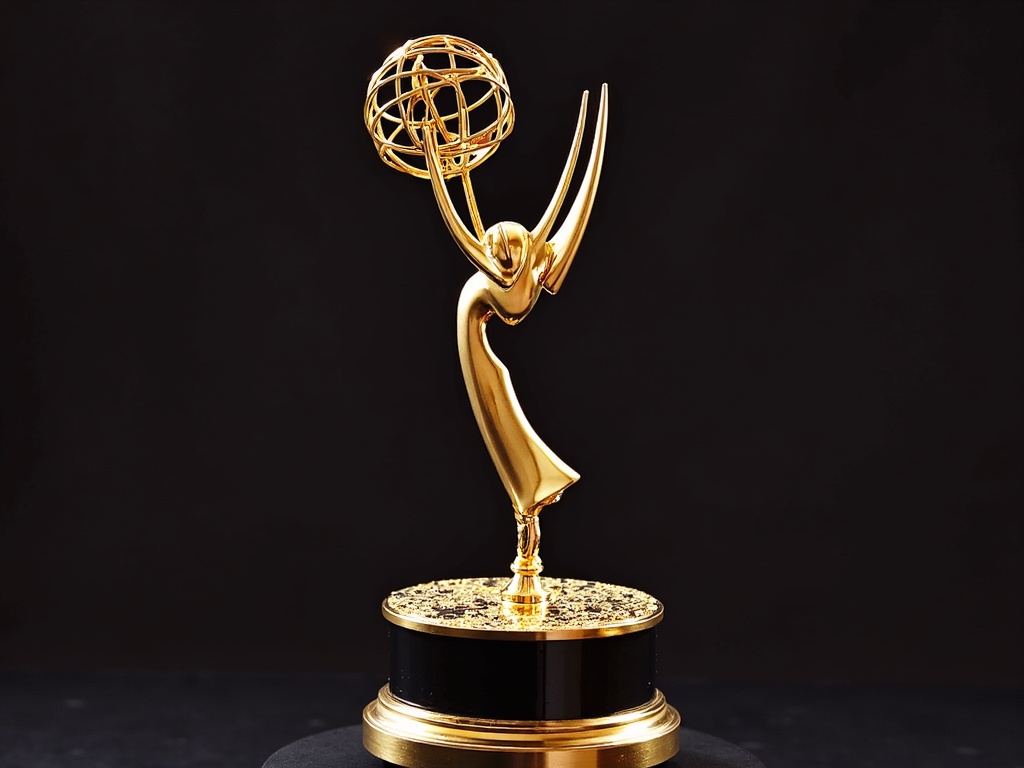
The Night Streaming Services Became Emmy Royalty: Complete 67th Emmy Winners Analysis
Let’s start with the shock that wasn’t actually shocking if you were paying attention. Jeffrey Tambor’s win for ‘Transparent’ made Amazon the first streaming service to win a major Emmy category. Not Netflix. Amazon. The company that sells toilet paper beat Hollywood at its own game.
The 67th Emmy Awards handed out hardware like this: ‘Game of Thrones’ took Outstanding Drama Series, surprising absolutely nobody who’d seen a dragon burn things. ‘Veep’ grabbed Outstanding Comedy Series, with Julia Louis-Dreyfus winning her fourth consecutive Emmy because apparently, she’s incapable of not being hilarious. Jon Hamm finally—FINALLY—won Lead Actor in a Drama Series for ‘Mad Men’ after seven nominations. The Academy basically said, ‘Our bad, here’s your trophy before the show ends.’
But here’s where it gets interesting. Look at the network breakdown:
HBO dominated with 43 nominations and 14 wins. AMC grabbed 11 nominations. Netflix had 34 nominations. Traditional broadcast networks? They were basically the kid picked last for dodgeball.
Viola Davis became the first African American woman to win Lead Actress in a Drama Series for ‘How to Get Away with Murder.’ Her acceptance speech? Pure fire. She called out Hollywood’s diversity problem while the audience shifted uncomfortably in their seats. “The only thing that separates women of color from anyone else is opportunity,” she said. The Microsoft Theater went silent. Then erupted.
The limited series categories went wild. ‘Olive Kitteridge’ swept through like a nor’easter, taking home eight awards including Outstanding Limited Series. Frances McDormand won Lead Actress. Richard Jenkins grabbed Lead Actor. HBO was flexing muscles it didn’t even know it had.
The comedy categories revealed streaming’s stealth attack. Yes, ‘Veep’ and ‘Modern Family’ were there. But ‘Transparent’ wasn’t just nominated—it won. Tony Hale took Supporting Actor for ‘Veep,’ Allison Janney grabbed Supporting Actress for ‘Mom,’ but the real story was in the nominations list. ‘Unbreakable Kimmy Schmidt’ (Netflix), ‘Transparent’ (Amazon), and other streaming shows were suddenly legitimate contenders.
What everyone missed while applauding: This wasn’t just about who won. It was about who was even eligible to win. The Television Academy had quietly changed the rules, acknowledging that ‘television’ now included anything you watched on a screen. Your laptop counted. Your phone counted. The definition of TV had exploded, and the 67th Emmys were ground zero.
The technical categories told the same story. ‘Game of Thrones’ won Outstanding Special Visual Effects. ‘Transparent’ took Outstanding Single-Camera Picture Editing for a Comedy Series. These weren’t your dad’s sitcoms shot on three cameras in front of a studio audience. This was cinematic television that just happened to debut on streaming platforms.
Andy Samberg’s Digital-First Hosting and the Microsoft Theater Spectacle
Andy Samberg hosting the 67th Emmys was like inviting a YouTube star to dinner at the country club. Sure, he wore a tux, but everyone knew he was there to mock the silverware.
The cold open featured Samberg spoofing every major nominated show, because apparently, that’s mandatory now. But here’s what was different: His humor wasn’t CBS-safe vanilla. It was Netflix-binge weird. He made jokes about binge-watching, streaming passwords, and how nobody actually watches shows when they air anymore. The Academy hired a guy famous for ‘Dick in a Box’ to host their traditional ceremony. The irony was lost on nobody.
The Microsoft Theater—not the Nokia Theatre, despite what half the internet still thinks—became a tech company’s billboard for three hours. The venue name change happened just two weeks before the ceremony, creating a logistics nightmare that nobody talks about. Programs were already printed. Signage had to be rushed. It was peak 2015: even the building was having an identity crisis about old media versus new tech.
Samberg’s monologue included this gem: “HBO is like the kid in school who gets straight A’s… Netflix is the kid who’s new but you know is going to be really popular.” The joke landed because everyone in that room knew which kid they wanted to be friends with.
The most telling moment? When Samberg introduced a category by saying, ‘Here to present the award for Outstanding Actress in a Show You’ll Probably Discover Three Years From Now on Netflix…’ The audience laughed. They thought it was a joke. It wasn’t.
Production-wise, the show tried desperately to be relevant to younger viewers. Social media integration everywhere. Hashtags on screen. Live-tweeting encouraged. But it felt like your dad trying to use Snapchat—technically correct but fundamentally wrong. The show’s official hashtag #Emmys was trending, sure, but most tweets were about how boring the show was.
The musical numbers were stripped down. No massive Broadway-style productions. Why? Because they finally realized nobody fast-forwards through acceptance speeches on YouTube, but everyone skips the song-and-dance routines. The 67th Emmys were engineered for highlight reels and viral moments, not live viewing.
Here’s the kicker: Despite all the digital-first hosting and modern touches, ratings were down. Way down. Only 11.9 million viewers tuned in, the lowest in Emmy history at that point. The revolution was being televised, but nobody was watching it on actual television.
Fashion at the 67th Emmys: When Personal Branding Met Panic Attacks
The 2015 Emmy red carpet was where personal branding met panic attacks. Actors suddenly had to dress for Instagram, traditional media, and their potential Netflix deals all at once.
Taraji P. Henson showed up in custom Alexander Wang chain-detail gown that screamed ‘Empire’ money. She wasn’t just wearing fashion—she was wearing her moment. Cookie Lyon had made her a household name, and she dressed like someone who knew streaming services were about to throw money at her.
Here’s what fashion critics missed: The men finally started trying. Jon Hamm in Giorgio Armani wasn’t just wearing a tux—he was saying goodbye to Don Draper in style. Andy Samberg’s white dinner jacket by Salvatore Ferragamo? That was ‘I host digital content and make viral videos’ translated into fabric.
The real story was in the styling strategies. Traditional network stars played it safe—classic gowns, predictable designers. But streaming and cable stars? They went weird. Uzo Aduba wore custom Jonathan Cohen with architectural shoulders. Lena Headey picked Rubin Singer’s dramatic black and white. These weren’t red carpet regulars. They were taking risks because their shows were built on taking risks.
Claire Danes in Prada represented peak 2015 confusion: She was there for ‘Homeland’ (Showtime), had done network TV, was heading to streaming projects. Her dress choice—sleek, modern, slightly severe—perfectly captured where everyone’s careers were heading.
The jewelry told another story. Vintage pieces everywhere. Why? Because stylists were hedging their bets. Vintage played well on high-def cameras AND Instagram filters. It was old-Hollywood glamour for new-Hollywood economics. Lorraine Schwartz, Neil Lane, and Harry Winston pieces dominated because they photographed well from every angle.
Here’s the detail everyone missed: The step-and-repeat backdrops were redesigned for social media cropping. The lighting was adjusted for phone cameras. Even the red carpet itself was physically different—wider to accommodate selfie-sticks and the army of social media correspondents who suddenly mattered more than print journalists.
Some fashion moments aged like milk. Remember flower crowns? The aggressive contouring that looked like war paint under the lights? The ‘normcore’ attempts that looked like someone raided a Target clearance rack? But others—like Viola Davis in custom Carmen Marc Valvo—became iconic because they represented something bigger. She wasn’t just wearing a dress. She was wearing history. The silk organza gown with hand-embroidered details said “I’m the first, but I won’t be the last.”
The Venue Confusion and Broadcast Details Nobody Gets Right
Time for some truth bombs about the 67th Emmy Awards that’ll make you question everything you think you remember.
First: It was NOT at the Nokia Theatre. The venue was officially the Microsoft Theater by September 20, 2015. Microsoft bought the naming rights for a reported $5-10 million annually, and the signage change happened literally weeks before the ceremony. Half the attendees showed up asking security where the Nokia Theatre went. It hadn’t gone anywhere—it just had a new corporate overlord.
The FOX broadcast started at 8 PM ET/5 PM PT, but here’s what nobody mentions: The actual ceremony started at 4:45 PM PT. That means winners were already celebrating before East Coast viewers even turned on their TVs. The Television Academy was literally treating live TV like it didn’t matter. Because increasingly, it didn’t.
The Microsoft Theater holds 7,100 people, but the Emmys only used about 3,000 seats. Why? Because they needed room for cameras, equipment, and the massive ego of television thinking it still mattered the way it did in 1995. The upper levels were completely blocked off. VIP sections were expanded. Regular industry folks who used to get tickets were suddenly shut out.
Here’s a fact that ruins every retrospective article: The ceremony was filmed in 4K but broadcast in standard HD. Let that sink in. They had ultra-high-definition footage of television’s biggest night, and they compressed it down for cable transmission like it was 2005. Meanwhile, Netflix was already streaming in 4K to anyone with a decent internet connection.
The international broadcast situation was a complete disaster. Some countries got it live. Others got it delayed by days. Netflix was simultaneously streaming content to 190 countries while the Emmys couldn’t figure out worldwide distribution for their own awards show. The irony was thicker than concealer on a daytime talk show host.
Ticket distribution followed the same system they’d used since the 1980s. Networks got allocations based on nominations. Studios got blocks. Meanwhile, Netflix and Amazon employees were scrambling to find seats because nobody had figured out how to classify them yet. Were they a network? A studio? A tech company? The Academy basically shrugged and said ‘figure it out yourselves.’
Security was beefed up, but not for traditional threats. They were paranoid about aerial drones trying to get footage. The Microsoft Theater installed RF jamming devices that accidentally blocked cellular signals in certain areas. Celebrities couldn’t post to Instagram from their seats. In 2015. At a media event celebrating media. The old guard really didn’t understand the new world they were stumbling into.
The 67th Emmys Legacy: Why This Show Changed Everything
The 67th Annual Emmy Awards weren’t just a ceremony—they were a time capsule of television eating itself.
Jeffrey Tambor’s Amazon win wasn’t just a trophy. It was a declaration of war that streaming had already won. Viola Davis’s groundbreaking victory wasn’t just about diversity. It was about who gets to tell stories in the new world order. Jon Hamm’s overdue recognition for ‘Mad Men’ wasn’t just correcting an oversight. It was the Academy saying goodbye to prestige cable drama as they knew it.
These weren’t just trophies changing hands. They were tectonic plates shifting.
The Microsoft Theater (formerly Nokia, currently whatever corporation pays the most) hosted television’s last stand as a unified medium. After September 20, 2015, ‘TV’ became whatever you watched on whatever screen you had handy. Your phone showing ‘Orange Is the New Black’ during your commute? That’s TV. Your laptop streaming ‘Transparent’ at 3 AM? That’s TV. The actual television in your living room? That became just another screen.
The numbers tell the real story. 11.9 million viewers watched live—a record low at the time. But clips from the show generated over 100 million views online within a week. The red carpet got more real-time engagement than the actual ceremony. People wanted the content. They just didn’t want it served the traditional way.
HBO’s dominance at the 67th Emmys (14 wins) was both a victory lap and a warning shot. They saw streaming coming and decided to join rather than fight. Within months, HBO Now would launch as their standalone streaming service. They read the room at their own party and realized the party was moving online.
The fashion got wider for social media. The host made streaming jokes that weren’t really jokes. The winners came from platforms that didn’t exist when most Academy voters started their careers. And ratings tanked because people were too busy binge-watching to care about appointment television celebrating itself.
Look at what happened after: Netflix went from 34 nominations in 2015 to becoming the most-nominated network by 2018. Amazon Studios became a major force. Apple and Disney launched streaming services. The very concept of ‘channels’ became obsolete. The 67th Emmys didn’t predict this future—they were the last awards show to pretend it wasn’t already here.
The true legacy of the 67th Annual Emmy Awards? They didn’t just honor the best of television—they inadvertently wrote its obituary. Traditional TV smiled for the cameras, handed out trophies, and pretended everything was fine while the future sat in the audience, wearing designer gowns and planning the takeover.
Spoiler alert: It wasn’t fine. And everyone in that room knew it.