
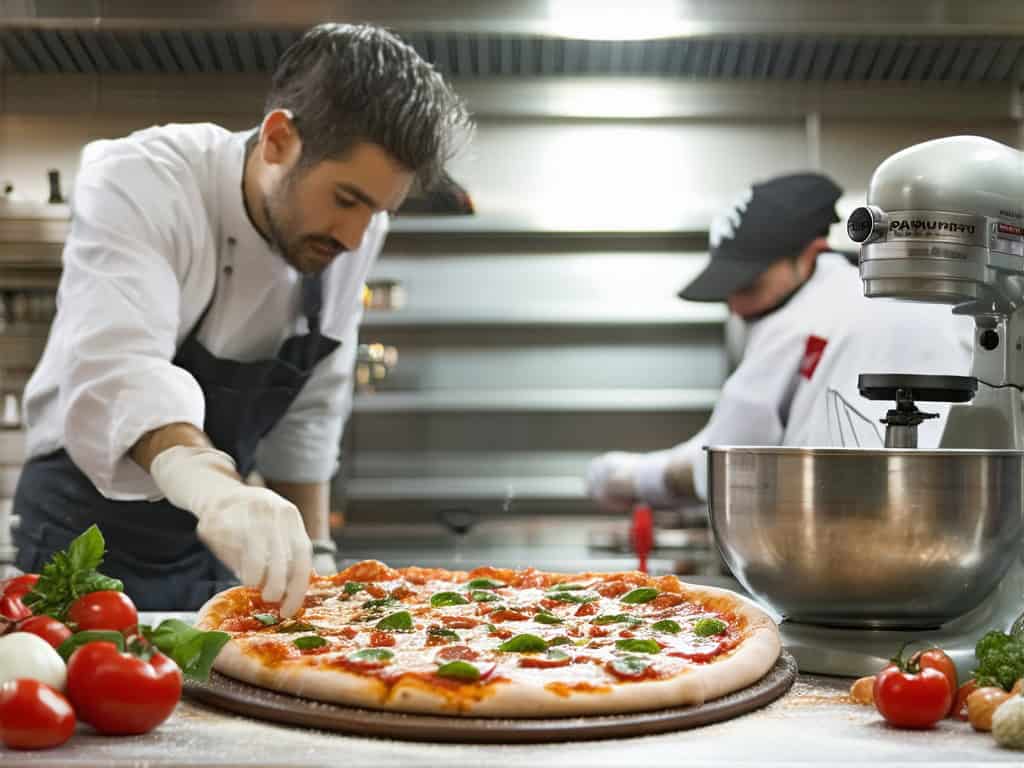
Behind the Scenes at Papa Murphy’s: Why They’re Hiding the Mixers (And What It Means for Your Pizza)

Let me blow your mind real quick.
Papa Murphy’s is spending up to $50,000 per store to move their dough mixers where you can’t see them anymore. Yeah, you read that right. Fifty grand to hide the very thing that’s supposed to prove their pizza is fresh.
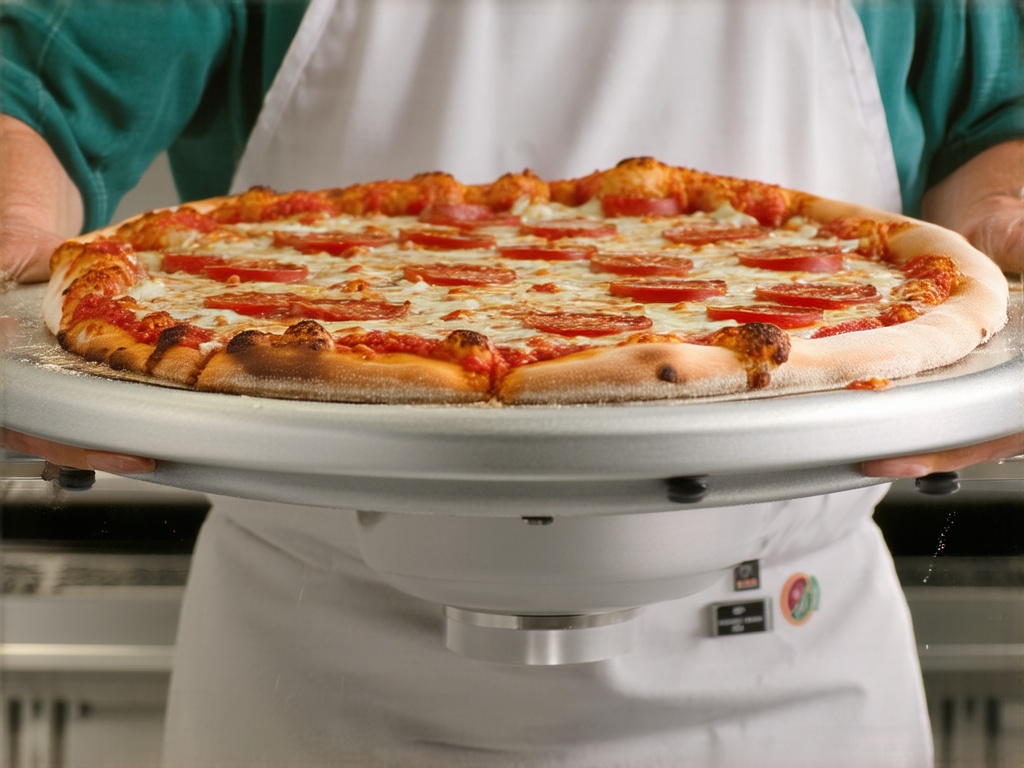
While everyone else in the pizza game is putting on a show—tossing dough in the air, making a spectacle of every pepperoni placement—Papa Murphy’s is quietly dismantling their front-counter mixers and shoving them in the back. They’re calling it ‘nice but unnecessary.’
And here’s the kicker: they might be onto something.
See, we’ve all been trained to think visible prep equals fresh food. It’s the Subway effect. Watch them make it, trust it more. But what if that whole song and dance is just… theater? What if the real magic happens where you can’t see it?
I’ve been digging into Papa Murphy’s massive remodel program, talking to people who work these kitchens, and what I found challenges everything we think we know about fresh pizza.
Why Papa Murphy’s Is Abandoning the Front-Counter Mixer (And Nobody’s Talking About It)
Here’s what’s happening. Papa Murphy’s has these new prototype stores—at least five were already operational by 2022—and they’ve completely reimagined the kitchen layout. The mixer? Moved to the back. The entire prep area? Hidden from view.
They’re literally paying franchisees 25% of remodel costs (up to $10,000 for standard updates, $50,000 for the full monty) to make this change happen across 500 stores.
Think about that math for a second. We’re talking millions of dollars to hide something that’s been their selling point for decades.
The official line? Front mixing is ‘nice but unnecessary.’ Translation: it’s expensive theater that doesn’t actually make your pizza any fresher.
Here’s the thing nobody wants to admit: watching someone mix dough doesn’t mean jack about quality. You know what does? The fact that one mixer batch at Papa Murphy’s produces exactly 65 pounds of dough. That’s enough for 55 family-size pizzas. They mix it fresh every morning, starting around 7 a.m. No additives. Just flour, water, yeast, and time.
Whether you see it happen or not doesn’t change the chemistry.
But moving that mixer to the back? That changes everything about how efficiently they can operate. No more employees dodging customers to load 50-pound flour bags. No more cleaning around gawking kids pressing their faces against the glass. Just pure, uninterrupted workflow.
And get this—they’re keeping the open kitchen concept for everything else. You can still watch them assemble your pizza. They’re just done pretending that watching dough spin in a bowl for 20 minutes adds value to your experience.
It’s like they finally admitted what we all secretly knew: pizza theater is exhausting for everyone involved.
But here’s where it gets really interesting—what they’re doing with all that newly freed-up space reveals their true priorities.
Inside the New Papa Murphy’s Kitchen: Employee Spaces, Phone Charging Stations, and Hidden Prep Areas
Walk into one of these new prototype Papa Murphy’s and you’ll notice something weird. The kitchen looks… smaller. That’s because half of it is now behind walls.
And what’s back there will surprise you.
Phone charging stations. Actual break rooms with real chairs. Training spaces that aren’t just ‘stand next to Steve and watch.’
These aren’t luxury add-ons. They’re addressing problems that have plagued pizza kitchens forever.
Before these remodels, employees were charging phones in random outlets behind ovens. Taking breaks meant sitting on a milk crate in the walk-in cooler. Training new hires happened in the middle of Friday night rush because there was nowhere else to do it.
I talked to someone who’s worked both layouts. The old design? ‘Like working in a fishbowl while juggling knives.’ The new one? ‘Finally feels like a real workplace.’
And before you roll your eyes thinking this is some millennial coddling nonsense, think about this: happier employees make better pizza. It’s not rocket science.
When you’re not constantly performing for customers, when you have an actual place to decompress between rushes, when you can check your phone without getting written up—you give a damn about your work.
The new prep areas are deliberately designed for efficiency over exhibition. Vegetables get chopped in dedicated stations with proper ventilation. Meats are portioned where there’s actually room to work. The entire flow goes from chaotic dinner theater to something resembling an actual professional kitchen.
They’re even installing these workflow charts that would make a productivity consultant weep with joy. Every movement mapped out. Every tool in its designated spot.
Turns out when you stop designing kitchens for customer entertainment and start designing them for the people who actually work there, magic happens. Order accuracy goes up. Speed improves. And those precise measurements they’re famous for—7 ounces of sauce, 14 ounces of cheese on a family size—become automatic instead of a constant struggle against distraction.
But does any of this behind-the-scenes efficiency actually matter if you’re taking the pizza home to bake anyway?
The 65-Pound Secret: What Really Happens in Papa Murphy’s Daily Prep Process
Let’s talk about what actually makes Papa Murphy’s different, beyond the take-and-bake gimmick.
It starts at 7 a.m. when that 65-pound batch of dough begins its journey. No frozen dough balls shipped from a warehouse. No preservative-laden pre-mix. Just basic ingredients combined fresh every single day.
Here’s where it gets obsessive. Everything—and I mean everything—gets weighed to the gram. Family-size pizza? Exactly 60 pepperoni. Not 59, not 61. They have these portion cups that would make a pharmacist jealous. Seven ounces of sauce spread to precise edges. Fourteen ounces of cheese distributed in a pattern they’ve literally studied for optimal melt coverage.
You think I’m exaggerating? I watched them remake an entire pizza because it had 58 pepperoni.
The vegetables tell an even crazier story. No pre-chopped anything. They get whole vegetables delivered daily—actual bell peppers, whole onions, fresh mushrooms. Someone stands there every morning chopping it all by hand.
No freezers in these stores. Let that sink in. A pizza place with no freezers.
Everything you see in those bins was alive and growing somewhere last week. Even the meats come in fresh, what they call ‘butcher-quality.’ Not frozen, not pre-cooked, not sitting in preservatives. They portion it daily based on projected sales.
Run out of Italian sausage at 8 p.m.? Too bad. They’re not defrosting backup from some secret freezer. They’re just out.
But here’s the beautiful part—none of this has to happen in front of you for it to be true. That employee meticulously weighing cheese isn’t doing it because you’re watching. They’re doing it because that’s the system. The vegetables aren’t fresher because you saw them chopped. They’re fresh because someone dragged their ass out of bed at 6 a.m. to prep them.
This obsessive standardization happens whether the kitchen is front and center or hidden behind walls. Actually, it probably happens better when employees aren’t simultaneously putting on a show for customers.
Turns out the secret to Papa Murphy’s isn’t the theater—it’s the boring, repetitive, absolutely crucial daily rituals that happen no matter who’s watching.
So how do you know if your local Papa Murphy’s is delivering on these promises?
How to Spot a Quality Papa Murphy’s (Without Watching Dough Spin)
Forget the mixer. Here’s what actually matters when you walk into a Papa Murphy’s.
First, check the vegetable bins. Fresh-prepped vegetables look different than pre-cut ones. The edges should be sharp, not rounded. The colors vibrant, not dull. If those mushrooms look like they’ve been sitting there since Tuesday, they probably have.
Next, watch the employees. Not the pizza assembly—that’s just muscle memory at this point. Watch how they move between orders. Rushed and frantic? That’s a red flag. Smooth and systematic? That’s what proper training and workspace design produces.
Ask when they prep. A quality Papa Murphy’s preps vegetables multiple times daily, not just during morning shift. If it’s 6 p.m. and they’re still using morning-chopped onions, that tells you something about their standards.
The new prototype stores are easy to spot. Less visible kitchen space. More organized flow. Employees who don’t look like they want to quit every five minutes. These aren’t aesthetic choices—they’re operational improvements that show in the final product.
Test their consistency. Order the same pizza on different days, different times. A properly run Papa Murphy’s delivers identical results whether it’s dead Tuesday afternoon or slammed Saturday night. That’s what those obsessive measurements and systematic workflows produce.
Here’s what most people miss: the real quality indicator isn’t what you can see. It’s what you can’t. Those hidden prep areas, proper break rooms, dedicated training spaces—they create employees who actually care about getting your pizza right.
Because when someone’s not exhausted from performing for customers all day, when they’ve had proper training in a real training area, when they can take an actual break in an actual break room—they make better pizza. It’s that simple.
The Real Story Behind Papa Murphy’s Hidden Kitchen Revolution
Here’s the truth nobody wants to hear: we’ve been judging pizza quality by the wrong metrics.
Seeing dough spin doesn’t make it fresher. Watching vegetables get chopped doesn’t make them crisper. Papa Murphy’s figured this out and put their money where their mouth is—literally millions in remodel costs to optimize for quality over theater.
The real indicators of a good Papa Murphy’s? Check if they’ve got the new prototype layout. Ask when they prep vegetables (multiple times daily is the gold standard, not just morning). Notice if employees seem rushed or relaxed—those new break rooms and training spaces show in the service.
Test consistency. A properly run Papa Murphy’s delivers the exact same pizza whether it’s Tuesday afternoon or Saturday night. Because when you stop performing freshness and start systematizing it, that’s when the magic happens.
Your pizza doesn’t need dinner theater. It needs someone who gives a damn making it in a kitchen designed for efficiency, not entertainment.
Papa Murphy’s bet $50,000 per store that we’re ready to value substance over show.
Time to prove them right.