Wearable Device Calms Severe Tantrums in Kids—Even Hospitals Are Using It

Researchers at Vanderbilt University are working on smartwatch-style sensors that can predict tantrums before they even start. The $1.1 million NSF-funded study tracks body movements, heart rate, and perspiration in children with intellectual disabilities. Machine learning then spots the subtle warning signs of an incoming meltdown. The goal? Alert therapists so they can intervene early. It’s not about stopping tantrums with screens—that actually makes things worse. The science behind this tech gets even more interesting.
Wearable tech might actually help with tantrums. Not the kind where you shove an iPad in a screaming kid’s face. That actually makes things worse. We’re talking about smartwatch-style sensors that can predict meltdowns before they happen.
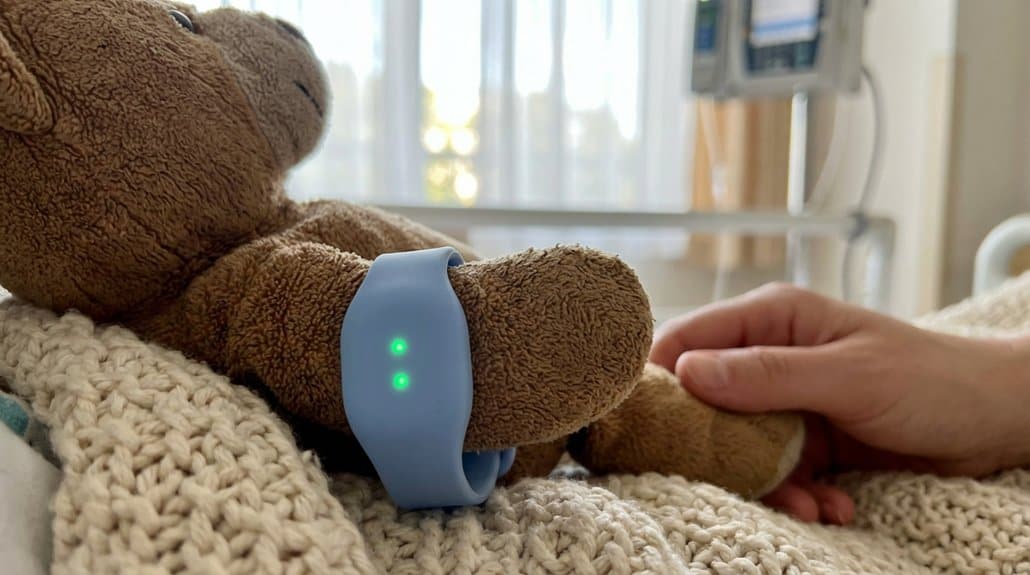
Vanderbilt University is running a study with $1.1 million from the National Science Foundation. Researchers are testing wrist sensors on children with intellectual disabilities to catch the warning signs of problem behaviors. The system tracks body movements, heart rate, and perspiration through shirt sensors. Machine learning does the heavy lifting. The goal? Spot the subtle cues that come before self-injury or aggression.
Think of it like an Apple Watch nudging you to stand up. Except this alerts therapists when a kid’s stress levels are climbing. The four-year study involves 20 participants across Vanderbilt and Nashville clinics during behavioral analysis sessions. The project represents interdisciplinary collaboration involving psychologists, behavior analysts, engineers, and community therapists working together.
Here’s the thing about digital pacifiers. They backfire spectacularly. JAMA Pediatrics research shows using screens to calm young children leads to developmental delays. Kids who get handed devices during tantrums show poorer anger management skills a year later. Boys especially struggle with emotional dysregulation when parents rely on this trick between periods 3 and 5. Children with hyperactivity and strong temperaments show increased susceptibility to device dependency when used as a calming tool.
The stats are brutal. 93% of parents report toddlers throwing tantrums when media use ends. Kids with difficult temperaments get devices more often when upset. It’s a vicious cycle.
Mobile devices are being investigated for tantrum tracking too. Contactless wearables can monitor respiration, heart rate, and sleep patterns in preschoolers. The tech aims to forecast meltdowns through physiological data. No touching required.
What actually works for calming kids? Sensory techniques. Swinging. Hugging. Trampoline jumping. Squishing putty. Listening to music. Looking at books. Sparkle jars. Talking about stuffed animals’ feelings when everyone’s calm. Setting timers for device use prevents the screaming-when-screen-time-ends problem.
Health professionals recommend avoiding tablets for emotion regulation training. International research backs this up. More device use correlates with reduced emotional coping over time.
The wearable approach pairs technology with actual intervention strategies. Therapists get alerts. Kids get real help. Nobody’s just handing over a glowing rectangle and hoping for the best.