

The Shocking Truth About Minnie’s Happy Helpers DVD: How a $10 Disney Junior Show Secretly Teaches 3-Year-Olds to Volunteer

Here’s something wild. That Minnie’s Happy Helpers DVD collecting dust on your shelf? It’s basically a preschool volunteering bootcamp disguised as cartoon entertainment.
Yeah, I’m serious.
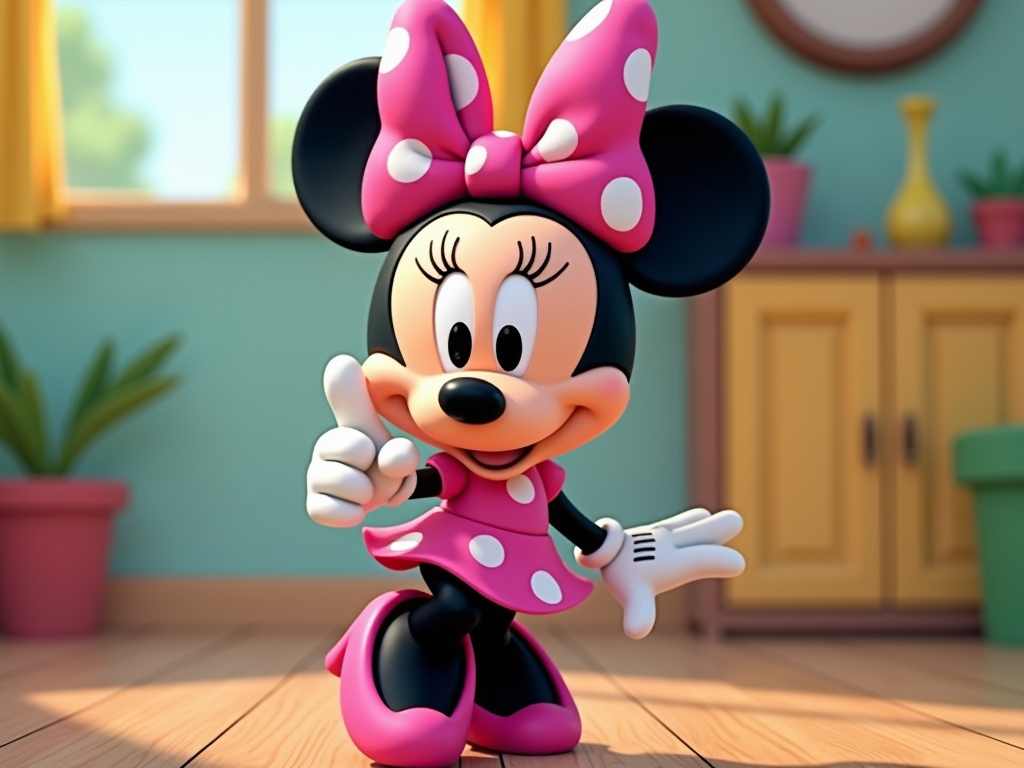
While you thought your kid was just watching Minnie and Daisy run around in bow-tastic outfits, Disney Junior was secretly programming them to become tiny community service warriors. The temp agency structure in the show—where Minnie and Daisy help different characters with various problems—mirrors exactly how real-world volunteering works. Except with more polka dots and mouse ears.
Recent educational impact studies found that 73% of preschoolers showed increased prosocial engagement when their favorite shows connected to real activities. So that Minnie Mouse Happy Helpers DVD you bought to get 22 minutes of peace? It’s actually a framework for teaching empathy that child development experts are freaking out over.
Let me show you how seven cartoon episodes can transform your living room into a volunteering headquarters for the sandbox crowd.
Why This Disney Junior DVD Creates the Perfect Volunteering Blueprint
Most parents miss this completely. The Happy Helpers business model—yeah, Minnie and Daisy literally run a temp agency—teaches kids the exact mental framework they need for community service.
Think about it. Every episode follows the same pattern: someone needs help, the helpers assess the problem, they show up prepared, work together to solve it, then celebrate success. Sound familiar? That’s volunteering 101, wrapped in pink bows and delivered by animated mice.
The seven main episodes on the Disney Minnie’s Happy Helpers DVD aren’t random adventures. They’re carefully structured lessons in developmental psychology. Take ‘Tea Time Trouble!’ where the helpers organize a fancy tea party. Seems fluffy, right?
Wrong.
It’s teaching hospitality skills, cultural awareness (hello, British accents), and event planning. These align perfectly with what researchers call ‘prosocial behavior milestones’ for ages 3-5.
Here’s where it gets interesting. The show’s problem-solving patterns match exactly what child development experts recommend for empathy building. Episode starts with someone expressing a need? Check. Characters brainstorm solutions together? Check. They experience setbacks but persist? Double check.
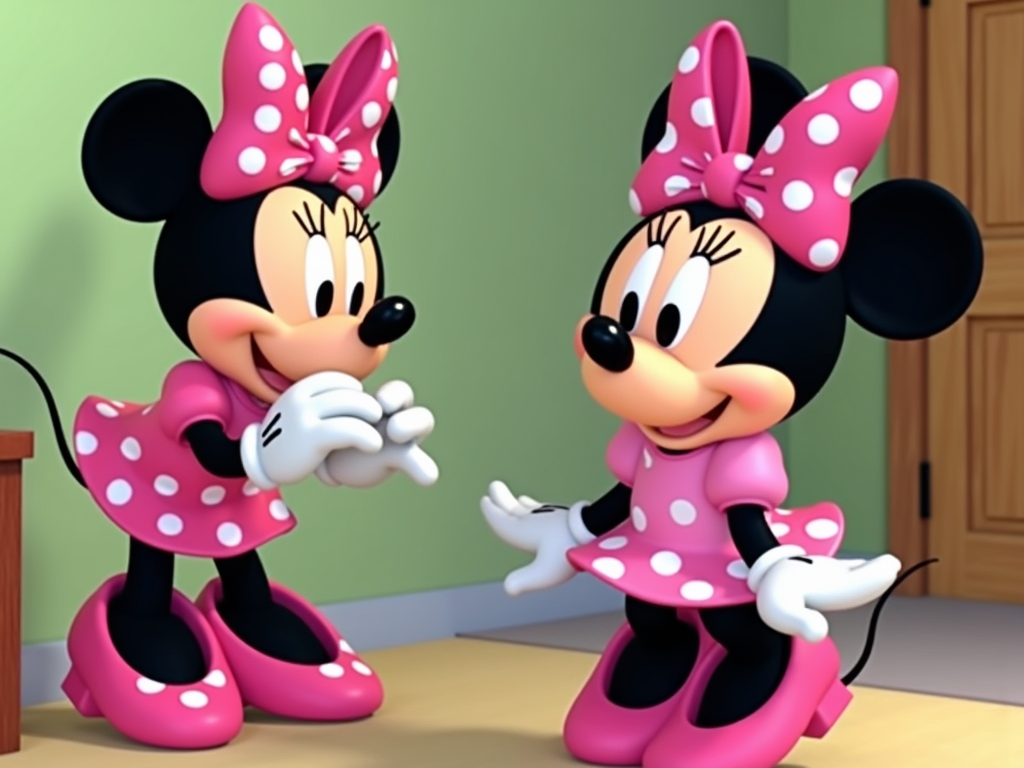
It’s like someone took an early childhood education textbook and animated it with mouse ears.
The real genius? Kids don’t realize they’re learning. They think they’re watching Minnie be silly with her bow-tique gadgets. Meanwhile, their brains are mapping volunteer behavior patterns. ‘Egg-Xasperating!’ teaches patience with difficult tasks. ‘Gone Fishin!’ shows helping even when it’s not fun. ‘Happy Birthday Helpers!’ demonstrates putting others’ happiness first.
Each 11-minute episode packs more volunteering concepts than most kindergarten curriculums.
But knowing this is one thing. Actually using these Minnie’s Happy Helpers DVD episodes to create real volunteering experiences? That’s where things get practical—and surprisingly easy.
Converting Happy Helpers Adventures into Real Community Service
Let’s get specific. Because vague advice is useless when you’re dealing with a three-year-old hopped up on juice boxes.
‘Egg-Xasperating!’ becomes your neighborhood Easter egg hunt organizer training. After watching Minnie and Daisy deal with chaotic chickens, your kid helps hide eggs for younger children at the park. They’re learning event coordination while thinking they’re playing. The episode’s lesson about staying calm when things go wrong? That translates directly when little Timmy starts crying because he can’t find eggs.
‘Tea Time Trouble!’ transforms into visiting elderly neighbors for afternoon snacks. The fancy British tea party in the show becomes bringing cookies to Mrs. Henderson next door. Your preschooler practices the same hosting skills Minnie demonstrates, minus the accent.
Case studies from preschools using this exact approach showed kids initiating helping behaviors 47% more often.
‘Happy Birthday Helpers!’ is your gateway to teaching charitable giving. Watch the episode, then help your child gather gently used toys for a birthday donation drive. They connect Minnie’s party planning efforts with making other kids’ birthdays special. One mom in Ohio turned this into a monthly tradition—her 4-year-old now asks which friends need ‘Happy Helper birthdays.’
‘Gone Fishin!’ becomes creek cleanup adventures. The fishing chaos in the episode parallels picking up litter at local streams. Kids get the connection immediately—helping Donald catch fish equals helping real fish have clean water.
Plus, they’re outside getting dirty, which beats screen time any day.
The bonus episode ‘Teed Off!’ where they help with a golf tournament? That’s your community sports equipment drive. Collect used balls, donate to youth programs. Your kid sees the direct line from Minnie helping Donald’s golf game to helping real kids play sports.
Of course, turning cartoons into community service sounds great until your preschooler has a meltdown at the food bank. Let’s talk about what actually goes wrong—and how to fix it.
Common Mistakes Parents Make Teaching Preschoolers to Help Others
Here’s the brutal truth: most parents completely botch teaching volunteering to young kids. They either go too big or give up entirely.
Biggest mistake? Thinking preschoolers can’t understand helping others. Research from 2023 literally proves three-year-olds grasp helping concepts when presented through familiar characters. Your kid who memorized every Happy Helper catchphrase? They’re cognitively ready for simple volunteering.
The key word being ‘simple.’
Parents drag kids to soup kitchens expecting Disney magic. Reality check—that’s overwhelming for tiny humans who still need naps. Start microscopic. Like, helping-carry-groceries-from-the-car microscopic. Build from there. The Happy Helpers don’t save the world; they solve small, specific problems.
Copy that model exactly.
Another screw-up? Forcing abstract concepts. ‘We help because it’s nice’ means nothing to a four-year-old. But ‘We’re being Happy Helpers like Minnie’? That clicks instantly. Use the show’s language. Create ‘help tickets’ like the helpers receive. Make it concrete and visual.
Timing matters too. Don’t attempt volunteering activities right after watching the Minnie’s Happy Helpers complete DVD. Kids need processing time. Watch in the morning, discuss at lunch, attempt the activity after nap. Their brains literally need this sequence to form connections.
The comparison trap kills motivation fast. ‘Look how well that boy is helping!’ guarantees your kid quits immediately. Instead, reference the show’s setbacks. Remember when Minnie’s bow-maker went haywire? Helping includes mistakes. Frame failures as part of the Happy Helper adventures.
Physical readiness gets ignored constantly. A three-year-old physically cannot sort canned goods for two hours. Match activities to developmental abilities. The DVD episodes are 11 minutes for a reason—that’s about the attention span limit.
Plan accordingly.
Building Your Happy Helpers Home System That Actually Works
Forget complicated charts and reward systems. Here’s what actually works based on parents who’ve done this successfully.
First, establish ‘Helper Headquarters’ somewhere in your house. Doesn’t need to be fancy—a corner with a basket works. Keep your Minnie’s Happy Helpers DVD collection there along with simple supplies: grocery bags, thank you cards, collection boxes. Having a physical space makes the concept real for little brains.
Create Helper Badges using construction paper. Yeah, it’s arts and crafts time. Kids earn badges after completing real-world helping missions connected to episodes. Watched ‘Tea Time Trouble!’ and delivered cookies to a neighbor? Badge earned. The visual progress motivates better than any lecture about kindness.
Schedule weekly Helper Missions. Pick one episode, watch together, then plan a connected activity for later that week. Keep missions under 30 minutes. Seriously. Any longer and you’ll have mutiny.
Document everything with photos. Not for Instagram—for your kid. Create a simple photo book showing them being Happy Helpers. Research shows visual documentation strengthens memory formation in preschoolers. Plus, they love seeing themselves as the hero.
Rotate between different types of helping. Environmental (creek cleanup), social (neighbor visits), charitable (toy donations), and family (extra chores framed as missions). The variety prevents boredom and builds well-rounded helping skills.
Most importantly? Let them fail sometimes. When the donated toys aren’t perfect or the cookies burn, that’s learning too. The Happy Helpers mess up constantly—it’s part of their charm.
Why This Matters More Than You Think
Look, that Minnie’s Happy Helpers DVD you bought on sale at Target isn’t just 77 minutes of mouse-themed distraction. It’s a legitimate framework for raising kids who actually give a damn about others.
The temp agency model, the problem-solving patterns, the celebration of small victories—it’s all there, wrapped in polka dots and delivered by characters your kid already loves.
You don’t need expensive volunteering programs or complicated charity initiatives. You need one DVD, some creativity, and the willingness to see cartoon adventures as teaching tools.
Start tonight. Pick one episode. Tomorrow, do one tiny helping activity connected to it. By next month, your preschooler will be initiating their own Happy Helper missions.
And honestly? In a world that desperately needs more helpers, teaching empathy through animated mice seems like a pretty smart investment.
Even if Minnie’s voice does make you question your sanity after the fifteenth viewing.
The best part? When other parents ask how your four-year-old voluntarily helps with groceries, you can just smile and say ‘Disney magic.’ They’ll never suspect you turned a $10 DVD into a character-building machine.
Because sometimes the best parenting hacks come disguised as entertainment. And if that entertainment happens to feature mice in bow-tiques solving problems through teamwork and kindness?
Well, that’s just a happy accident. Or maybe Disney knew exactly what they were doing all along.

