
The Chrysler Sesame Street Illusion: Why Your Dream Family Van Never Hit the Road

Here’s a truth bomb most parents don’t want to hear: that Chrysler Pacifica with Cookie Monster blue seats and an Elmo steering wheel? Never existed. Not in 2017. Not in 2019. Not ever.
Despite millions of Google searches and disappointed families stalking dealerships, the Chrysler Sesame Street partnership produced exactly zero themed vehicles. Just commercials. Marketing smoke that had families hunting for a product that lived only in their overactive imaginations.
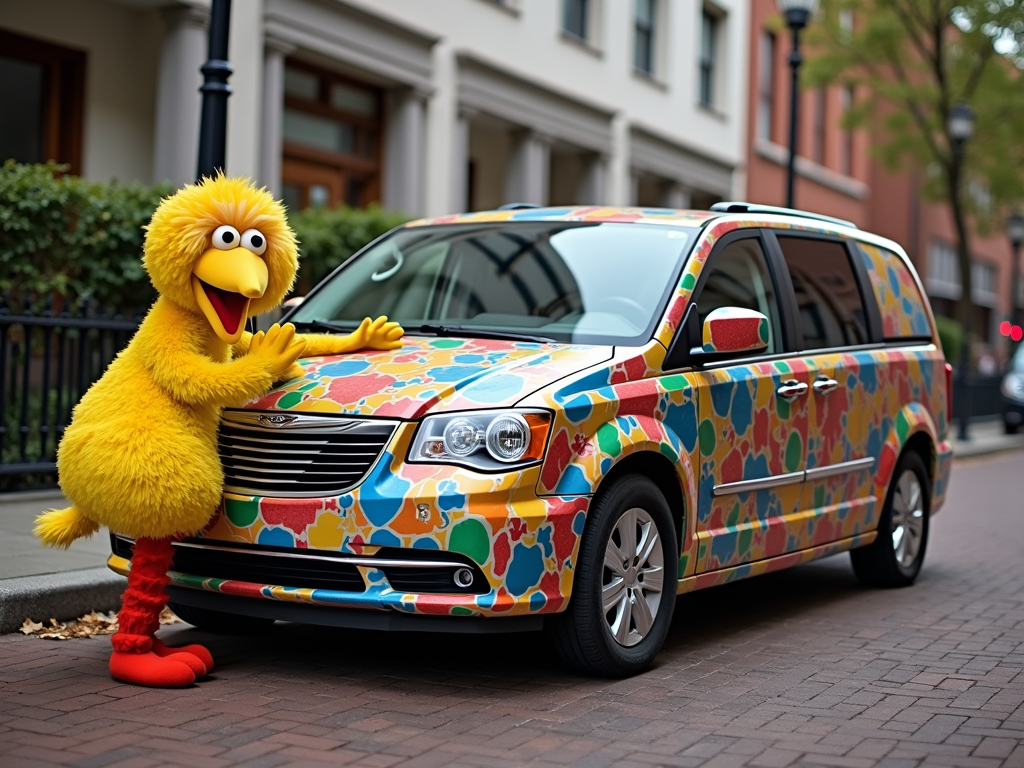
This isn’t just another corporate collaboration sob story. It’s a masterclass in how brand partnerships can create phantom products in consumers’ minds. And honestly? The real story of what Chrysler and Sesame Street actually traded is more twisted than any Big Bird-mobile could’ve been.
The Promise That Never Was: When Chrysler Met Big Bird
Back in 2017, marketing departments across America collectively lost their minds. Chrysler announced they were teaming up with Sesame Street. The internet exploded. Parents imagined rolling up to soccer practice in an Oscar the Grouch green Pacifica. Kids dreamed of road trips with Bert and Ernie headrests.
The announcement hit like crack cocaine for minivan-shopping families.
Chrysler’s press release talked about “bringing families together” and “supporting educational content.” Corporate speak for “we’re about to manipulate your emotions to sell minivans.” The commercial was everywhere. Cookie Monster demonstrating the Stow ‘n Go seating. Grover testing safety features. Big Bird barely squeezing into the third row.
Pure. Marketing. Gold.
But here’s where it gets sketchy. Nowhere in that original announcement did Chrysler actually promise a Sesame Street edition vehicle. Not one word about custom paint. Zero mentions of character-themed interiors. The press release focused entirely on Chrysler becoming a sponsor of Sesame Workshop’s educational programs.
That’s it. That’s the scam.
The commercial? A 60-second hallucination featuring the Chrysler Pacifica with Sesame Street characters as passengers. Elmo got pumped about the 360-degree camera. Cookie Monster discovered the built-in vacuum. Parents watching assumed themed vehicles were coming.
Chrysler’s marketing team? They knew exactly what they were doing.
They’d created something more powerful than a product. They’d created an expectation. And expectations are worth their weight in disappointed Google searches.
The Great Sesame Street Chrysler Hunt of 2017-2023
The search queries tell the whole pathetic story. “Chrysler Pacifica Sesame Street edition where to buy.” “Cookie Monster Chrysler release date.” “Sesame Street minivan dealership near me.” Thousands of variations. All leading to the same crushing disappointment.
Dealerships across America fielded calls from confused parents. Sales teams scrambled through product catalogs that contained exactly zero mentions of any Sesame Street vehicles. Some dealers got creative, suggesting aftermarket decals. Others just shrugged.
Here’s the kicker – Chrysler never technically lied. They just let everyone assume. The partnership was real. But it was a sponsorship deal, not a product collaboration.
Big. Freaking. Difference.
One puts characters in commercials. The other puts them in your driveway.
Producing a special edition vehicle costs stupid money. New molds for interior pieces. Licensing fees that would make Jeff Bezos blink. Production line changes. Dealer training. Inventory management nightmares. For a company still licking wounds from the 2009 bankruptcy? Yeah, right.
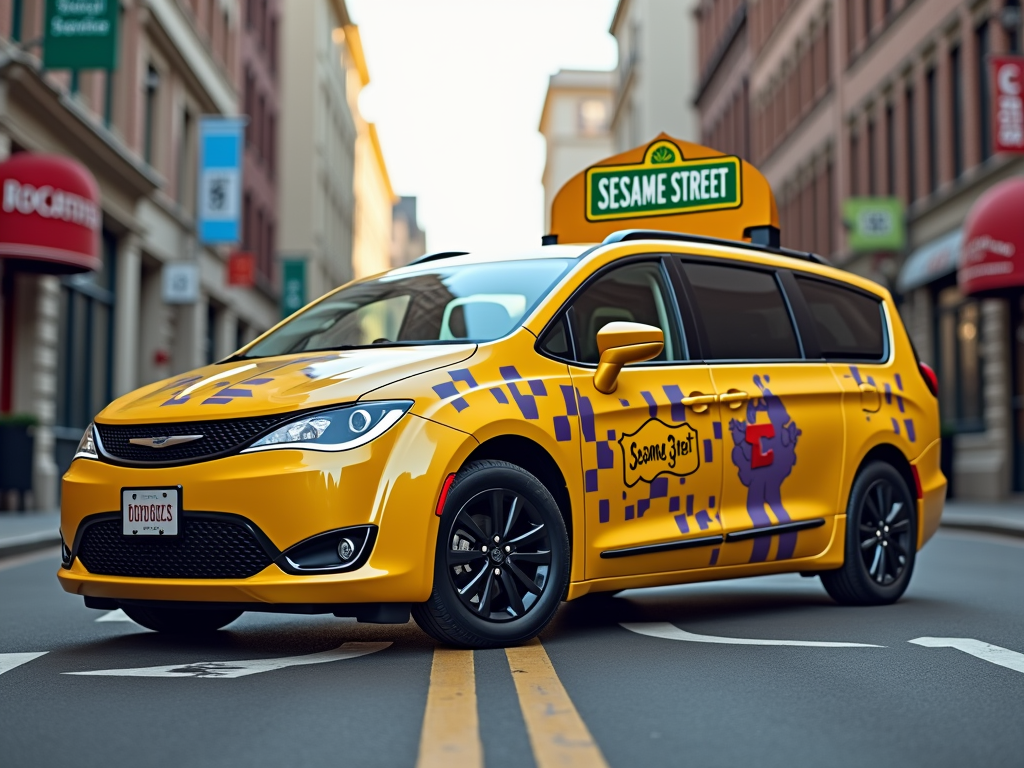
Instead, Chrysler got what they really wanted. Brand association without the overhead. Every time a parent saw that commercial, their brain connected “family-friendly” with “Chrysler.” Mission accomplished. No Grover blue paint required.
Meanwhile, the searches kept coming. Auto blogs published articles about the “upcoming” Sesame Street editions. Forums filled with speculation. Would there be built-in tablets playing episodes? Character voices for navigation? The Count counting your miles to empty?
None. Of. It. Was. Real.
But the searches kept coming. Even today, years later, people still hunt for these phantom vehicles. Check eBay. You’ll find sellers claiming to have “rare” Sesame Street Pacificas. They’re just regular minivans with $20 seat covers from Amazon.
Follow the Money: The Real Chrysler Sesame Street Deal
Time for some brutal honesty about how these partnerships actually work.
Chrysler didn’t wake up one day and decide to throw money at Big Bird. This was calculated. Strategic. And kind of evil genius.
What Chrysler actually bought: sponsorship rights for Sesame Street programming. Digital content support. Their logo at the end of episodes. Permission to use beloved characters in advertising. But most importantly? They bought trust. Fifty years of parental trust. That’s not something you can manufacture in a boardroom.
What Sesame Workshop got: cold hard cash to keep the lights on. Running a nonprofit educational media empire ain’t cheap. Sets cost money. Puppeteers need health insurance. Writers, directors, the guy who operates Oscar’s trash can – they all need paychecks.
The actual numbers? Chrysler reportedly committed millions over multiple years. Funding programs teaching kids about kindness, diversity, STEM. Not a bad trade for some commercial cameos.
But here’s the part that kills me – the missed opportunity. By not producing actual themed vehicles, Chrysler left serious money on the table. Parents would’ve paid stupid premiums for a genuine Sesame Street edition. The merchandise potential? Toy versions, accessories, branded car seats. Could’ve printed money.
Instead, they played it safe. Got the brand halo without product risk.
Other brands have done real vehicle collaborations. Disney and Hyundai actually delivered. Marvel editions exist. Hell, even Barbie got her own Volkswagen. But Sesame Street and Chrysler? All sizzle, no actual vehicle.
The Psychology of Phantom Products
Here’s where it gets dark. Chrysler knew exactly what they were doing. They understood something about human psychology that’s both brilliant and manipulative.
When you see characters you trust in a commercial with a product, your brain fills in gaps. It creates connections that don’t exist. It assumes things that were never promised.
Chrysler counted on this. They knew parents would see Cookie Monster in a Pacifica and assume they could buy one. They knew kids would beg for the Elmo car. They knew dealerships would field thousands of calls.
And they did it anyway.
Because disappointed customers who still associate your brand with beloved characters? That’s better than customers who don’t think about your brand at all.
The Sesame Street Chrysler collaboration wasn’t a failure. It was a masterclass in expectation manipulation. They created desire for a product that never existed. Made families dream about road trips in vehicles that were never built.
And the craziest part? It worked. Pacifica sales increased during the campaign. Parents bought regular Pacificas hoping to recreate the commercial magic. Some probably stuck Elmo dolls on the dashboard and called it close enough.
Why This Keeps Happening
The Chrysler Sesame Street phantom isn’t unique. Brands pull this constantly. They announce “partnerships” and “collaborations” that sound like products but aren’t.
Remember when everyone thought M&M’s was making a breakfast cereal? Or when Marvel “partnered” with that airline? Smoke and mirrors. Brand association without actual products.
Companies have figured out that the idea of a product can be more powerful than the product itself. Ideas don’t need inventory. They don’t require production lines. They just need clever marketing and consumers willing to fill in the blanks.
And we fall for it. Every. Single. Time.
Because we want to believe. We want that Cookie Monster minivan to be real. We want to buy experiences, not just products. So when brands dangle the possibility, we bite hard.
The Aftermath: Where Are We Now?
Six years later, people still search for Chrysler Sesame Street vehicles. Google Trends shows consistent queries. Forums still have threads asking where to find them. Parents who wanted them in 2017 now have kids old enough to Google it themselves.
The partnership itself? Long dead. Chrysler moved on to other marketing campaigns. Sesame Street found new sponsors. But the phantom vehicles? They live on in search results and disappointed expectations.
Some entrepreneurial types tried to fill the gap. Custom shops offered Sesame Street themed modifications. Etsy sellers created decal kits. But it’s not the same as a factory edition. Never will be.
The real legacy isn’t the vehicles that never existed. It’s the lesson about modern marketing. About how brands can create desire without creating products. About how our own assumptions become their best advertising.
The Bottom Line
Look, the Chrysler Sesame Street story isn’t really about missing minivans. It’s about the gap between marketing promises and actual products. It’s about how our brains create connections that companies never actually make.
Chrysler got their family-friendly image boost. Sesame Workshop got funding. Everyone won except the parents searching dealer lots for vans that existed only in their heads.
Next time you see a brand collaboration announcement, pay attention. Look for actual model numbers. Release dates. Where to buy. If those details are missing? You’re probably looking at another phantom.
The most powerful products might be the ones that never actually exist. They live in our hopes, powered by our assumptions. And honestly? Sometimes that’s exactly what companies are counting on.
The Chrysler Sesame Street vehicles join a long list of products we wanted but never got. Right next to the hoverboards from Back to the Future and those self-lacing Nikes that actually worked.
Except those Nikes? They eventually made those real. The Sesame Street Chrysler? Still waiting. Still searching. Still disappointed.