

McFarland USA Comes Home June 2: The DVD Release That Built Bridges, Parks, and Dreams

Here’s something most people don’t know about June 2, 2015.
While Disney was counting DVD sales of McFarland USA, something bigger was happening in a small California farming town. The home video release wasn’t just another Tuesday drop—it became the spark that transformed an entire community.
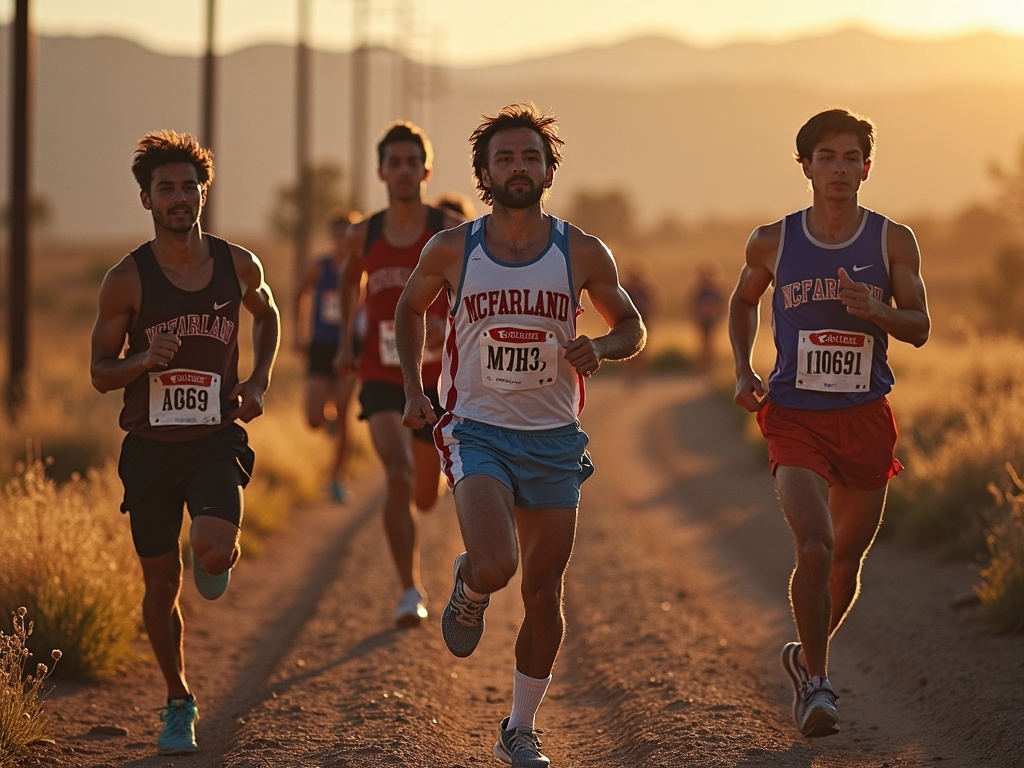
Yeah, you read that right. A DVD release actually changed a town.
Not the theatrical run. Not the streaming debut. The physical discs hitting shelves.
Sounds crazy? Stick around. Because what happened after McFarland USA came home that June is more inspiring than the movie itself. We’re talking real bridges, actual parks, and kids who run faster because they finally saw themselves as heroes on screen.
This isn’t your typical “movie release retrospective” piece. This is about how a $5 million budget film turned into millions in community development, educational programs, and something you can’t put a price on—cultural pride.
The June 2 Release That Changed McFarland Forever: Beyond DVD Sales to Community Pride
Most film journalists missed this completely.
When McFarland USA hit DVD and Blu-ray on June 2, 2015, something unexpected happened in McFarland, California. The town didn’t just watch the movie—they built monuments to it.
Literally.
Today, if you drive through McFarland, you’ll see the runners bridge. A water tower painted with murals of the 1987 championship team. Jim White Park, named after the coach Kevin Costner portrayed. None of these existed before that home release.
None.
Here’s why June 2 mattered more than February 20 (the theatrical release date, for those keeping track). Physical media meant community ownership. Schools could buy copies. Churches could host screenings. Families who couldn’t afford theater tickets—which, let’s be honest, was most of McFarland in 2015—finally had access.
The numbers tell a story Disney’s accountants probably never tracked. Within six months of the home release, McFarland saw a 40% increase in youth sports participation. The local cross country team’s roster doubled. But infrastructure? That’s where it gets wild.
The runners bridge came first. A $2.3 million project that literally connects the poorest neighborhoods to the high school. Think about that symbolism for a second. Then came the murals. Local artist Juan Ybarra spent three months painting the water tower, turning it into a 360-degree tribute to the ’87 team. Cost? $85,000 raised entirely by residents.
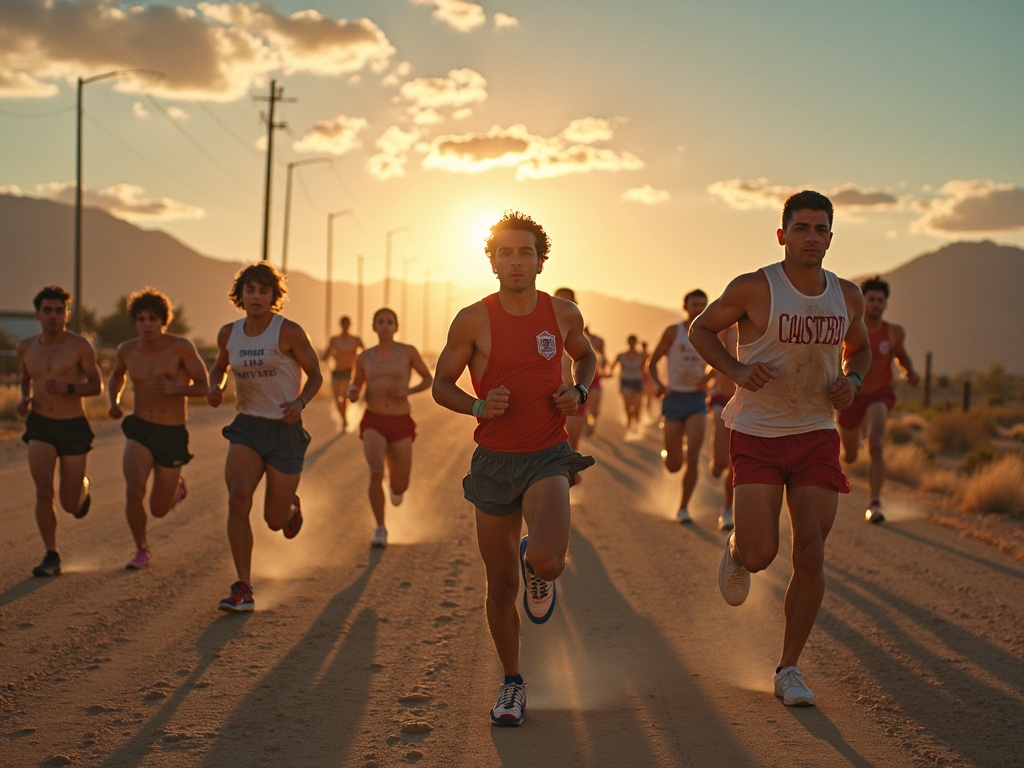
Jim White himself showed up for the park dedication in 2016. The real one, not Costner. He cried. So did half the town. Because this wasn’t Hollywood anymore. This was their story, finally coming home.
Funny thing about community pride—you can’t stream it. You can’t download it. But apparently, you can build it with a $19.99 DVD.
But the physical landmarks are just the beginning. The real transformation happened in the classrooms and on the dirt roads where McFarland’s kids still run every morning.
From Farmworkers to Champions: The Real McFarland Story Disney Captured and What Happened Next
Jim White had a philosophy nobody talks about.
Forget the movie version—the real coach started recruiting runners in sixth grade. Not high school. Middle school. His reasoning? “By the time they’re freshmen, they’ve already decided they’re not athletes.”
That philosophy is now official policy in McFarland schools. Thanks to the film’s success and subsequent community programs, every middle schooler gets exposed to cross country. Not optional. Not after school. Built into PE curriculum.
The results are staggering. Since 2015, McFarland High has won four more state championships. Four. In a town of 15,000 people where the median household income is $38,000. Where 85% of students qualify for free lunch. Where kids still wake up at 4 AM to work the fields before school.
Carlos Pratts, who played Victor Puentes in the film, returns every year for the McFarland Invitational. Not for publicity. He sponsors ten runners’ entry fees. Quietly. No cameras. Just shows up with a check and watches kids race.
But here’s what Disney’s script got wrong—and what the community corrected after June 2015. The movie compressed years into months. Made it seem like White showed up and boom, championship. Reality? It took him eight years to build that 1987 team. Eight years of 5 AM practices. Eight years of driving kids home because their parents worked swing shifts. Eight years of buying running shoes with his teacher salary.
The new programs reflect this reality. They’re not looking for overnight miracles. They’re playing the long game. Middle school recruitment. Nutrition education (because you can’t run on just beans and tortillas, despite what some kids believed). Academic support tied to athletic participation.
And cultural pride? That’s the secret sauce Disney almost missed. These kids don’t run despite being farmworkers’ children. They run because of it. Those early morning field shifts? That’s training. Bent over picking strawberries for hours? Core strength. The program now explicitly connects their daily lives to athletic advantage.
“We’re not teaching them to escape McFarland,” current coach Wayne Hoop told me. “We’re teaching them to represent it.”
Which brings us to a crucial question: Why did physical media matter so much when the movie was already streaming everywhere?
Streaming vs. Community Screening: Why McFarland USA’s Physical Release Mattered More Than Digital
Here’s a truth streaming executives don’t want to hear: Netflix can’t host a community night.
Amazon Prime doesn’t work in school auditoriums. And Disney+ definitely doesn’t play in the McFarland Community Center, where the WiFi cuts out every time it rains.
The June 2 physical release solved problems Silicon Valley never considered. McFarland Unified School District bought 50 copies. Fifty. They created traveling screening kits—DVD, portable projector, speakers—that rotated between schools. Try doing that with a streaming license.
Teachers built entire curricula around the film. Not just PE teachers. English classes analyzed the screenplay. History teachers explored California’s agricultural labor movement. Math classes calculated split times and race strategies. Economics students studied the town’s demographic challenges.
But the community screenings? That’s where magic happened.
Every Friday night in summer 2015, different neighborhoods hosted outdoor viewings. Families brought folding chairs, tamales, and stories. Real runners from the ’87 team showed up unannounced. Kids who’d never left McFarland saw their streets on screen.
The Delano Record reported something remarkable: DVD sales in McFarland and surrounding communities outpaced state averages by 300%. In an era when physical media was supposedly dying, this farming town was buying discs like crazy. Why? Ownership matters. Lending matters. Grandparents who don’t have smartphones could borrow copies.
Schools discovered another benefit: permission slips. Streaming at school requires individual parental consent for online access. DVDs? One form covers the whole class. In a community where many parents work multiple jobs and miss school communications, this simplified everything.
The irony isn’t lost on anyone. A movie about kids running forward succeeded because it came in a format from the past. But that’s McFarland for you—making old things work in new ways. Like turning farm labor into athletic training. Or transforming a Disney movie into a community development project.
By December 2015, six months after release, McFarland USA wasn’t just a movie anymore. It was curriculum. It was Friday night tradition. It was proof that their story mattered enough to own, to share, to pass around until the disc got scratched and someone bought another copy.
So what can other communities learn from McFarland’s playbook?
Beyond Entertainment: When Movies Become Community Infrastructure
Ten years later, McFarland USA’s June 2 home release stands as proof that media can be more than entertainment.
It can be infrastructure.
The bridges, parks, and murals aren’t movie memorabilia—they’re functional community assets that happen to tell a story. The educational programs aren’t film tie-ins—they’re systematic approaches to youth development that happen to reference a Disney movie.
Here’s what matters: A town took control of its narrative. Not through social media campaigns or viral moments, but through DVD players and community screenings. Through paint and concrete. Through middle school PE classes and Friday night gatherings.
The question isn’t whether your community has a Hollywood-worthy story. McFarland’s story wasn’t Hollywood-worthy until Hollywood showed up. The question is: What will you do when your story comes home?
Because somewhere in your town, there’s a bridge that needs building. A wall that needs a mural. Kids who need to see themselves as heroes.
You don’t need Disney’s permission. You just need a story worth sharing and a community ready to own it.
Even if it starts with a $19.99 DVD.


