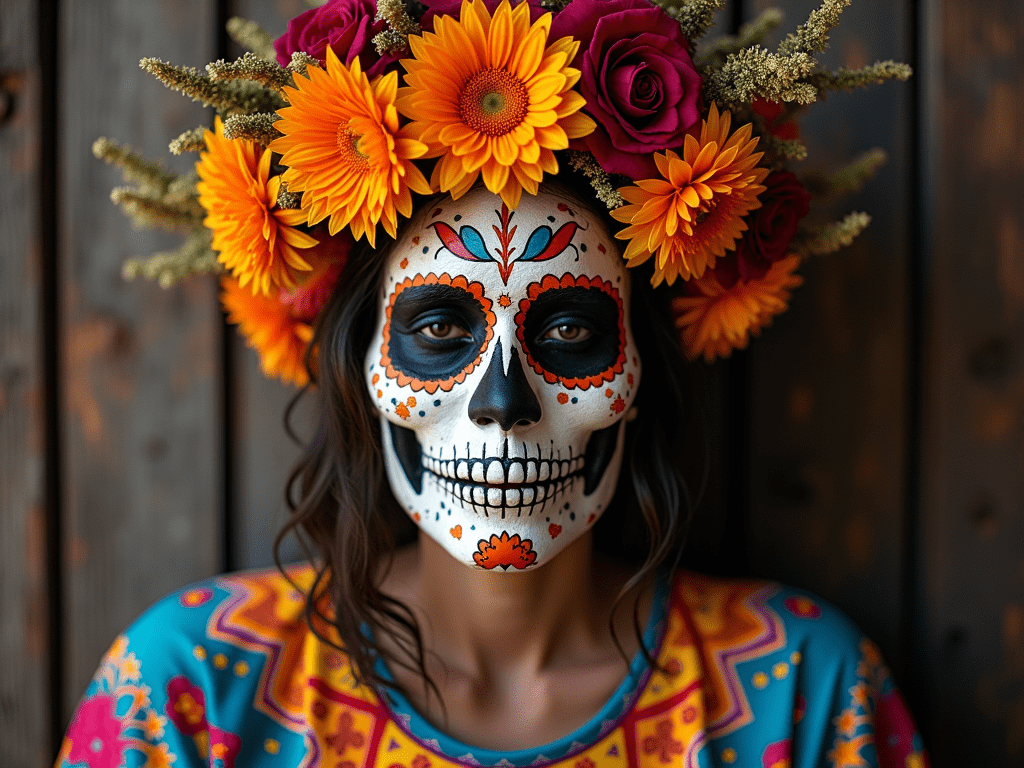
The Hidden History of Dia de los Muertos: How Mountain Villages Preserved Ancient Death Rituals Spain Tried to Erase

Here’s something most people don’t know about Dia de los Muertos history.
It’s not one celebration. Never was.
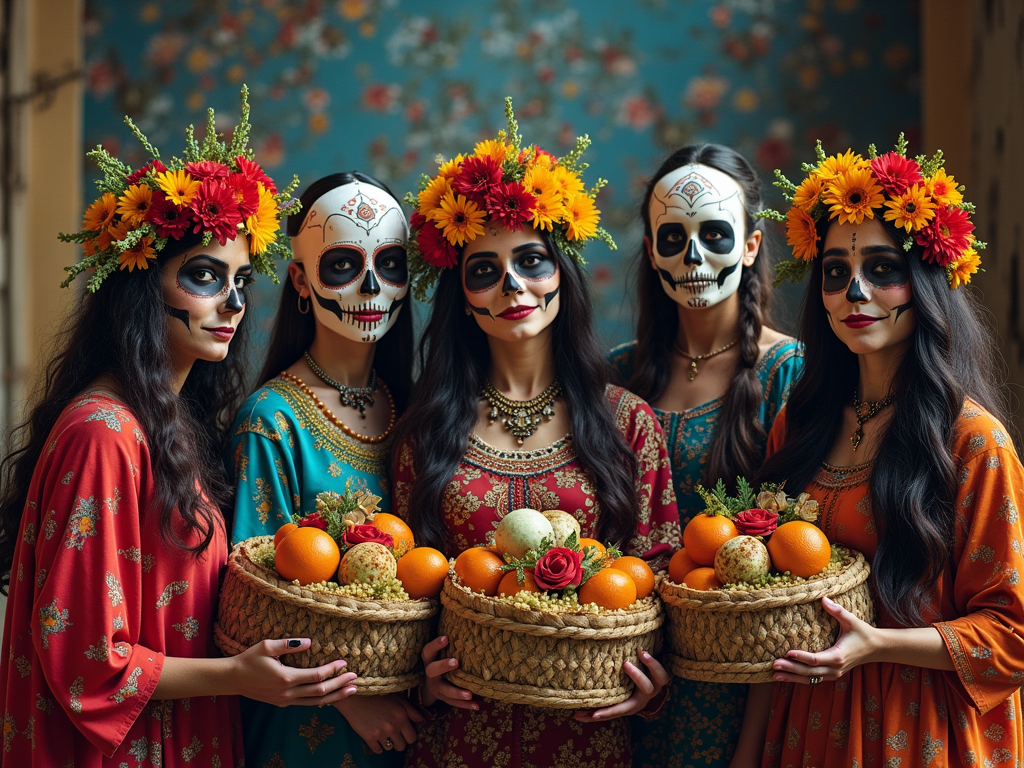
While tourists flood Oaxaca’s cemeteries and Mexico City fills with paper marigolds, something entirely different happens in places you’ve never heard of. Places where mountains kept missionaries out. Where lakes made Spanish horses useless. Where indigenous communities still perform nine-day death rituals that would make Catholic priests nervous.
UNESCO recognized Dia de los Muertos in 2008, but they got it wrong. They described one version—the pretty one, the Instagram one.
Meanwhile, in Janitzio Island, the Purépecha still guide souls across water the way their ancestors did 500 years ago. In remote Zapotec villages, they’re crossing invisible rivers that match Aztec day of the dead history so precisely it makes archaeologists uncomfortable.
This isn’t about sugar skulls and face paint. This is about how geography saved pre-Columbian death rituals from extinction. About regional differences so different they’re basically separate religions. About what happens when global recognition starts killing the very traditions it’s trying to save.
The Geographic Guardians: How Mountains and Lakes Protected Ancient Mesoamerican Death Rituals
Lake Patzcuaro didn’t just separate Janitzio Island from the mainland. It separated two different universes of death.
Spanish missionaries reached most of Mexico by the 1520s. They brought horses, steel, and a very specific idea about how dead people should be remembered. Two days. All Saints. All Souls. Done.
But Janitzio? The lake kept them out until the 1700s.
That’s 200 years of indigenous death rituals evolving on their own. Recent ethnographic studies found something wild. The Purépecha on Janitzio still do a nine-day death journey. Nine days. Not two. Each day represents a different challenge the soul faces. Crossing rivers. Finding guides. Negotiating with death gods.
It’s nothing like the Catholic version. Nothing.
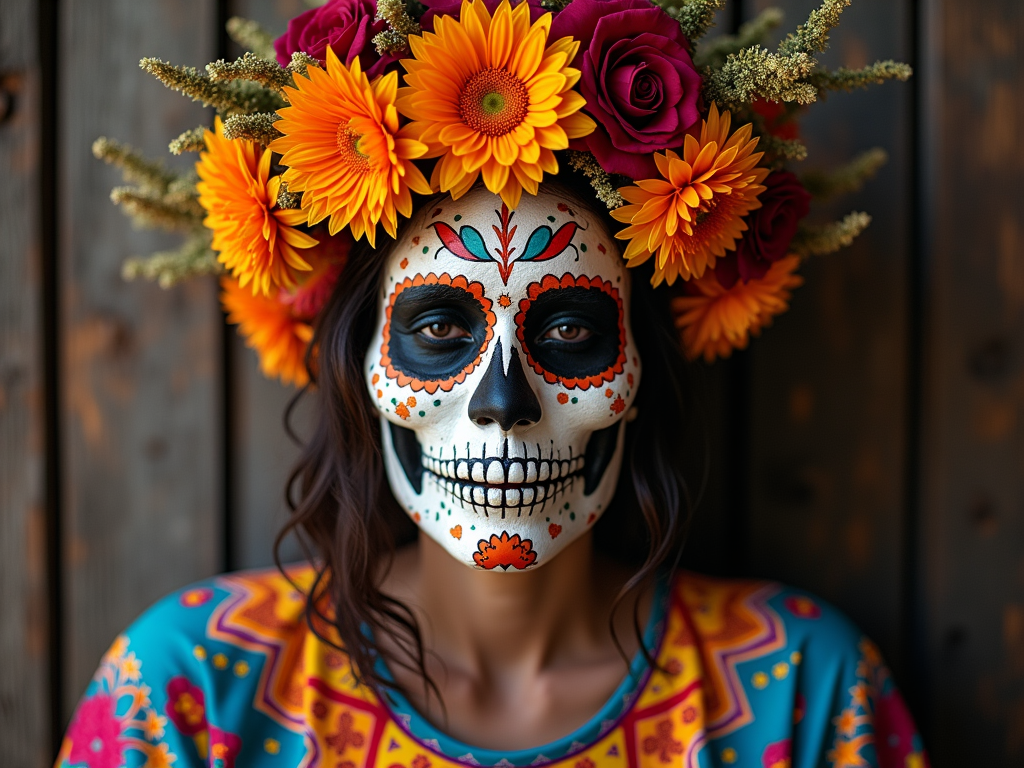
The Sierra Norte mountains did the same thing for Zapotec communities. Spanish horses couldn’t handle those paths. Missionaries gave up. So while Mexico City was building baroque churches, mountain villages kept performing water-crossing rituals that archaeologists now recognize from 1,000-year-old codices.
Here’s the kicker. These aren’t “influenced by” pre-Columbian practices. They ARE pre-Columbian practices. Unchanged. Geographic isolation didn’t dilute these dia de muertos prehispanic origins—it preserved them like insects in amber.
The Purépecha word for their death ceremony isn’t even translatable to Spanish. It references concepts Spanish doesn’t have words for. That’s how separate these traditions stayed.
Modern roads finally connected these communities in the 1960s. By then, their death rituals had become so distinct from mainstream Dia de los Muertos that anthropologists initially thought they were studying completely different holidays.
They kind of were.
But here’s where it gets really strange. These isolated communities weren’t just preserving random death rituals. They were unconsciously maintaining a map of the Aztec afterlife.
Mictlan’s Living Map: Regional Variations That Mirror Aztec Death Beliefs
The Aztecs believed dead souls traveled through nine levels of Mictlan. Nine specific challenges. Nine geographic features. Most historians assumed this cosmology died with the empire.
They were wrong. Dead wrong.
In Oaxaca’s Zapotec communities, families still perform a water-crossing ritual on the first night of November. They build tiny rafts. Light them with candles. Float them across streams. Archaeologists compared this to Aztec codices and nearly lost their minds.
It’s identical to the Chicunauhapan river crossing—the first challenge souls face in the mictlan aztec underworld. Down to the smallest details. The rafts. The timing. The prayers.
But Oaxaca only preserved level one.
Travel to Michoacán, and you’ll find something else. Dogs. Specifically, hairless Xoloitzcuintli dogs. Families there still believe these dogs guide souls through the afterlife. Guess what? That’s level two of Mictlan. The place where souls meet Xochitonal, the spiritual dog guide.
Different regions. Different levels. Like scattered pieces of an ancient map.
The Huasteca region maintains wind rituals—level three, where souls face cutting winds. Parts of Guerrero preserve jade offerings—level six, where hearts are removed by obsidian winds.
No single community has all nine levels. But collectively? The entire cosmic geography of Mictlan survived. Just scattered across Mexico like a supernatural jigsaw puzzle.
Here’s what makes archaeologists sweat. These communities had no contact with each other during the colonial period. No way to coordinate. Yet each preserved their specific piece of aztec day of the dead history with frightening accuracy.
The implications are staggering. It suggests pre columbian death rituals were so deeply embedded that 500 years of Catholicism couldn’t fully erase them. They just went underground. Surfaced in different places. Waited.
Then UNESCO showed up in 2008. What happened next might be the biggest threat these traditions have faced since the Spanish conquest.
The UNESCO Effect: How Recognition is Both Preserving and Homogenizing Traditional Dia de los Muertos Practices
UNESCO meant well. They really did.
Recognizing Dia de los Muertos as Intangible Cultural Heritage seemed like protection. Preservation. A cultural win. Except they described one version. The photogenic version. Sugar skulls history meaning. Marigolds. Two-day celebration. Face paint. The version that looks good on travel brochures.
Now here’s the problem. UNESCO recognition brings tourists. Tourists bring money. Money changes everything.
Take Patzcuaro day of dead history. Traditional Purépecha families used to hold eight-day vigils. Eight days of specific rituals, each with different meanings. Now? The tourist board convinced most families to compress everything into November 1st and 2nd. Match the UNESCO dates. Make it convenient for hotel bookings.
The eight-day vigil is dying. Literally.
Data from Mexican cultural agencies is brutal. In 2008, 73% of Patzcuaro families practiced extended vigils. By 2023? 31%. That’s cultural extinction in real-time.
But some places resist.
The Sierra Norte communities told UNESCO to get lost. Well, more politely.
They still perform their death rituals according to lunar calendars, not the Catholic calendar. Some years that’s October. Some years it’s November. Depends on the moon (for deeper insights into how lunar and planetary influences shape spiritual practices, explore Mystica.ro).
Try explaining that to tour operators.
The homogenization is subtle but everywhere. Regional face paint designs—each with specific meanings—replaced by generic calavera makeup. Traditional foods abandoned for pan de muerto origins because tourists expect it. Ancient funeral dirges swapped for mariachi because it’s more “festive.”
Indigenous communities face an impossible choice. Maintain authentic dia de muertos cultural significance and stay poor. Or modify them for tourist consumption and watch centuries of meaning dissolve.
Some found a middle path. They perform tourist-friendly celebrations in public squares while keeping real cemetery traditions dia de muertos private. It’s cultural code-switching. Survival.
Understanding these regional differences dia de muertos isn’t just academic curiosity. It’s the key to experiencing day of the dead origins as more than cultural tourism.
The Real History of Mexican Day of the Dead: What This Means Today
Dia de los Muertos was never one thing. It’s dozens of different death traditions wearing a convenient label.
While Mexico City celebrates with parades and Oaxaca fills with tourists, the real story lives in places Google Maps barely knows. Islands where nine-day soul journeys continue. Mountains where moon cycles matter more than calendars. Villages unconsciously preserving pieces of Aztec death maps.
The tragedy isn’t that these traditions might disappear. It’s that they’re being replaced by sanitized versions of themselves. UNESCO recognition became a blueprint for cultural homogenization. Tourism dollars incentivize performance over practice.
But knowing this changes everything.
Next time you see contemporary dia de los muertos content, ask which version you’re seeing. The Instagram one? Or the one that made Spanish priests fail their conversion quotas?
The difference matters.
Because somewhere in the Sierra Norte tonight, a Zapotec family is crossing an invisible river. Just like their ancestors did when Tenochtitlan still stood. That’s the evolution of dia de los muertos worth preserving.
The syncretism day of the dead we see today? It’s not the blending most people think. It’s fragments of something much older, much stranger, scattered across a country and reassembling itself in ways that would terrify colonial authorities.
Good.