
The Hospital Bag Trap: Why 80% of What You Pack Won’t Even Leave Your Suitcase

Sarah’s hospital bag weighed 23 pounds. She’d spent three weeks curating the perfect packing list, buying travel-sized everything, rolling onesies into perfect little cylinders.
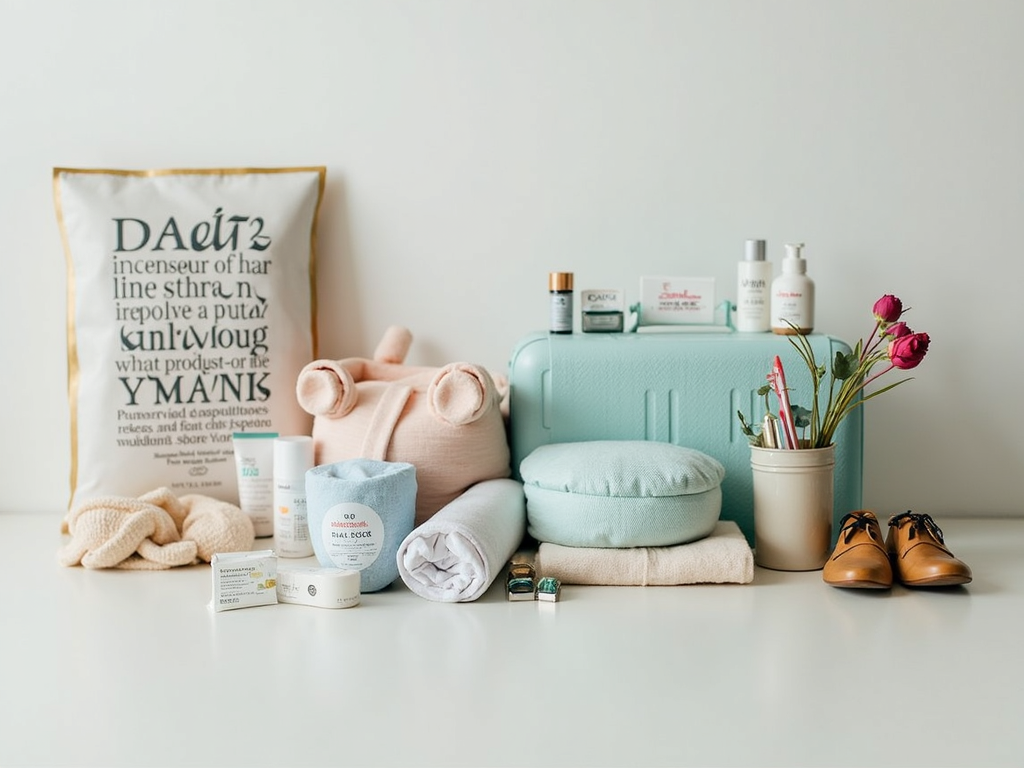
Two days after giving birth, she laughed—actually laughed—when the nurse helped her repack. Twenty-one pounds of that bag never left the corner of her recovery room.
Sound familiar?
Here’s the thing nobody tells you: mothers report overpacking as their number one hospital stress factor. Not labor pain. Not sleep deprivation. The damn hospital bag.
And get this—recent data shows 15% of valuables brought to births end up lost or misplaced. We’re literally hauling stress into our delivery rooms, five unnecessary pounds at a time.
The irony? Hospitals provide 80% of what you actually need. Those 47-item packing lists floating around Pinterest? They’re selling you anxiety, packaged as preparation.
The Hidden Cost of Hospital Bag Overpacking: What 2024 Data Reveals
Let me paint you a picture. It’s 3 AM, you’re in active labor, and your partner is frantically digging through a 30-pound duffel bag trying to find your favorite lip balm.
Meanwhile, three identical tubes sit in the hospital’s supply drawer, free for the taking.
This isn’t preparedness. It’s madness.
The numbers from 2024 hit different. Surveyed mothers reported overpacking as their top hospital stress factor—above dealing with visitors, above recovery pain. We’re so worried about having the perfect hospital bag that we’re creating additional stress during one of life’s most intense experiences.
On average? Five pounds of completely unused items. That’s like hauling a bag of flour to your delivery room. For fun.
But wait, it gets worse.
The Vanishing Valuables Problem
Hospital security data paints an ugly picture: 15% of valuables brought to births disappear. Your grandmother’s bracelet for ‘good luck’? Your expensive watch to ‘time contractions’? They’re sitting ducks in a high-traffic environment where rooms change shifts every 12 hours.
Doors rarely lock. Staff comes and goes. Visitors wander.
I watched a mom lose her wedding ring during an emergency C-section transfer. She’d packed it ‘just in case’ she wanted to wear it for photos. Never saw it again. The hospital couldn’t help—too many people, too much chaos.
The psychological impact? Brutal.
Environmental psychology research shows that clutter—yes, even organized clutter in a perfectly packed bag—increases cortisol levels. You know what you don’t need during labor? Extra cortisol. Your body’s already producing plenty, thanks.
Here’s what kills me: we’ve turned packing into performance art. Instagram-worthy hospital bag layouts. Color-coded packing cubes. Monogrammed everything.
Meanwhile, actual labor and delivery nurses are rolling their eyes, knowing you’ll use maybe three things from that Pinterest-perfect setup.
So what exactly is hiding in those hospital supply closets that makes most of our packing lists obsolete?
The 80/20 Hospital Supply Rule: What Your Hospital Already Provides
Brace yourself for this truth bomb: hospitals aren’t hotels, but they’re not prison camps either. They stock everything—and I mean everything—needed to keep you and your baby alive and relatively comfortable.
Diapers and Baby Supplies
Diapers? The hospital has cases of them. Literally cases. Newborn and size 1, because babies don’t read sizing charts. Those 40 newborn diapers you lovingly packed? Leave them home. The hospital will send you home with extras anyway.
Swaddles, hats, basic onesies, receiving blankets—all provided. Those three going-home outfits in newborn, 0-3 months, and 3-6 months because ‘you never know how big the baby will be’?
Pick one. Pack one. Done.
The Postpartum Supply Goldmine
Sanitary pads? Oh honey, the hospital has pads that make your store-bought ones look like panty liners. We’re talking industrial-strength, NASA-engineered, specifically designed for postpartum bleeding.
Those overnight pads you bought? Adorable. Useless, but adorable.
Medications and medical supplies are where hospitals really shine. Tucks pads, dermoplast spray, that weird but magical peri bottle—everything. That $75 postpartum care kit from Amazon? The hospital version is free and often better.
The mesh underwear alone is worth the price of admission. Revolutionary stuff.
Basic Toiletries Nobody Talks About
Most hospitals stock toothbrushes, toothpaste, shampoo, body wash, and lotion. Not fancy stuff—we’re talking dollar store quality—but it works.
That 15-piece toiletry kit you assembled? You’ll use your own toothbrush and maybe deodorant. The rest stays packed.
Here’s the kicker: many hospitals now provide a detailed list of their amenities if you just ask. But do we ask? No. We panic-shop at 3 AM instead, convinced we need travel-sized everything.
One labor and delivery nurse told me she estimates 60% of what patients pack duplicates what’s already in the room. Sixty percent. That’s not preparation—that’s paranoia dressed up as responsibility.
Now that we know what not to pack, let’s steal some tricks from the people who’ve mastered packing light.
The Minimalist Mother’s Method: Travel Packing Science Meets Labor Prep
Ever notice how experienced travelers can live out of a carry-on for two weeks, but first-time moms pack like they’re moving permanently to the hospital?
There’s a science to this madness.
The Three-Outfit Reality Check
The capsule wardrobe concept? Game-changer for hospital packing. You need exactly three outfits:
- What you wear to the hospital
- What you labor in
- What you wear home
That’s it. Not seven ‘just in case’ options. Three.
Pick dark colors. Stretchy fabrics. Clothes you won’t cry over if they get ruined. Because they might. Blood, amniotic fluid, and mystery stains happen.
The One-Bag Rule That Changes Everything
Environmental psychology research confirms what minimalists already know: reduced visual clutter decreases stress hormones and improves decision-making.
You know when you really need clear decision-making? When you’re dilated to seven centimeters and trying to remember breathing techniques. Not when you’re searching through six identical nursing bras for the ‘right’ one.
Here’s the minimalist secret: everything should have a singular purpose and a specific home.
Phone charger? One, with a 10-foot cord so you can reach any outlet. Snacks? Three types, max—something salty, something sweet, something filling. All non-perishable.
Entertainment? Your phone. That’s it.
Books, tablets, and puzzles are fantasy. You’ll either be in active labor, exhausted, or holding a baby. There’s no leisurely reading time in this equation.
The one-bag travel rule applies: if it doesn’t fit in a single, carry-on sized bag, you’re overpacking. Period.
Real Results from Real Mothers
I watched a mom pack using this method. Her entire hospital bag weighed eight pounds. Eight! She used everything she brought, could find any item in under 30 seconds, and didn’t lose a single valuable.
Why? Because she didn’t bring any.
Her roommate? Three bags, 35 pounds, used maybe four items total. Spent half her stay organizing and reorganizing, stressed about her stuff instead of focusing on recovery.
The mental clarity that comes from packing light is real. When you’re not worried about your stuff, you can focus on what matters—bringing a tiny human into the world.
Revolutionary concept, right?
Here’s Your Wake-Up Call
That overstuffed hospital bag isn’t making you prepared—it’s making you paranoid.
You now know the truth. Hospitals provide 80% of what you need. Valuables disappear 15% of the time. Those Pinterest-perfect packing lists? Anxiety wrapped in pretty packaging.
Want real preparation? Call your hospital today. Right now. Ask for their specific list of provided supplies. Then pack like a minimalist traveler, not a doomsday prepper.
One bag, under 10 pounds, zero valuables worth losing.
Your goal isn’t to pack for every possible scenario. It’s to show up ready to have a baby, not move in permanently.
Trust me—and the hundreds of moms who learned this the hard way—you’ll thank yourself when you’re leaving the hospital with a healthy baby, not searching for a missing family heirloom.
The transformation from anxiety-driven overpacker to confident minimalist isn’t just about the bag. It’s about letting go of the illusion that stuff equals safety.
Your safety comes from the medical team, not from having fourteen types of lip balm.
Pack light. Trust the process. Save your energy for what really matters.


