
The Shocking Truth About Age of Ultron’s Featurettes: What Everyone Gets Wrong About Marvel’s Most Misunderstood Blockbuster

Let me blow your mind real quick.
That Hulkbuster fight you thought was pure computer magic? The stunt guys were wearing 90-pound hydraulic suits. Yeah, actual metal suits. Not green pajamas.
This is the problem with how everyone talks about Age of Ultron – they see CGI everywhere and miss the insane practical work hiding in plain sight.
I’ve been digging through new Avengers Age of Ultron featurettes, cast interviews, and technical breakdowns that most people never bother watching. And honestly? The real story of how they made this movie is way more interesting than the finished product.
We’re about to dive into the Avengers Age of Ultron behind the scenes footage that exposes the practical effects nobody talks about, the performance capture that changed everything, and the technical wizardry that makes other superhero movies look lazy.
Buckle up. This isn’t your typical ‘wow, look at the computers’ breakdown.
Beyond CGI: The Practical Magic Behind Ultron’s Most Iconic Scenes
Here’s what kills me.
Everyone assumes the Hulkbuster sequence was just Mark Ruffalo in a motion capture suit fighting air. Wrong. Dead wrong.
The Avengers 2 behind the scenes footage shows something completely different – actual hydraulic rigs, massive practical sets, and stunt performers getting thrown around like ragdolls.
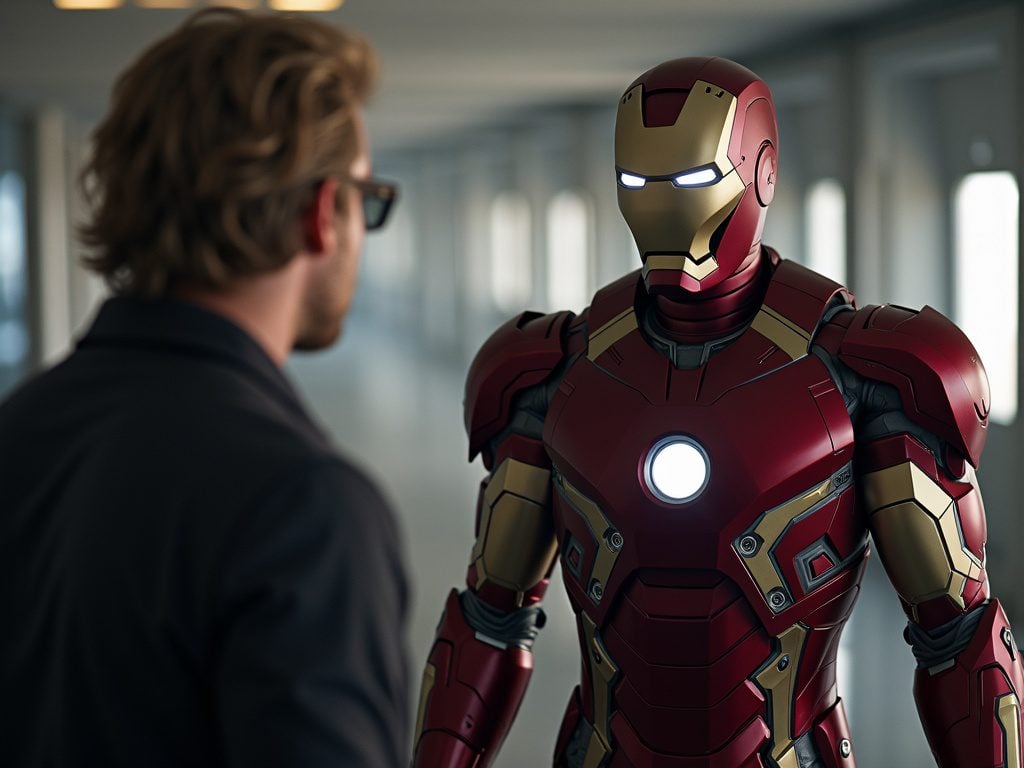
The Hulkbuster suit pieces weren’t all digital. They built partial suits that weighed over 90 pounds. Stunt performers wore these monsters while executing choreographed sequences. Then CGI enhanced what was already there.
That’s why the fight feels so brutal. There’s real weight behind those punches.
The Sokovia battle scene breakdown reveals even more practical madness. They built massive sets. Not just green screens. Actual rubble, actual explosions, actual debris flying everywhere.
Elizabeth Olsen wasn’t waving her hands at nothing – they had practical effects creating wind, smoke, and destruction around her. The Age of Ultron special features show crew members manually operating wind machines and pyrotechnics while she performed.
This hybrid approach is what separates Age of Ultron from movies that feel weightless.
Even the Avengers Tower party scene extended cut used more practical elements than you’d think. The windows? Real glass panels with LED screens behind them showing the cityscape. The props? All functional. Tony’s suits in the background? Physical builds, not digital additions.
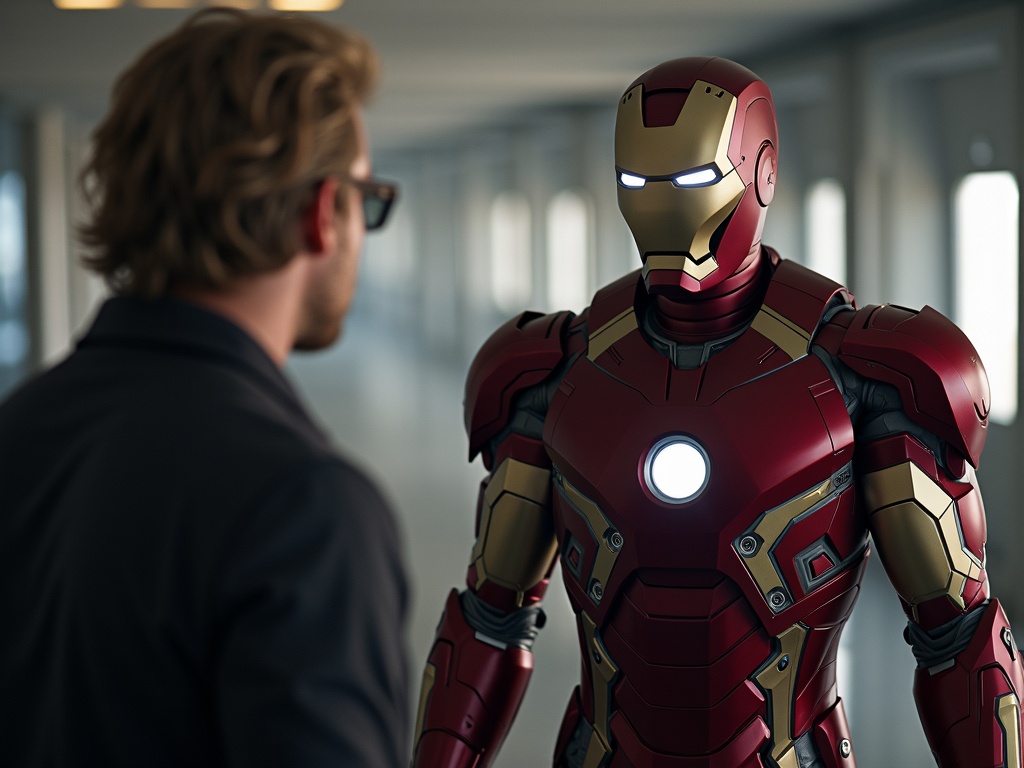
They only used CGI to enhance what was already captured on camera.
This matters because your brain knows the difference. When an actor interacts with something real versus something added later, you feel it.
The Chris Evans Avengers 2 behind scenes interviews reveal how this affected performances. Evans mentioned how fighting against actual resistance from hydraulic rigs changed his entire approach to the action scenes.
It wasn’t just pretending – it was reacting.
But practical effects are only half the story. The real game-changer was how they captured performances…
Motion Capture Revolution: How James Spader and Paul Bettany Transformed Digital Characters
James Spader didn’t just voice Ultron.
He became Ultron.
Most people think he sat in a booth and recorded lines. Nope. Full-body performance capture, including facial mapping that caught every twitch, every smirk, every subtle expression.
The James Spader Ultron featurette shows him on set, acting opposite the cast in a motion capture suit. His physicality – the way he moves, gestures, even breathes – that’s all in Ultron’s final performance.
Here’s the kicker: they developed new facial capture technology specifically for the Ultron motion capture process. Previous motion capture focused on body movements. But Spader’s face was mapped with such precision that his micro-expressions translated directly onto Ultron’s metallic features.
Watch closely during Ultron’s church scene monologue. Those aren’t animated expressions – that’s Spader’s actual performance filtered through digital skin.
The Paul Bettany Vision transformation presents a different story. After years of being just JARVIS’s voice, Bettany finally got to be on set.
But here’s what most analyses miss – Vision wasn’t purely CGI or purely makeup. They used a revolutionary blend. The base was practical makeup that took hours to apply. Then they digitally enhanced specific elements like the Mind Stone and certain texture details.
Bettany performed everything in camera, with CGI adding the impossible elements later.
The cast chemistry changed dramatically with this approach. The Scarlett Johansson Age of Ultron interview revealed how acting opposite Spader in his motion capture suit created genuine tension. She wasn’t talking to a tennis ball on a stick – she was responding to a real performance.
Aaron Taylor-Johnson Quicksilver footage shows him describing scenes with Bettany where he forgot he was looking at elaborate makeup because the performance was so present.
This performance capture revolution extended beyond the main villains. Even smaller moments used this technology. When Ultron controls the Iron Legion, each robot had unique movement patterns based on different stunt performers’ captured motions.
They didn’t just copy-paste animations.
Speaking of unique movements, let’s talk about how they created superhero powers that actually feel real…
Speed, Flight, and Mind Control: Designing Powers That Feel Real
Quicksilver’s speed effects piss me off – in the best way.
Everyone expected X-Men Days of Future Past style slow-motion extravaganzas. Instead, they went simple. Elegant. Real.
The Age of Ultron visual effects breakdown reveals their approach: high-speed cameras capturing Aaron Taylor-Johnson’s actual movements, practical wire work for impossible trajectories, then minimal digital enhancement.
No fancy time-freeze gimmicks. Just pure speed.
The technical breakdown is fascinating. They filmed Taylor-Johnson running at normal speed, then used a combination of camera techniques and practical effects to sell the illusion. Wire rigs allowed him to change direction impossibly fast. High-speed cameras captured genuine athletic performance.
The digital team then added motion blur and environmental effects – but the core was always Taylor-Johnson’s real movement.
That’s why Quicksilver feels grounded despite his impossible abilities.
The Elizabeth Olsen Scarlet Witch scenes created different challenges. Olsen worked with a movement coach to develop specific hand gestures that would translate into her reality-warping abilities.
But here’s the insider detail – they used practical elements on set to give her something to react to. LED lights created the red glow in real-time. Practical effects created actual distortions in the environment. The digital effects enhanced what was already happening.
Vision’s flight sequences combined multiple techniques nobody talks about. The Vision birth scene special effects show Paul Bettany performed on sophisticated wire rigs that allowed full 360-degree movement.
But unlike typical superhero wire work, they programmed specific flight patterns based on Vision’s unique android nature. He doesn’t fly like Iron Man or Thor – his movement is eerily smooth, almost gliding.
The Avengers 2 cast interviews show Bettany rehearsing these specific movement patterns for weeks.
The mind control sequences with Scarlet Witch used an innovative approach. Instead of purely digital effects, they combined practical lighting, on-set projections, and actor performances to create the disorientation.
When Thor has his vision, Chris Hemsworth was surrounded by actual projection screens showing fragmented images. His confusion wasn’t acted – it was genuine reaction to sensory overload.
The Hidden Legacy: How Age of Ultron Changed Marvel’s Approach Forever
Here’s the part that drives me crazy.
Everyone treats Age of Ultron like Marvel’s awkward middle child. But these Avengers 2 featurettes reveal something different – this movie was a testing ground that changed everything.
The Age of Ultron Hulkbuster fight making of didn’t just create one cool scene. It established the template for Civil War’s airport battle, Infinity War’s Titan fight, and basically every Marvel slugfest since.
Those 90-pound practical suit pieces? They refined that approach for Black Panther’s suit, Spider-Man’s web-slinging rigs, and Thanos’s motion capture performance.
The Marvel Age of Ultron documentary shows meetings where Kevin Feige specifically discusses how Ultron’s hybrid approach would influence future productions. They weren’t just making one movie – they were building a new filmmaking methodology.
Remember Spader’s full-body performance capture? Josh Brolin studied that footage before becoming Thanos. The technology they developed for Ultron’s facial expressions directly influenced how they captured Brolin’s performance.
That’s not speculation – it’s documented in the Marvel Phase 2 featurettes.
The practical/digital hybrid approach became Marvel’s secret weapon. Every movie since uses some variation of what they pioneered here. Doctor Strange’s mirror dimension? Built on lessons from Scarlet Witch’s reality warping. Captain Marvel’s flight? Refined from Vision’s wire work.
The Age of Ultron deleted scenes show even more experimentation that didn’t make the final cut but influenced later films. There’s footage of alternate Quicksilver sequences that clearly inspired similar moments in X-Men films.
The irony kills me. The movie everyone calls Marvel’s biggest disappointment literally created the blueprint for their biggest successes.
Where to Find the Real Story: Your Guide to the Best Behind-the-Scenes Content
Alright, you want to see this stuff yourself? Here’s where to watch Avengers Age of Ultron featurettes that actually matter.
The Avengers 2 Blu-ray extras contain the goldmine – specifically the “From the Inside Out: Making of Avengers Age of Ultron” documentary. This isn’t your typical fluff piece. It’s over an hour of raw footage showing the Hulkbuster suit construction, Spader’s motion capture sessions, and Whedon having actual creative breakdowns.
The Age of Ultron digital extras on Disney+ hide some gems too. Look for “Avengers Assembled: The Making of Age of Ultron.” Most people skip it. Don’t. The segment on practical effects alone will change how you see every Marvel movie.
For the real deep cuts, hunt down the Avengers extended scenes. Not just the deleted scenes – the extended versions of existing scenes. The party scene has an extra four minutes that shows more practical prop work and cast chemistry.
The Age of Ultron gag reel isn’t just bloopers. Watch Spader cracking jokes in full Ultron motion capture gear. Watch the Hulkbuster suit malfunction and trap a stunt performer. This stuff reveals more about the production than any polished documentary.
The Joss Whedon director commentary is brutal. He doesn’t sugarcoat anything. He explains exactly why certain practical effects worked, why others failed, and how studio pressure affected the hybrid approach.
But here’s the kicker – the best Age of Ultron behind the scenes moments aren’t in official releases. They’re in convention panels, actor Instagram posts from 2014-2015, and scattered YouTube uploads from international releases.
The Italian Blu-ray has exclusive footage of the Sokovia set construction. The Japanese release includes extended stunt rehearsals. The Korean version has different cast interviews entirely.
Yeah, it’s a treasure hunt. But that’s what makes it worth it.
The Truth Nobody Wants to Admit
Look, Age of Ultron isn’t perfect.
But after diving deep into these featurettes, I can’t see it the same way.
It’s not a CGI fest – it’s a masterclass in blending old-school filmmaking with cutting-edge technology. Those 90-pound Hulkbuster suits? Spader’s full performance as Ultron? The elegant simplicity of Quicksilver’s speed?
This stuff matters.
It’s why certain moments hit harder than others. Your brain knows when it’s watching something real versus something manufactured.
The Marvel Studios production diary from this period shows a company at a crossroads. They could have gone full digital. Instead, they doubled down on practical elements enhanced by technology.
That decision shaped everything that came after.
Next time you watch Age of Ultron, you’ll spot the difference. You’ll see the weight in the Hulkbuster fight. You’ll catch Spader’s expressions in Ultron’s face. You’ll appreciate why Quicksilver feels fast without feeling fake.
The best Age of Ultron behind the scenes moments aren’t just trivia – they’re lessons in how blockbuster filmmaking evolved.
That’s the real gift of these behind-the-scenes features. They don’t just show you how movies are made.
They change how you watch them forever.
And honestly? Once you see what really went into making Age of Ultron, you might just realize it’s not Marvel’s awkward middle child.
It’s the movie that taught them how to grow up.


