

The $3,000 Tool Trap: Why Smart Homeowners Choose Ryobi ONE+ Over Premium Brands

Here’s something tool companies don’t want you to know: that shiny DeWalt drill might cost you $3,000 more than you think.
Not because of the drill itself. Because of the battery prison you’re about to enter.
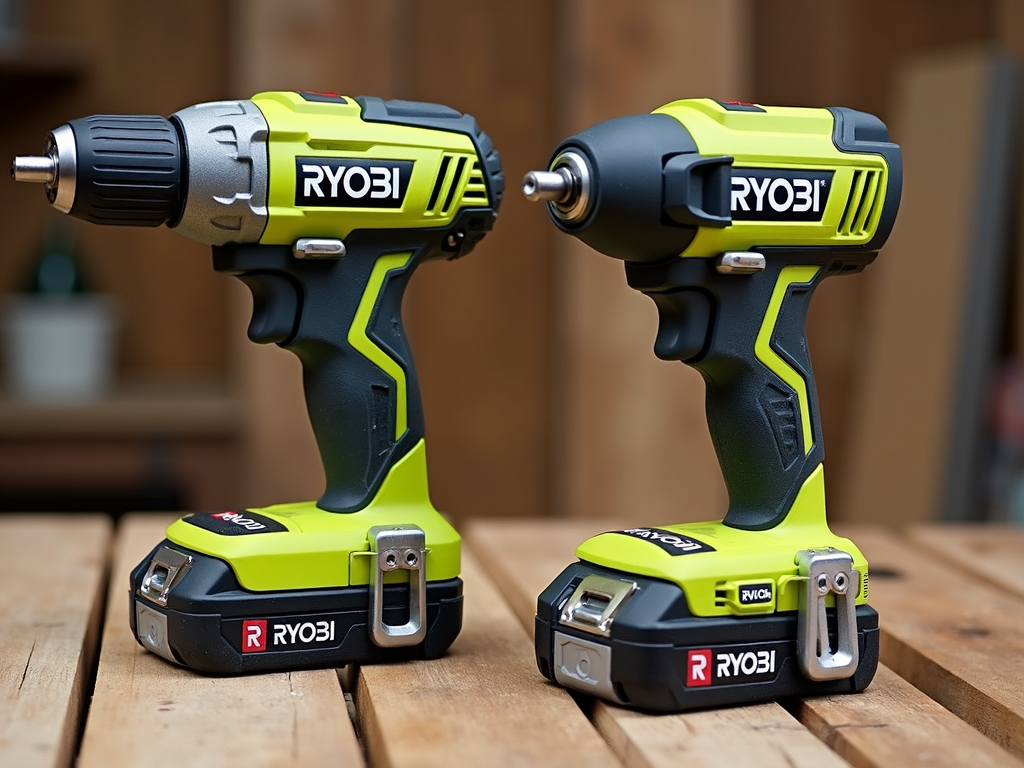
Last month, I watched my neighbor drop $4,500 on premium tools for his basement renovation. Same project, same results as mine. Except I spent $1,200.
The difference? He bought into three different battery systems. I stuck with Ryobi ONE+.
This isn’t about being cheap. It’s about being smart.
See, most tool comparisons obsess over torque specs and build quality. They completely ignore the elephant in the garage: battery ecosystem economics.
When you’re looking at 300+ Ryobi ONE tools on one battery platform versus juggling multiple chargers and incompatible batteries? The math gets real obvious, real fast.
Over the next 10 years, understanding this one concept saves you $2,000 to $5,000.
And before you roll your eyes thinking this is some budget tool propaganda – hang on. We’ve got hard data, real homeowner case studies, and some surprising revelations about when those premium brands actually aren’t so premium after all.
The $3,000 Battery Trap: How Premium Brands Lock You Into Expensive Ecosystems
Let me paint you a picture.
You walk into Home Depot ready to build that workshop. The DeWalt display catches your eye. Professional grade! Built tough! The sales guy mentions contractors love them.
You grab the drill.
Then you need a circular saw. But wait, that’s Milwaukee, and your buddy swears by it. The Makita sander is on sale.
Three hours later, you’re walking out with three different brands. Three different battery systems. Three different chargers.
You just signed up for a decade of expensive headaches.
Here’s what nobody told you: each premium battery runs $60–120. Each tool needs 2–3 batteries for real work. Do the math on 10–15 tools over time.
That’s $1,800 to $3,600. Just in batteries.
Plus chargers. Plus the mental gymnastics of which battery goes with which tool.
My neighbor learned this the hard way. Started with a DeWalt drill for $200. Added a Milwaukee sawzall because “it had better reviews” – $250. Grabbed a Makita circular saw on Black Friday, $180.
By project end? $4,500 on tools, batteries, and chargers.
Three different charging stations cluttering his garage. Batteries dying at different rates. Can’t share power between tools during long work sessions.
Meanwhile, I did the same renovation with Ryobi 18V tools. Total damage: $1,200.
One battery type. One charger.
When my drill battery died, I popped it into the charger and grabbed another from my circular saw. No compatibility charts. No brand confusion.
Just tools that work together.
The premium brands aren’t lying about quality. But they’re sure not advertising the total cost of ownership.
Every time you buy into a new battery ecosystem, you’re not just buying a tool. You’re making a 10-year financial commitment.
But maybe you’re thinking: okay, but surely having one battery system limits your tool options, right?
Let me blow your mind with some numbers.
300 Tools, One Battery: The Mathematical Advantage of Ryobi’s ONE+ System
Remember when I mentioned 300+ tools? That’s not a typo.
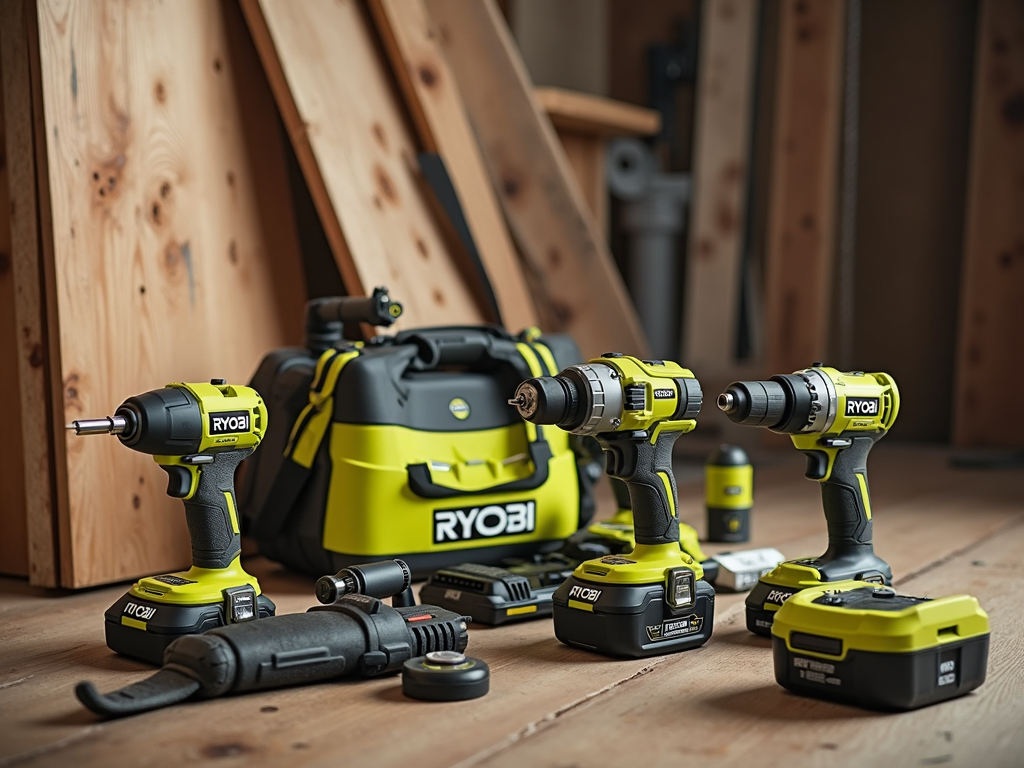
Ryobi’s ONE+ system covers over 300 different tools. All on the same 18V battery platform.
From basic drills to drain augers. Tire inflators to heated jackets.
Yeah, heated jackets. Same battery that runs your circular saw keeps you warm in winter. Try that with your DeWalt.
Here’s where it gets interesting. Three years ago, these batteries lasted maybe 30–40 minutes of hard use. Today? The latest lithium improvements deliver 40% longer runtime.
Same physical battery. Better chemistry.
And because it’s one ecosystem, every Ryobi cordless tool benefits from these improvements.
Let’s talk real numbers. Say you’re a typical homeowner who’ll accumulate 15–20 tools over a decade.
With Ryobi battery tools:
- Initial tool investment: $800–1,200
- Battery investment: $200–300 (4–6 batteries)
- Total: $1,000–1,500
With mixed premium brands:
- Initial tool investment: $1,500–2,500
- Battery investment per brand: $300–500 x 3–4 brands = $900–2,000
- Charger redundancy: $150–300
- Total: $2,550–4,800
That’s not counting the efficiency loss.
When all your tools share batteries, you need fewer total batteries. Working on a deck? Your drill, circular saw, and sander all share power.
Battery dies? Swap it with any other tool.
No hunting for the right charger. No dead batteries because you forgot to charge the Milwaukee ones last week.
The math becomes exponential. Every new Ryobi power tool makes your existing batteries more valuable. Every premium tool from a different brand? That’s a new battery tax. New charger. New hassle.
One homeowner in Ohio documented this perfectly. Started with the basic drill/driver combo. Added tools over five years. Now owns 23 Ryobi ONE tools.
Total battery investment? $340.
That’s it.
His contractor buddy with mixed brands? Over $1,100 in batteries alone. For fewer tools.
But I know what you’re thinking. Sure, it’s cheaper, but are these tools actually any good?
Time to shatter some myths.
Debunking the ‘Professional Grade’ Myth: When Ryobi ONE+ Outperforms Premium Brands
“Professional grade.” Marketing genius, right? Makes you feel like anything else is toy-grade garbage.
But here’s what five years of shared workshop data reveals: Ryobi tools are crushing it in real-world durability tests.
A community woodworking project in Michigan tracked tool performance across brands. Ryobi 18V ONE+ tools in daily shared use lasted 5+ years. Same abuse, same projects as the premium brands.
The circular saw that “professionals wouldn’t touch”? Still cutting after 3,000+ boards.
The drill everyone said would burn out? Running strong after drilling thousands of pilot holes.
Even more interesting: vocational schools are adopting Ryobi at record rates. Not because they’re cheap. Because they last under student abuse.
Think about that. Tools that survive teenagers learning construction. That’s durability testing you can’t fake.
Now let’s be real. You’re not framing houses daily. You’re not a production carpenter cutting 200 boards before lunch.
You’re hanging pictures. Building shelves. Maybe tackling a deck.
For 95% of homeowner tasks, Ryobi tools don’t just compete. They excel.
The secret? Most homeowners way overbuy on tool specs.
That 3,000 RPM drill? You’ll use maybe 1,500 RPM max. The hammer drill function everyone insists you need? Used it twice in five years. The premium price? That’s for features you’ll never touch.
But here’s where Ryobi actually beats premium brands: versatility through variety.
While you’re paying $300 for one premium drill, Ryobi gives you specialty tools at accessible prices. Drain auger for $79. Hot glue gun for $29. Inflator for $39.
All on your existing batteries.
Try finding a DeWalt-branded drain snake.
The dirty truth? For homeowner use, durability differences are negligible. But ecosystem advantages? Those compound every single project.
Real-World Performance That Matters
Forget the spec sheet wars. Let’s talk about what actually matters in your garage.
Battery compatibility across 300+ tools means you’re never stuck. Project needs change? Your battery system adapts.
Need to blow leaves? Same battery.
Trim hedges? Same battery.
Pump up bike tires? Same battery.
Cut tile for the bathroom? Yep, same battery.
My premium-brand neighbor? He’s buying a corded tile saw because Makita’s battery version costs $400.
Meanwhile, my Ryobi tile saw was $89. Uses the same batteries I already own.
The Hidden Cost Nobody Calculates: Time and Mental Load
Here’s something nobody talks about: decision fatigue.
Every time you need a new tool with multiple battery systems, it’s a research project. Which brand makes the best version? Is it worth switching ecosystems? Do I buy more batteries for brand X or finally admit defeat?
With Ryobi ONE+? The decision is already made. Need a router? Get the Ryobi. It’ll work with everything else you own.
No compatibility research. No battery math. No regrets.
This simplicity compounds over years. Less time researching means more time building. Fewer decisions mean less buyer’s remorse.
One battery system isn’t just cheaper. It’s simpler. And in a world of endless complexity, that simplicity has real value.
Conclusion: Stop Buying Tools, Start Building Capability
Look, I get it. Walking past those yellow DeWalt displays or red Milwaukee end caps triggers something primal.
Professional contractors use them! They must be better!
But unless you’re billing $150/hour swinging hammers, you’re optimizing for the wrong thing.
The real question isn’t which drill has 50 more inch-pounds of torque. It’s which system gives you the most capability for your money over the next decade.
And that math isn’t even close.
Ryobi ONE+ doesn’t just win on price. It wins on practicality, versatility, and long-term value. One battery system. 300+ tools. Constant improvements. No compatibility headaches.
Your move is simple: calculate your realistic tool needs over five years. Price out the full ecosystem cost – tools, batteries, chargers, replacements. Include the mental overhead of managing multiple systems.
Then ask yourself: would you rather have three premium tools or an entire workshop that actually works together?
The premium brands make great tools. No argument.
But Ryobi built something better: a great system.
And for 99% of us weekend warriors, that system saves thousands while delivering everything we actually need.
Stop buying tools. Start building capability.