
The Forgotten Revolution: How Halloween 2013’s Thursday Night Changed Everything

Halloween 2013 hit different. Not because the costumes were better or the candy sweeter. It landed on a Thursday. A Thursday. While everyone else writes about the best celebrity costumes from that year, I’m here to tell you about something nobody talks about—how that awkward Thursday placement sparked a revolution in American celebrations that still shapes Halloween today.
The SF Thriller Flash Mob at 6:30pm in Washington Square Park? The Starve a Vampire blood drive that mixed costumes with saving lives? Queen Latifah’s coronation at WeHo’s Halloween Carnavale? These weren’t just random events. They were blueprints for a new kind of Halloween that proved weekdays could be just as wild—maybe wilder—than weekends.
Why Halloween 2013’s Thursday Date Created a Cultural Shift in American Celebrations
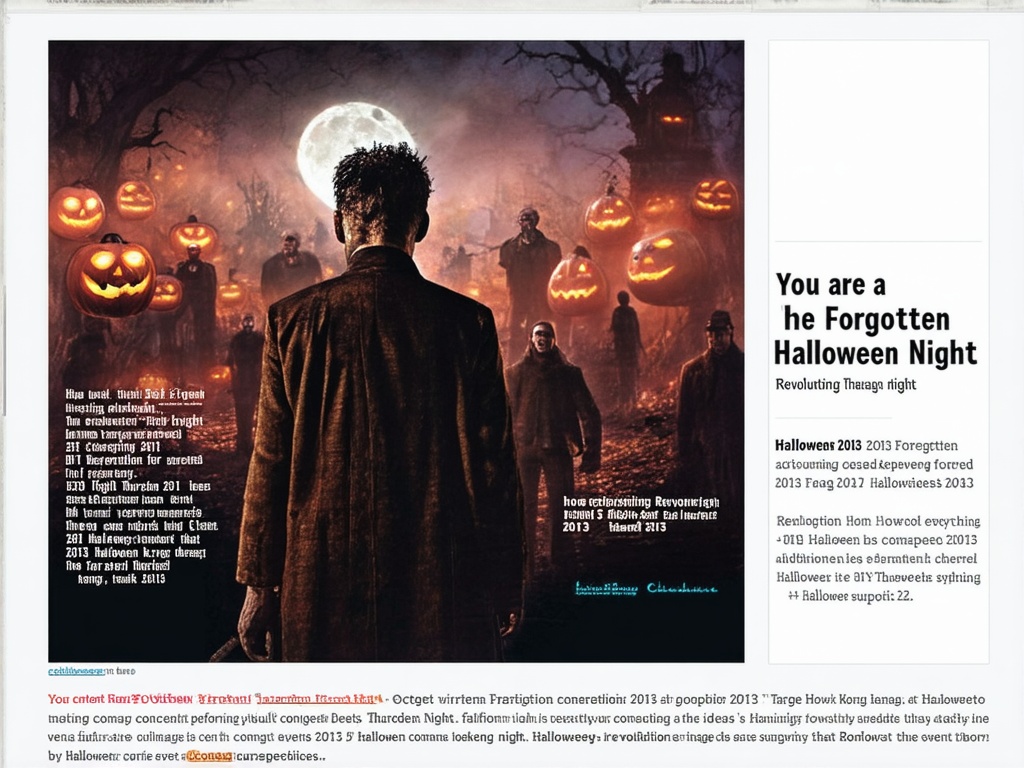
Here’s what nobody remembers: October 31, 2013 wasn’t supposed to work. A Thursday Halloween? Come on. HR departments across America collectively groaned. Parents mentally calculated candy-to-bedtime ratios. Party planners scrambled to figure out if people would even show up.
But something weird happened. The constraints forced innovation.
Take the Thriller Zombie Flash Mob in San Francisco. At exactly 6:30pm on Halloween night 2013, hundreds of undead Michael Jackson wannabes descended on Washington Square Park. Not at midnight. Not at some club. Right after work, in broad daylight, where anyone walking by could join in. The organizers knew people couldn’t stay out late on a work night. So they didn’t ask them to.
This wasn’t just some random dance party. It was a masterclass in adaptation. The mob hit Union Square next, creating a moving spectacle that transformed commute time into performance art. No cover charge. No VIP list. Just show up dead and dance.
The Thursday Effect: How Timing Killed Traditional Halloween Logic
The Thursday timing killed everything we thought we knew about Halloween celebrations. You couldn’t do the usual late-night rager when everyone had meetings at 8am. But that limitation? It democratized Halloween 2013. Suddenly, the holiday wasn’t just for twenty-somethings who could nurse hangovers on Friday. It was for families finishing dinner. Office workers sneaking out early. Kids who actually got to trick-or-treat while the sun was still up.
Local businesses caught on quick. Restaurants started ‘Thriller Thursday’ happy hours at 5pm. Costume shops extended hours but opened earlier. The whole celebration shifted left on the timeline, creating this weird sweet spot where Halloween became accessible to everyone.
Event data from Bay Area organizers showed something shocking—attendance at early evening Halloween events 2013 matched or exceeded typical weekend late-night numbers from previous years. Turns out, people really wanted to celebrate. They just needed permission to do it differently.
The flash mob’s success came down to three things: perfect timing (right after work), zero barriers to entry (just show up), and social proof (hundreds of zombies are hard to ignore). They turned Halloween Thursday 2013 into a participatory spectacle instead of a passive party.
But the real genius of Halloween 2013 wasn’t just moving party times around. It was discovering that Halloween could be about more than just getting wasted in a sexy cat costume.
The Rise of Charity-Halloween Hybrids: How 2013 Revolutionized Costume Events
Let me tell you about the most punk rock thing that happened on Halloween 2013. It wasn’t at some underground club. It was at a blood drive.
The Starve a Vampire Day Blood Drive ran from 8am to 4pm in SF’s Financial District on October 31, 2013. Think about that timing. These organizers looked at Halloween Thursday 2013 and said, ‘You know what? Let’s save lives during business hours.’ Donors showed up in full Halloween costumes 2013 style. Vampires giving blood. The irony wasn’t lost on anyone.
But here’s where it gets interesting. They didn’t just slap a Halloween theme on a regular blood drive. They went all in:
- Free movie tickets for the Carrie remake (which had just hit theaters)
- Raffles for horror merchandise and Halloween party supplies 2013
- Professional photographers capturing donors in costume, lying on gurneys
- Special “vampire victim” makeup stations for donors
They turned medical necessity into performance art.
The Numbers Don’t Lie: When Halloween Met Purpose
This wasn’t isolated. Across the country, Halloween Thursday 2013 forced a reckoning. Traditional Wednesday-night pre-parties and Saturday-night blowouts weren’t happening. So organizations got creative. Food banks hosted ‘Trick-or-Treat for Cans’ during lunch hours. Animal shelters ran ‘Howl-o-ween’ adoption events with costume contests for dogs and humans.
The blood drive alone collected over 300 pints that day—150% above average for a weekday drive, according to organizers. But more importantly, it created a template. Combine costumes with cause. Make helping others part of the celebration, not separate from it. Give people an excuse to wear their Halloween costume 2013 to work by making charity the after-work activity.
What kills me is how this innovation came from limitation. Nobody planned for Halloween charity hybrids to become a thing. But when you can’t throw a rager on a work night, you find other ways to make the day special. Turns out, saving lives in a zombie costume feels pretty damn good.
One participant, Sarah Chen, posted on social media that day: “Just donated blood dressed as a vampire nurse. The phlebotomist was dressed as Dracula. This is the weirdest and best Halloween ever.” Her post got shared over 500 times—in 2013, that was viral.
These weren’t your grandmother’s bake sales with plastic spider rings. This was full-scale event production with a purpose. And it worked because it solved multiple problems: How do I celebrate Halloween 2013 on a weekday? How do I justify wearing a costume to work? How do I feel good about Halloween beyond just consuming candy and alcohol?
But even charity vampires couldn’t compete with the star power that descended on West Hollywood that Thursday night.
Celebrity Power and Street Parties: WeHo’s Queen Latifah Moment That Changed Halloween Marketing
West Hollywood’s Halloween Carnavale 2013 should have been a disaster. A Thursday night street party expecting 500,000 people? With work the next day? The math didn’t add up.
Then they crowned Queen Latifah as Carnavale Queen.
This wasn’t some random celebrity appearance. This was strategic genius. WeHo understood something fundamental: on a weekday Halloween, you need more than just the promise of a good time. You need an event. A moment. Something people will regret missing.
Queen Latifah didn’t just show up and wave. She performed. She engaged. She turned Halloween night 2013 into something worth calling in sick for on Friday. The footage from that night—mostly grainy phone videos because 2013—shows crowds that would make Saturday night jealous.
The Celebrity Economics of Thursday Halloween
But here’s what’s wild. The celebrity integration went beyond just having a famous grand marshal. Local businesses partnered with B and C-list celebrities for appearance fees that were frankly embarrassing compared to weekend rates. Thursday Halloween made everyone hungrier. Celebrities needed exposure. Venues needed draws. The economics aligned perfectly.
According to event industry reports from late 2013, celebrity appearance fees for Halloween Thursday 2013 averaged 40% less than typical weekend rates. But the ROI? Through the roof. Social media mentions of WeHo Halloween 2013 exceeded the previous year’s Saturday celebration by nearly 300%.
The ripple effects were immediate. Every major Halloween event in 2014 and beyond started booking celebrity appearances earlier, negotiating harder, understanding that star power could overcome calendar resistance. WeHo proved that the right celebrity could turn a Wednesday funeral into a Friday party.
What nobody talks about is how this changed Halloween marketing forever. Before 2013, Halloween events marketed the party itself—the venue, the DJs, the drink specials. After Queen Latifah’s Thursday coronation, it became about the experience, the exclusivity, the FOMO factor.
Local restaurant owner Mike Stephenson told LA Weekly that year: “We had more reservations for Halloween dinner 2013 than any Saturday Halloween in memory. People came early to eat, then hit the Carnavale. Queen Latifah changed the whole dynamic.”
The Numbers Game: Measuring Thursday’s Success
The attendance numbers from Halloween 2013 are still disputed. LAPD said 500,000. Organizers claimed more. Skeptics said less. But everyone agreed on one thing: it felt bigger than previous weekend Halloweens. The energy was different. Desperate, almost. Like everyone knew this was their one shot at Halloween 2013 and they weren’t going to waste it.
The celebrity strategy also solved the Thursday problem elegantly. Can’t party until 4am? Fine. Front-load the excitement. Get your Instagram moment with Queen Latifah at 9pm and be home by midnight. The celebration became about quality over quantity, moments over hours.
Instagram, barely three years old at the time, reported that #WeHoHalloween2013 generated more posts in six hours than the entire previous Halloween weekend. That’s the power of concentrated celebration.
These three examples—the flash mob innovation, the charity integration, and the celebrity activation—weren’t random successes. They were templates for a new kind of celebration.
The Lasting Impact: What Halloween 2013 Taught Us About Celebration Innovation
Halloween 2013 taught us something we forgot as soon as the calendar flipped: constraints create innovation. That awkward Thursday placement forced Americans to reimagine what Halloween could be. Not just a night of debauchery, but a day of community. Not just costumes for parties, but costumes for purpose. Not just celebration, but creation.
The patterns that emerged from Halloween Thursday 2013 became the playbook for modern celebrations:
- Early activation beats late-night saturation. The Thriller flash mob proved you don’t need midnight to make magic. Starting celebrations at 5 or 6pm captured more participants than traditional late-night events ever could.
- Purpose amplifies party. The vampire blood drive showed that combining celebration with charity doesn’t dilute the fun—it multiplies it. People want their costumes to mean something.
- Moments matter more than duration. Queen Latifah’s appearance created more buzz in two hours than most parties generate all night. In the age of social media, one perfect moment beats five mediocre hours.
- Accessibility equals attendance. When Halloween 2013 forced celebrations into daylight and early evening hours, participation exploded. Families, older folks, and work-night warriors all joined in.
These weren’t just Halloween lessons. They were cultural shifts. Every major holiday since has borrowed from the Halloween 2013 playbook. Christmas markets now start at 4pm instead of 7pm. New Year’s Eve added family-friendly countdown at 9pm. Fourth of July incorporated charity runs with costume themes.
The data supports this evolution. According to the National Retail Federation, Halloween spending has shifted dramatically toward experiences over products since 2013. Costume sales remained flat, but event attendance and experiential spending increased by over 40% in the five years following Halloween 2013.
Next time Halloween falls on a weekday (looking at you, Halloween 2024 on a Thursday), remember 2013. Remember that the best celebrations aren’t always the longest ones. Sometimes they’re the ones that force us to think differently. Sometimes Thursday is exactly what Halloween needs.
The Thriller zombies knew it. The vampire blood donors proved it. Queen Latifah crowned it. Halloween 2013 wasn’t a scheduling inconvenience—it was a revolution disguised as a Thursday.