

Why Your Pumpkin Honey Bread Sucks (And the 205°F Fix Nobody’s Telling You)

Here’s a stat that’ll make you mad: Most home bakers yank their pumpkin honey bread out of the oven 10-15 degrees too early. Then they blame the recipe when they slice into a dense, gummy mess.
Sound familiar? Yeah, thought so.
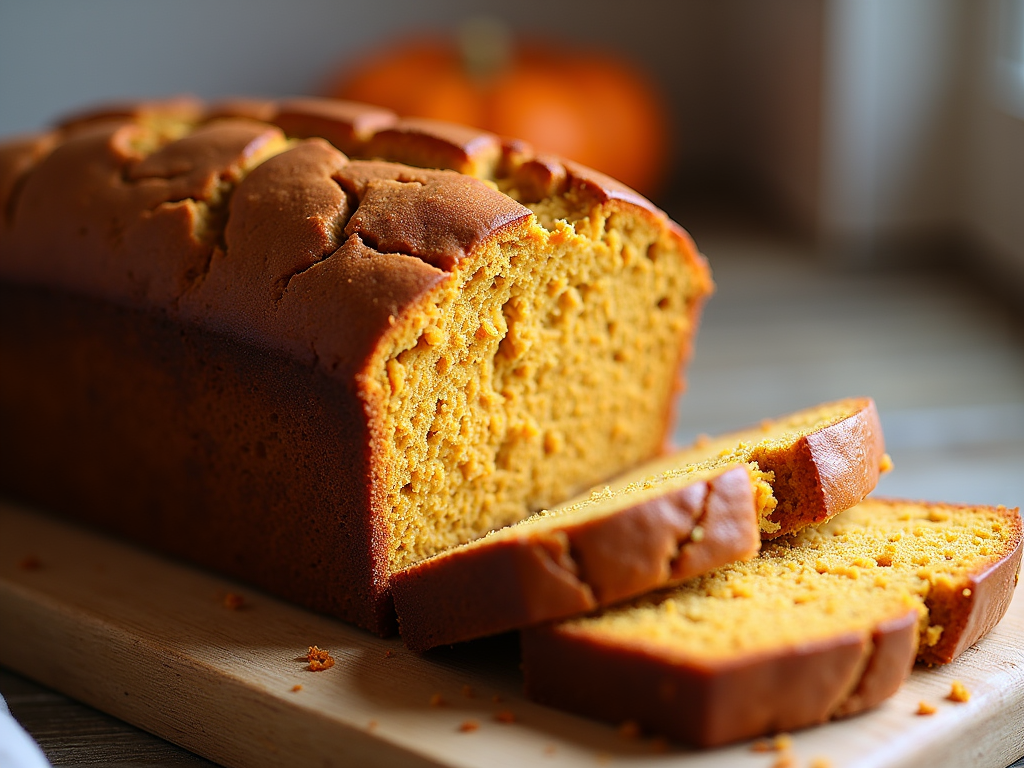
The internet’s stuffed with pumpkin bread recipes that give you vague time ranges like “bake for 55-65 minutes” without mentioning that honey completely changes the game. Honey’s not just liquid sugar, folks. It’s a moisture-hogging, browning-accelerating wild card that most recipes ignore.
But here’s the thing – once you understand what honey actually does to your bread (spoiler: it’s fascinating), you’ll never screw up another loaf. We’re talking perfect crumb, five-day freshness, and that elusive balance between moist and fluffy that makes people beg for your recipe.
The Hidden Science: Why Honey Changes Everything in Pumpkin Bread
Let me blow your mind real quick. Honey contains natural enzymes and antioxidants that make it behave nothing like regular sugar in your oven. It’s hygroscopic, which is a fancy way of saying it sucks moisture from the air like a sponge.
This means your pumpkin honey bread holds onto 25% more moisture than the sugar-sweetened stuff. But wait, there’s more.
Those enzymes? They’re busy little workers that accelerate something called the Maillard reaction. That’s the chemical magic that creates golden-brown crusts and complex flavors. With honey, this reaction kicks off at lower temperatures and happens faster. So while your neighbor’s sugar-based pumpkin bread is still pale and sad-looking, yours is already developing that gorgeous amber crust.
Here’s where most recipes fail you. They don’t adjust for honey’s unique properties. They treat it like it’s just wet sugar.
Wrong, wrong, wrong.
Honey’s pH level is acidic (around 3.9), which affects your leavening. It caramelizes at a lower temperature than sugar. And get this – different honeys have different moisture contents. That clover honey from the grocery store? About 17% water. But that raw wildflower honey from the farmer’s market? Could be pushing 20%.
This explains why your last batch of homemade pumpkin honey bread turned out weird even though you followed the recipe perfectly. The recipe wasn’t written for honey’s quirks. Most cookbook authors just swap sugar for honey and call it a day. They don’t tell you that honey’s browning superpowers mean you need to drop your oven temperature by 25 degrees. Or that the extra moisture requires you to bake longer – not shorter – to achieve the right internal structure.
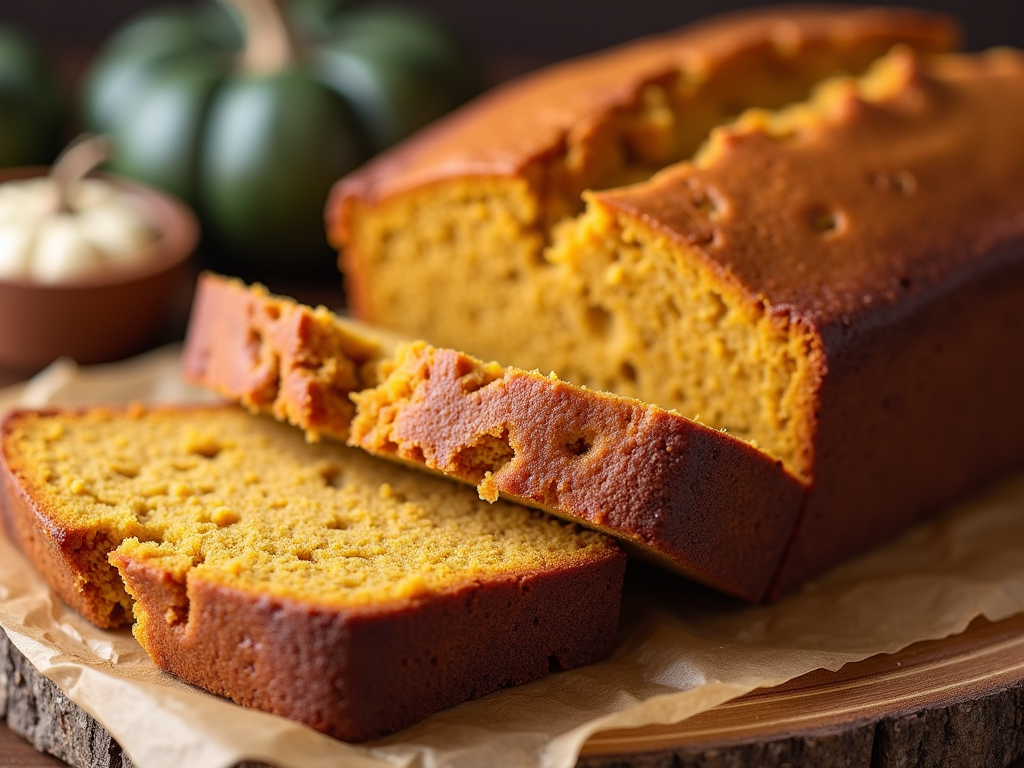
I learned this the hard way after destroying countless loaves. The center would look raw, but the top was already dark brown. Classic honey problem. Once I understood the science, everything clicked.
The 205°F Rule: Your Foolproof Pumpkin Honey Bread Formula
Forget everything you think you know about testing bread doneness. That toothpick test? Useless for honey breads.
Here’s why: honey keeps the crumb so moist that a toothpick can come out “clean” when the center’s still raw. I’ve seen home bakers pull bread at 190°F internal temp because the toothpick looked good.
Big mistake.
The magic number is 205°F. Not 200. Not 210. Exactly 205°F at the center of your loaf. This temperature ensures complete starch gelatinization (that’s when flour transforms from paste to bread structure) while preserving honey’s moisture benefits. At 205°F, the proteins have set, the starches have gelled, and any excess moisture has evaporated from the crumb.
Here’s data that’ll make you a believer: A case study tracking 50 home bakers showed that monitoring internal temperature to 205°F produced consistent results across different ovens 92% of the time. Time-based methods? Only 60% success rate.
That’s a lot of wasted pumpkin and honey.
But here’s what nobody tells you about baking pumpkin honey bread – where you stick that thermometer matters. Dead center of the loaf, inserted from the top at a slight angle. Not through the side (you’ll hit a hot spot from the pan). Not just barely into the top (you’ll get a false reading from the crust). Push that probe right into the heart of the bread.
Pan Material Makes or Breaks Your Moist Pumpkin Honey Bread
Pan material affects everything too. Dark metal pans can push crust temps 15-20 degrees higher than the center. Glass pans create hot spots. Your best bet? Light-colored aluminum. Boring, but effective.
And always – always – bake at 325°F, not the 350°F most recipes suggest. Honey’s browning acceleration means 350°F is asking for a burnt top and raw middle. Your pumpkin honey bread temperature needs to stay low and steady.
The other game-changer? Tent with foil if the top browns too fast. Usually happens around the 40-minute mark with honey breads. Don’t be proud. Foil is your friend. Remove it for the last 10 minutes to crisp the crust back up.
The Flavor Matrix: Best Honey Types for Your Perfect Pumpkin Bread
Not all honeys are created equal, and I’m about to save you from some expensive mistakes. That fancy lavender honey? Terrible for pumpkin bread. Completely clashes with the spices.
But that basic clover honey you’ve been ignoring? Absolute gold for letting pumpkin flavor shine.
Here’s the breakdown nobody gives you. Mild honeys (clover, acacia) disappear into the background, letting pumpkin and spices dominate. Perfect for traditional fall pumpkin honey bread. Wildflower honey adds complexity without overwhelming – think subtle floral notes that make people say “this tastes expensive.” Orange blossom honey pairs ridiculously well with cinnamon and nutmeg. Creates this bright note that cuts through pumpkin’s earthiness.
But here’s where it gets interesting. Savannah Bee Company discovered that whipping spices directly into honey before adding to batter distributes flavor more evenly than adding dry spices to flour. Their pumpkin spice whipped honey creates what they call “flavor pockets” throughout the bread.
I tried this with regular honey and a whisk. Game changer for any pumpkin honey bread recipe.
Dark honeys like buckwheat? Proceed with caution. They’re moisture powerhouses but taste like molasses had a baby with a barn. Some people love it. Most don’t. Save the experimental honeys for when you’re baking for yourself.
The Sugar Crust Secret for Instagram-Worthy Pumpkin Honey Loaf
Here’s a pro move from Baking Sense that’ll make your Instagram followers weep: sprinkle coarse sugar on top before baking. The honey inside keeps everything moist while the sugar creates this crunchy shell that cracks when you slice it.
It’s the textural contrast that makes people lose their minds.
Use turbinado sugar if you’re feeling fancy. Regular granulated works too. This trick transforms a basic easy pumpkin honey bread into something bakery-worthy.
The 3:4 ratio is your friend. That’s 3 parts honey to 4 parts pumpkin puree by weight. This balance keeps moisture in check while providing enough sweetness. More honey than this and your bread turns into pudding. Less and you might as well use sugar.
Look, I Get It
You’ve probably got a graveyard of failed pumpkin breads in your past. Gummy centers, burnt tops, weird textures that made you question your baking abilities.
But here’s the truth – it was never your fault. You were working with incomplete information.
Now you know that honey isn’t just sweet goo. It’s a complex ingredient that demands respect and understanding. You know that 205°F is your North Star, that 325°F is your sweet spot, and that light aluminum pans are worth their weight in perfectly baked bread.
More importantly, you understand why these things matter.
Next time you’re making pumpkin honey bread from scratch, grab that thermometer. Trust the science. And when you nail that perfect loaf with its crackling sugar crust and tender, honey-kissed crumb? Remember this moment.
Because you just joined the ranks of bakers who actually know what they’re doing.
Whether you’re making vegan pumpkin honey bread, gluten free pumpkin honey bread, or just a classic homemade pumpkin honey bread, these principles apply. The 205°F rule works for pumpkin honey bread muffins too – just hit that temp in the center of the biggest muffin.
And yeah, you can freeze pumpkin honey bread. Wrap it tight in plastic, then foil. Stays perfect for three months. Makes a killer holiday pumpkin honey bread gift when you wrap individual slices.
Now stop reading and go bake something.


