
Why Your Play Dirty Chocolate Salted Caramel Martini Tastes Like Sugar Water (And How to Fix It)

Here’s something nobody tells you about chocolate martinis: salt doesn’t just make things salty. At 0.5 to 1% concentration, salt actually makes chocolate taste MORE chocolatey and caramel taste MORE like caramel.
Wild, right?
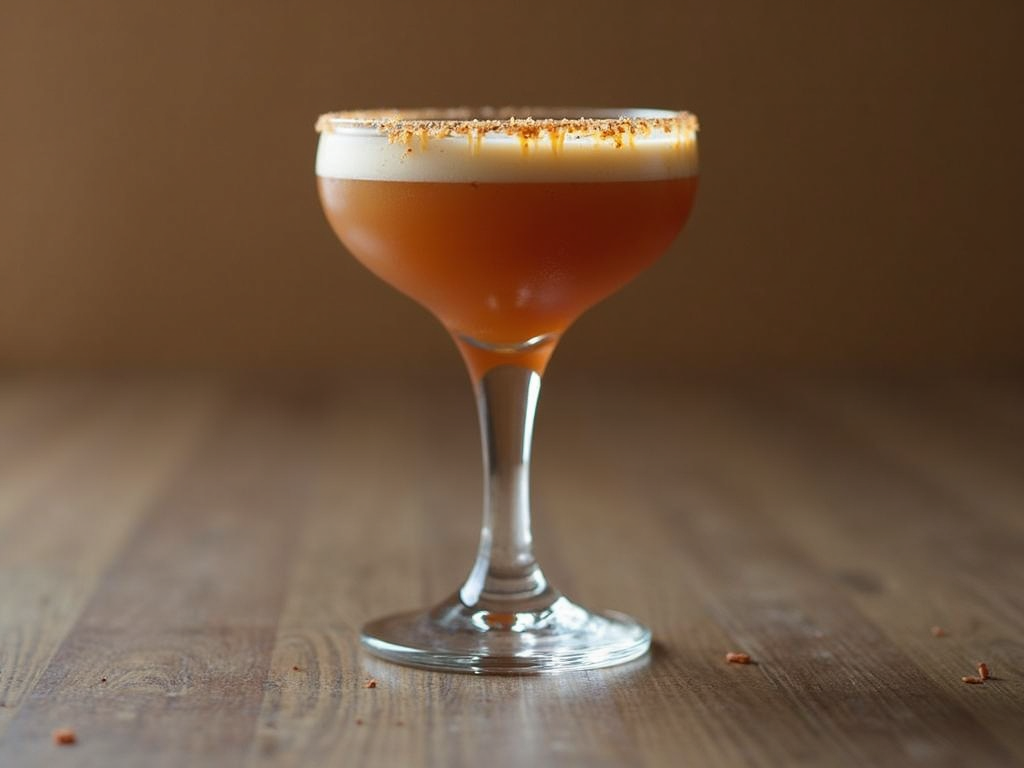
But most people dump table salt on their glass rim like they’re de-icing a sidewalk. Then they wonder why their Play Dirty chocolate salted caramel martini tastes like a melted candy bar mixed with regret.
Look, I’ve watched bartenders at high-end lounges make this drink hundreds of times. The difference between their version and yours? They understand the science. They know why Maldon sea salt flakes cost more than your entire spice rack but make all the difference. They get that shaking for 15 seconds versus 12 seconds means the difference between silk and slush.
Most chocolate salted caramel martini recipes online? They’re copying each other’s homework. Same ratios. Same instructions. Same mediocre results.
The Flavor Science Behind Your Chocolate Salted Caramel Martini
Salt enhances sweetness perception at 0.5-1% concentration while suppressing bitterness from chocolate liqueur. Let that sink in. You’re not adding salt to make things salty—you’re hacking your taste buds.
When sodium ions hit your tongue, they literally change how sweet receptors fire. It’s like turning up the volume on caramel notes while muting the harsh edges of cheap chocolate liqueur.
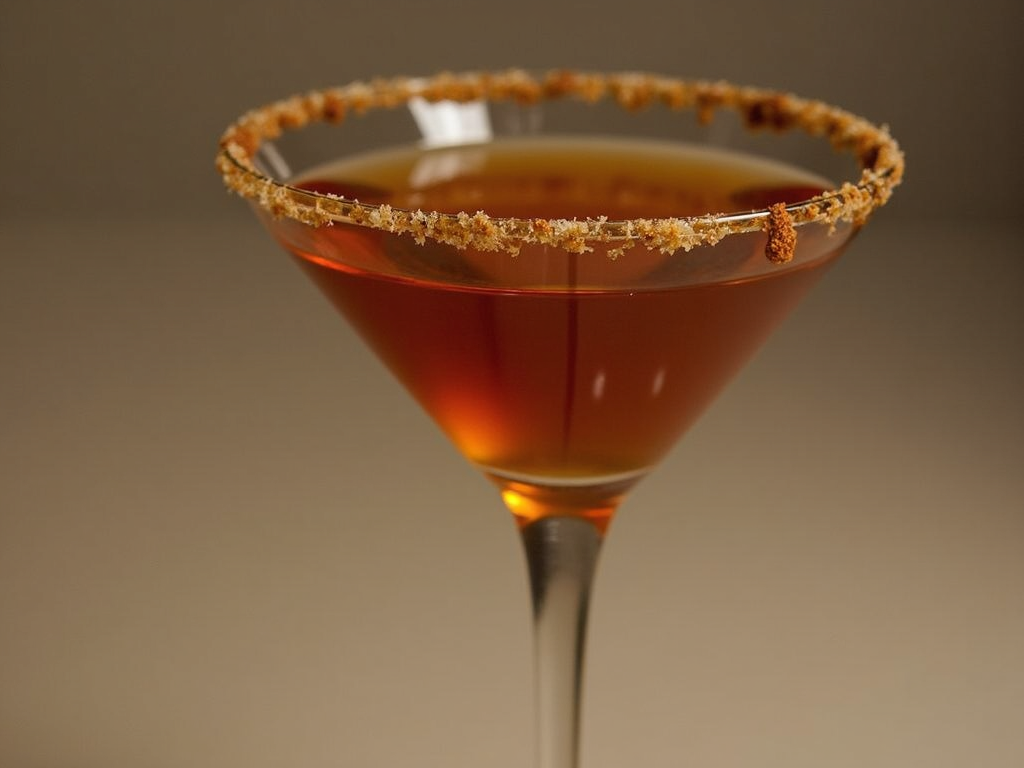
But here’s where people screw up: table salt is pure sodium chloride. Nothing else. It hits your palate like a sledgehammer. Sea salt? It’s got magnesium, calcium, potassium—all these minerals that create complexity. Maldon flakes dissolve at different rates, creating waves of flavor instead of one salty punch.
The fat content matters too. Heavy cream has 36% fat. Half and half? 12%. That’s a 66% reduction, but your mouthfeel only drops by about 20% if you nail the shaking technique. Fat molecules coat your tongue, slowing down flavor release. Too much cream and you’re drinking chocolate milk. Too little and the alcohol burns through.
Professional bartenders use a 2:1:1 ratio—two parts vodka to one part chocolate liqueur to one part cream. But they adjust based on the chocolate liqueur’s sugar content. Godiva runs sweeter than Kahlua. Van Gogh Dutch Caramel vodka needs less added sweetness than plain vodka.
Temperature changes everything. Cold dulls sweetness perception by about 20%. That’s why a perfectly balanced salted caramel martini cocktail at 38°F tastes too sweet at 45°F. Pre-chill your glasses. Use fresh ice. Keep your vodka in the freezer. These aren’t just fancy bar tricks—they’re chemistry.
Understanding the science is step one. But execution? That’s where the real magic happens.
Professional Techniques: From Glass Rimming to Chocolate Curl Mastery
Watch a pro rim a glass sometime. They don’t roll the whole rim in salt like they’re breading chicken cutlets. They do half the rim—exactly half—at a 3:1 caramel to sea salt ratio.
Why? Because your lips need somewhere to escape the salt intensity. Plus, it looks intentional instead of sloppy.
The caramel temperature matters. Room temperature caramel grabs salt better than cold. But warm caramel? It’ll slide right off your glass before you finish making the drink. Sweet spot is 72-75°F.
Now, chocolate curls. Everyone thinks you need fancy equipment. Nope. Take a decent chocolate bar—not chips, not syrup, a BAR—and microwave it for 10-15 seconds. Just enough to soften without melting. Run a vegetable peeler down the edge at a 45-degree angle. The curl forms naturally if your chocolate is the right temperature.
Too cold? It shatters. Too warm? Mushes into nothing.
I’ve seen bartenders charge $18 for this dirty chocolate martini just because they nail the garnish.
Speaking of garnish placement—2 o’clock position. Always. It photographs better, doesn’t interfere with drinking, and stays intact longer.
Those caramel drizzles inside the glass? Use a squeeze bottle, not a spoon. Start at the rim and spiral down in three rotations. Any more looks messy. Any less looks cheap. The drizzle should be thick enough to cling but thin enough to create clean lines. Heat your caramel to exactly 85°F if you want Instagram-worthy swirls.
One more thing—the shake. Pros count. Not time, but shakes. 25-30 times achieves 15% dilution. That’s the sweet spot where alcohol mellows without going watery. Over-shaking is the number one mistake home bartenders make. They think more effort equals better cocktail. Wrong. After 30 shakes, you’re just making expensive ice water.
Even with perfect technique, there are landmines everywhere in this recipe.
Common Mistakes That Ruin Your Salted Caramel Chocolate Martini
The worst mistake? Thinking all chocolate liqueurs are created equal. Godiva tastes like liquid Hershey’s Kisses. Kahlua brings coffee notes that clash with caramel. Cheap brands use artificial chocolate flavor that tastes like someone described chocolate to an alien who then tried to recreate it.
For a true Play Dirty-style martini, you need real cacao-based liqueur. Mozart, Tempus Fugit, or Drillaud if you’re fancy.
Table salt on the rim is cocktail murder. I don’t care if that’s all you have. Skip the rim entirely rather than use that processed garbage. The sodium chloride concentration is too high, the crystals too fine. It doesn’t adhere properly to caramel and dissolves instantly on your lips, flooding your palate with harsh saltiness.
Using pre-made caramel sauce straight from the fridge? Another killer. Cold caramel doesn’t incorporate with alcohol. It sinks or globs up. Room temperature or slightly warmed caramel blends seamlessly. And please, check the ingredients. High fructose corn syrup-based caramel tastes like disappointment.
Over-dilution from extended shaking turns your chocolate caramel martini recipe into brown water. But under-shaking leaves it harsh and boozy. Those 12 seconds I mentioned? That’s for standard ice cubes at 0°F. Larger ice needs 15 seconds. Crushed ice? Don’t even think about it.
Here’s one nobody talks about: glass temperature versus drink temperature mismatch. A room temperature glass will raise your martini temp by 7-10 degrees in under a minute. That’s the difference between refreshing and cloying. Freezer your glasses for at least 30 minutes. Not the fridge—the freezer.
And stop using Bailey’s as a cream substitute. Bailey’s is already sweetened and flavored. Adding it to an already sweet cocktail is like putting maple syrup on candy. If you want Irish cream notes, use it INSTEAD of chocolate liqueur, not in addition to.
How to Make Chocolate Salted Caramel Martini: The Right Way
First, forget everything you think you know about making dessert martinis. This isn’t about throwing sweet stuff in a shaker and hoping for the best.
Start with your chocolate salted caramel martini ingredients at the right temperature. Vodka from the freezer. Chocolate liqueur at room temp. Heavy cream slightly chilled. Caramel sauce warmed to 72°F.
The build order matters. Vodka first—it’s the lightest. Then chocolate liqueur. Finally, cream. This creates natural layers that blend perfectly when shaken.
Those 25-30 shakes I mentioned? Count them out loud if you have to. Your arm will want to stop at 20. Don’t let it.
When you strain, do it confidently. One smooth pour. Hesitation creates foam bubbles that ruin the silky texture you just worked for.
Now let’s put it all together into a system that actually works.
Play Dirty Chocolate Salted Caramel Martini Recipe Blueprint
Here’s the exact blueprint the pros use:
- 2 oz premium vodka (freezer cold)
- 1 oz quality chocolate liqueur (room temperature)
- 1 oz heavy cream (refrigerated)
- 0.5 oz salted caramel syrup (homemade or quality brand)
- Maldon sea salt flakes mixed with turbinado sugar (3:1 ratio)
- Dark chocolate bar for curls
Rim half your frozen martini glass with caramel, then the salt-sugar mix. The sugar adds texture contrast and amplifies the caramel notes.
Build your cocktail in the shaker. Add ice until it reaches just above the liquid line. Shake exactly 27 times—I’ve tested this obsessively.
Double strain through a fine mesh strainer. This catches ice chips that make your drink watery.
Drizzle the interior glass walls before pouring if you’re showing off. Place that chocolate curl at 2 o’clock.
The finished salted caramel vodka martini should look like liquid elegance and taste like the dessert menu and bar menu had a beautiful baby.
Temperature Control: The Secret Weapon
Most recipes ignore this, but temperature control separates amateur hour from pro-level chocolate cocktail recipes.
Your freezer should be at -5°F for proper glass chilling. Any warmer and you’re just making them cold, not frozen.
The cocktail itself should hit the glass at 28°F. It’ll warm to the perfect 32-34°F drinking temperature by the time it reaches your lips.
Ice quality matters more than you think. Those cloudy cubes from your freezer? They’re full of air bubbles that make them melt faster. Clear ice or fresh bagged ice works better.
Making a proper Play Dirty chocolate salted caramel martini isn’t about following another generic recipe. It’s about understanding why each element works. Salt enhances chocolate at the molecular level. Temperature controls sweetness perception. Fat content determines mouthfeel. Shaking time dictates dilution.
Get these fundamentals right, and you’re already ahead of 90% of home bartenders.
Start with the chocolate curl technique next time you’re near a chocolate bar and a microwave. Nail that, then work on your salt rim game. Once you taste the difference between table salt and quality sea salt on caramel, you’ll never go back.
The blueprint I laid out? It’s not just instructions—it’s the science of balancing flavors, the art of presentation, and the precision of professional technique rolled into one.
Your Play Dirty martini should taste like liquid dessert, not sugar water with a buzz. Now you know why most fail—and exactly how to fix it.