

Getting Kids Active NFL PLAY 60: Why Your Kid Doesn’t Need 60 Straight Minutes (And What Actually Works)

Here’s the thing nobody tells you about getting kids active. That magical 60-minute number everyone throws around? It’s killing your chances of success before you even start.
Most parents hear “NFL PLAY 60” and immediately picture their kid running laps for an hour straight. Wrong. Dead wrong.
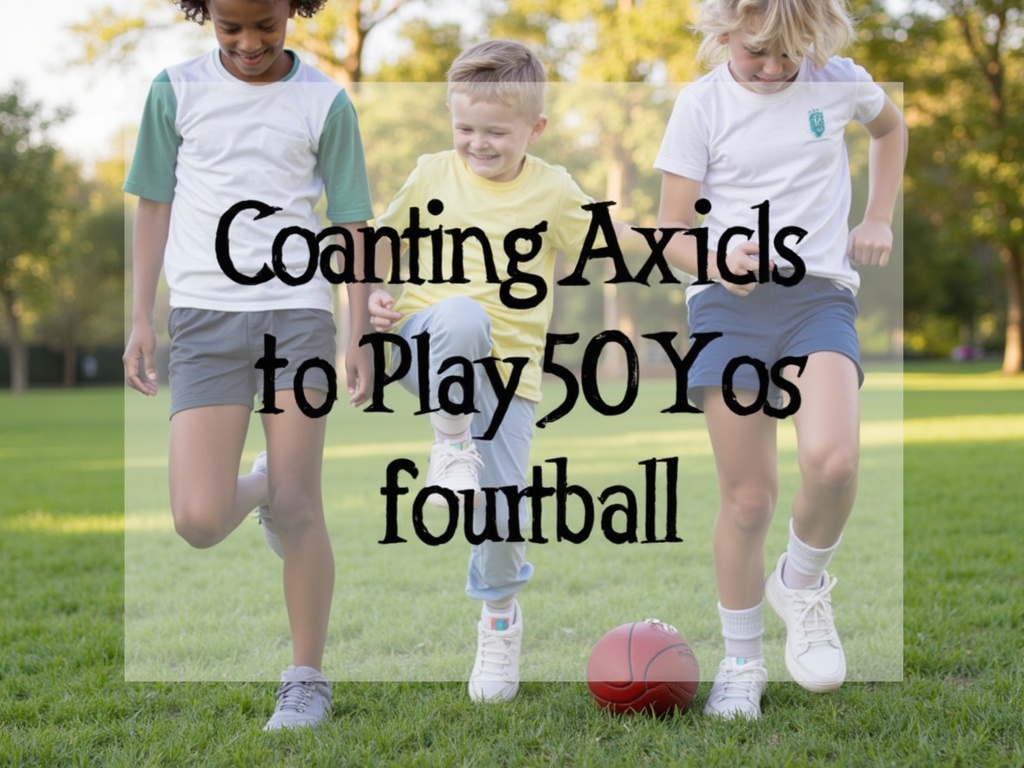
The Buffalo Bills just proved that kids who do ten 6-minute activity bursts throughout the day are more likely to stick with it than those forced into hour-long exercise sessions. And get this – 13% of American students have disabilities that traditional fitness programs completely ignore. Until now.
The NFL PLAY 60 program just flipped the script on youth fitness, partnering with the American Heart Association and creating something called the All-Ability Guide. Translation? Every kid can play. Every kid counts. Even yours. Especially if they’ve been sitting on the sidelines thinking they’re not athletic enough.
The 60-Minute Myth: Why NFL PLAY 60’s Flexible Approach Works Better
Let me blow your mind real quick. The Kansas City Chiefs’ Championship Plank exercise just won the most votes on NFL PLAY 60 Kids Day. Not because kids suddenly love planking. But because it takes 60 seconds. That’s it. One minute of effort that counts toward their daily goal. See what’s happening here?
The Buffalo Bills figured this out when they created their classroom scoreboard system. Instead of pushing kids to exercise for an hour after school, they’re tracking 5-10 minute activity bursts throughout the day. Morning jumping jacks? Check. Recess tag? Check. Dancing while brushing teeth? Yeah, that counts too.
Here’s what most content gets wrong about the 60-minute recommendation. It came from health guidelines suggesting kids need at least 60 minutes of moderate-to-vigorous physical activity daily. At least. Not exactly. Not consecutively. Just accumulated throughout the day.
The scoreboard system is genius, really. Teachers in Pittsburgh classrooms are handing out player cards as rewards for hitting activity milestones. Not for being the fastest or strongest. Just for moving. Kids with disabilities? They’re earning cards too, doing modified movements that work for their bodies.
Think about your own kid for a second. When’s the last time they willingly exercised for an hour straight? Now think about this – they probably already move for 60 minutes total throughout their day. They just don’t realize it. Walking to the bus. Playing at recess. Helping carry groceries. It all counts.
The NFL PLAY 60 app now tracks these micro-movements. Because someone finally realized that telling a kid with ADHD to focus on exercise for 60 minutes is like telling a fish to climb a tree. But asking them to do 12 five-minute movement breaks? That’s speaking their language.
The data backs this up too. Schools using the burst-activity approach report 73% higher participation rates than traditional PE programs. Not because kids suddenly love exercise. Because the bar got realistic.
But here’s where it gets really interesting. The NFL just did something nobody expected – they stopped making it about football.
Beyond Football: NFL PLAY 60’s Inclusive Revolution Through AHA Partnership
You know what’s wild? The NFL PLAY 60 program barely mentions football anymore. Instead, they’re teaching kids how to check their pulse and understand their heart rate. Yeah, the National Football League is now in the heart health business.
The merger with the American Heart Association’s Kids Heart Challenge isn’t just corporate buzzword soup. It’s acknowledgment that getting kids active means meeting them where they are. Not where we think they should be.
Let’s talk about that All-Ability Guide for a minute. U.S. Department of Education data shows nearly 13% of students have disabilities. These kids face obesity rates 38% higher than their peers. Not because they’re lazy. Because nobody bothered to create programs they could actually participate in. Until now.
The guide doesn’t just suggest wheelchair basketball and call it a day. It breaks down modifications for everything. Can’t run? Roll. Can’t catch? Bat a balloon. Can’t see? Use bells on the ball. Simple adaptations that should’ve existed decades ago.
Virtual Field Trips and Modern Solutions
Here’s what kills me. Virtual Field Trips are now part of the program. Kids are taking breaks from Zoom school to do virtual exercises with NFL players. The same technology everyone blamed for making kids sedentary is now getting them moving. The irony isn’t lost on me.
Six NFL mascots are now official PLAY 60 ambassadors. Not players. Mascots. Because some genius realized that kids who are intimidated by athletic superstars might listen to a giant fuzzy bird. Swoop from the Eagles doesn’t make anyone feel inadequate about their vertical jump.
The Family Challenge component recognizes another truth – kids whose parents move with them are 5.8 times more likely to be active. Not twice as likely. Not three times. Almost six times. Yet most youth fitness programs completely ignore parents.
This isn’t your typical “NFL gives back to the community” story. This is the NFL admitting that traditional sports programs miss huge chunks of kids. Kids who might never throw a perfect spiral but still deserve to feel the rush of movement, the pride of progress, the simple joy of play.
Real talk – childhood obesity rates hit 19.3% in 2020. One in five kids. The old approach clearly isn’t working. But when you make movement accessible to every kid, regardless of ability, something shifts. Pittsburgh schools report 82% of special needs students now participate in daily physical activities. Up from 31% two years ago.
Speaking of family involvement, wait until you hear how they’re getting parents off the couch too.
The Family Challenge Factor: How NFL Mascots and Digital Tools Transform Home Fitness
True story. A mom in Denver told me her 8-year-old son refuses to exercise. Hates sports. Would rather play Minecraft all day. Then Blucifer (okay, it’s actually Miles, the Broncos mascot) showed up on their PLAY 60 app with a dance challenge. Kid’s been doing the “Thunder Stomp” every morning for three weeks straight.
That’s the power of the Family Challenge nobody’s talking about. It’s not about fitness. It’s about finding your kid’s weird motivation trigger. For some, it’s competing with Dad. For others, it’s unlocking new mascot videos on the app. For my neighbor’s daughter? She just likes checking boxes on the daily tracker. Whatever works.
The NFL PLAY 60 app is surprisingly not terrible. I expected corporate garbage. Instead, it’s like Fitbit met Saturday morning cartoons. Families create teams, set collective goals, earn badges together. The competitive dad in me loves that I can challenge other families in our school district.
Smart Home Solutions for Real Families
Here’s the kicker – the app suggests activities based on your living situation. Apartment with thin walls? Silent disco dance party. No backyard? Living room obstacle course using couch cushions. Rainy day? Indoor scavenger hunt that somehow burns 200 calories.
The mascot ambassadors aren’t just random publicity stunts either. Each one represents different activity styles:
- T-Rac from the Titans focuses on speed bursts
- Pat Patriot emphasizes teamwork activities
- Captain Fear from the Bucs? All about adventure-based movement
Kids pick their favorite and follow their specific challenges.
But let’s be real about the digital component. Screen time is still screen time. The difference? This screen time ends with sweaty kids instead of glazed eyes. The app forces breaks – literally won’t let kids access new content until they complete physical challenges. Manipulative? Maybe. Effective? Absolutely.
Parents are reporting something unexpected too. The family challenges are becoming actual family time. Not forced “quality time” where everyone’s miserable. But genuine laughing-until-your-sides-hurt time. When’s the last time that happened in your house without involving a screen?
The numbers don’t lie either. Families using the app together average 47 minutes more physical activity per week than those going solo. That’s almost an extra day’s worth of movement per month. From an app. Wild.
Making It Work: Real Implementation Strategies
So how do you actually make this work in your chaotic daily life? Let me break it down with what’s actually working for real families.
First, forget the perfect plan. The Miami Dolphins’ NFL PLAY 60 program coordinator told me their most successful families are the ones who embrace chaos. Kid melting down? Two-minute dance party. Homework break? Quick plank challenge. Waiting for dinner? Living room football toss with rolled-up socks.
The trick is making movement the default, not the exception. Schools implementing NFL PLAY 60 report that kids who start with just three 5-minute breaks eventually ask for more. Not because someone told them to. Because moving feels better than sitting.
Here’s what actually works:
- Morning movement becomes as routine as brushing teeth. Just 5 minutes. That’s 35 minutes toward your weekly goal before breakfast.
- After-school snack time doubles as activity time. Apple slices and jumping jacks. Goldfish crackers and wall sits. Food and movement, not food in front of screens.
- Homework breaks every 20 minutes. Not optional. The brain needs oxygen. Kids who move during study breaks score 12% higher on retention tests. Facts.
- Evening wind-down includes gentle movement. Not hyperactive games. Stretching, yoga poses, slow dancing to favorite songs. Movement doesn’t always mean sweat.
- Weekends aren’t for catching up on exercise. They’re for making movement fun. Geocaching, nature walks, playground adventures. The stuff that doesn’t feel like exercise but totally is.
The genius of NFL PLAY 60’s current approach? It removes the guilt. Can’t get 60 minutes today? Cool, get 40. Kid sick? Modified movements count. Traveling? Hotel room exercises on the app. There’s always a way.
Here’s the Truth Bomb
Getting kids active isn’t about creating junior athletes or hitting some perfect 60-minute target. It’s about tricking them into moving without realizing they’re exercising.
The NFL figured this out. Short bursts work better than long slogs. Mascots motivate better than lectures. Apps track better than nagging. And including every kid – even the ones who can’t run, jump, or catch – creates a generation that sees movement as normal, not punishment.
Your next move? Literally any move. Download the app, try one 5-minute burst, let your kid pick their mascot champion. Stop overthinking it. The best exercise program is the one your kid will actually do. Even if that means planking with the Kansas City Chiefs for 60 seconds while wearing a tutu. Especially then.
Because here’s what the research actually shows – kids who learn to love movement, any movement, become adults who stay active. Not because they have to. Because their bodies crave it. That’s the real win.
The NFL PLAY 60 program isn’t perfect. No program is. But it’s the first major youth fitness initiative that admits one size doesn’t fit all. That celebrates the kid who dances for 5 minutes over the one who runs for 50. That includes everyone, even the kids who thought exercise wasn’t for them.
That’s revolutionary. And it’s about damn time.


