

The Slam Dunk Orange Beer Cocktail: Why Your Recipe Is Wrong (And How to Fix It)

Let me guess. You’ve been pouring equal parts beer and orange juice into a glass, stirring it around, and wondering why it tastes like disappointment with a side of flat.
Here’s the thing nobody tells you about beer cocktails: they’re not just drunk food. They’re chemistry experiments that most people fail spectacularly.
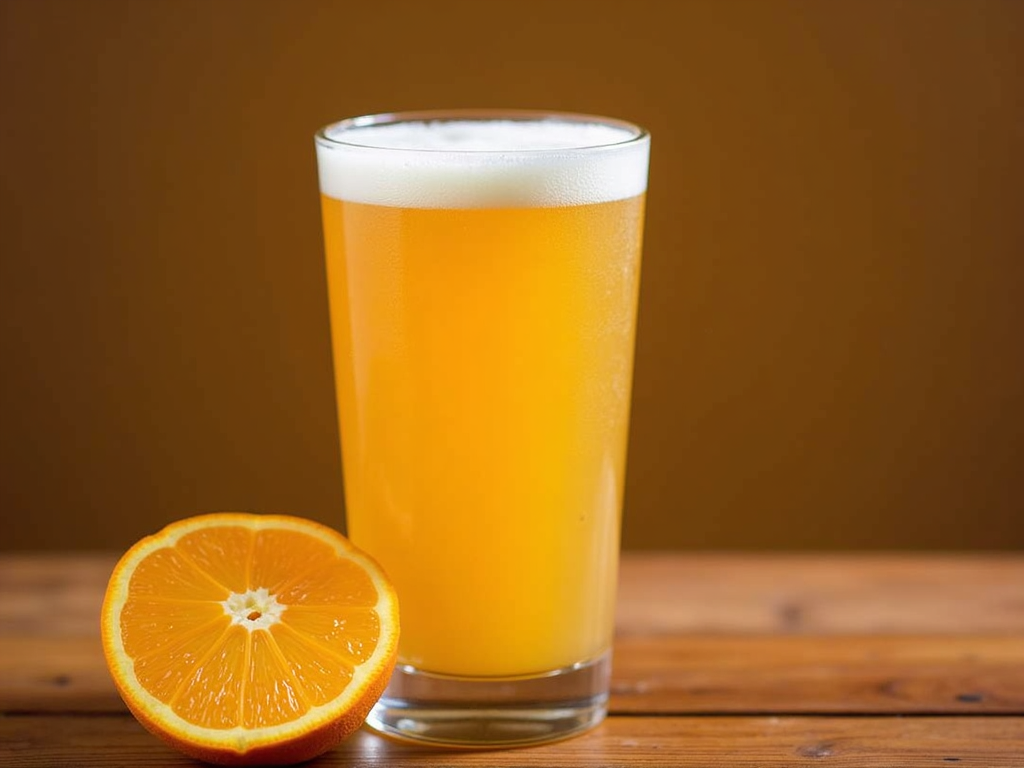
Last March Madness, I watched a bartender at a packed sports bar throw away batch after batch of orange beer cocktails because they kept going flat before they hit the table. The problem? He was treating beer like it was vodka.
Beer doesn’t play by the same rules. It’s got carbonation to protect, pH levels to balance, and flavor compounds that’ll fight your orange juice harder than two point guards going for a loose ball.
But when you nail the science—and I mean really nail it—you get something magical. A cocktail that keeps its fizz, balances sweet and bitter like a perfectly executed pick-and-roll, and makes people ask for your recipe.
Which you’ll give them. Because unlike that bartender, you’re about to learn what actually works.
The Science of Beer and Citrus: Why Most Orange Beer Cocktails Fail
Here’s what kills me. People think mixing beer and orange juice is like making chocolate milk. Just dump, stir, done.
Wrong. Dead wrong.
Beer is alive. It’s got CO2 dissolved in it at a specific pressure, yeast compounds floating around, and hop oils that hate acidic environments. Orange juice? It’s basically citric acid with a marketing degree.
When these two meet without proper introduction, it’s chaos. The acid murders your carbonation. The hop compounds turn bitter and weird. Your beautiful foam head commits suicide. You end up with something that tastes like someone mixed flat beer with pulpy regret.
The pH of orange juice sits around 3.5. Most beers hover between 4.0 and 4.5. That might not sound like much, but on the pH scale, that’s the difference between a gentle breeze and a hurricane. Mix them wrong, and the acid wins every time.
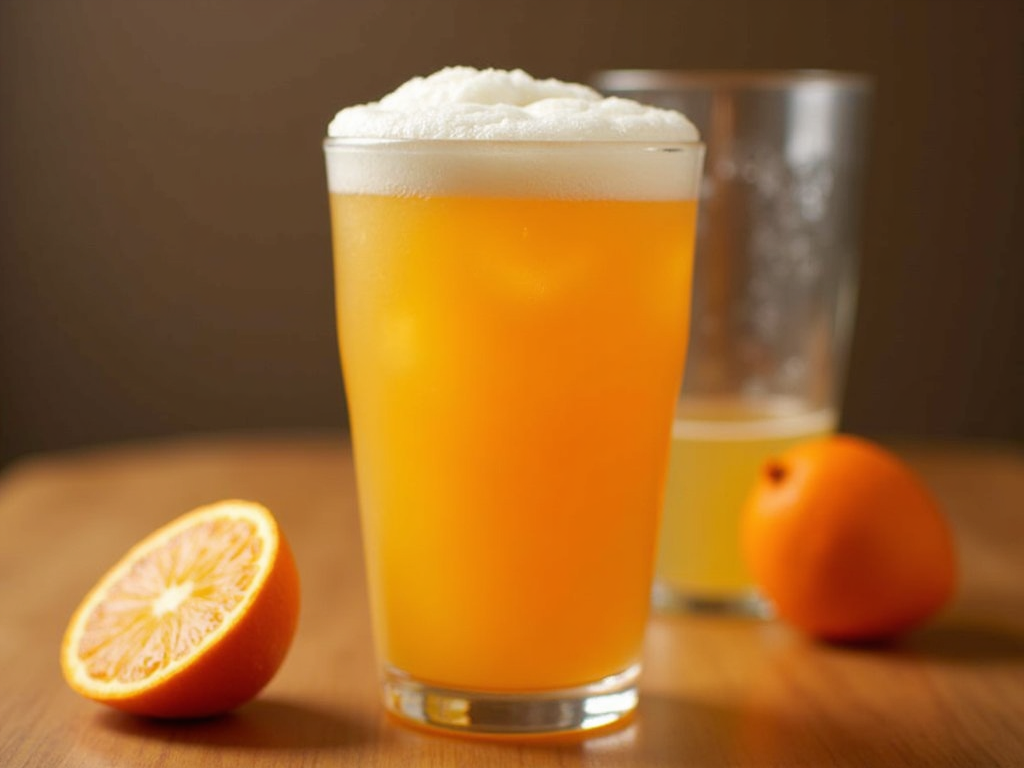
But here’s what the craft beer revolution taught us: not all beers surrender equally.
Session IPAs—those beautiful 4.5% ABV wonders—keep their carbonation better when mixed because they’re brewed with lower residual sugars. Wheat beers? They’ve got proteins that actually help stabilize the mixture. That Belgian wit you’ve been ignoring? Its natural citrus esters make orange juice feel at home instead of like an invader.
Temperature matters too. Cold beer holds carbonation better—that’s basic physics. But orange juice at fridge temp (around 40°F) is too cold to release its aromatic compounds. You need that juice at 45-50°F for optimal flavor release. Yeah, I use a thermometer for my cocktails. Judge me.
The biggest mistake? Ice directly in the mixing vessel. Every cube is a carbonation assassin. The surface area creates nucleation sites where CO2 escapes faster than your dignity at a work happy hour. Ice goes in the glass first. Always. No exceptions.
Now that you understand why your cocktails have been failing, let’s talk ratios. Because this is where the real magic happens.
The 3:1 Golden Ratio: Perfecting Your Slam Dunk Orange Beer Cocktail Recipe
I’m about to save you years of trial and error. Ready?
For wheat beers and light lagers under 5% ABV: three parts beer, one part fresh orange juice. Write it down. Tattoo it on your mixing hand. This isn’t arbitrary.
During March Madness 2023, a sports bar in Denver ran an experiment. Same beer, same juice, different ratios. The 50/50 mix? Forty percent of them came back unfinished. The 3:1 ratio? They couldn’t make them fast enough. Customer orders jumped when they switched ratios. That’s not luck. That’s science meeting reality.
Here’s why it works. At 3:1, you maintain enough beer volume to preserve carbonation while adding just enough citrus to brighten without dominating. The beer still tastes like beer. The orange adds complexity without turning it into boozy breakfast juice.
But—and this is crucial—IPAs need 4:1. Their hop bitterness requires less citrus to achieve balance. Any more and you get that weird metallic taste that makes people think they’re drinking pennies.
ABV changes everything. A 7% Belgian strong ale? You might push 5:1. The alcohol content affects how flavors bind and perceive sweetness. Higher ABV beers have more residual sugars and stronger flavor compounds that need less citrus interference.
Fresh juice only. I cannot stress this enough. That concentrated stuff from the freezer? It’s too acidic, too sweet, and has none of the essential oils from fresh peel. You want Valencia or navel oranges—blood oranges if you’re feeling fancy and can handle the Instagram comments.
The Perfect Pour Method
The pour matters. Beer first, angled at 45 degrees down the side of the glass. Let it settle for literally three seconds. Then add juice slowly down a bar spoon or the side of the glass. This preserves carbonation and creates natural layering that looks professional and tastes better.
Stir once. Gently. With a bar spoon, not a butter knife from your kitchen drawer.
Speaking of beer choices, let’s blow up the myth that you need Blue Moon for a good orange beer cocktail.
Beyond Blue Moon: Craft Beer Pairings That Elevate Orange Cocktails
Blue Moon is training wheels. There, I said it. It’s fine. It works. But it’s like saying Wonder Bread makes the best sandwiches. You’re missing entire flavor universes.
Last summer, I served a Slam Dunk made with a chocolate orange stout at a backyard party. People lost their minds. The cocoa notes with fresh orange? It’s like drinking a Terry’s Chocolate Orange, but cooler and with a buzz.
Belgian tripels work magic with orange juice. Those fruity esters—banana, clove, sometimes bubblegum—play with citrus like jazz musicians jamming. Delirium Tremens with blood orange juice? That’s not a cocktail, that’s an experience.
Here’s the controversial one: certain IPAs absolutely crush it with orange juice. Not your bitter bombs from 2015. I’m talking modern session IPAs with tropical hop profiles. Citra, Mosaic, Galaxy hops—they already taste like fruit. Add actual fruit? Mind blown.
Pilsners bring crisp, clean bitterness that cuts through orange sweetness like a knife through butter. German or Czech pils with fresh-squeezed OJ and a splash of orange liqueur? That’s brunch excellence.
Don’t sleep on sour beers either. A Berliner Weisse is already tart and low ABV—basically begging for orange juice. The acidity actually complements rather than fights. It’s the cocktail equivalent of finding out your worst enemy is actually your best friend.
Local Brewery Gold Mines
Local breweries are goldmines for this. That small-batch wheat beer with coriander? Perfect. The session IPA with lactose? Creamsicle vibes. Talk to your local beer nerds. They know things.
For the adventurous: try a porter. I know it sounds insane. But a coffee porter with orange juice tastes like those chocolate oranges you smash on Christmas morning. Start with 5:1 ratio though. Baby steps.
Now that you know what to pour, let’s nail down some game day variations that’ll make you the MVP of any basketball party.
Game Day Variations: Basketball-Themed Orange Beer Cocktails
March Madness calls for special ammunition. These aren’t your basic beermosas.
The Full Court Press: Start with a hefeweizen base, add fresh orange juice at that golden 3:1 ratio, then float a half ounce of Grand Marnier on top. Garnish with an orange wheel and a sugared rim. It’s fancy enough for the finals but easy enough to make during commercials.
The Triple Double: Three beers, three juices. Mix equal parts wheat beer, pilsner, and a light IPA. Then hit it with orange, mandarin, and a splash of grapefruit juice. Sounds complicated? It’s not. The citrus blend creates complexity that straight OJ can’t touch.
The Sixth Man: This one’s for your designated driver. Non-alcoholic wheat beer exists, and it makes killer orange beer cocktails. Same ratios apply. Nobody gets left out of the game.
For tailgate situations where glass is banned, pre-batch your orange beer cocktails in growlers. Mix everything except the beer, then add it right before serving. Keeps the carbonation alive and your drinks legal.
The frozen version works too. Blend orange juice with a touch of simple syrup and freeze in ice cube trays. Drop those cubes into cold beer. As they melt, they release flavor without diluting too fast. It’s the slam dunk orange beer cocktail that stays cold through overtime.
Troubleshooting Common Orange Beer Cocktail Failures
Your beer cocktail tastes flat? You mixed it too aggressively. Beer isn’t a martini. It doesn’t want to be shaken or stirred into submission.
Too bitter? Your ratio’s off, or you’re using the wrong beer. IPAs and orange juice need a gentle touch. When in doubt, add less juice, not more.
Weird metallic aftertaste? That’s hop oils reacting with citric acid. Switch to a wheat beer or pilsner. Not every beer plays nice with orange.
Foam disappears instantly? Your glass has soap residue. Rinse it again. Then rinse it one more time. Soap is foam’s mortal enemy.
Too sweet? You’re using navels when you should use Valencias. Or worse, you’re using that pre-made juice from a carton. Fresh only. Always.
Look, making a proper Slam Dunk Orange Beer Cocktail isn’t rocket science. But it’s not grunt work either. It’s about respecting the ingredients, understanding the chemistry, and caring enough to measure properly.
Most people won’t. They’ll keep pouring 50/50 mixes of warm beer and concentrated OJ, wondering why their drinks taste like sadness.
You’re different now. You know about the 3:1 ratio. You understand why carbonation matters. You’ve got a list of beers that’ll make your orange cocktails sing instead of sob.
Start with the basics: cold wheat beer, fresh orange juice, proper ratios. Master that. Then branch out. Try that Belgian tripel. Experiment with blood oranges. Get weird with a chocolate stout.
Your taste buds will thank you. Your friends will demand recipes. And somewhere, that Denver bartender who cracked the ratio code is smiling. Because another person finally gets it: beer cocktails aren’t simple. They’re just misunderstood.
Now get out there and slam dunk your way to orange beer cocktail greatness. Just remember—3:1, fresh juice, gentle pour. Everything else is just showing off.


