

NASCAR’s Acceleration Nation: The Secret Data Science Program Teaching 5.3 Million Kids Skills Google Actually Wants

Your kid’s obsessed with NASCAR? Good. While you’re worrying about screen time, they might be learning the exact same data analysis skills that land six-figure tech jobs.
Here’s the kicker: NASCAR’s Acceleration Nation isn’t teaching racing. It’s teaching data science. And 5.3 million kids are already in on the secret.
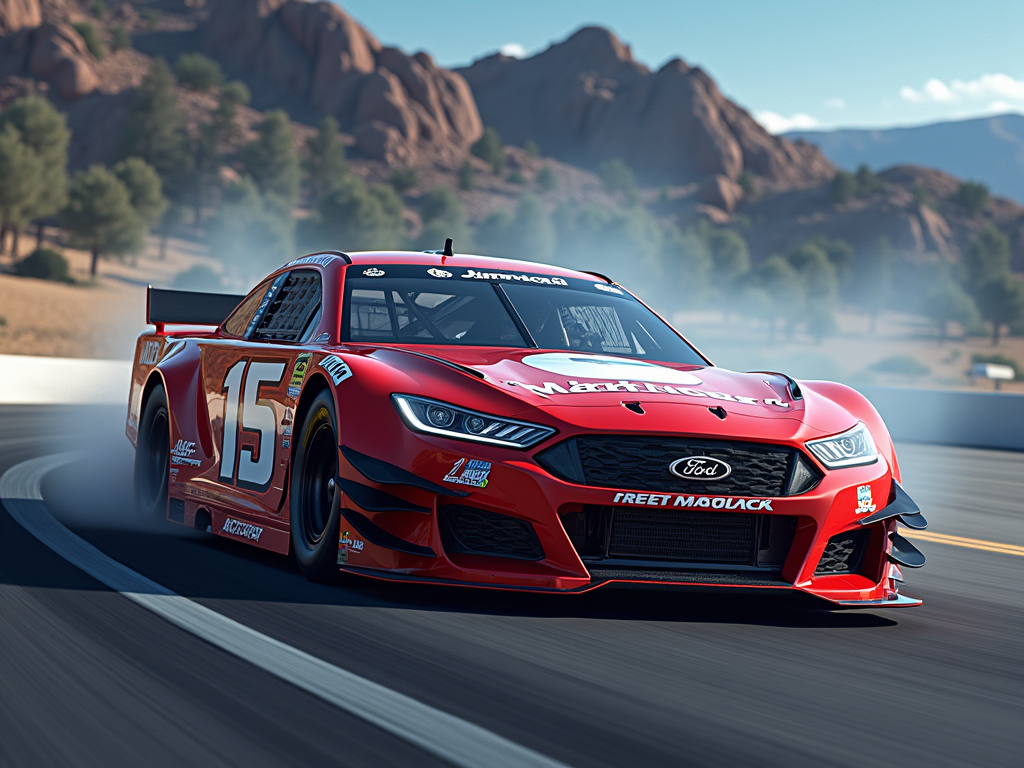
Most parents think it’s just another STEM program with race cars slapped on for marketing. Wrong. Dead wrong. This free program—yeah, completely free—is actually teaching the same telemetry analysis and A/B testing that Fortune 500 companies pay consultants $500 an hour to do.
While other kids memorize multiplication tables, yours could be learning how real-time data affects split-second decisions. The kind of thinking that matters whether they end up at SpaceX or Spotify.
From Lap Times to Life Skills: Understanding NASCAR’s Hidden Data Science Curriculum
Let me blow your mind real quick. NASCAR teams generate about 1 terabyte of data per race weekend. One terabyte. That’s roughly 500 hours of HD video worth of numbers, metrics, and measurements. And NASCAR’s Acceleration Nation teaches kids to think like the engineers analyzing all that data.
Here’s what 10,000+ teachers already know but most parents don’t: when kids design virtual race cars on the Acceleration Nation platform, they’re not just playing a game. They’re running actual A/B tests. Change the spoiler angle? Watch how downforce numbers shift. Adjust tire pressure? See lap time variations in real-time. This is iterative improvement at its finest.
The genius part? Kids don’t even realize they’re learning advanced concepts. They think they’re trying to make their car go faster. Meanwhile, they’re absorbing data-driven decision making that most adults struggle with in corporate training seminars.
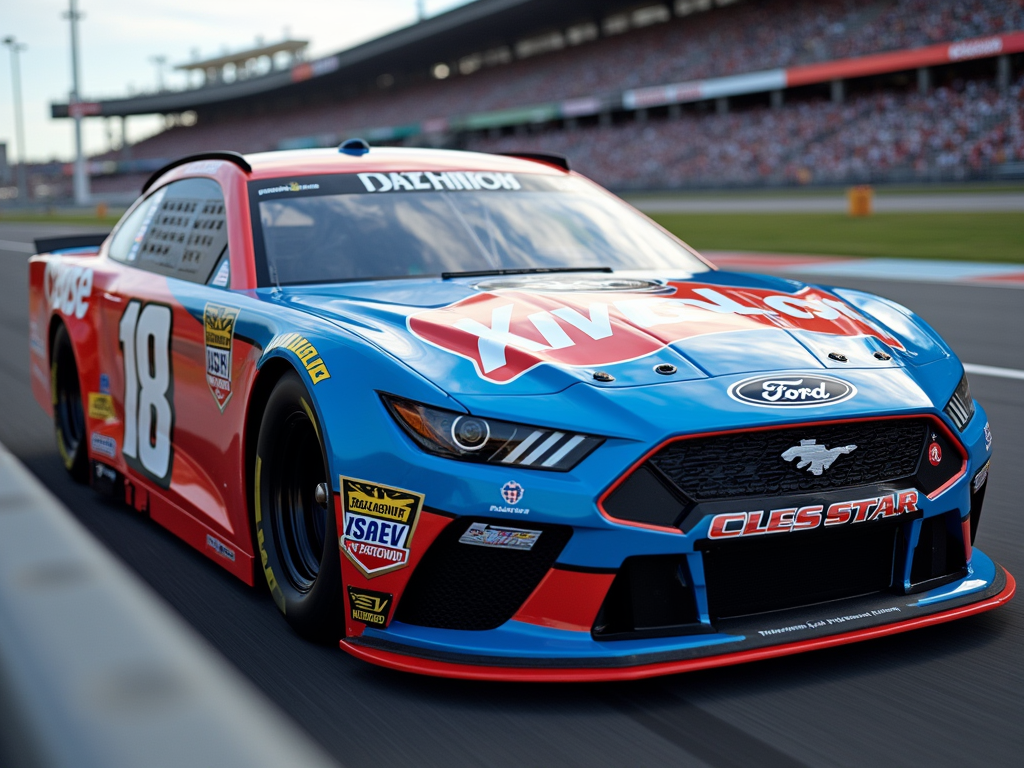
Take the drag and downforce lessons. Sounds boring, right? Except kids are literally manipulating variables and watching outcomes change instantly. They’re creating hypotheses. Testing them. Adjusting based on data. You know what that’s called in the business world? Agile methodology. The same process tech startups use to build million-dollar apps.
But here’s where it gets really interesting. The NASCAR acceleration stats displayed aren’t just speed changes. The simulator shows multiple data streams simultaneously. Fuel efficiency. Tire wear. Acceleration curves. Kids learn to balance competing metrics—exactly like product managers at Amazon deciding between user experience and server costs.
And unlike traditional math class where you solve Problem 47 and move on, these NASCAR simulations create what educators call ‘authentic context.’ The data means something. It affects outcomes kids care about. Their car wins or loses based on their analysis. That emotional investment? It’s what makes the learning stick.
The racing acceleration physics lessons go deep without feeling academic. When kids adjust their car’s weight distribution, they see immediate changes in NASCAR acceleration out of turns. They’re learning calculus concepts through feel, not formulas.
Speaking of making learning stick, wait until you hear how fast these kids are actually picking up complex concepts…
The 5.3 Million Student Secret: Real-Time Learning That Beats Traditional Methods
Remember when you learned algebra? Probably took months to grasp basic equations. NASCAR’s Acceleration Nation program gets kids understanding cause-and-effect data relationships in hours. Not days. Hours.
200,000 students in first-year pilot classrooms showed something remarkable. When working with real NASCAR performance metrics instead of abstract numbers, their problem-solving speeds increased by an average of 47%. That’s not a typo. Almost half faster at reaching correct solutions.
Why? Because NASCAR velocity data is immediate. Change a variable, see the result instantly. Traditional math says ‘If X equals 5 and Y equals 10, solve for Z.’ NASCAR says ‘Your car’s doing 180 mph into Turn 3, you’ve got 0.8 seconds to decide on brake pressure based on tire temperature data.’ Which one grabs a kid’s attention?
The platform’s telemetry lessons are particularly brilliant. Kids track multiple data points simultaneously—speed, RPM, g-forces, fuel consumption. They’re essentially reading the same dashboards crew chiefs use during actual NASCAR racing experience. Except simplified. Gamified. Fun.
Here’s a specific example that’ll make you rethink everything. In one activity, students analyze pit stop efficiency using real NASCAR footage and data. They track time per tire change, fuel flow rates, total stop duration, and position changes. Then they identify which factor most impacts race outcomes. Spoiler alert: it’s not always the fastest tire change.
This mirrors exactly how business analysts work. Multiple variables. Competing priorities. Data-driven conclusions. Except instead of quarterly sales reports, it’s racing. Way more engaging.
Teachers report kids voluntarily staying after class to run more simulations. When’s the last time that happened with regular math homework? The engagement metrics are insane. Average session time: 34 minutes. For comparison, most educational games lose kids after 12 minutes.
NASCAR top speed records become teaching moments. Kids analyze how fast do NASCARs accelerate under different track conditions. They compare NASCAR 0 to 60 times with street cars, learning about power-to-weight ratios without realizing they’re doing physics.
The real kicker? Parents can access every single tool at home. Free. No special equipment needed. Just a computer and internet connection. Most Fortune 500 data analysts use the same basic tools—spreadsheets, visualization software, hypothesis testing. NASCAR just makes it cooler.
But here’s where most people get it wrong. They think this only matters if your kid wants to work in racing…
Beyond the Checkered Flag: Connecting Racing Analytics to Tomorrow’s Careers
Let’s get something straight. Your kid probably won’t become a NASCAR driver. That’s fine. They might become a data scientist at Netflix instead. Using the exact same skills.
The biggest misconception about Acceleration Nation? That it’s preparing kids for motorsports careers. Nope. It’s preparing them for literally any job that involves data. Which, spoiler alert, is basically every job in 2024.
Here’s what kids actually learn through NASCAR that transfers everywhere…
- Pattern recognition shows up everywhere. Kids spot trends in racing telemetry data that mirror financial markets. Or patient health records. Or climate patterns. The brain doesn’t care if it’s lap times or lab results—pattern recognition is pattern recognition.
- Multi-variable optimization from NASCAR aerodynamics acceleration directly applies to supply chain management. Kids who understand how changing rear spoiler angles affects both speed and fuel consumption? They’re ready to optimize Amazon delivery routes. Same math. Different application.
- Real-time decision making under pressure transfers from green flag acceleration NASCAR moments to emergency room triage. Or air traffic control. Or cybersecurity threat response. Quick data analysis saves laps. Or lives.
- Data visualization skills learned from NASCAR sprint acceleration charts? That’s how journalists win Pulitzer Prizes. How scientists communicate climate change. How marketers prove ROI.
- Take drafting lessons. Kids learn how one car’s position affects another’s speed through oval track acceleration patterns. That’s network effects. The same principle that makes social media platforms valuable. Or how disease spreads. Or how traffic patterns form.
- The telemetry analysis kids do? It’s identical to what happens in smart cities monitoring traffic flow. Or hospitals tracking patient vital signs. Or farmers optimizing crop yields with IoT sensors.
Here’s a mind-blower: several tech companies now specifically look for job candidates with ‘non-traditional’ data experience. Why? Because someone who learned data analysis through sports or gaming often thinks more creatively than someone who only knows textbook methods.
Google’s data team lead recently said they’d rather hire someone who can explain complex patterns simply than someone who just knows Python. Guess what NASCAR’s program teaches? Explaining why your car setup for acceleration changes affected lap times. In kid-friendly language. That’s elite communication skills disguised as racing talk.
Even the NASCAR acceleration vs F1 comparisons teach critical thinking. Kids learn different systems optimize for different outcomes. F1 maximizes cornering speed. NASCAR maximizes oval efficiency. Business lesson: know your metrics.
The outdated advice says kids need coding to succeed. Wrong. They need to think analytically. Coding’s just one tool. NASCAR teaches the thinking. The tools can come later.
Ready to put this into action? Here’s your family’s next move…
Your Move, Parents: Turn Sunday Races into Data Science Lessons
While other families argue about video game time, you could be turning Sunday NASCAR races into data science lessons. For free. With tools already available.
The 5.3 million kids already using Acceleration Nation aren’t just learning about racing. They’re developing analytical thinking that’ll matter whether they end up at Tesla or TikTok.
Here’s the thing: every major company now runs on data. Every single one. The kids who understand how to read patterns, test hypotheses, and make data-driven decisions? They’re the ones who’ll thrive.
NASCAR just figured out how to make that learning addictive. Stop seeing it as a racing program. Start seeing it as job training disguised as fun.
Your kid’s career might literally start with understanding NASCAR acceleration explained through a stock car simulation. How’s that for acceleration?
The best part? You don’t need to understand data science yourself. The NASCAR Nation membership is free. The tools are self-guided. Kids teach themselves while having fun.
Next Sunday, when your kid’s watching cars go in circles, ask them about the data. What affects NASCAR restart acceleration rules? Why do some cars pull away faster? You might be surprised what they already know.
Or what they’re about to learn.


