How Your Kitchen Layout Affects Healthy Eating

Kitchen design influences 65% of daily food decisions, yet most people never connect the dots. That sink sitting more than a meter from the countertop? It increases cross-contamination risk nine times. Limited counter space creates mental barriers to cooking, with every missing 10 square feet correlating to 15% more takeout orders. Cluttered pantries hide healthy options while showcasing junk food. Poor layouts force unnecessary movement, killing cooking ambitions before they start. The solution involves understanding how specific design elements trigger these sabotaging behaviors.

While most people blame willpower for their unhealthy eating habits, the real culprit might be sitting right in their kitchen. Research shows kitchen design influences up to 65% of daily food decisions. That’s right – the layout isn’t just about aesthetics.
The distance between sink and countertop matters more than anyone realized. When that gap exceeds one meter, the probability of cross-contamination events jumps nine times higher. People with sinks outside the cooking area keep reusing dirty cutting boards and knives. Gross, but predictable. Those with kitchen sinks wash their hands with soap twice as often as those without them. Convenient sink access during cooking makes frequent handwashing actually happen.
Sinks more than one meter from countertops increase cross-contamination risk nine times over.
Traditional work triangles? They don’t support food hygiene practices as effectively as alternative designs. The SafeConsume project proposes a food safety triangle connecting sink, food preparation area, and stove for optimal hygiene. Maintaining optimal distances of 42-48 inches between these fixtures creates efficient workflow while preparing meals. Poorly designed layouts force constant back-and-forth movement between fridge, sink, and stove. It wastes time, energy, and patience. Smart layouts reduce unnecessary steps and keep cooks focused on their tasks.
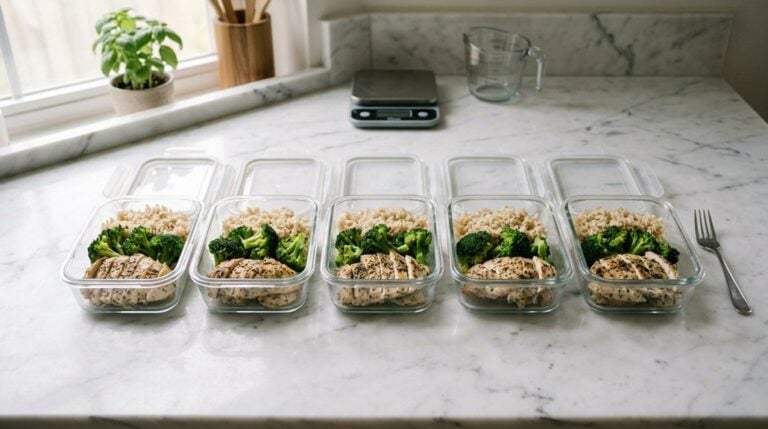
Counter space acts like a psychological trigger. Sufficient workspace functions as a blank canvas that inspires productivity and creativity. Limited counter space? That creates mental barriers to home cooking, pushing people toward processed foods and fast food. Every 10 square feet of prep space correlates with a 15% reduction in takeout ordering. Adequate surfaces let cooks set up cutting boards and knives properly, removing excuses for skipping vegetable preparation.
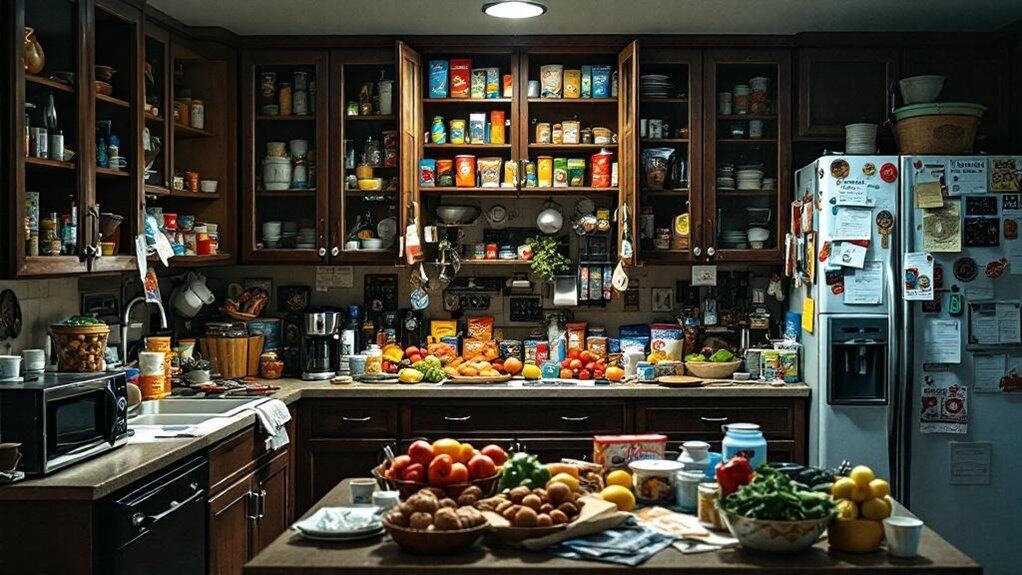
Storage matters too. Cluttered pantries with unhealthy snacks visible initially correlate with choosing convenient over nutritious options. Smart storage shifts eating habits by making healthy choices more visible and accessible. When prepared vegetables and fruits sit within arm’s reach, consumption frequency increases. Decluttering and strategic placement make nutritious selections the easiest choice available.
Missing tools create problems nobody talks about. Can’t find the colander? People skip cooking beans. Multiple small cutting boards and sharp knives kept visible change behavior patterns. Tool accessibility directly correlates with completing healthy preparation tasks.
Dark, cramped, cluttered kitchens discourage cooking ambitions. Functional layouts that facilitate easy flow reduce that cramped feeling hindering healthy food choices. Convenient proximity between kitchen zones encourages more frequent meal preparation at home rather than reliance on takeout alternatives.
Related Reading
- Why Shopping Healthy on a Budget at Weis Markets Is Easier Than You’ve Been Told
- These Everyday Foods May Be Secretly Frying Your Nerves
- Exercise After Pregnancy: A Safe, Realistic Guide to Starting
- Maty’s Healthy Products Is Gone: Here’s Your Survival Guide for Natural Health Independence
This article is for general informational purposes only and isn’t a substitute for professional medical advice. Every family and body is different, so please check with a qualified healthcare provider before making decisions about your health or your family’s health.