

The $1.43 Billion Secret: Why Smart Entrepreneurs Are Abandoning DIY Detergent Boosters for Commercial Gold

Everyone thinks detergent boosters are for soccer moms trying to get grass stains out of uniforms.
Wrong. Dead wrong.
While you’re mixing baking soda in your laundry room, savvy business owners are tapping into a $1.43 billion market that’s growing 10.1% every single year.
Hotels are installing vending machines. Hospitals are switching suppliers. Laundromats are doubling their revenue per customer.
And the crazy part? Most people still think this is about making whites whiter.
The commercial detergent booster market is exploding, and it has nothing to do with your home washing machine. It’s about passive income streams, untapped B2B markets, and distribution models that literally sell themselves.
Time to wake up and smell the profit margins.
The Vending Revolution: How Single-Dose Washing Booster Powder Packs Are Transforming Laundromats
Here’s what nobody tells you about laundromats: they’re not making money from the machines.
The real profit? Add-on sales.
And the hottest add-on right now isn’t fabric softener or dryer sheets. It’s single-dose laundry detergent booster packs sold through vending machines.
Laundromat owners are reporting 47% higher revenue per customer when they install booster vending systems. Not 5%. Not 10%. Forty-seven percent.
Why? Because customers actually buy them. A lot.
The genius is in the packaging. These aren’t your grandma’s powder scoops that spill everywhere. We’re talking pre-measured pods, sachets, and dissolving packs. No mess. No measuring. No thinking required.
Just grab, pay, and go.
Hotels figured this out first. They started stocking guest laundry rooms with vending-pack style enzyme laundry booster products. Turns out business travelers will pay $3 for a single-use stain remover booster when their coffee-stained shirt needs saving before tomorrow’s meeting.
That’s a 400% markup on wholesale cost.
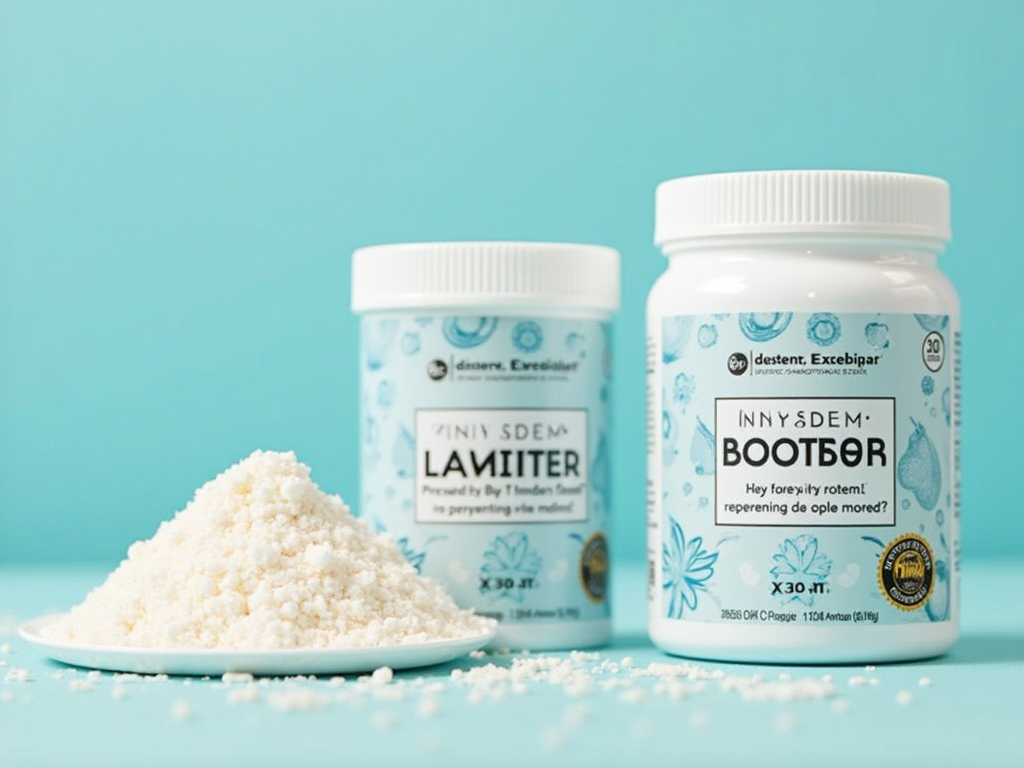
The distribution model is stupidly simple. You don’t need employees. You don’t need a storefront. You need a vending machine and a laundry booster supplier.
Initial investment? About $2,500 for a used vending machine and first inventory load. Payback period? Three to six months in a decent location.
But here’s where it gets interesting.
Laundromat vending-pack boosters don’t just make money. They solve real operational problems. User error drops to almost zero. No more customers dumping half a box of washing soda booster into one load. No more complaints about residue. No more wasted product.
The data backs this up. Facilities using vending-pack boosters report 31% fewer rewash complaints. That means happier customers, less water waste, and lower utility costs.
It’s a triple win that most operators completely miss.
But vending machines are just the beginning. The real money is in understanding why commercial facilities are abandoning traditional laundry care additives altogether.
Beyond Basic Cleaning: Advanced Surfactant Boosters and Chelating Agents Driving Industrial Adoption
Industrial laundry managers don’t care about fresh scents or mountain breeze.
They care about one thing: getting oil out of mechanics’ uniforms.
And traditional detergents? They’re failing. Hard.
That’s why smart facilities are switching to commercial laundry additives with specialized surfactants and emulsifiers. Not because it sounds fancy. Because it actually works.
One commercial facility reported their grease and oil stain removal improved by 73% after switching. Seventy-three percent. From one product change.
Here’s what most people don’t understand about commercial-grade water softening agents and alkalinity builders: they’re not stronger versions of home products. They’re completely different formulations.
We’re talking specialized enzyme blends that break down specific soil types. Chelating agents laundry pros use to neutralize minerals in hard water. Anti-redeposition agents that keep dirt from settling back on fabrics.
Healthcare facilities have their own game.
They need institutional cleaning additives that kill pathogens while protecting fabric integrity. Healthcare laundry booster formulations can eliminate blood, bodily fluids, and pharmaceutical residues that regular detergents leave behind.
One hospital reduced their linen replacement costs by $47,000 annually just by switching booster types.
The restaurant industry? Different beast entirely.
They need restaurant linen booster products that handle food grease at lower temperatures to save energy costs. New surfactant formulations work at 86°F instead of 140°F.
That temperature drop saves restaurants an average of $2,100 per year in water heating costs alone.
But here’s the kicker: these aren’t proprietary formulas locked in corporate vaults.
You can source them through any detergent enhancer manufacturer. You can private label laundry booster products. You can build an entire business around solving one specific industry’s laundry problems.
The most successful detergentboosterbiz operations aren’t trying to serve everyone. They pick one sector. They learn that sector’s specific soil challenges. Then they provide the exact booster formulation that solves those challenges.
Margins on specialized formulations? Try 65-80% when sold directly to end users.
Detergent booster dropshipping platforms now offer industrial-grade products with no minimum orders. You can literally start a commercial washing enhancer business from your laptop.
No inventory. No warehouse. Just targeted marketing to facilities that desperately need better solutions.
Think that’s all detergent boosters can do? You’re still thinking too small.
The Multi-Functional Misconception: Expanding Fabric Brightener Additive Applications Beyond Laundry
Everyone assumes detergent boosters belong in washing machines.
Everyone’s wrong.
The same chemistry that pulls wine stains out of tablecloths works on carpets, upholstery, and hard surfaces. Commercial cleaning companies discovered this years ago.
The rest of us? Still catching up.
Pre-treatment applications are the low-hanging fruit. Mix enzyme booster with water, spray on stains, wait 15 minutes. That’s it.
Professional cleaners charge $50-75 for spot treatments that cost them $2 in materials. The math isn’t complicated.
But the real opportunity? Color safe bleach booster applications.
Old-school thinking says boosters are only for whites and heavily soiled items. Total misconception. Modern oxygen bleach booster formulations actually protect colors while enhancing cleaning.
Dry cleaners use them on silks and wools. High-end clothing retailers use them for garment care.
Hard surface cleaning is where things get weird. And profitable.
Oxygen-based cleaning power enhancer products mixed at specific concentrations clean grout better than dedicated grout cleaners. Restaurant hood cleaning companies use detergent amplifier solutions to cut through carbonized grease.
Pressure washing services add wash performance booster chemicals for 40% better results on concrete.
The untapped markets are everywhere.
Pet grooming facilities need hypoallergenic detergent enhancer products for cleaning kennels. Auto detailers want concentrated wash booster formulas for fabric seats. Property management companies need eco friendly detergent booster solutions for turnover cleaning.
Each market needs slightly different formulations, but the base products are the same detergent booster wholesale items anyone can buy.
Here’s what kills me: people still think homemade laundry booster recipe mixing saves money.
Sure, if your time is worth nothing.
Commercial operations need consistency, insurance compliance, and proven results. They’ll pay premium prices for professional laundry products that deliver all three.
The smartest operators aren’t selling detergent boosters. They’re selling solutions.
Enzyme booster for wine bars becomes “Wine Stain Elimination System.” Surfactant booster for auto shops becomes “Grease Fighter Pro.”
Same product. Different label. Triple the price.
Private labeling these expanded applications costs less than you think. Minimum orders start at 100 units through most cleaning product distributor networks. Custom labels run $0.15-0.30 each.
You can launch a specialized cleaning product line for under $500 initial investment.
Understanding the applications is one thing. Actually building a profitable laundry additive business around them? That requires a system.
Building Your Detergentboosterbiz: From Market Analysis to Profit
Forget everything you think you know about starting a cleaning product business.
You don’t need a chemistry degree. You don’t need a factory. You don’t even need to touch the product.
What you need is a detergent booster business plan that targets one specific problem in one specific market.
Start with the detergent booster market analysis. Pick your niche. Healthcare? Hospitality? Auto shops? Each has different pain points and different budgets.
Healthcare needs antimicrobial properties. Hospitality wants cost-effectiveness at scale. Auto shops require heavy-duty degreasing power.
Once you know your market, the detergent booster customer base practically identifies itself.
Next comes sourcing. Detergent booster bulk suppliers are everywhere, but quality varies wildly. Test samples before committing. Get certificates of analysis. Verify insurance coverage.
The good suppliers offer detergent booster profit margins of 40-60% at wholesale. Add private labeling and direct sales? Those margins jump to 65-80%.
Your laundry additive pricing strategy depends on your distribution model.
Vending machines? Price for impulse buys. B2B direct sales? Price for value and volume discounts. Online? Price competitively but bundle for higher average orders.
The washing booster target market determines everything else. Laundromats want single-use convenience. Hospitals want EPA-registered formulations. Restaurants want NSF-certified products.
Match the product to the market’s specific requirements.
Here’s where most people mess up: they try to serve everyone. Don’t.
The best detergent enhancer roi comes from laser focus. One market. One problem. One solution.
A guy in Michigan makes $180,000 annually selling nothing but borax laundry booster to vintage clothing dealers. That’s it. One product. One market. Six figures.
The cleaning product market trends all point the same direction: specialization wins.
Generic all-purpose boosters are commodities. Specialized solutions command premium prices.
Whether you choose powder detergent booster or liquid laundry booster formulations depends on your target market’s preferences and equipment.
Industrial facilities often prefer liquids for automated dispensing. Smaller operations might want powders for shelf stability.
The key is asking your customers what they want, then giving it to them.
The Hidden Goldmine: Natural and Fragrance Free Formulations
Everyone’s obsessed with “clean” everything these days.
Food. Beauty products. And yes, laundry.
The organic washing booster market is exploding faster than conventional products. Natural laundry booster sales grew 23% last year alone.
Why? Because commercial buyers have customers with allergies, sensitivities, and environmental concerns.
Hotels catering to eco-conscious travelers. Daycares avoiding harsh chemicals. Hospitals reducing patient reactions.
They all need fragrance free laundry booster options, and they’ll pay 30-40% more for them.
The formulations aren’t even that different. Replace synthetic surfactants with plant-based ones. Skip the optical brightener products. Use essential oils instead of artificial fragrances.
Or better yet, skip fragrances entirely.
The detergent booster for sensitive skin market is massively underserved. Parents of kids with eczema. Cancer treatment centers. Assisted living facilities.
They’re all desperate for effective cleaning without irritation.
One entrepreneur in Portland built a $2.3 million business selling nothing but fragrance-free, dye-free enzyme boosters to medical facilities.
She started with $5,000 and a laptop.
The secret? She didn’t try to compete with Tide or Persil. She solved a specific problem for a specific market that bigger companies ignore.
Where to Buy Detergent Booster Wholesale: The Supplier Reality
Here’s the truth about suppliers: most of them suck.
They promise the moon. Deliver rocks. Then ghost you when there’s a problem.
But the good ones? They’re gold.
Start with trade shows. The International Detergent Conference. Clean Show. ISSA.
That’s where real suppliers showcase real products. You can touch samples. Meet the owners. Negotiate terms face-to-face.
Online directories are hit or miss. Alibaba has thousands of suppliers, but quality control is your problem. Domestic suppliers cost more but offer consistency and legal recourse.
The best approach? Start small with multiple suppliers.
Order samples from five different companies. Test them yourself. Have customers test them. See who delivers on promises and who doesn’t.
Minimum orders vary wildly. Some suppliers demand 1,000-unit minimums. Others offer no minimums with higher per-unit costs.
For starting out, pay the higher per-unit cost. Cash flow matters more than margins when you’re building your customer base.
Once you have steady orders, negotiate volume pricing.
Private label minimums typically start around 500 units, but some suppliers offer “semi-custom” options. Your label on their standard formulation. Minimums as low as 100 units.
Perfect for testing market response without huge investment.
The $1.43 Billion Reality Check
The detergent booster industry isn’t what you thought it was.
It’s not about helping homeowners save money on laundry. It’s about building revenue streams in commercial markets growing at 10.1% annually.
It’s about vending machines generating passive income. It’s about solving expensive problems for businesses that gladly pay premium prices for real solutions.
While everyone else focuses on DIY recipes and home use, smart entrepreneurs are claiming territory in healthcare, hospitality, and industrial markets.
The framework is simple: identify a commercial sector, source the right booster formulation, choose your distribution model, and scale.
The $1.43 billion market is there.
Laundromats adding $50,000 in annual vending revenue. Hospitals saving $47,000 in linen replacement costs. Restaurants cutting energy bills by $2,100.
These aren’t projections. These are real numbers from real businesses.
You can keep mixing baking soda in your laundry room. Keep believing detergent boosters are just for soccer moms and grass stains.
Or you can recognize the opportunity sitting right in front of you.
A market growing 10.1% annually. Distribution models that run themselves. Customers desperate for solutions to expensive problems.
The only question is whether you’ll grab it before someone else does.
Because while you’re reading this, someone just bought a washing booster powder pack from a vending machine. Someone else just signed a contract for industrial laundry booster delivery.
And someone, somewhere, is building the next million-dollar detergentboosterbiz.
Might as well be you.