Why “Healthy” Foods Might Expire Faster—And What That Doesn’t Mean About Them

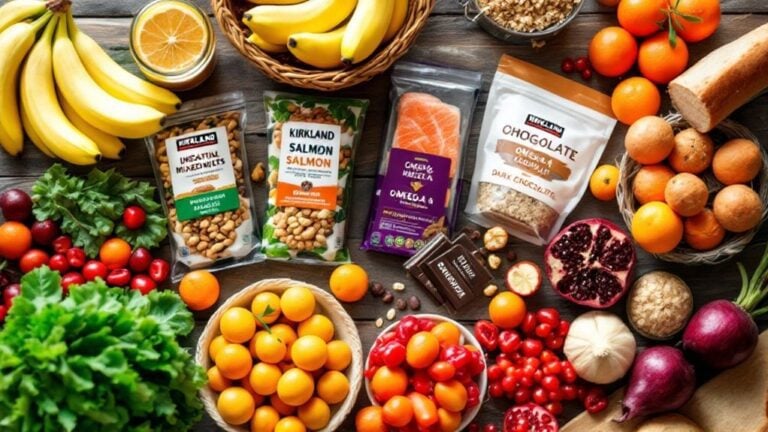
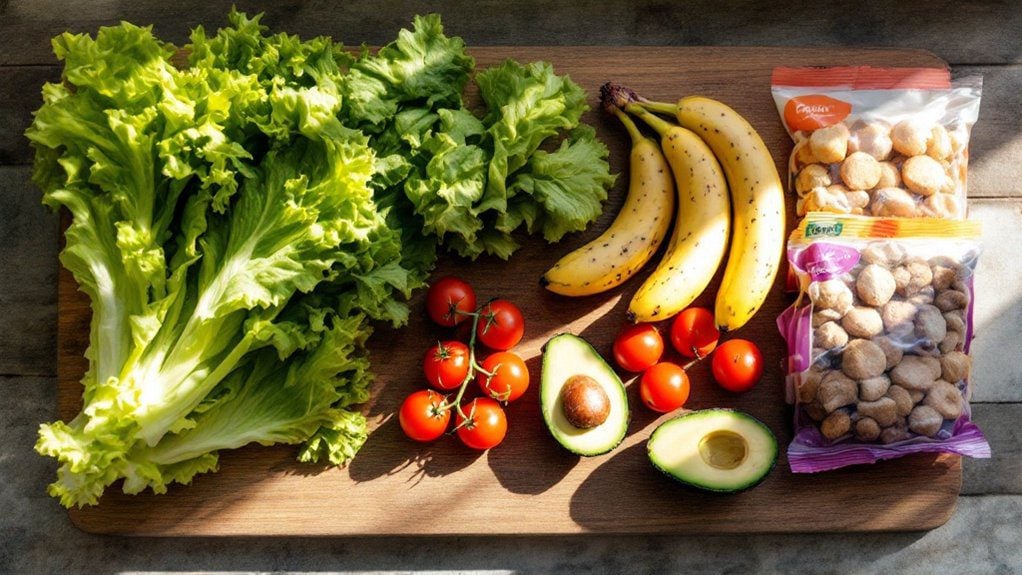
Fresh spinach wilts in three days while those processed cookies from 2019 still look edible. That’s because healthy foods lack the chemical preservatives that keep junk food “fresh” forever. The moisture in real produce creates a breeding ground for microbes—no additives means faster spoilage. It’s not a defect, it’s proof the food was actually alive once. That wilting kale isn’t weak; it’s just not pumped full of laboratory magic.

While everyone’s busy preaching about eating clean and loading up on fresh produce, nobody talks about the annoying reality—healthy foods go bad faster than a middle schooler’s attention span. That expensive organic spinach? Dead in three days. Those farm-fresh strawberries? Moldy before Thursday. Meanwhile, that box of processed cookies from 2019 still tastes fine.
The truth is simple. Healthy foods expire faster because they’re actually food, not science experiments. Fresh produce doesn’t come pumped with preservatives or chemical stabilizers. It’s just plants being plants, breaking down naturally. All that moisture in leafy greens and fresh fruit? Perfect breeding ground for microbes. Cut open an apple or package some pre-chopped veggies, and the countdown clock starts ticking even faster. Food can spoil regardless of its expiration date, so trust your sensory experiences like smell and texture to judge freshness.
Here’s what drives people nuts. Those “best by” and “use by” dates on packages don’t even mean what most think they mean. They’re mostly about quality, not safety. Unless something smells like death or looks fuzzy, chances are it’s still fine past the date. But people toss perfectly good food because the package says so. The only exception? Baby formula. That stuff has legitimate nutrient deadlines. The USDA confirms there’s no standardized system for food dating in America, which makes the whole confusion even worse.
The preservation game shows the real difference between healthy and processed foods. That loaf of Wonder Bread sitting on shelves for weeks? Loaded with additives. Fresh bakery bread? Lucky to last five days. Fresh nut milk spoils faster than regular dairy. Lean meats and fish need immediate refrigeration while their processed cousins chill for weeks.
Not all healthy foods are drama queens though. Dried beans last years. Canned vegetables hang around forever. Pickled anything basically refuses to die. These foods found the sweet spot—healthy but shelf-stable through natural preservation methods like dehydration or fermentation.
The rapid expiration of fresh healthy foods isn’t a bug, it’s a feature. It means fewer chemicals, less processing, more actual nutrients.
Sure, it’s annoying to watch expensive produce wilt while cheap junk food achieves immortality. But food that goes bad is food that was alive. That’s the trade-off for eating real ingredients instead of laboratory creations.