
Three Bridges Pasta Are The Perfect Easy Home-Cooked Meals In A Pinch

Discover the Joy of Home-Cooked Meals with Three Bridges Pasta Meals
Are you struggling to find the perfect balance between a healthy meal and a convenient cooking process? Three Bridges pasta meals might be your answer.
What Makes Three Bridges Special?
Three Bridges is a brand that stands out due to its commitment to providing nutritious and delicious pasta meals. Their products are different from what you might typically find in the grocery store. They offer a wide range of pastas and sauces made with simple, wholesome ingredients. They consciously avoid artificial colors, sweeteners, preservatives, antibiotics, and hormones. The result? A line of products that is as nutritious as it is delicious, with options like butternut squash ravioli or parmesan gnocchi.
Effortless Home-Cooked Meals with Three Bridges
You might wonder how Three Bridges manages to combine convenience with the feel of a home-cooked meal. It’s simple. You can have a gourmet dinner ready in just 25 minutes. Just set the water to boil, throw the pasta in the pot, heat the sauce, and voila! You’ve got a meal that tastes like it took hours to prepare.
Pasta Options that Cater to Your Preferences
One of the things that sets Three Bridges apart is the variety of pasta options they offer. Whether you’re gluten-free, vegetarian, a cheese-lover, or you’re looking for protein-packed meals, they’ve got you covered. Plus, their website offers dozens of recipe ideas categorized by common dietary preferences, including simple one-pot meals for when you’re in a time crunch.
Feel Good About What You’re Eating with Three Bridges
With Three Bridges, pasta doesn’t have to be a guilty pleasure. They’ve made a concerted effort to cut out the bad stuff found in many processed foods. For instance, you can prepare a meal with their Organic Portobello Mushroom Ravioli, knowing you’re not putting any high fructose corn syrup, trans fat, or artificial flavors into your body. It’s just delicious, simple pasta as it should be.
You can find Three Bridges products in the refrigerated section of your local grocery store. They also have a website, www.threebridges.com, which offers cooking instructions and recipe inspiration for healthy and fun meals. Some of their exciting recipes include Grilled Chicken and Mozzarella Ravioli Ratatouille, Organic Linguini with Spring Greens and Lemon, and Organic Spinach and Cheese Tortellini in a Butternut Broth with Crispy Chickpeas and Shiitake Mushrooms.
What do you love about Three Bridges?
There’s a lot to love about Three Bridges pasta meals. From their commitment to using wholesome ingredients to their variety of pasta options and easy-to-follow recipes, they make it easy to enjoy a delicious, home-cooked meal. Share your favorite Three Bridges pasta meals in the comments!
Note: This article may contain affiliate links that help fund the My Sparkling Life blog. Regardless, I only recommend products or services I use personally and believe will be good for my readers. I am disclosing this in accordance with the Federal Trade Commission’s 16 CFR, Part 255: “Guides Concerning the Use of Endorsements and Testimonials in Advertising.”
| Key Features of Three Bridges Products | Details |
| ————————————- | ——- |
| Easy Home-cooked Meals | Three Bridges offers ready-to-cook meals that can be prepared in 25 minutes. |
| Variety of Products | The brand offers a wide variety of pastas, including gluten-free options, and a range of sauces. |
| Dietary Preferences | The Three Bridges website lists dozens of recipes categorized by common dietary preferences including vegetarian-friendly meals, cheese-lover recipes, protein-packed dinners, and simple one-pot meals. |
| Quality Ingredients | Three Bridges products are free from artificial colors, sweeteners, preservatives, antibiotics, and hormones. Their pastas and sauces are made with simple, wholesome ingredients. |
| Healthy Options | The brand offers products like Organic Portobello Mushroom Ravioli that are free from high fructose corn syrup, trans fat, or any artificial flavors. |
| Purchase and Additional Info | Three Bridges products can be found in the refrigerated section of grocery stores. Cooking instructions and recipe inspiration can be found on their website. |
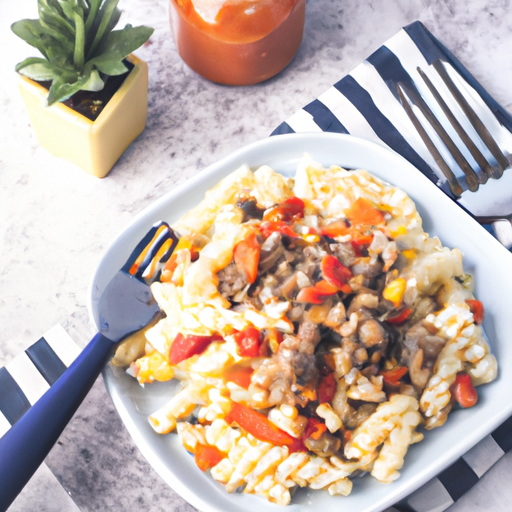
Three Bridges Pasta Meals: A Closer Look
Let’s dig deeper into the world of Three Bridges pasta meals. What sets them apart from other brands? How do they ensure the quality of their products? And most importantly, how can they enrich your food experience? Let’s explore!
Understanding the Three Bridges Philosophy
At the heart of Three Bridges lies a simple philosophy: food should be good for you and taste great too. This commitment to quality and flavor is evident in every product they make. They believe that food should nourish and satisfy, and they’ve taken great strides to ensure that their products meet these standards. Every ingredient is carefully selected for its nutritional value and flavor profile. This means you can enjoy a delightful, home-cooked meal without worrying about its impact on your health.
Behind the Scenes at Three Bridges
Three Bridges products are not just another item on the grocery store shelf. Each product is a result of meticulous planning and execution. Their culinary team works tirelessly to create innovative recipes that cater to a variety of dietary preferences. They test and tweak each recipe until it meets their high standards of taste and nutrition. The result? A range of pasta meals that are as delectable as they are healthy.
The Three Bridges Promise: Quality and Freshness
Three Bridges promises absolute freshness and quality in their products. Their pastas are made fresh and then quickly refrigerated to preserve their taste and texture. This means you can enjoy the freshness of just-made pasta right from your kitchen. The sauces too, are crafted from scratch with fresh, natural ingredients. No preservatives or artificial flavors are added, ensuring you get the pure, unadulterated taste of each ingredient.
Unleashing Your Culinary Creativity with Three Bridges
Three Bridges doesn’t just offer pasta; it offers an opportunity to unleash your culinary creativity. Their website features a wide array of recipes that you can try at home. From hearty one-pot meals to pasta salads, the possibilities are endless. And the best part? These recipes are easy to follow and require minimal prep time, making them perfect for busy weeknights.
The Three Bridges Community
When you choose Three Bridges, you’re not just choosing a brand; you’re becoming part of a community. The Three Bridges community is a network of food lovers who share a common love for delicious, nutritious meals. They often share their unique recipes and cooking experiences on the website, creating a vibrant space for culinary exploration and learning.
FAQs about Three Bridges
Let’s address some common questions about Three Bridges. Is Three Bridges suitable for vegetarians? Yes, many of their products are vegetarian-friendly. Can I freeze Three Bridges pasta? Yes, you can freeze them for later use, but for the best flavor and texture, it’s recommended to enjoy them fresh. Where can I buy Three Bridges products? You can find them in the refrigerated section of your local grocery store or online.
In conclusion, Three Bridges offers a unique blend of convenience, taste, and nutrition. Their commitment to quality, variety, and community sets them apart in the world of pasta meals. So, why wait? Embark on a culinary journey with Three Bridges and discover the joy of home-cooked meals!
Where can I buy Three Bridges pasta meals?
You can find Three Bridges pasta meals in the refrigerated section of your local grocery store. They also have a website, www.threebridges.com, where you can find more information on their products, and potentially order online.
Are Three Bridges pasta meals suitable for vegetarians?
Yes, Three Bridges offers a variety of vegetarian options. They also cater to other dietary preferences such as gluten-free and cheese-lovers. You can find more information on their website.
How long does it take to prepare a Three Bridges pasta meal?
With Three Bridges pasta meals, you can have a gourmet dinner ready in just 25 minutes. The preparation process is simple and designed to offer convenience without compromising on the taste and quality of a home-cooked meal.
Does Three Bridges use artificial ingredients in their products?
No, Three Bridges consciously avoids using artificial colors, sweeteners, preservatives, antibiotics, and hormones in their products. They are committed to providing nutritious and delicious meals made with simple, wholesome ingredients.
Do I need to add anything else to the pasta meals or are they ready to eat?
Three Bridges pasta meals are designed to be as convenient as possible. You simply need to boil the pasta and heat the sauce. However, you can always add your own ingredients to customize the meal to your liking.
What kind of recipes can I make with Three Bridges pasta meals?
Three Bridges website offers dozens of recipe ideas categorized by common dietary preferences. Some of their exciting recipes include Grilled Chicken and Mozzarella Ravioli Ratatouille, Organic Linguini with Spring Greens and Lemon, and Organic Spinach and Cheese Tortellini in a Butternut Broth with Crispy Chickpeas and Shiitake Mushrooms.
Are Three Bridges pasta meals healthy?
Three Bridges pasta meals are made with simple, nutritious ingredients, and they avoid using artificial colors, sweeteners, preservatives, antibiotics, and hormones. They offer a range of options to cater to different dietary needs, making it easier to enjoy a healthy, home-cooked meal.

