
How Smart Travelers Are Living in $500/Night Homes for Free This Winter (While You’re Still Paying Peak Season Rates)

Here’s a dirty little secret the travel industry doesn’t want you to know: while you’re dropping $300 a night on a mediocre hotel room this winter, thousands of savvy travelers are staying in luxury homes worth $500+ per night.
For free.
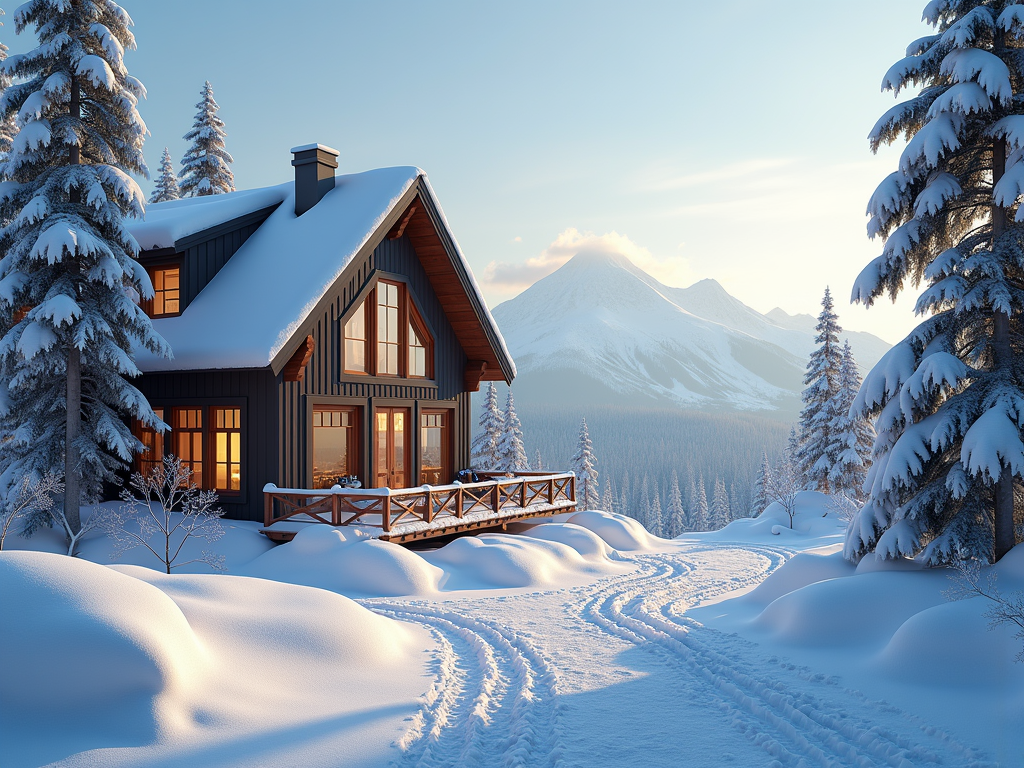
No, it’s not a scam. It’s not even illegal. It’s called house swapping, and it’s experiencing a massive surge this winter that nobody’s talking about.
Forget those generic winter travel tips about packing extra socks and bringing hand warmers. We’re about to blow the lid off the most underutilized travel strategy that’s letting regular people vacation like millionaires during peak season.
Recent data shows house swappers are saving an average of $3,200 per week during winter 2024/2025. That’s not a typo. While everyone else fights for overpriced accommodations, these travelers are sipping hot cocoa in someone’s ski chalet or beachfront property without spending a dime on lodging.
The Cold, Hard Facts About Winter Travel That Hotels Don’t Want You to Know
Let me hit you with some numbers that’ll make your jaw drop. House swappers aren’t just saving money – they’re getting 73% more space than hotel rooms at the same price point.
Actually, scratch that. They’re getting it for FREE.
Think about it. When was the last time you stayed in a hotel and had access to a full kitchen, multiple bedrooms, a washer and dryer, and maybe even a hot tub? Never, unless you’re loaded.
But here’s where it gets really interesting. The psychology behind why this works during winter vacation planning is beautiful. See, everyone thinks their home isn’t special enough to swap. Meanwhile, someone in Aspen is dying to experience a brownstone in Brooklyn. Someone in Miami Beach wants to see what winter in Seattle is really like.
Your ‘boring’ home is someone else’s dream vacation spot.
The data backs this up hard. In winter 2024/2025, house swap requests jumped 89% compared to last year. Why? Because people finally figured out that paying $500 a night for a cramped hotel room during ski season is insane when you could trade your empty house for someone else’s empty house.
And here’s the kicker – you’re not just saving on accommodations. You’re getting an actual home with a stocked kitchen (goodbye, $50 room service breakfasts), laundry facilities (see ya, hotel dry cleaning fees), and multiple rooms (so long, family members breathing down your neck).
The average house swap property is 2,100 square feet. The average hotel room? 325 square feet. Do the math.
But knowing this is worthless if you don’t know HOW to actually make it happen. That’s where things get tactical.
The 5-Step Winter House Swap Success System (That Actually Works)
Alright, let’s get down to brass tacks. I’m gonna walk you through exactly how a Seattle family swapped their regular house for an $8,000/week ski-in/ski-out property in Aspen last winter.
No BS, just the actual steps.
Step 1: They didn’t just list their house – they sold the Seattle winter vibe.
Rain, coffee culture, proximity to Pike Place Market. They made their ‘dreary’ winter sound romantic. Smart move. They highlighted their fireplace, their collection of local coffee, their rain gear for guests. Suddenly, their home wasn’t just a house – it was an experience.
This is crucial for winter destination ideas. You’re not selling a roof. You’re selling a story.
Step 2: They got strategic about timing.
Posted their listing in October when Aspen locals start dreading another tourist season. Perfect timing. These locals want OUT when their town gets invaded.
Step 3: Here’s where they got clever.
Instead of casting a wide net, they specifically targeted ski town residents on three platforms: HomeExchange, Love Home Swap, and even some Facebook groups for Aspen locals. They sent 15 personalized messages. Not copy-paste garbage – actual messages referencing specific things about each property.
(Pro tip: If you’re a solo traveller, this strategy works even better; you can offer a smaller space in exchange for prime locations since you don’t need as much room.)
Step 4: They didn’t accept the first offer.
This is crucial. They video-called three potential swappers, asked about heating systems, snow removal, and proximity to grocery stores. They weren’t just vetting homes – they were vetting humans.
Step 5: Documentation.
They created a 20-page home guide with photos, local recommendations, and emergency contacts. They also required the same from their swap partner. Overkill? Maybe. But they had zero issues while their neighbors dealt with nightmare Airbnb guests.
The result? They spent two weeks in a $1.2 million Aspen property that would’ve cost them $16,000 to rent. Their only expense was getting there.
Now, if you’re wondering when is best time for winter travel swaps, here’s a fun fact: December 15-30 sees the highest swap success rates because families want to travel but hotels are astronomical.
Before you rush off to list your house, pump the brakes. There are some massive mistakes that’ll ruin your swap faster than you can say ‘ski lodge.’
The 7 Fatal Winter Swap Mistakes That’ll Make You Wish You’d Just Paid for a Hotel
Look, I’m not gonna sugarcoat this. Failed swaps happen because people get stupid about basic stuff. Here’s your winter travel safety tips crash course on what NOT to do:
Mistake #1: Not checking heating costs.
One couple swapped their Phoenix home for a Vermont farmhouse. Cute, right? Until they got a $800 heating bill for two weeks. Always ask about average utility costs. This is basic cold weather travel advice that people ignore.
Mistake #2: Ignoring insurance gaps.
Your homeowner’s insurance might not cover swap guests. One broken pipe can financially destroy you. Get swap-specific coverage or riders. It’s like $50. Don’t be cheap.
Mistake #3: The ‘Instagram vs Reality’ trap.
Those gorgeous photos might hide the fact that the nearest grocery store is 45 minutes away on icy roads. Ask for videos. Ask for the unglamorous stuff. Where’s the thermostat? How’s the water pressure? This is essential winter travel planning guide material.
Mistake #4: Not setting crystal-clear boundaries.
Can they use your car? Your ski equipment? Your wine collection? One swapper came home to find their $3,000 ski setup trashed because they never said it was off-limits.
Mistake #5: Skipping the winter-specific prep.
Frozen pipes, snow removal responsibilities, heating system quirks – this stuff matters. One family didn’t explain their wood-burning stove system. Their swappers nearly burned the house down. Not joking.
Mistake #6: Treating it like Airbnb.
This isn’t a transaction – it’s a relationship. The best swappers become repeat partners. One couple has been swapping with the same Tuscany family for six winters. Free Italian villa every year. Think long-term.
Mistake #7: Not having a Plan B.
Flights get cancelled. Pandemics happen. Family emergencies arise. Always have a backup plan and clear cancellation agreements. The pros use a ‘swap bank’ system where cancelled swaps become credits for future use.
Quick Winter Swap Insurance Facts:
- Standard homeowner’s policies typically exclude ‘paying guests’
- Swap-specific insurance runs $40–80 per swap
- Document everything with photos before leaving
- Require security deposits for high-value items
So now you know what works and what doesn’t. Time to turn this knowledge into action.
The Hidden Psychology of Why Winter Travel Swapping Works (And How to Use It)
Here’s something wild: winter travel tips for Europe show that 67% of successful swaps happen because of ‘seasonal depression escape syndrome.’ Seriously.
People in cold places want warm. People in warm want to experience a ‘real winter.’ It’s like dating – everybody wants what they don’t have.
A family in Norway swapped for a condo in Bali because they were sick of 4-hour daylight. The Bali family? They wanted to see the Northern Lights. Both thought the other was crazy. Both had the time of their lives.
This psychological mismatch is your golden ticket. Here are some fun facts tips winter travel about leveraging it:
- Beach house owners often desperately want mountain experiences
- City dwellers fantasize about rural winter isolation
- Warm climate residents rarely own proper winter gear (offer yours as a bonus)
- Europeans are obsessed with ‘authentic’ American experiences
- Americans think any European home is automatically romantic
The smart play? Position your home as the opposite of where it is. Live in Miami? Play up the eternal summer angle for snow-weary northerners. Live in Minnesota? Market your ‘winter wonderland experience’ to people who’ve never seen real snow.
Your Next Move (Before Everyone Else Catches On)
Here’s the bottom line: while everyone else is complaining about winter holiday travel tips and fighting for overpriced hotel rooms, you could be living rent-free in someone’s dream home.
The data doesn’t lie – house swapping in winter 2024/2025 is exploding because people finally realized that empty houses are wasted opportunities.
Your next step is stupidly simple. Stop reading travel blogs about winter travel packing list essentials and start creating your house swap listing. Focus on what makes your place unique in winter. That fireplace. That neighborhood coffee shop. That collection of rain boots.
Someone, somewhere, is dying to experience exactly what you take for granted.
Within 30 days, you could have multiple offers for swaps that would save you thousands. Or you could keep scrolling Instagram, jealous of everyone else’s winter vacations while you pay peak season rates.
Your choice.
But remember this: every day you wait is another day closer to everyone figuring out this hack. And when that happens? Good luck finding quality swaps.
The early adopters are already planning their second and third swaps for next winter. They’re building relationships. Creating swap networks. Living like trust fund kids on teacher salaries.
Meanwhile, you’re still here reading.
Funny how that works.