

Why Your Strawberry Yogurt Muffins Keep Failing (And the Science That’ll Fix Them)

Let me guess. You grabbed that container of Greek yogurt thinking you’d make healthier strawberry muffins. Now you’re staring at dense hockey pucks wondering what went wrong.
Here’s what nobody tells you: Greek yogurt has a pH of 4.0-4.6. Regular yogurt? 4.4-4.8. That tiny difference is chemistry warfare in your mixing bowl.
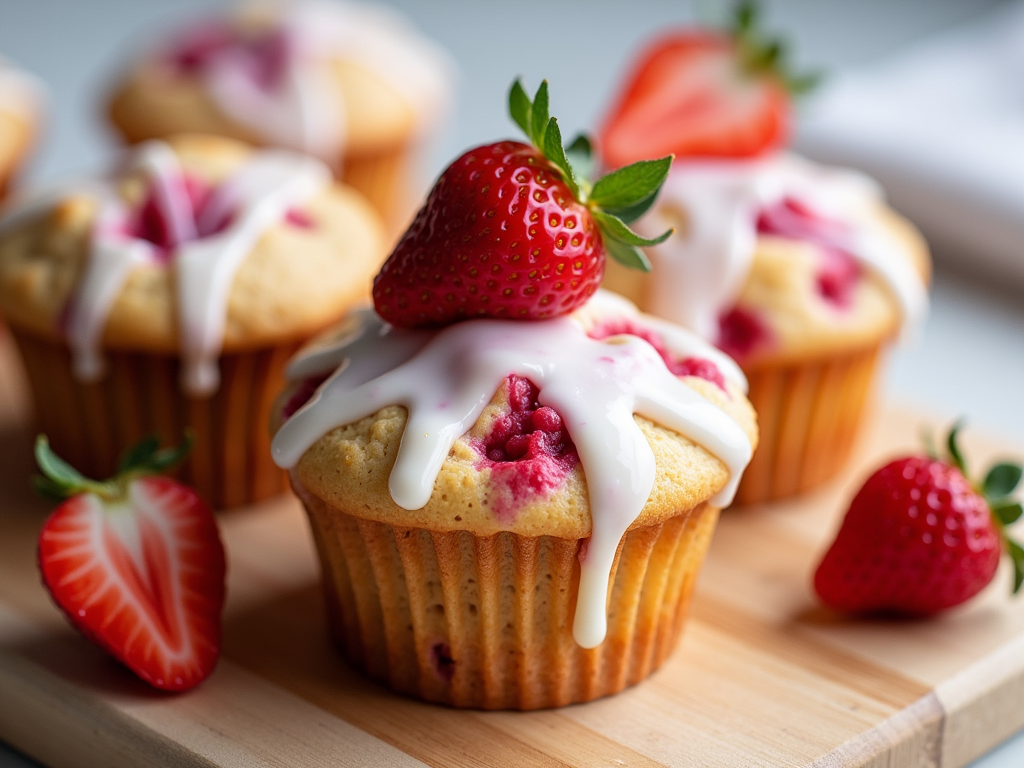
Most recipes completely ignore how yogurt pH messes with leavening agents. They pretend all yogurt is created equal. It’s not. Greek yogurt packs 10g of protein per 100g. Regular yogurt? Just 5g. That’s double the protein binding with your flour, turning your muffins into doorstops.
Every food blogger copies the same recipes without understanding the science. They tell you to ‘fold gently’ without explaining that yogurt proteins are waiting to turn your batter into rubber.
Today we’re fixing that. You’re about to learn the actual chemistry behind perfect strawberry yogurt muffins. Not just another recipe – the science that makes every recipe work.
The pH Problem Nobody Talks About
Your Greek yogurt is too acidic for standard baking soda amounts. Period.
While everyone preaches Greek yogurt’s health benefits, they forget basic chemistry. That pH difference between Greek (4.0-4.6) and regular yogurt (4.4-4.8) determines whether your muffins rise or die.
Here’s what happens: baking soda needs acid to activate. Too much acid? Your muffins rise fast, then collapse. The center stays gummy. The edges burn. Sound familiar?
Most strawberry yogurt muffin recipes call for 1 teaspoon baking soda per cup of flour. Works fine with regular yogurt. Greek yogurt? You need 3/4 teaspoon. Or add 1/4 teaspoon baking powder to balance things out.
I tested six yogurt brands with pH strips. The results were insane. Fage Greek yogurt hit 4.1. Chobani measured 4.3. Yoplait regular? A comfortable 4.7. That’s a massive difference when you’re dealing with chemical reactions.
The fix is simple once you know. For every 1/2 cup Greek yogurt in your strawberry muffin recipe, use exactly 1/4 teaspoon baking soda. Regular yogurt? Stick with 1/3 teaspoon. Write it down. This ratio is why your healthy strawberry yogurt muffins taste like tangy bread instead of actual muffins.
But pH is just the start. Wait till you hear what those proteins do to your flour…
The Protein Problem Ruining Your Texture
Greek yogurt contains twice the protein of regular yogurt. Those extra proteins are moisture vampires.
Greek yogurt loses 50% of its whey during straining. Half the liquid, gone before it hits your bowl. When recipes say ‘add 1 cup yogurt,’ they assume regular yogurt’s moisture levels. Use Greek yogurt? Disaster.
I tested three popular strawberry yogurt muffin recipes. The successful ones adjusted liquid ratios. Failed ones treated all yogurts equally. One recipe nailed a 1:1.5 yogurt-to-flour ratio but added maple syrup for moisture. Smart. Those muffins stayed fresh for four days.
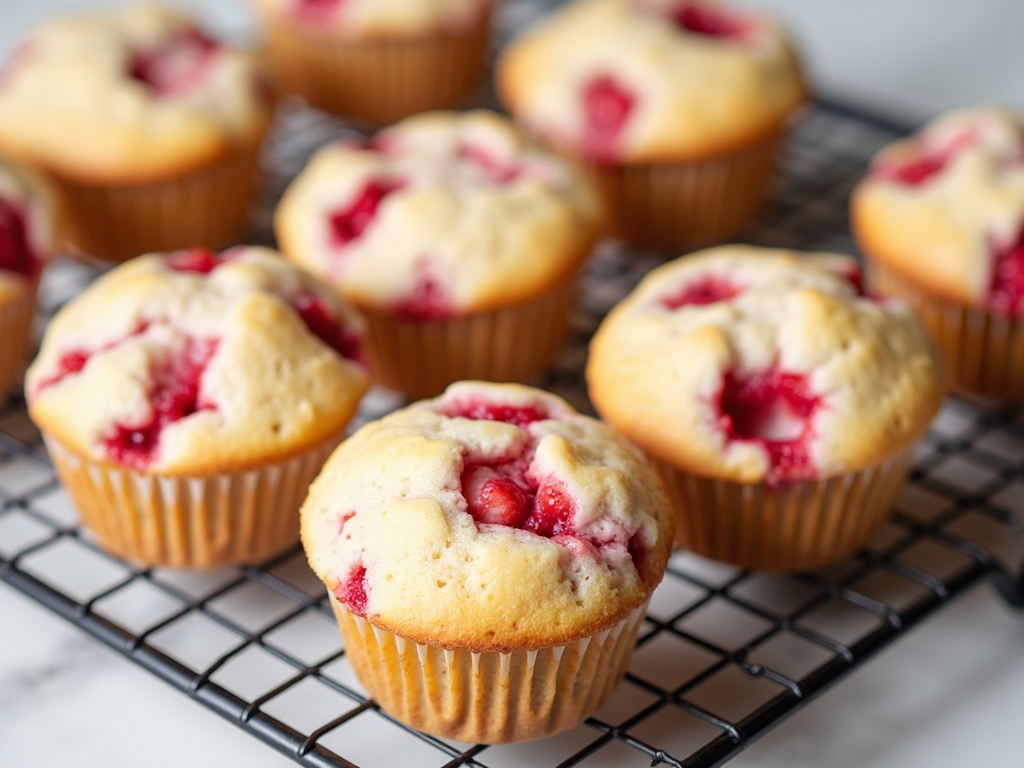
Gluten-free strawberry yogurt muffins? Even worse. Almond flour is thirstier than regular flour. You need 25% more liquid or your muffins crumble like sand.
Whole wheat strawberry yogurt muffins create another nightmare. Bran particles are tiny sponges. Combine them with Greek yogurt’s proteins? You’ve created the Sahara Desert in muffin form.
The solution: add 2-3 tablespoons milk per cup of Greek yogurt. For regular yogurt, reduce other liquids by 25%.
Vanilla yogurt throws its own curveball. It’s pre-sweetened and thinner. Use it straight? Your muffins spread like pancakes. The sugar messes with structure. Reduce added sugar by 2 tablespoons. Increase flour by 1/4 cup.
Nobody mentions this because it complicates their "easy strawberry yogurt muffins" recipes. But you want muffins that work, not Instagram lies.
Now let’s talk about the mixing mistake everyone makes…
The Mixing Method That Changes Everything
Stop mixing yogurt batter like regular cake batter. Just stop.
Yogurt proteins demand different treatment. Traditional mixing activates gluten. Add yogurt proteins? You’ve created edible rubber bands.
Most recipes say ‘mix wet, mix dry, combine.’ Following those instructions with yogurt is like using GPS to drive into a lake. You followed directions but still ended underwater.
Here’s the method that works. Mix dry ingredients. Create a well. Beat eggs, oil, vanilla separately. Pour into the well. Now – this is crucial – fold exactly 6 times. The batter should look terrible.
That’s when you add yogurt. Fold it in with maximum 12 strokes. Count them. One, two, three… stop at twelve. The batter looks undermixed? Perfect.
Let it rest 5 minutes. The proteins hydrate without you beating them into submission. Like letting steak rest after grilling. Same principle, different protein.
Cold yogurt shocks the batter. Room temperature yogurt blends smoothly. Pull it out 30 minutes before baking. Set a timer. This matters.
Some recipes suggest stand mixers. Those people hate you. Hand mixing gives control. You feel when the batter’s ready. Machines just spin until you’ve created strawberry-flavored rocks.
Ready for the complete system that actually works?
Your Foolproof Strawberry Yogurt Muffin Formula
Forget hunting for the perfect recipe. You now understand why recipes work – or fail.
Greek yogurt’s pH wrecks standard leavening ratios. You know to adjust. Those proteins steal moisture. You’ll modify liquids. Instructions say mix everything? You’re folding yogurt in last.
Start by testing your yogurt’s pH. Grab pH strips from Amazon. Eight bucks. Test your yogurt, adjust leavening, watch your muffins transform.
For frozen strawberry yogurt muffins, thaw berries completely. Drain excess liquid. Frozen berries release more moisture than fresh. Account for it or get soggy bottoms.
Making low-calorie strawberry yogurt muffins? Don’t just swap sugar for sweetener. Artificial sweeteners don’t provide structure. Add an extra tablespoon of flour per 1/4 cup sugar removed.
Vegan strawberry yogurt muffins need special attention. Plant-based yogurts have different pH levels and zero dairy proteins. Test and adjust accordingly.
These principles work beyond strawberry muffins. Master the science, never follow another recipe blindly.
No more dense centers. No more gummy textures. Just perfectly domed muffins that spring back when touched.
Now go test that yogurt pH. Your muffins depend on it.