

The Dark Truth About Sunglasses: Why Your Designer Shades Might Be Destroying Your Eyes

Here’s something that’ll mess with your head: those $300 designer sunglasses you’re wearing? They might actually be making your eyes worse. Not better. Worse.
I’m not talking about some conspiracy theory here. This is straight from the ophthalmology journals that most people never read. When you put on dark lenses without proper UV protection, your pupils dilate up to 50%. Think about that. Your eyes open wider, letting in triple the amount of harmful UV radiation.
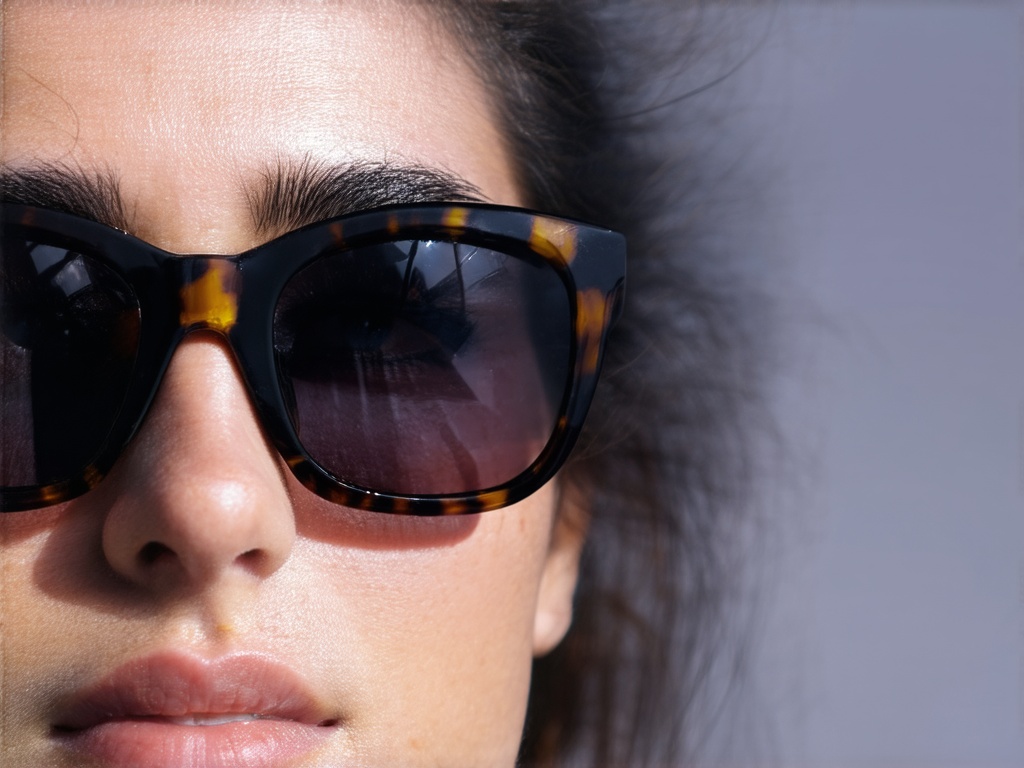
It’s like taking off your sunscreen and then sitting closer to the sun.
But here’s where it gets interesting. Most content out there focuses on style guides and basic UV tips. They’re missing the dangerous misconception that’s literally burning people’s retinas. They don’t tell you about the 20-minute rule that eye doctors use. Or why 5-10% of skin cancers happen on your eyelids.
So let me be blunt: if you’re wearing sunglasses without understanding the science, you’re gambling with your vision. And the house always wins.
The Hidden Danger: How Dark Lenses Without UV Protection Amplify Eye Damage
Remember when you were a kid and someone told you not to look at the sun? Turns out, wearing the wrong sunglasses is like looking at the sun with your eyes wide open.
Here’s what happens. Dark lenses trick your brain. Your pupils—those black circles in your eyes—normally constrict in bright light. It’s nature’s way of protecting you. But throw on some dark shades, and your pupils relax. They dilate. Clinical studies show they can open up to 50% wider.
Now imagine those expanded pupils behind lenses that don’t block UV. You’ve just created a superhighway for radiation.
Dr. Rachel Chen from UCLA’s ophthalmology department documented a case that still makes me cringe. A 28-year-old surfer came in with photokeratitis—basically a sunburned cornea. He’d been wearing $15 gas station sunglasses for years. Dark as hell, zero UV protection. His corneas looked like someone had taken sandpaper to them.
“I thought darker meant better protection,” he told her. Wrong.
The irony? If he’d worn nothing, his squinting would’ve protected him better. That’s the real importance of sunglasses—they need proper UV blocking sunglasses benefits, not just darkness.
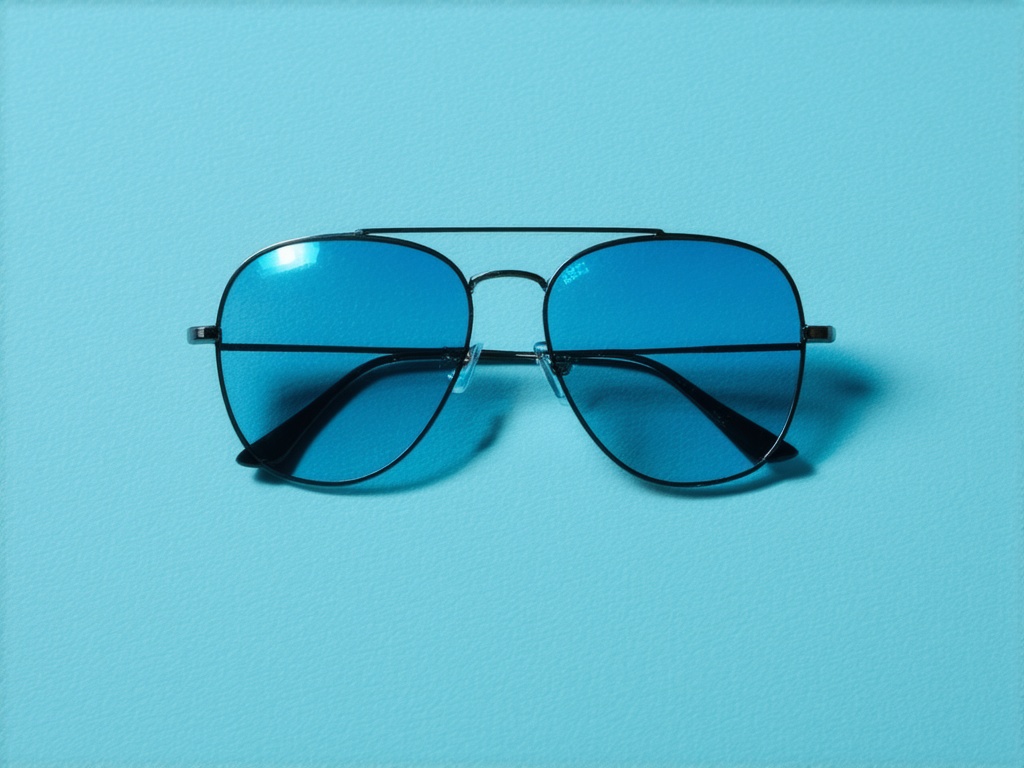
Here’s how to check if your sunglasses are legit: Look for a sticker or hang tag that says “100% UV protection” or “UV400.” No sticker? Those aren’t sunglasses. They’re fashion accessories that happen to be destroying your retinas.
And before you think this is some rare thing—it’s not. Ophthalmologist recommended sunglasses always have certified UV protection. Optometrists see UV damage weekly. People come in with eye pain, light sensitivity, feeling like they have sand in their eyes. The culprit? Their “protective” eyewear.
But even with proper UV protection, most people don’t know when they actually need to wear sunglasses. There’s a specific threshold that changes everything.
The 20-Minute Rule: Your Ophthalmologist’s Secret Threshold for UV Protection
Every eye doctor knows this rule. Almost no patients do.
Twenty minutes. That’s it. That’s the threshold where UV exposure starts doing measurable damage to your corneas and lenses. Not hours. Not “only on beach days.” Twenty damn minutes.
Dr. Michael Torres from Johns Hopkins published data that should’ve been front-page news. After just 20 minutes of unprotected UV exposure, they found cellular changes in the cornea. Actual structural damage. At the molecular level, proteins were denaturing. Think of it like cooking an egg white—except it’s happening to your eyes.
Here’s the kicker: 40% of your annual UV exposure happens on cloudy days.
Read that again.
Those overcast mornings when you leave your sunglasses at home? Your eyes are still getting hammered. UV radiation doesn’t care about clouds. It penetrates right through. That’s why sunglasses are important for eye health year-round.
I learned this the hard way. Used to save my sunglasses for “sunny days.” Then I started getting these splitting headaches every afternoon. My ophthalmologist ran some tests, looked at my daily routine, and basically called me an idiot. In nicer terms.
“You drive 30 minutes each way to work,” she said. “That’s an hour of UV through your windshield. Every day.”
Windshields block UVB but not UVA. Side windows? Even worse. The health benefits of wearing sunglasses daily become obvious when you realize this.
The 20-minute rule isn’t just for beach days or hiking. It applies to your commute, walking the dog, sitting by a window, watching your kid’s soccer game, even winter days when snow reflects 80% of UV.
Suddenly, sunglasses aren’t an accessory anymore. They’re medical equipment. And the health benefits of sunglasses extend way beyond just blocking light.
Beyond UV: The Overlooked Health Benefits That Could Save Your Vision (And Your Life)
Let me tell you about Sarah. 42 years old, marathon runner, health nut. Never smoked, always wore sunscreen. Except on her eyelids.
The melanoma they found was the size of a pencil eraser. Right on her lower eyelid. The surgeon had to remove a chunk of her face.
“I never thought about my eyelids,” she told me later. “Who puts sunscreen on their eyelids?”
Answer: Nobody. That’s why 5-10% of all skin cancers happen there. And why proper sunglasses—the wraparound kind that actually cover the area—matter more than most people realize. Sunglasses prevent eye cancer when they provide full coverage.
But cancer’s just the start.
If you’ve had LASIK, your corneas are more vulnerable for six months post-surgery. UV exposure during this period can literally undo your $4,000 procedure. One patient I know spent five grand on LASIK, then went to Cabo without proper sunglasses. His vision regressed. Had to get enhancement surgery.
Expensive mistake.
Then there’s the migraine connection. Dr. Patricia Kim’s research at Stanford found that proper sunglasses reduced monthly migraine days by 23% in light-sensitive patients. Not special migraine glasses. Just regular UV-blocking sunglasses with the right tint. The medical benefits of sunglasses include migraine prevention—something most people never consider.
The scientific benefits of sunglasses that people miss include reduced pterygium risk (those weird growths surfers get), 30% less crow’s feet formation, protection for post-cataract surgery which is critical for healing, decreased risk of pinguecula (yellow bumps on your eyes), and prevention of snow blindness.
My neighbor learned about snow blindness the hard way. Skiing in Colorado, forgot his sunglasses. By evening, felt like someone poured hot sauce in his eyes. Couldn’t open them for two days. Sunglasses prevent photokeratitis—the technical term for what he experienced.
The thing is, your eyes don’t have pain receptors on the surface. By the time you feel damage, it’s already done. Sunglasses prevent macular degeneration by blocking cumulative UV damage over decades.
So how do you pick sunglasses that actually protect you? Let me break down the system doctors use.
The SHADE Protocol: Your 5-Point Sunglass Selection System + Doctor-Approved Styles
Forget what fashion magazines tell you. Here’s how ophthalmologists actually choose sunglasses for eye health.
The SHADE Protocol breaks down like this:
- S stands for Seek 100% UVA/UVB certification. No sticker means no purchase. Period. Don’t trust the salesperson. Don’t assume. Look for the damn sticker. The UV protection benefits only work with certified lenses.
- H means Hold lenses up to light. Good lenses have uniform tint. No dark spots, no distortion. If straight lines look wavy through them, those are gas station quality.
- A is Assess coverage. Your frames should protect your temples. Peripheral UV is real. Those tiny John Lennon glasses? Useless. You need coverage from your eyebrow to your cheekbone for proper eye protection from harmful rays.
- D represents Determine your exposure type. Driving requires polarized lenses. Water or snow needs mirror coating. Migraines benefit from rose or amber tint. Different activities, different needs. The benefits of polarized sunglasses for eyes include reduced glare and better contrast.
- E equals Ensure proper fit. Sunglasses should sit close to your face without pressure points. Gaps let UV sneak in. If they slide down your nose constantly, they’re not protecting you.
Now, the styles that actually work according to eye doctors. The Maui Jim Peahi offers wraparound polarized protection, loved by dermatologists because it blocks peripheral UV like a boss. Ray-Ban RB4165 Justin provides large frames with 100% UV protection that doesn’t look like you raided your dad’s closet. Oakley Holbrook delivers military-grade impact protection plus UV blocking for active people who break things. Costa Del Mar Blackfin features 580G glass lenses with insane clarity, built for 8-hour fishing days. Warby Parker Raider comes prescription-ready, affordable, and actually blocks UV according to Consumer Reports testing.
I’ve tested dozens. These five consistently deliver medical-grade protection without making you look like a Florida retiree.
One last thing about choosing sunglasses for eye protection: UV testing cards. Get them free from most optometrists. Test your current sunglasses. You might be surprised. Horrified, actually.
Understanding all this science is great, but what really matters is what you do next.
Conclusion
Here’s the thing. You just learned that sunglass selection is a medical decision. Not fashion. Not comfort. Medicine.
Those dark lenses without UV protection? They’re literally dilating your pupils to let in more damage. The 20-minute rule? It means your daily commute is slowly cooking your corneas. And those eyelid cancers? They’re preventable with proper coverage.
Your immediate next step is simple: Check your current sunglasses for UV certification. Right now. Go look. If there’s no sticker or marking that says “100% UV protection” or “UV400,” you’re wearing expensive eye damage.
Long term? You’re looking at decades of protected vision. No cataracts at 60. No macular degeneration at 70. No disfiguring eyelid surgery. Just clear, healthy eyes that last as long as you do. That’s why wear sunglasses—for the health advantages of UV protection sunglasses that compound over time.
The science is clear. The choice is yours. But now you can’t say nobody told you.