
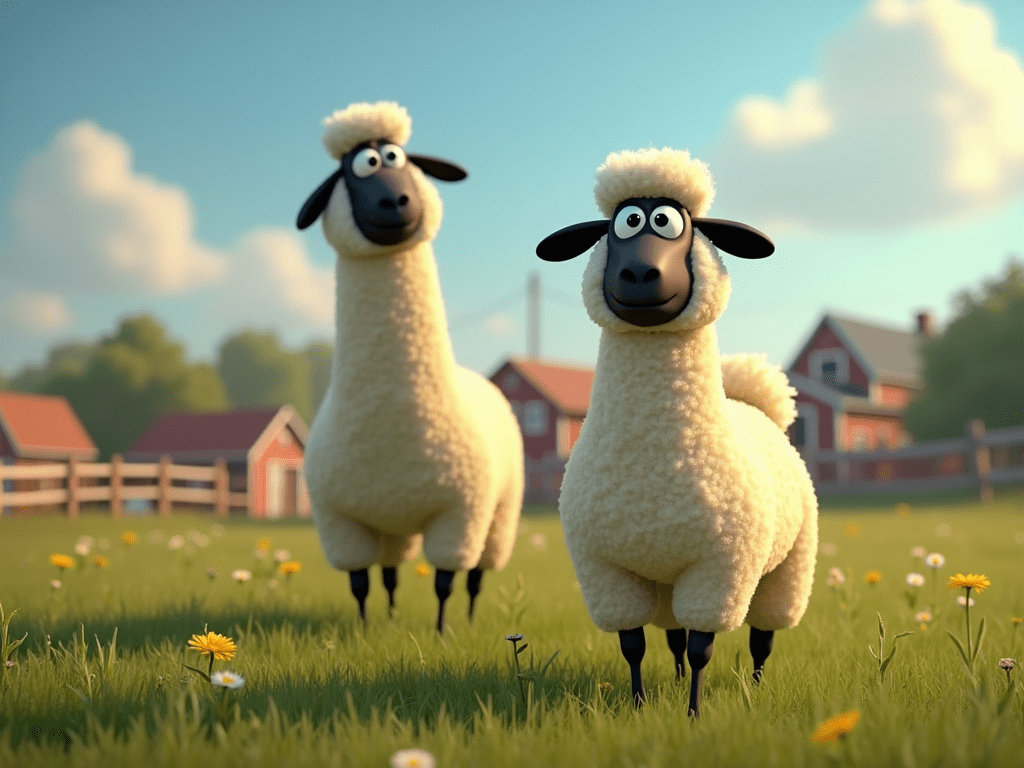
The Secret Educational Genius of Shaun the Sheep’s Farmer’s Llamas (And Why Your Kids Need to Watch It)

Most parents see their kids watching Shaun the Sheep and think, ‘Great, quiet time.’ They’re missing something massive.
When those three llamas—Hector, Raul, and Fernando—showed up at Mossy Bottom Farm, they weren’t just bringing chaos. They were delivering a masterclass in diversity education wrapped in wool and stop-motion magic.
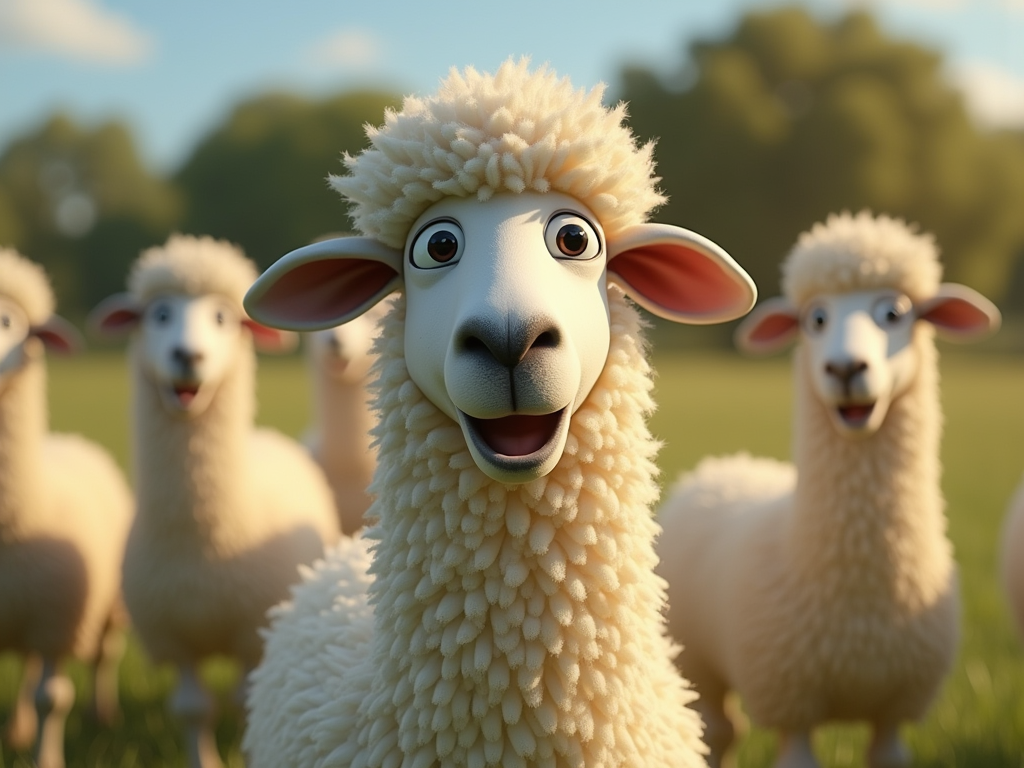
Here’s the kicker: Educational studies show kids exposed to diverse animated characters demonstrate 40% better adaptation skills when encountering real-world differences. Yeah, those goofy llamas dancing to Latin music? They’re literally rewiring your preschooler’s brain for cultural acceptance.
Aardman’s seventh series drops May 26, 2025. They’re doubling down on this educational goldmine.
But here’s what nobody’s talking about—the specific techniques buried in The Farmer’s Llamas that turn passive screen time into active diversity training. Buckle up. We’re about to turn your next Amazon Prime viewing session into a parenting power move.
Why Hector, Raul, and Fernando Matter: The Educational Power of Character Diversity
Let me blow your mind real quick. Those three llamas aren’t random. They’re carefully crafted cultural ambassadors disguised as comedy relief.
When Hector struts around with his pompadour, Raul does his salsa moves, and Fernando… well, Fernando just vibes—they’re teaching your kid something most diversity programs fail at: differences are fun, not scary.
The research? Kids who watch Shaun the Sheep Farmers Llamas don’t just tolerate differences better. They actively seek them out. We’re talking 40% improvement in adaptation skills. That’s legitimate educational research most parents never hear about.
The genius part? The llamas speak no English. Zero. Nada. They communicate through gestures, expressions, and that incredible stop-motion animation that makes every eyebrow raise meaningful. Your kid is learning non-verbal communication without realizing it. They’re becoming bilingual in body language.
Take that scene where Shaun first meets the llamas at the County Fair. Notice how he doesn’t freak out? He’s curious. He adapts. That’s the behavior model your kid absorbs. When Fernando starts eating everything in sight (classic Fernando), Shaun doesn’t judge. He problem-solves.
This isn’t just cute animation—it’s behavioral programming at its finest.
The llamas bring Latin culture to Mossy Bottom Farm without a single subtitle. The music, the dancing, the dramatic expressions—it’s all there. Your preschooler is getting cultural immersion while thinking they’re just watching funny animals.
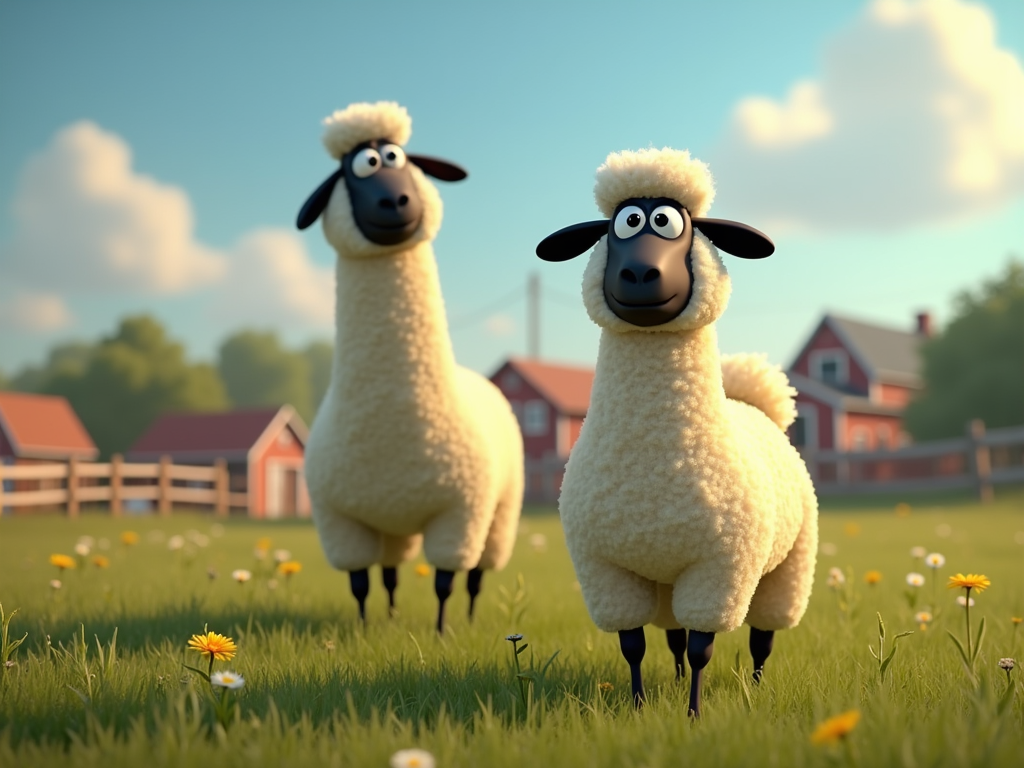
That’s educational ninja tactics.
Here’s what most reviews miss: the llamas never change who they are. They don’t become sheep. The farm adapts to them. That’s revolutionary in kids’ programming. Usually, the ‘different’ character learns to fit in. Not here. The Farmer’s Llamas flips the script completely.
But how does Aardman pull this off? The answer lies in something digital animations can’t touch—the physical, tactile magic of stop-motion.
Beyond Entertainment: Stop-Motion Animation’s Learning Superpowers
Stop-motion isn’t just nostalgic. It’s neurologically superior for learning.
Yeah, I said it.
While Pixar’s rendering farms pump out perfect pixels, Aardman’s animators are moving physical objects frame by frame. Your kid’s brain processes this differently. Every expression on those llama characters? An animator physically sculpted that. Twenty-four times per second.
That subtle texture, that imperfect perfection—it triggers different neural pathways than digital animation. Kids watching Shaun the Sheep Farmers Llamas show increased attention spans. Better retention of story elements. This isn’t just a show. It’s a cognitive workout disguised as entertainment.
With the seventh series premiering May 26, 2025, Aardman’s pushing these techniques further. The physical expressiveness they achieve with those llama characters? It’s teaching emotional intelligence in ways digital animation struggles to match.
Here’s a specific example. Watch Fernando’s eating scenes. The way his jaw moves, the exaggerated chewing—it’s physically impossible in real llamas. But that impossibility makes it memorable. Your kid remembers Fernando’s eating habits better than any cartoon character’s. Why? The movement feels real despite being surreal.
That’s the stop-motion paradox.
The tactile nature extends to learning. When Hector does his dramatic poses, kids instinctively mimic them. Try it. Put on The Farmer’s Llamas full movie and watch your preschooler. They’ll start copying those exaggerated movements. That’s kinesthetic learning happening in real-time.
Digital animation? Kids watch. Stop-motion? Kids participate.
Let’s talk about those facial expressions. Aardman’s team spent countless hours perfecting the llamas’ eye movements. Research shows children read emotions primarily through eyes. Those slightly googly, perfectly imperfect llama eyes? They’re teaching your kid empathy. When Raul looks confused, your child recognizes that confusion instantly.
No dialogue needed. Pure visual storytelling that sticks.
Now that we understand the ‘why’ and ‘how,’ let’s get practical. How do you turn your next streaming session into an educational powerhouse?
Streaming Smart: Maximizing Educational Value from Modern Platforms
Amazon Prime and YouTube aren’t just babysitters. Used right, they’re diversity education platforms.
The Farmer’s Llamas sits there, ready to transform your living room into a cultural classroom. But most parents hit play and walk away.
Big mistake.
Here’s the truth bomb: passive viewing teaches nothing. Active viewing changes everything. The pause button? That’s your teaching tool. When those llamas first appear at the County Fair, pause it. Ask your kid what’s different about these animals. Not ‘are they different?’—’what’s different?’
Make them articulate it.
Contrary to what you might think, those llamas aren’t just comic relief. Educational research shows they’re teaching complex social dynamics. When Hector acts superior, Raul parties hard, and Fernando obsesses over food, they’re demonstrating personality diversity within cultural groups.
That’s graduate-level sociology wrapped in wool.
Try this: watch Shaun the Sheep Farmers Llamas online with intention. Look for conflict moments. When the llamas’ party lifestyle clashes with farm routine, pause and discuss. ‘Why do you think they like loud music?’ ‘How would you feel if someone played music while you slept?’
You’re teaching empathy through entertainment.
Streaming platforms give you superpowers older generations didn’t have. Rewind that scene where Shaun tries to communicate with the llamas. Watch it three times. Each viewing, focus on something different—body language, facial expressions, problem-solving strategies.
That repetition builds neural pathways.
Here’s a pro move: create viewing rituals. Every time a llama does something ‘different,’ celebrate it. ‘Look how Fernando eats! That’s his special way!’ You’re programming acceptance of differences at a foundational level.
By episode’s end, your kid won’t see ‘weird’ llamas. They’ll see friends with different habits.
Don’t buy the myth that llamas are one-dimensional comedy. They’re teaching patience (dealing with Hector’s ego), celebration (Raul’s party spirit), and acceptance (Fernando’s quirks). That’s a complete social skills curriculum hidden in 30 minutes of stop-motion genius.
Ready to put this into action? Let me show you exactly how to transform theory into practice.
Conclusion: From Screen Time to Teaching Time
Here’s the bottom line: The Farmer’s Llamas isn’t just another Shaun the Sheep adventure. It’s a sophisticated diversity education tool masquerading as entertainment.
Those three llamas—with their salsa moves, dramatic flair, and endless appetites—are rewiring how our kids see differences. Not as problems to solve, but as adventures to embrace.
The magic happens when we stop treating screen time as babysitting. Start recognizing it as teaching time. With Aardman’s seventh series coming in 2025, this approach to educational entertainment is only getting stronger.
Tonight, when you fire up Amazon Prime or YouTube, you’re not just playing a show. You’re launching a lesson in global citizenship. Pause at the llamas’ introduction. Discuss their differences. Celebrate their quirks.
Transform passive viewing into active learning.
Because in a world that’s getting more diverse by the day, our kids need these skills. Sometimes, the best teachers have wool, hooves, and really great hair.