Nuts and Seeds Don’t Worsen Diverticulitis, Surprising New Study Finds

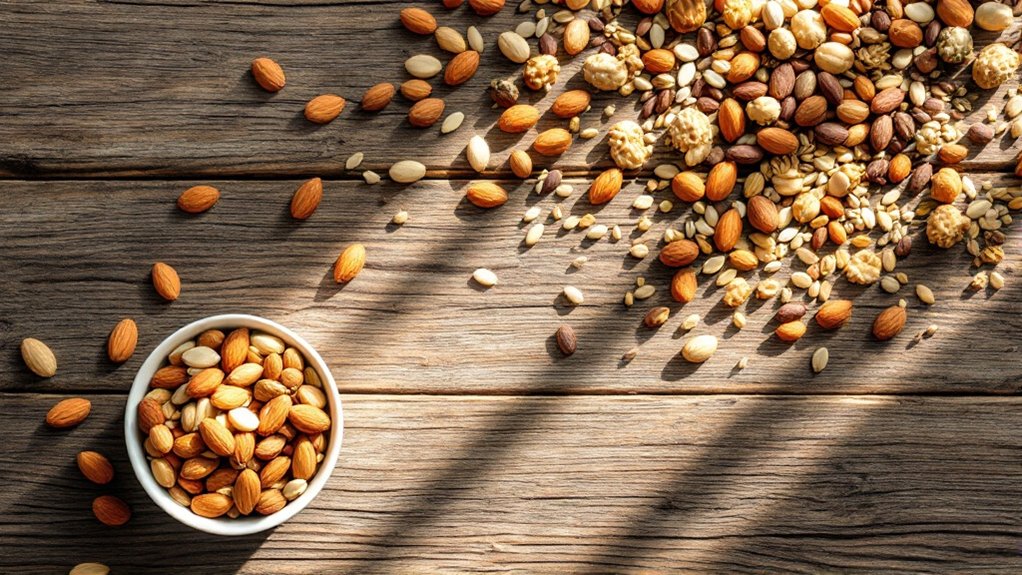
A groundbreaking study in the Annals of Internal Medicine has shattered the outdated belief about nuts and seeds triggering diverticulitis. Dr. Anne Peery’s research found zero connection between snacking on nuts and those dreaded flare-ups. In fact, a healthy diet including nuts might actually help prevent attacks. Pretty ironic, considering doctors spent years warning patients to avoid these foods. The old medical advice? Total nonsense. There’s plenty more to learn about what really impacts diverticulitis.

While doctors once warned patients with diverticulitis to avoid nuts and seeds like they were tiny grenades waiting to explode in their intestines, modern research has completely debunked this myth. The latest findings, published in the Annals of Internal Medicine, reveal that these supposedly dangerous foods don’t trigger flare-ups at all. In fact, some research suggests corn consumption might actually lower the risk. Talk about a plot twist.
Modern science has flipped the script on diverticulitis: those feared nuts and seeds aren’t dietary villains after all.
For decades, medical professionals perpetuated unfounded fears about these foods, leaving patients needlessly avoiding their favorite snacks. But science has ultimately caught up. The extensive study, focusing primarily on women across different age ranges and BMI categories, delivered a clear message: those old-school restrictions were nothing but hot air.
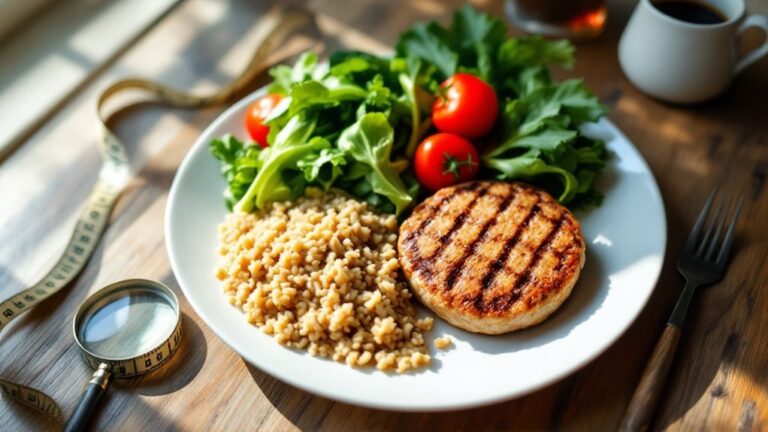
What really matters, it turns out, is maintaining a healthy dietary pattern. The DASH diet showed an impressive 23% lower risk of diverticulitis, while other healthy eating patterns demonstrated similar protective effects. It’s not about avoiding specific foods – it’s about embracing the right ones. Whole grains, fruits, vegetables, and yes, even those previously vilified nuts and seeds, all have their place at the table. Clear liquid diets may only be necessary during active flare-ups.
The real culprits? Smoking, being a couch potato, and carrying extra weight. These factors actually increase the risk of diverticulitis – not your afternoon handful of almonds. The Mayo Clinic has officially stated that no specific foods trigger attacks, ultimately putting to rest decades of misguided advice. The research was led by Dr. Anne Peery from the University of North Carolina at Chapel Hill.
High-fiber diets have emerged as the new hero in diverticulitis management. Instead of telling patients what they can’t eat, doctors are now focusing on what they should eat. The evidence is crystal clear: balanced nutrition trumps arbitrary food restrictions every time.
While the study primarily involved women, the findings were consistent across age ranges and body types.
Related Reading
- This Anti-Aging Brain Booster Is in Your Kitchen — and It Fights Dementia Too
- Tirzepatide Dosing Guide: 10 Essential Facts for Weight Loss
- Exercise After Pregnancy: A Safe, Realistic Guide to Starting
- Maty’s Healthy Products Is Gone: Here’s Your Survival Guide for Natural Health Independence
This article is for general informational purposes only and isn’t a substitute for professional medical advice. Every family and body is different, so please check with a qualified healthcare provider before making decisions about your health or your family’s health.