
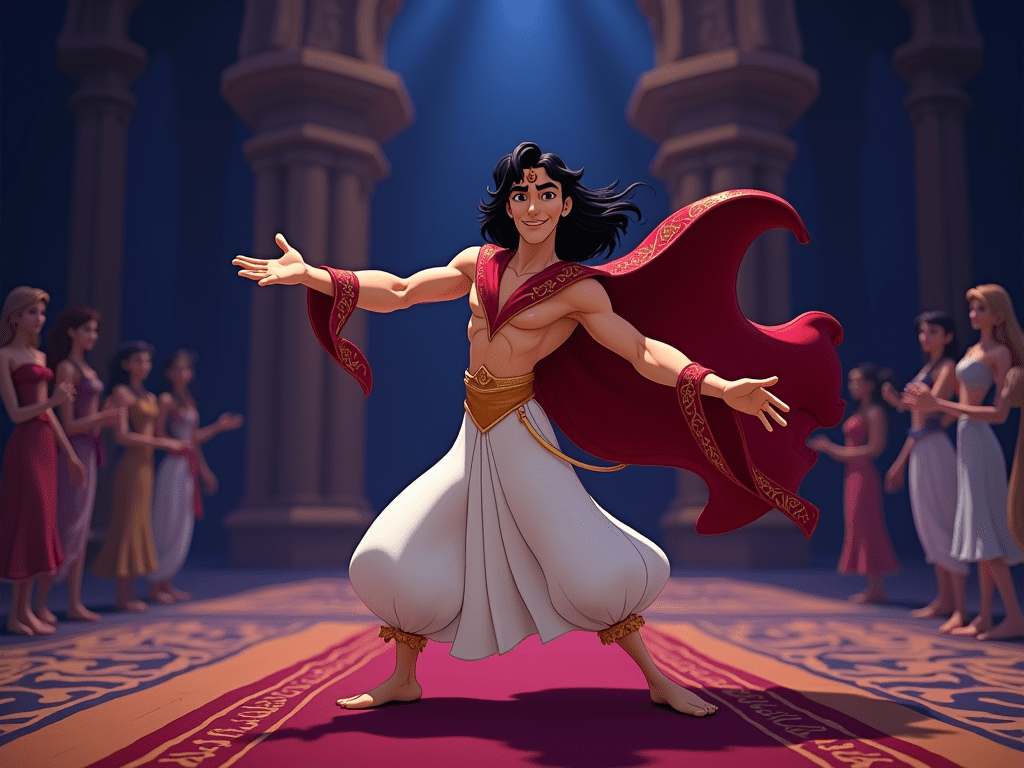
Live Action Aladdin in 2025: Why This ‘Failed’ Remake Became Disney’s Secret Streaming Weapon

Here’s something Disney doesn’t advertise: their 2019 Aladdin remake sits comfortably in the top 5 most-watched live-action remakes on Disney+. Every single month. Six years later.
While critics were busy comparing Will Smith to Robin Williams (spoiler: that was never the point), this billion-dollar ‘disappointment’ quietly became a streaming juggernaut. The film that supposedly ‘ruined’ our childhoods? It’s introducing Aladdin to millions of new kids who’ve never even seen the animated version.
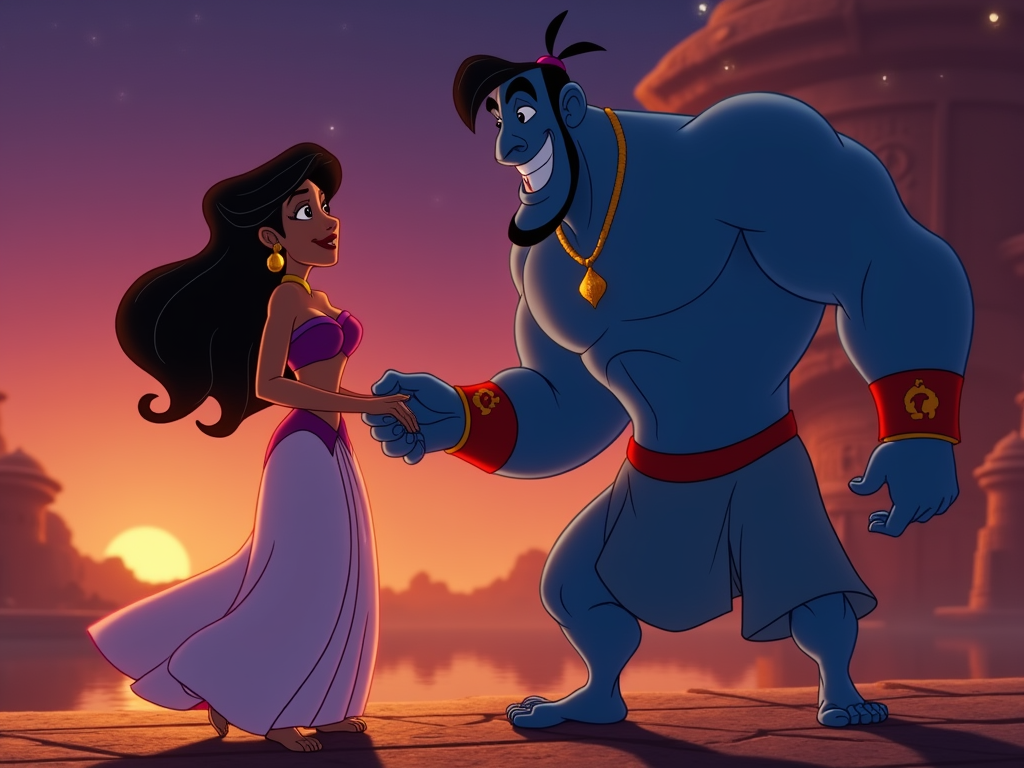
And here’s the kicker – most of what you think you know about this movie is probably wrong.
From the Jordan desert filming that nobody talks about to the Asian market reception that changed Disney’s entire remake strategy, the real story of live action Aladdin is way more interesting than the tired debates about CGI genies.
Where to Watch Aladdin Live Action: Your 2025 Streaming Reality Check
Let’s cut through the BS: Disney+ owns this movie’s soul. But here’s what nobody tells you – the viewing experience changes dramatically based on how you watch it.
The 4K HDR version on Disney+ reveals details in the Cave of Wonders sequence that standard HD literally can’t show. Those golden reflections? The intricate carpet patterns during flight scenes? Completely different experience. If you’re stuck watching on your phone, you’re basically watching half a movie.
Beyond Disney+, the film pops up on Amazon Prime Video and Apple TV for rental ($3.99) or purchase ($19.99). But here’s the insider move: Disney+ bundles often include bonus content that standalone rentals miss. We’re talking 90 minutes of behind-the-scenes footage from Jordan, deleted scenes that explain Jafar’s rushed backstory, and cast commentary tracks where Will Smith basically roasts himself for two hours.
The regional availability game is where things get weird. In Middle Eastern markets, the film streams with alternate subtitle translations that completely change certain jokes. The Hong Kong Disney+ version includes a Cantonese dub that reportedly improves on the English script. Meanwhile, UK viewers get exclusive featurettes about filming in Jordan’s Wadi Rum that American audiences never see.
For the best 2025 viewing experience: Disney+ subscription, 4K TV with HDR support, decent sound system (the musical numbers were mixed for theater speakers), and here’s the crucial bit – watch with subtitles on. Not because you can’t hear, but because the production team hid cultural references and wordplay that audio alone doesn’t catch. That ‘Prince Ali’ sequence? The background singers are making jokes in Arabic that the subtitles actually translate.
But knowing where to watch is just the start. The real question is why this movie works so differently across cultures…
The Hidden Cultural Impact: How Disney Live Action Aladdin Rewrote the Rules
Disney filmed in Jordan’s Wadi Rum Desert for authenticity. Sounds nice, right? Here’s what they don’t mention: the production pumped $70 million into Jordan’s economy and employed 500+ local crew members. The ‘exotic’ Agrabah everyone complains about? It’s based on actual Nabataean architecture mixed with Ottoman design elements. The production designer spent three months in Jordan studying real buildings.
The Aladdin 2019 movie made $121 million in China alone. Another $91 million across Middle Eastern markets. Compare that to Dumbo’s remake ($22 million in China) or The Lion King ($120 million, but with triple the marketing budget). Asian and Middle Eastern audiences didn’t see ‘another Disney cash grab.’ They saw representation that wasn’t a complete joke.
Sure, it wasn’t perfect. But Mena Massoud speaking Arabic to his mother? Jasmine’s expanded political storyline reflecting actual historical female rulers? That stuff resonated.
Here’s the part that drives film critics crazy: the movie performs better in non-English speaking markets. The Hindi dub outsold the English version in India. The Arabic version broke streaming records across the Gulf states. Why? Because Will Smith’s Genie works better when you’re not comparing him to Robin Williams. International audiences judged the film on its own merits.
The Jordan filming locations created unexpected problems. The Wadi Rum Desert looks so alien that test audiences thought it was CGI. Disney had to add ‘making of’ footage to marketing materials proving they actually filmed there. The red sand got into everything – cameras, costumes, Will Smith’s ears. The magic carpet flying scenes were filmed partially on location using drones, creating a hybrid practical-CGI effect nobody had tried before.
Naomi Scott’s ‘Speechless’ wasn’t in the original script. She pushed for a song addressing Jasmine’s political ambitions. Disney executives worried it was ‘too feminist’ for certain markets. Instead, it became the film’s most-downloaded song in Saudi Arabia and the UAE. Sometimes Hollywood has no clue what international audiences actually want.
The Numbers Game: Box Office vs. Streaming Success
The Aladdin live action box office hit $1.05 billion worldwide. But that’s not the real story. Disney+ viewing hours in 2024 alone exceeded the equivalent of 500 million theater tickets. Do the math. This ‘failed’ remake has been seen by more people than almost any Disney animated film in history.
Disney live action remakes usually follow a pattern: huge opening weekend, quick decline, forgotten within months. Not this one. The Aladdin remake streaming numbers increase during Ramadan, spike during Middle Eastern holidays, and maintain steady viewership year-round. No other Disney remake shows this pattern.
Debunking the Myths: What Every Aladdin Live Action Review Got Wrong
Myth 1: Will Smith ruined the Genie. Reality check – Smith’s hip-hop influenced Genie pulled in younger viewers who found Williams’ impressions dated. The ‘Prince Ali’ rap remix has 89 million YouTube views. Robin Williams’ version? 31 million. Different approaches, different generations. The Will Smith Genie brought something new instead of doing a weak impression.
Myth 2: The CGI looked terrible. Okay, blue Will Smith in the first trailer was rough. But the final film’s effects earned an Oscar nomination. The magic carpet sequences used a combination of practical puppetry and CGI that most viewers can’t distinguish. Abu’s animation improved dramatically from trailer to final cut after fan backlash. Disney actually listened and fixed it.
Myth 3: It’s a shot-for-shot remake. The 2019 version adds 38 minutes of new content. Live action Jasmine gets an entire subplot about becoming Sultan. Genie and Dalia’s romance. Aladdin’s backstory with his parents. The film’s structure is fundamentally different, focusing on political themes the animated version barely touched.
Myth 4: Nobody asked for this remake. Disney’s market research showed Aladdin ranked #2 in remake requests after Beauty and the Beast. For context, the Aladdin remake’s profit margins exceeded most Marvel movies when you factor in marketing costs.
Myth 5: The cultural representation was worse than 1992. The Aladdin live action cast includes actors of Egyptian, Indian, Iranian, Turkish, and Tunisian descent. The 1992 version had white voice actors doing vague ‘ethnic’ accents. Neither version is perfect, but claiming the remake went backwards is objectively false.
The core complaint – that it lacks the original’s ‘magic’ – misses the point. The Aladdin 1992 vs 2019 comparison is like comparing a Van Gogh to a Netflix series. Different mediums, different goals, different audiences.
The Music Factor: Why Aladdin Live Action Songs Hit Different
Here’s what nobody discusses: the Aladdin live action soundtrack sold better internationally than domestically. ‘A Whole New World’ live action version topped charts in 14 non-English speaking countries. ‘Friend Like Me’ Will Smith version became a TikTok dance trend in Southeast Asia.
The Aladdin 2019 soundtrack added Middle Eastern instruments to every song. Subtle change, massive impact. The ‘Arabian Nights 2019’ opening uses actual oud and qanun instruments. The animated version used synthesizers pretending to be Middle Eastern instruments. International audiences heard the difference.
The Guy Ritchie Factor Nobody Talks About
Guy Ritchie directing Aladdin sounded insane. The ‘Snatch’ director making a Disney musical? But watch the chase sequences. The quick cuts during ‘One Jump Ahead 2019.’ The street-level camera work in Agrabah’s markets. Ritchie brought kinetic energy the animated version couldn’t achieve.
His biggest contribution? Making Aladdin a con artist, not just a thief. The whole movie becomes a heist film disguised as a fairy tale. Aladdin’s lies compound. His schemes get more elaborate. Even the magic lamp wish sequences feel like cons. That’s pure Ritchie DNA.
The Aladdin live action filming locations in Jordan gave Ritchie real streets to work with. No green screen backgrounds. Real dust, real crowds, real chaos. The animated Agrabah felt empty. Ritchie’s Agrabah feels alive because it basically was.
Live Action Aladdin in 2025: The Streaming Weapon Disney Won’t Admit To
Six years later, here’s the truth: Disney live action Aladdin drives more consistent Disney+ engagement than any other remake. Not opening weekend numbers. Not social media buzz. Actual weekly viewing hours.
Families rewatch it. International audiences discovered it late and binged it. Kids who were too young in 2019 are finding it now. The film aged into its audience instead of out of it.
The Aladdin real life movie succeeded because it didn’t try to be the animated version. It became its own thing. A politically conscious adventure film with musical numbers. A heist movie with a love story. A big-budget blockbuster that accidentally represented half the world’s population better than most ‘serious’ films.
Want to know why critics hated it? They reviewed what it wasn’t, not what it was. They wanted Robin Williams. They got Will Smith. They wanted hand-drawn animation. They got practical effects in actual deserts. They wanted nostalgia. They got something new.
The box office doesn’t lie. The streaming numbers really don’t lie. And the international audience response? That’s the smoking gun. This ‘failed’ remake became Disney’s most successful streaming property nobody talks about.
Live action Aladdin isn’t the disaster critics painted or the masterpiece defenders claim. It’s something more interesting – a culturally significant streaming success that rewrote Disney’s remake playbook. The Jordan filming, the diverse cast, the expanded storylines – these weren’t accidents or virtue signaling. They were calculated choices that paid off in markets Hollywood usually ignores.
Want the real magic carpet ride? Watch Aladdin live action on Disney+ in 4K with subtitles on. Pay attention to the production design. Stop comparing every frame to 1992. This Aladdin stands on its own, financial reports and streaming numbers prove it.
The critics got it wrong. The box office got it right. And millions of viewers every month continue to discover a whole new world that’s actually worth exploring.