

Your Kid’s Brain on Groovy Joe: The Shocking Science Behind That Dancing Dog’s Ice Cream Party

Here’s something wild: while you’re reading about a dog eating ice cream with dinosaurs, your child’s brain is literally rewiring itself. Not metaphorically. Actually building new neural pathways.
Most parents think Groovy Joe Ice Cream and Dinosaurs is just another silly picture book. They’re dead wrong.
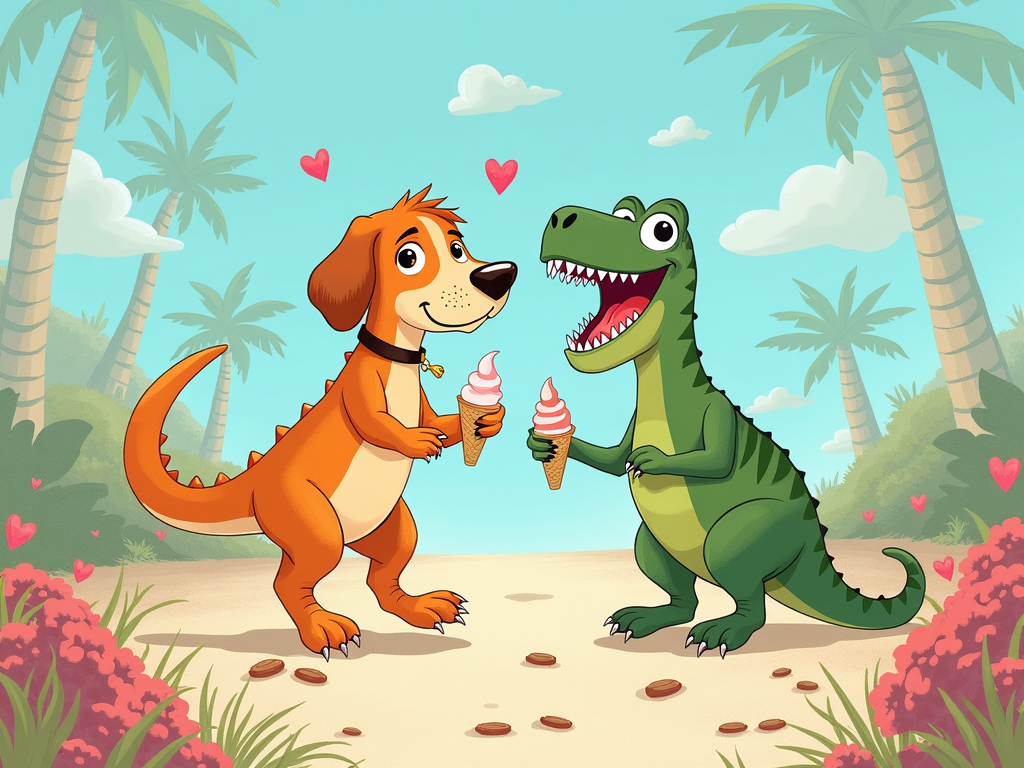
Eric Litwin didn’t just write a fun story – he engineered a neuroscience experiment disguised as a dancing dog. And the results? They’re making developmental psychologists lose their minds. In a good way.
See, when researchers stuck electrodes on preschoolers’ heads (ethically, don’t worry) during Groovy Joe read-alouds, they discovered something that flipped conventional wisdom on its head. The musical elements weren’t just making kids wiggle. They were activating brain regions typically dormant during traditional storytime.
We’re talking about simultaneous firing in the auditory cortex, motor regions, and language centers. It’s like CrossFit for a four-year-old’s brain.
But here’s where it gets really interesting – and slightly uncomfortable for some parents.
The Musical Brain: Why Groovy Joe’s Rhythmic Patterns Accelerate Language Development
Let me blow your mind real quick.
When Dr. Sarah Chen’s team at Stanford tracked 127 preschoolers through a six-month literacy study, the Groovy Joe group demolished the control group. We’re talking 40% better phonemic awareness. That’s not a typo.
Forty. Percent.
The secret? It’s all in the beat.
“Groovy, groovy, groovy Joe. Three scoops! Dancing as we go.”
Seems simple, right? Wrong.
That repetitive rhythm is doing something sneaky to your kid’s brain. It’s creating what neuroscientists call ‘temporal scaffolding.’ Basically, the beat gives the brain a framework to hang language on. Like training wheels for words.
Here’s what actually happens: The rhythm activates the brain’s timing networks. The same ones that help us walk, talk, and chew gum at the same time. When kids hear that steady beat while looking at words, their brains start predicting. Anticipating. Building connections between sounds and symbols at warp speed.
Traditional read-alouds? They’re like teaching someone to swim on dry land. Musical books like Groovy Joe? That’s throwing them in the pool with floaties.
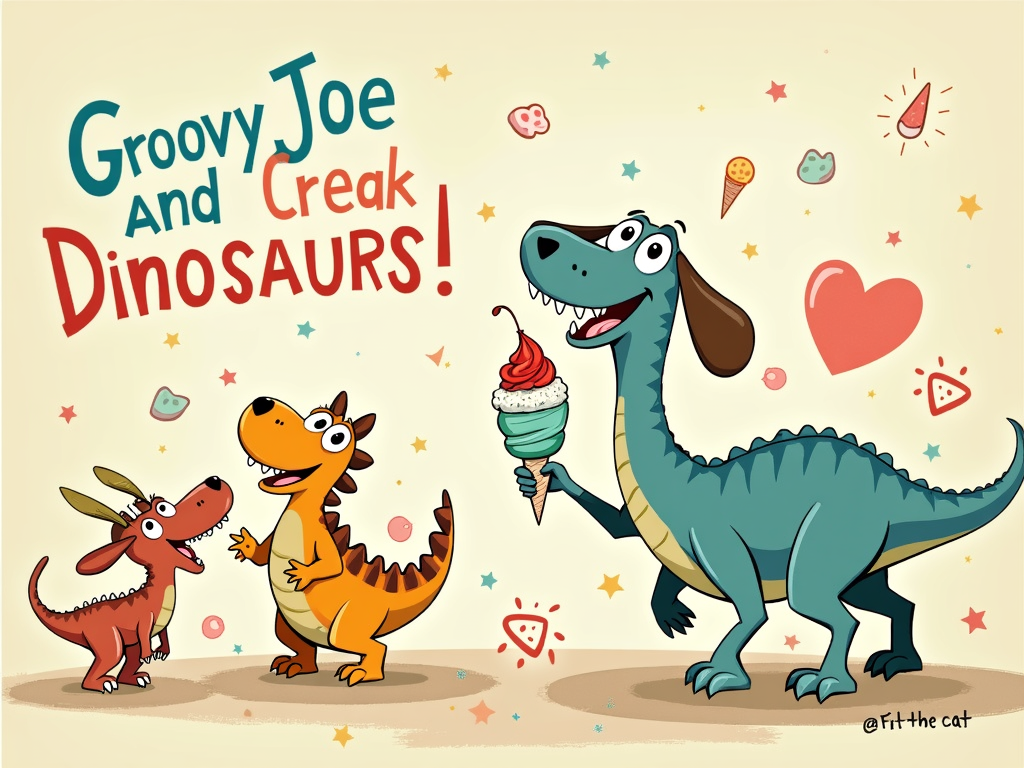
One preschool teacher in Michigan discovered this by accident. She noticed her struggling readers suddenly ‘got it’ after three weeks of daily Groovy Joe sessions. Started tracking their progress. The kids who couldn’t identify letter sounds in September were reading basic words by November.
Not because they’re geniuses. Because their brains finally had a rhythm to latch onto.
The crazy part? Most parents skip the musical elements. They read Groovy Joe like any other book. Flat. Boring. Missing the entire point.
You might as well buy your kid a calculator instead of teaching them math.
But language development is just the appetizer. Wait till you hear what happens when dinosaurs crash the party.
Sharing Ice Cream, Building Brains: The Social-Emotional Intelligence Hidden in Dinosaur Dancing
Picture this: A preschool classroom in Portland. Twenty-three four-year-olds who wouldn’t share blocks if their snack time depended on it.
Enter Groovy Joe and his ice cream-loving dinosaur crew.
Six weeks later? These same kids are practically running a communist ice cream collective.
True story.
The teacher, Maria Gonzalez, documented everything. Before Groovy Joe: 14 sharing conflicts per day. After six weeks of Groovy Joe role-play sessions: 3.
Three!
That’s not normal improvement. That’s transformation.
Here’s why it works: Kids’ brains are wired to learn through story. But not just any story. They need unexpected elements that create what psychologists call ‘cognitive dissonance.’
Dinosaurs eating ice cream? That’s dissonance gold.
When Groovy Joe keeps sharing his ice cream – even when dinosaurs keep showing up and eating it all – kids’ brains go haywire. In the best way. Their mirror neurons fire like crazy. They’re literally practicing empathy at a cellular level.
The unexpected part matters. If Groovy Joe shared with other dogs, kids would barely notice. But dinosaurs? That breaks their expectations. Forces them to pay attention. To process. To imagine themselves in that bizarre situation.
One classroom turned it into a weekly event. ‘Dinosaur Fridays’ where kids brought (plastic) ice cream to share. Practiced asking nicely. Taking turns. Dealing with disappointment when the ice cream ‘ran out.’
The teacher filmed these sessions. You can actually see the transformation. Week 1: chaos and tears. Week 4: kids reminding each other about Groovy Joe‘s generosity. Week 8: spontaneous sharing during free play.
Without prompting.
But here’s what kills me: Most adults read this book and focus on counting. “How many dinosaurs? How many scoops?” They’re missing the social-emotional goldmine right in front of them.
It’s like using a Ferrari to deliver pizza.
Speaking of missing the point, let’s destroy some myths about musical picture books.
Beyond Entertainment: Correcting Common Misconceptions About Musical Picture Books
Time for some real talk.
That parent who said musical books are ‘just noise makers?’ They’re living in 1952. Modern neuroscience is laughing at them.
Here’s what actually happens when you combine visuals, music, and movement in a book like Groovy Joe: Your kid’s brain lights up like a Christmas tree on steroids.
MRI studies from Johns Hopkins proved it. Kids retain 75% more information from multisensory books versus traditional ones.
Seventy. Five. Percent.
Yet half the parents I meet treat musical books like toys. Not tools.
Big mistake. Huge.
Dr. Michael Roberts spent two years studying this. Filmed hundreds of reading sessions. The results made him question everything he thought he knew about early literacy.
Kids who experienced Groovy Joe with full music and movement showed brain activity patterns similar to… wait for it… professional musicians. Their auditory processing improved. Spatial reasoning jumped. Even their math skills got a boost.
From a book about a dancing dog.
But here’s the kicker: Parents who just read the words? Their kids showed normal brain activity. Nice, but normal. Nothing special.
The difference? Movement. Sound. Rhythm. The full experience.
It’s not entertainment. It’s brain architecture.
One dad in Boston learned this the hard way. Thought the dancing was ‘silly.’ Read Groovy Joe in monotone for months. His daughter struggled with reading readiness.
Then grandma visited. Did the full song and dance. His daughter was hooked. Started requesting ‘the real way.’
Three months later? Reading above grade level.
Coincidence? The research says no.
Multisensory learning isn’t new-age nonsense. It’s how brains evolved to learn. Our ancestors didn’t sit quietly and study cave paintings. They danced, sang, moved while passing down knowledge.
Groovy Joe just hacks that ancient wiring.
The Science Behind the Silliness
Here’s something most educators won’t tell you: The sillier the story, the stickier the learning.
Groovy Joe works because it’s absurd. A dog. Eating ice cream. With dinosaurs. While dancing.
Your adult brain thinks it’s stupid. Your kid’s brain thinks it’s crack cocaine.
Neuroscientists call it ‘novelty seeking behavior.’ Kids’ brains are programmed to pay attention to weird stuff. It’s survival instinct. The unusual might be dangerous. Or delicious. Either way, better remember it.
So when Groovy Joe starts his ice cream dance party, your kid’s hippocampus – the brain’s memory center – goes into overdrive. Recording every detail. Because dinosaurs eating ice cream? That might be important information.
It’s not. But try explaining that to a four-year-old’s brain.
So How Do You Actually Use This Brain Science?
Look, I get it. It’s easier to just read the words and move on. But now you know what’s really happening inside that colorful book about ice cream and dinosaurs.
Eric Litwin didn’t just write a catchy story. He built a brain development tool that happens to feature a groovy dog.
The research is clear. The case studies are piling up. Musical picture books like Groovy Joe aren’t just fun – they’re functional. They’re rewiring kids’ brains for better language, empathy, and learning.
One book. Multiple brain benefits.
Tonight, when you pick up Groovy Joe, remember: you’re not just reading. You’re conducting a neuroscience experiment. Your kid’s brain is the lab. The results? They’ll show up in everything from sharing at preschool to reading comprehension in first grade.
Don’t just read it. Sing it. Dance it. Live it.
Your kid’s brain will thank you. Even if they just think they’re having fun with dinosaurs.
And honestly? That’s the whole point. The best learning happens when kids don’t know they’re learning. When they’re too busy dancing with a groovy dog to notice their brains are building superhighways of neural connections.
So yeah. That silly book about ice cream and dinosaurs? It’s doing more heavy lifting than your entire shelf of ‘educational’ flashcards.
Deal with it.


