
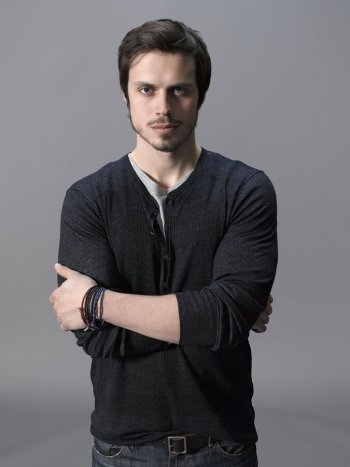
Exclusive Interview With Jake Robinson From American Odyssey #NBC

Exclusive Interview with Jake Robinson from American Odyssey
In this exclusive interview, we sit down with Jake Robinson, best known for his role as political activist Harrison Walters in NBC’s conspiracy drama, American Odyssey. Born and raised in Ohio, Robinson’s acting journey started in his hometown of Loveland, a suburb of Cincinnati. His passion for acting led him to earn a B.F.A. from Otterbein University in 2012. After moving to New York City, Robinson quickly established his acting career, featuring in several independent films and hit NBC series including “Smash” and “The Carrie Diaries.”
Behind the Scenes with Jake Robinson
Robinson’s role in American Odyssey was a turning point in his career which not only deepened his understanding of his craft but also made him question his perspectives on government conspiracies. In a deep dive into his character, Robinson shares, “Initially, I was a pretty straight-laced person. But doing the show and researching different aspects made me question what’s right and what’s true.”
Jake Robinson’s Take on Conspiracy Theories
When asked whether his role in the conspiracy drama changed his attitude towards these theories, Robinson’s answer was an emphatic “Absolutely.” He believes the show encourages viewers to question the reality of government conspiracies. “I think there’s certain conspiracies that are way further out there than others, some things are closer to home. The show gets people to question – is this actually happening? Is our government doing these things?”
The Importance of Questioning What We’re Told
Robinson strongly advocates for the importance of questioning what we’re told. He emphasizes the need to exercise our rights whether as a political activist or simply as a citizen. He hopes that American Odyssey inspires people to be more active and free-thinking. “If we have an active population and a free-thinking population, then we have a better country,” he asserts.
The Unfolding of the First Season
When Robinson took on the role, he only had the pilot script. But the unique aspect of the show was that all the ideas were in place before the shooting of the pilot began. This allowed him to shape his character effectively right from the start.
The Impact of Social Media on News and Conspiracies
As an actor in a show that deals with conspiracies, Robinson acknowledges the impact of social media on how people perceive news and conspiracies. He points out that while social media has made people more aware, it is also crucial to be careful about the sources of the information we trust.
What Sets American Odyssey Apart?
When asked about what sets American Odyssey apart from other political dramas, Robinson is quick to point out that it’s more of a human drama than a political one. “It’s about us as citizens in the United States and how we can make a difference when something’s going horribly wrong,” he says.
Future of American Odyssey
Robinson reveals that the show is definitely set up for multiple seasons. “The final episode has a lot of stuff in it that’s left unresolved. I think it’s definitely set up to be a multiple season show and hopefully people tune in,” he shares.
The Experience of Filming American Odyssey
Filming American Odyssey was a demanding, emotionally challenging, and yet rewarding experience for Robinson. “It wasn’t a project that you could show up to and go through the paces. It demanded so much of you every day emotionally, physically,” he recalls.
Connecting with Jake Robinson
For fans of Jake Robinson and American Odyssey, you can follow him on Facebook and Twitter. Be sure to catch American Odyssey Sundays at 10/9c on NBC.| Jake Robinson | Information |
| — | — |
| Full Name | Jake Robinson |
| Profession | Actor |
| Known For | Role as Harrison Walters in NBC’s conspiracy drama “American Odyssey” |
| Education | B.F.A. in acting from Otterbein University in Columbus |
| Early Life | Grew up in Loveland, a suburb of Cincinnati, Ohio |
| First Big Break | A recurring role on the NBC series “Smash” |
| Other Notable Roles | Recurring character on “The Carrie Diaries” |
| New York Stage Credits | August Strindberg’s “The Stronger”, readings of “Dead Poets Society,” directed by John Doyle, and “Midnight in the Garden of Good and Evil,” directed by Rob Ashford |
| Other Interests | Basketball |
| Social Media | Facebook: JakeMRobinson12, Twitter: JakeRobinsonAct |
Understanding the Character – Harrison Walters
Harrison Walters, played by Robinson, is a political activist in American Odyssey. The depth of his character is what attracted Robinson to the role. “Harrison is a truth seeker. He’s not afraid to go against the grain to find out what’s really going on,” Robinson explains. He reveals that understanding Harrison was a journey in itself, as he had to delve into the character’s motivations and beliefs.
Challenges and Rewards of Playing Harrison Walters
Robinson admits that playing a character like Harrison Walters was both challenging and rewarding. The character’s emotional journey and the complex storyline required him to dig deep into his acting skills. However, the reward of bringing such a character to life on-screen was well worth it.
Working with the Cast and Crew of American Odyssey
Robinson praises the cast and crew of American Odyssey for their dedication and professionalism. He shares that everyone on set was committed to telling a compelling story, and that made the filming experience even more enjoyable.
Jake Robinson’s Acting Process
As an actor, Robinson believes in the importance of research and preparation to truly embody a character. For his role in American Odyssey, he did extensive research into political activism and conspiracy theories. This, combined with his natural talent for acting, allowed him to bring Harrison Walters to life in an authentic and believable way.
The Impact of American Odyssey on Jake Robinson’s Career
Robinson acknowledges that American Odyssey has had a significant impact on his career. Not only did it expose him to a wider audience, but it also challenged him as an actor and helped him grow professionally.
Jake Robinson’s Thoughts on the Show’s Reception
Robinson is grateful for the positive reception American Odyssey has received. He shares that the feedback from viewers has been overwhelmingly positive, and that the show’s success is a testament to the hard work and dedication of everyone involved.
Jake Robinson’s Plans for the Future
While Robinson is excited about the prospect of continuing his role in American Odyssey, he is also open to exploring other opportunities. He expresses a desire to work on diverse projects that challenge him as an actor and allow him to grow.
Jake Robinson’s Advice to Aspiring Actors
Robinson encourages aspiring actors to stay committed to their craft and not lose heart in the face of rejection. He stresses the importance of perseverance and dedication, and believes that with hard work and passion, success is attainable.
Final Thoughts from Jake Robinson
In closing, Robinson expresses his gratitude for the opportunity to be a part of American Odyssey. He believes that the show has a powerful message and is proud to be a part of it. He hopes that viewers continue to support the show and looks forward to the journey ahead.
With this exclusive interview, fans of Jake Robinson and American Odyssey get a deeper insight into the actor’s experiences and perspectives on the show. It’s clear that Robinson’s passion for his craft and his commitment to portraying Harrison Walters authentically have played a crucial role in the success of the series.
1.
What was Jake Robinson’s early life like?
Jake Robinson was born and raised in Loveland, Ohio. His passion for acting started early in his hometown.
2.
Where did Jake Robinson receive his education?
He earned a B.F.A from Otterbein University in 2012.
3.
What were some of Jake Robinson’s roles before “American Odyssey”?
Before “American Odyssey”, Robinson had roles in several independent films and hit NBC series including “Smash” and “The Carrie Diaries.”
4.
Has playing a role in “American Odyssey” affected Jake Robinson’s personal views?
Yes, Robinson shares that his role in “American Odyssey” has made him question his perspectives on government conspiracies.
5.
What is Jake Robinson’s take on conspiracy theories?
Robinson believes that the show encourages viewers to question the reality of government conspiracies.
6.
What does Jake Robinson think about the importance of questioning what we’re told?
Robinson strongly advocates for the importance of questioning what we’re told and emphasizes the need to exercise our rights.
7.
What is unique about how the first season of “American Odyssey” unfolded?
Robinson took on his role with only the pilot script. However, all the ideas for the show were in place before the shooting of the pilot began, allowing him to shape his character effectively from the start.
8.
What does Jake Robinson think about the impact of social media on news and conspiracies?
Robinson acknowledges the impact of social media on how people perceive news and conspiracies, but also emphasizes the need to be careful about the sources of information.
9.
What sets “American Odyssey” apart from other political dramas?
Robinson believes that “American Odyssey” is more of a human drama than a political one. It’s about citizens in the United States and how they can make a difference.
10.
What is the future of “American Odyssey”?
Robinson reveals that the show is set up for multiple seasons, with many unresolved issues in the final episode.
11.
What was Jake Robinson’s experience filming “American Odyssey” like?
Filming “American Odyssey” was a demanding, emotionally challenging, and yet rewarding experience for Robinson.
12.
How can fans connect with Jake Robinson?
Fans can connect with Jake Robinson through his official Facebook and Twitter accounts.
