The Burton-to-Bobin Switch: How Disney’s Alice Through the Looking Glass Production Secretly Changed Everything

Here’s what nobody tells you about Disney’s Alice Through the Looking Glass production: Tim Burton didn’t direct it.
Yeah, let that sink in.
The guy who created that twisted, gothic Wonderland we all fell in love with in 2010? He passed the torch to James Bobin, the dude behind The Muppets. And before you start thinking this was some dramatic Hollywood feud situation, Burton stayed on as executive producer. Smart move? Weird compromise? We’re about to dig into one of Disney’s most fascinating production transitions that completely reshaped a $300 million sequel.
Most fans still don’t know about this switch. The ripple effects changed everything—from Johnny Depp’s Mad Hatter performance to the entire visual style of Wonderland. Buckle up, because this production story gets wild.
The Burton-to-Bobin Transition: Disney’s Calculated Risk That Changed Everything
Let’s start with the elephant in the room. When Disney announced James Bobin would direct Alice Through the Looking Glass, the collective fan reaction was basically “Who?”
And Disney knew exactly what they were doing.
See, Tim Burton’s 2010 Alice in Wonderland made over a billion dollars worldwide. A BILLION. So naturally, everyone assumed he’d return for the sequel. But here’s where it gets interesting. Burton was exhausted. He’d poured his gothic soul into that first film, and honestly? He was done with Wonderland.
But Disney needed his name. His vision. His stamp of approval.
Enter the executive producer credit—Hollywood’s way of saying “I’m still here, but someone else is doing the heavy lifting.”
James Bobin wasn’t some random choice pulled from a hat. The guy had just revived The Muppets franchise, proving he could handle beloved characters without destroying their legacy. Disney saw something specific: Bobin could bring warmth and humor that Burton’s darkness sometimes overshadowed. And let’s be real—after Burton’s increasingly weird films (looking at you, Dark Shadows), Disney probably wanted someone who could deliver on schedule without turning Wonderland into a Hot Topic fever dream.
The production team faced a massive challenge. How do you maintain Burton’s visual DNA while letting a new director breathe?
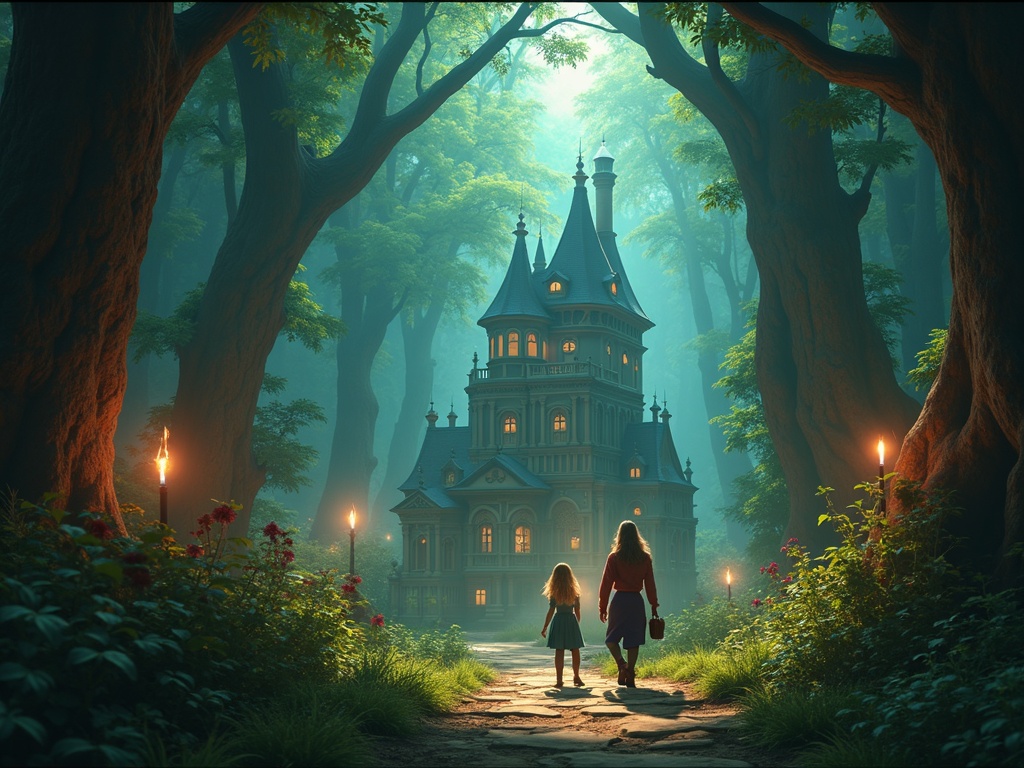
They kept key department heads. Production designer Dan Hennah. Costume designer Colleen Atwood (who won an Oscar for the first film). Cinematographer Stuart Dryburgh. Smart. These folks knew Burton’s Wonderland inside out.
But Bobin brought his own toys to the sandbox. He introduced time travel elements that Burton probably would’ve made creepy and existential. Instead, Bobin made them whimsical. Almost Muppet-like in their logic. The Chronosphere? Pure Bobin—a magical device that felt more like a steampunk carousel than a Burton nightmare machine.
According to producer Suzanne Todd in a 2016 Hollywood Reporter interview, “James brought a different energy. Tim’s Wonderland was about madness. James made it about heart.”
And speaking of changes, wait until you hear how the cast handled this directorial switcheroo…
Award-Winning Cast Dynamics: How Johnny Depp, Mia Wasikowska, and Helena Bonham Carter Adapted to New Direction
Johnny Depp’s first day on set must’ve been awkward as hell.
Picture this: you’ve spent years developing the Mad Hatter with Tim Burton, your longtime collaborator and friend. Now you’re taking direction from the Muppets guy. But here’s what nobody talks about—Depp actually flourished under Bobin’s direction.
Burton had encouraged Depp’s manic, almost unsettling Hatter in the first film. Remember those mood swings? The Scottish accent that came out of nowhere? Pure Burton-Depp madness. But Bobin wanted something different. He pushed Depp toward vulnerability.
The Mad Hatter in Through the Looking Glass isn’t just mad. He’s dying of sadness.
That’s not Burton territory. That’s pure Bobin heart.
Mia Wasikowska faced her own challenges. Her Alice in Burton’s film was discovering herself. In Bobin’s sequel, she’s a badass ship captain dealing with 1870s sexism. Wasikowska later admitted in interviews that Bobin’s approach was more collaborative, less dictatorial. Burton tells you what he sees in his head. Bobin asks what you see in yours.
Then there’s Helena Bonham Carter. Let’s address the awkward truth—she was Burton’s partner during the first film. They’d split by the time production started on the sequel.
Could’ve been messy.
But Bonham Carter’s professionalism shined. She actually expanded the Red Queen’s emotional range under Bobin, showing vulnerability we’d never seen before. That scene where she’s a giant baby head? That’s Bobin pushing boundaries Burton wouldn’t have touched.
But the real tear-jerker? Alan Rickman’s final performance as Absolem the Caterpillar.
Rickman was dying during production—though few knew it at the time. Bobin gave him beautiful moments, letting Absolem guide Alice with wisdom instead of Burton’s cryptic riddles. When Rickman delivered the line “You’ve been gone too long, Alice,” knowing what we know now?
Damn.
And let’s not forget the newcomers. Sacha Baron Cohen as Time could’ve been a disaster. The guy who gave us Borat playing a crucial character in a Disney film? But Bobin knew Cohen from their Ali G days. He understood how to harness that chaos.
Cohen’s Time isn’t just comic relief. He’s a fully realized character with an actual arc. Burton might’ve made Time a nightmare. Bobin made him oddly sympathetic. Even lovable.
Rhys Ifans joining as the Mad Hatter’s father, Zanik Hightopp, was pure Bobin storytelling. Burton’s Wonderland didn’t do backstories—it was all present-tense madness. But Bobin loves family dynamics (hello, Muppets). Suddenly the Mad Hatter has daddy issues, and it works because Depp and Ifans sell the hell out of it.
But the biggest changes happened behind the camera, where the visual effects team faced an impossible task…
Production Team Innovation: Visual Effects and Time Travel Elements That Redefined Wonderland
Here’s a fun fact: the visual effects team basically had to unlearn everything from Burton’s film.
Burton’s Wonderland was gothic. Twisted. Deliberately uncomfortable. Bobin wanted wonder back in Wonderland. That meant completely reimagining how they approached every single effect.
Take the Chronosphere—that giant time-travel device at the heart of the film. Burton would’ve made it look like a medieval torture device crossed with a clock. Bobin’s vision? A luminous, almost magical gyroscope that feels lifted from a Victorian science museum.
The VFX team spent months just figuring out how to make it feel mechanical yet magical. Grounded yet fantastical.
Visual effects supervisor Ken Ralston told Variety in 2016: “Tim’s aesthetic was established. Dark. Gothic. James wanted light, movement, hope. We had to reinvent our entire approach.”
The time travel sequences pushed technology to its limits. When Alice flies through the Ocean of Time, seeing Wonderland’s history unfold below her, that wasn’t just pretty CGI. The team mapped out centuries of Underland history, creating fully realized moments that flash by in seconds.
They built entire scenes you barely glimpse. Young Mirana and Iracebeth playing together. The Jabberwocky’s reign of terror. The Hatter’s family tragedy. Each moment had to work as a standalone image while flowing into the larger sequence.
But the real innovation? Making Time’s castle.
It’s literally made of time—every surface shows different moments, past and future, simultaneously. The rendering challenges were insane. How do you show a building where every brick might display a different decade? The solution involved layering techniques nobody had tried before, essentially creating “temporal textures” that shift based on viewing angle.
Colleen Atwood’s costumes faced similar challenges. Burton’s aesthetic was established—twisted Victorian gothic. But Bobin wanted evolution. Alice’s Chinese-inspired costume wasn’t just pretty; it told a story about her adventures as a sea captain. Time’s costume incorporated actual clock mechanisms that moved independently.
The detail is staggering. Gears that turn at different speeds representing seconds, minutes, hours.
The production design team basically built two Wonderlands. There’s the “present day” version we know from Burton’s film, and the past versions we see through time travel. Young Iracebeth’s castle is bright, hopeful—nothing like the crimson nightmare it becomes. The Hatter’s origin story required building an entire millinery village that gets destroyed in minutes of screen time.
Months of work for moments of film.
And let’s talk about that climax—when time literally starts breaking down. The visual effects team created “temporal rust” spreading across Wonderland, freezing characters mid-motion. It’s beautiful and terrifying, but more importantly, it’s completely different from anything Burton attempted.
Where Burton used decay and rot, Bobin used crystallization and stillness. Same threat, totally different visual language.
Conclusion: The Real Magic Behind Disney’s Boldest Production Gamble
Disney’s Alice Through the Looking Glass production proves something Hollywood rarely admits: sometimes changing directors isn’t disaster. It’s evolution.
James Bobin didn’t try to be Tim Burton 2.0. He took Burton’s foundation and built something different. Something his own. The cast adapted, even thrived. The production team innovated instead of imitated.
Sure, the film didn’t match the original’s box office (sequel syndrome strikes again). But it proved major studios can navigate creative transitions without imploding. The movie still grossed $299.5 million worldwide against a $170 million budget—not shabby for a film many wrote off before it even premiered.
For anyone fascinated by how Hollywood really works, this production is a masterclass. Managing egos. Honoring legacy while pushing forward. Trusting audiences to embrace change.
Next time you watch both films back-to-back, you’ll spot a thousand tiny differences that add up to one massive creative shift. The color palettes. The camera movements. The way characters speak and move. Even the way Wonderland itself breathes.
And honestly? That’s the magic of filmmaking—even in Wonderland, there’s always room for another perspective.
The real lesson here isn’t about Burton versus Bobin. It’s about how a $300 million production can completely reinvent itself while keeping what made the original special. Disney took a massive risk. They replaced an auteur director with someone known for puppet comedy. They let new voices reshape established characters. They proved that sometimes, the best way to honor a vision is to let someone else reimagine it.
That takes guts. And in Hollywood? Guts are rarer than a sane person in Wonderland.