
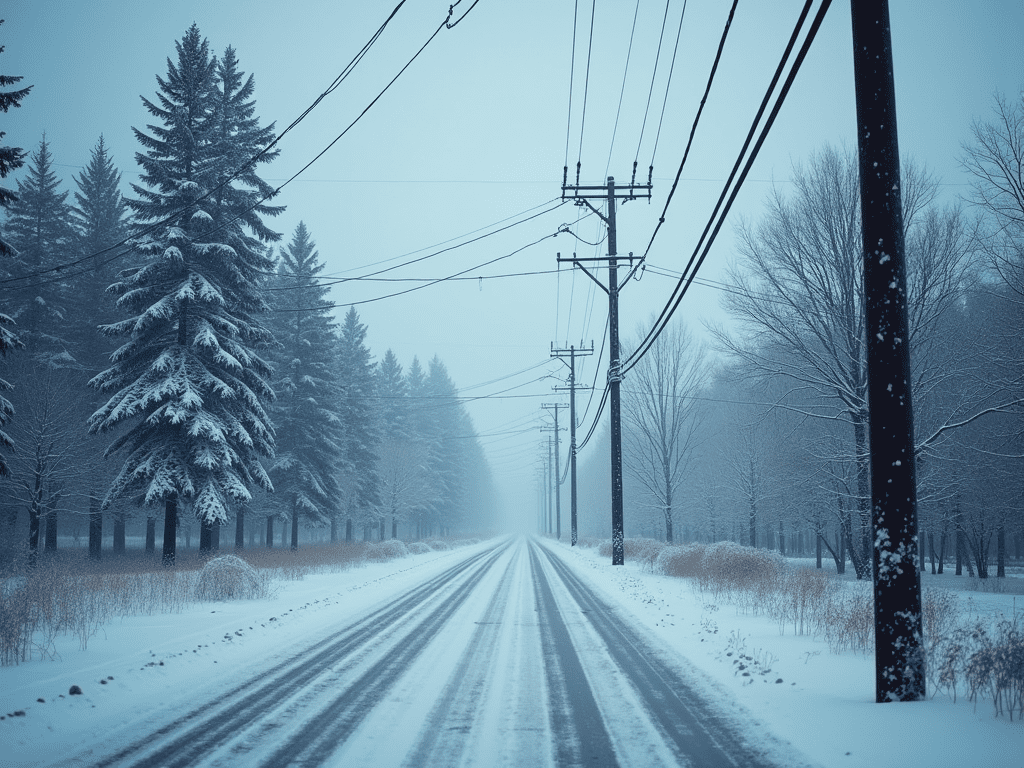
Winter Weather Brings Down More Than Power Lines: The $183 Billion Infrastructure Crisis We’re Ignoring

Here’s something that’ll make you uncomfortable: those winter blackouts you prep for every year? They’re completely preventable. Not with more generators or better emergency kits. But with infrastructure investments that most communities refuse to make.
We’ve normalized sitting in the dark for days after ice storms, treating power outages like acts of God instead of acts of negligence. The data’s brutal – winter weather disasters have more than doubled in the past 20 years, jumping from 31 billion-dollar events to 73. That’s not climate change alone. That’s us failing to adapt while Mother Nature cranks up the difficulty setting.
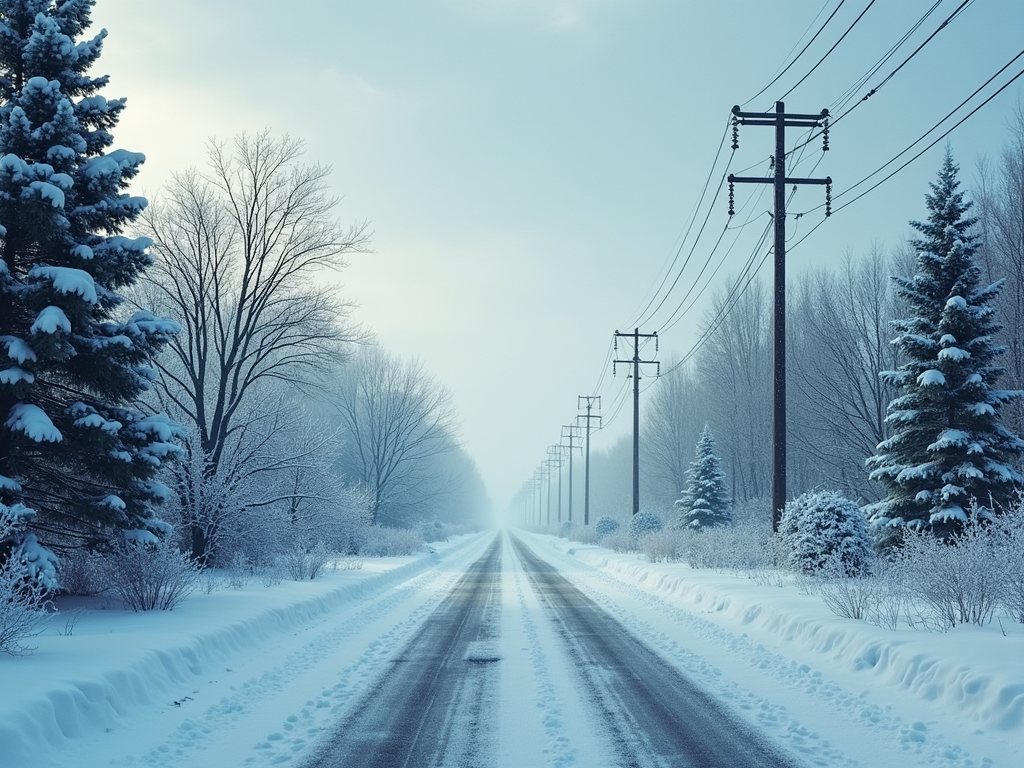
But here’s where it gets interesting: communities that actually invest in grid resilience cut their outage costs by 30%. Not 3%. Thirty. So why are we still wrapping pipes and stocking batteries like it’s 1985?
Why Winter Weather Brings Down Power Lines: The $182.7 Billion Problem Nobody’s Solving
Let me paint you a picture that utility companies don’t want you to see. In 2024 alone, we racked up $182.7 billion in weather disaster damage. Twenty-seven separate billion-dollar events. And winter storms? They’re the heavyweight champions of infrastructure destruction nobody talks about.
Here’s the kicker – we’ve known how to prevent most of this damage for decades. The engineering solutions exist. The technology’s ready. But we keep playing disaster cleanup instead of disaster prevention because, well, that’s just how we’ve always done it.
Think about your neighborhood after the last ice storm. Trees down. Power lines snapped like twigs. Transformers blown. Same scene, different year. We’ve turned winter storm damage into an annual tradition.
The numbers don’t lie. From 1985 to 2004, we had 31 billion-dollar winter disasters. Fast forward to 2005-2024? Seventy-three. That’s not inflation talking. That’s cascading infrastructure failures spreading like dominoes across regions that never upgraded their systems.
You know what’s really twisted? Insurance companies have this figured out. They’re jacking up rates and pulling out of areas with severe winter weather damage entirely. They’ve done the math. Winter weather brings down antiquated infrastructure, and antiquated infrastructure brings down their profit margins.
Meanwhile, we’re out here debating whether to buy a 5000-watt or 7000-watt generator. Like that’s the solution to a systemic infrastructure crisis. It’s like putting a Band-Aid on a compound fracture.
The real problem isn’t that winter weather brings down power lines. It’s that we built power lines meant for 1960s weather patterns and act shocked when 2024’s ice storms laugh at our outdated engineering.
Forget everything you think you know about winter weather destruction. That three-foot snowfall that makes the news? It’s nothing compared to a quarter-inch of ice.
A Northeast U.S. study just blew the lid off conventional wisdom. Areas with strategic tree cover – not cleared land – experienced way less storm damage. Why? Wind buffering. Those trees everyone wants to cut down “for safety” are actually protecting infrastructure from winter weather damage. The irony’s thick as freezing rain.
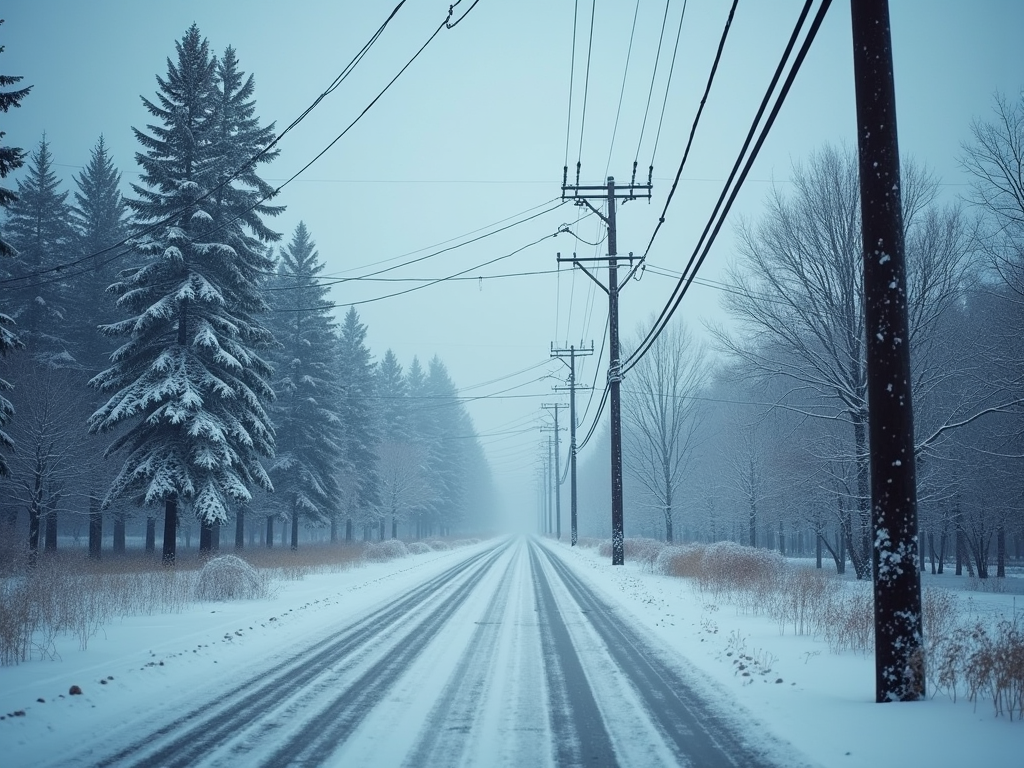
Here’s what really happens during extreme winter weather. Ice forms on everything – power lines, trees, buildings. A quarter-inch coating adds 500 pounds per span between poles. Half an inch? We’re talking 2,000 pounds. Your average power line wasn’t designed for bench-pressing a small car.
How Ice Accumulation Damage Works
- First, ice coats every exposed surface
- Weight increases exponentially (doubling with each 1/8 inch)
- Branches snap under 500+ pounds of ice
- Falling branches take out power lines
- Damaged lines pull down poles
- The whole grid section fails
The traditionally mild climate zones? They’re getting hammered worst. North Carolina, Virginia, places that used to see ice storms once a decade now face winter weather emergencies annually. Their infrastructure’s about as prepared as a beach umbrella in a hurricane.
Let me blow your mind with this one: regions with consistent heavy snow damage often have more resilient grids than areas with occasional ice storm damage. Buffalo handles blizzards better than Atlanta handles freezing rain damage. Not because Buffalonians are tougher (though they’ll tell you they are). Because their infrastructure evolved for their weather.
But ice accumulation’s just the opening act. Underground lines everyone thinks are the solution? Ice storms cause ground heaving that cracks conduits and floods vaults. Nothing’s safe when winter weather decides to flex.
The data’s clear: preventing winter weather damage requires completely different strategies than snow preparation. Yet most emergency plans treat them identically. It’s like training for a marathon by practicing your backstroke.
Community-Led Winter Weather Damage Prevention: How Canadian Cities Cut Emergency Response by 40%
While we’re buying generators and hoarding batteries, Canadian communities are rewriting the playbook on winter weather infrastructure damage prevention. And they’re embarrassing us in the process.
One mid-sized Ontario city faced the same winter weather emergencies we all know. Power out for days. Emergency services overwhelmed. Economic losses mounting. Sound familiar? But instead of accepting it as inevitable, they got organized.
Their approach was stupidly simple: stop treating infrastructure damage like someone else’s problem. They formed resilience teams combining utility workers, city officials, and regular citizens. Not committees that meet quarterly. Active groups that actually prevent winter weather damage.
The results? Emergency response times dropped 40%. That’s not a typo. When winter weather brings down power lines now, crews know exactly where to go first. No more driving around looking for damage. Community members report winter storm power outages through a coordinated system that actually works.
The 30% Solution: Grid Resilience That Works
- Mapped every ice accumulation damage zone
- Trimmed trees strategically (not randomly)
- Upgraded critical junction boxes before winter storms
- Installed automatic rerouting systems on main feeds
- Created real-time damage reporting systems
Boring infrastructure stuff that nobody Instagram stories but everybody benefits from when severe winter weather brings down the grid.
The mutual aid agreements between neighboring communities? Game changer. When one area faces winter weather destruction, resources flow in immediately. No bureaucratic delays. No territorial disputes. Just organized response that prevents extended winter power outages.
Compare that to most U.S. communities where we wait for FEMA declarations and argue about jurisdiction while people freeze during winter weather emergencies. The Canadians figured out something we haven’t – winter storm damage isn’t a technical problem. It’s an organizational one.
They even share real-time outage data between utilities and emergency services. While we’re calling automated phone lines to report storm related outages, they’re already dispatching crews based on integrated systems. It’s like they’re playing chess while we’re still learning checkers.
Winter Weather Safety Tips That Actually Matter: Infrastructure Edition
Look, winter weather bringing down infrastructure isn’t some unstoppable force of nature. It’s a choice we make every year when we prioritize reactive cleanup over proactive investment. Those Canadian communities cutting response times by 40%? They’re not superhuman. They just decided that sitting in the dark for a week wasn’t acceptable anymore.
The framework for preventing winter weather damage is simple:
- Map vulnerabilities before winter storms hit
- Organize community response teams
- Upgrade infrastructure strategically
- Coordinate between agencies
- Share data in real-time
No magic required. Just the political will to admit that our current approach to winter storm damage is broken.
Next time you hear about winter weather bringing down power lines in your area, remember this: somewhere else, communities figured out how to keep the lights on. The question isn’t whether we can prevent winter blackouts. It’s whether we care enough to try.
Your local winter weather damage could drop by 30%. Emergency response could improve by 40%. The cost of winter weather damage to your community could plummet. But only if we stop treating ice storm damage like an inevitable curse and start treating it like the solvable engineering problem it is.
The $183 billion we lose to winter weather infrastructure damage every year? That’s not Mother Nature’s bill. That’s the price of our stubbornness. Time to pay attention to what actually works.
Your move.

