
How to Build a Salad That Actually Keeps You Full

Salads often fail to satisfy because they’re mostly water-filled vegetables lacking key nutrients. Those trendy bowls of leafy greens might look Instagram-worthy, but without protein, healthy fats, and complex carbs, they’re nutritionally incomplete. The timing matters too – chomping through raw vegetables after a main course actually reduces total vegetable intake by 23%. Even the brain needs more than endless crunching on leaves. The secret lies in transforming that sad bowl into a properly balanced meal.

Most people who opt for a salad as their main meal end up ravenous within hours. It’s not their imagination, and it’s definitely not lack of willpower. The truth is, that sad bowl of lettuce is failing them on multiple nutritional levels.
Let’s face it – throwing a bunch of low-calorie vegetables together isn’t exactly a recipe for sustained energy. The problem starts with basic math. Vegetables are mostly water, which means you’re getting minimal calories per bite. Sure, you might feel stuffed immediately after eating that mountain of roughage, but that feeling won’t last. Your body isn’t stupid – it knows when it’s being shortchanged on calories. Including all three macronutrients can prevent you from reaching for unhealthy snacks later.
A plateful of water-logged vegetables might fill your stomach temporarily, but it’s hardly the formula for lasting satiety.
And those fancy fat-free dressings? They’re making things worse by skipping the very fats needed for vitamin absorption and hormone regulation. The protein situation isn’t any better. Without at least 20 grams of protein from sources like chicken, eggs, or legumes, hunger hormones come roaring back with a vengeance. Adding healthy fats and protein can transform your salad into a truly satisfying meal.
Those trendy plant-based bowls might look Instagram-worthy, but they’re often missing complete protein sources altogether. And let’s talk about carbs – or rather, the lack of them. Those flimsy croutons aren’t doing anyone any favors, and the absence of complex carbohydrates means your blood sugar is in for a wild ride.
Timing matters too, surprisingly. Scarfing down your salad after your main course? You’ve just reduced your vegetable intake by 23%. And while we’re at it, those missing micronutrients aren’t helping either. Without adequate B12, iron, and zinc, you’re setting yourself up for fatigue and metabolic slowdown.
The final nail in the salad coffin? Psychology. There’s something deeply unsatisfying about endless chomping on bland leaves. Your brain wants variety, texture, and complexity – not just the endless crunch of raw vegetables.
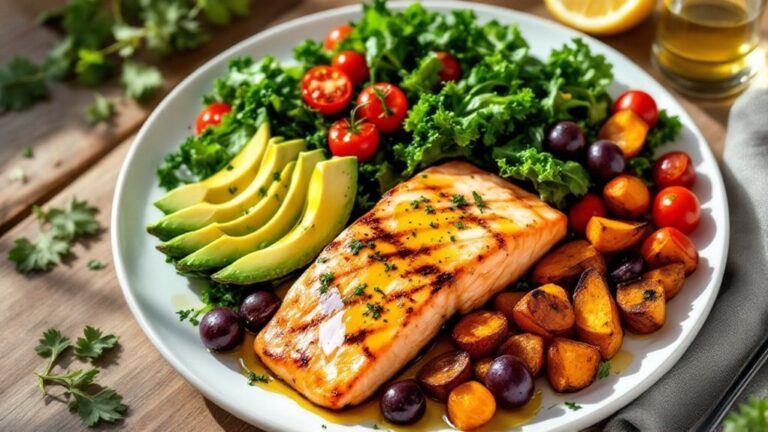
The solution isn’t abandoning salads entirely, but rather transforming them into actual meals with balanced macronutrients, healthy fats, and proper timing. Because nobody deserves to feel hungry an hour after lunch.
Related Reading
- This Tiny Fish Crushes Salmon in Nutrition—And Most People Still Ignore It
- Nuts and Seeds Don’t Worsen Diverticulitis, Surprising New Study Finds
- Exercise After Pregnancy: A Safe, Realistic Guide to Starting
- Maty’s Healthy Products Is Gone: Here’s Your Survival Guide for Natural Health Independence
This article is for general informational purposes only and isn’t a substitute for professional medical advice. Every family and body is different, so please check with a qualified healthcare provider before making decisions about your health or your family’s health.