Who Says Glasses Can’t Be Trendy AND Affordable? The $250 Designer Collection Hack Nobody’s Talking About

Let me blow your mind real quick. That $450 pair of Ray-Bans you’re eyeing? They cost about $15 to make. Yeah, you read that right.
Welcome to the greatest fashion scam of the 21st century, where one Italian company controls 80% of the world’s eyewear and charges you luxury prices for plastic and metal worth less than your lunch.
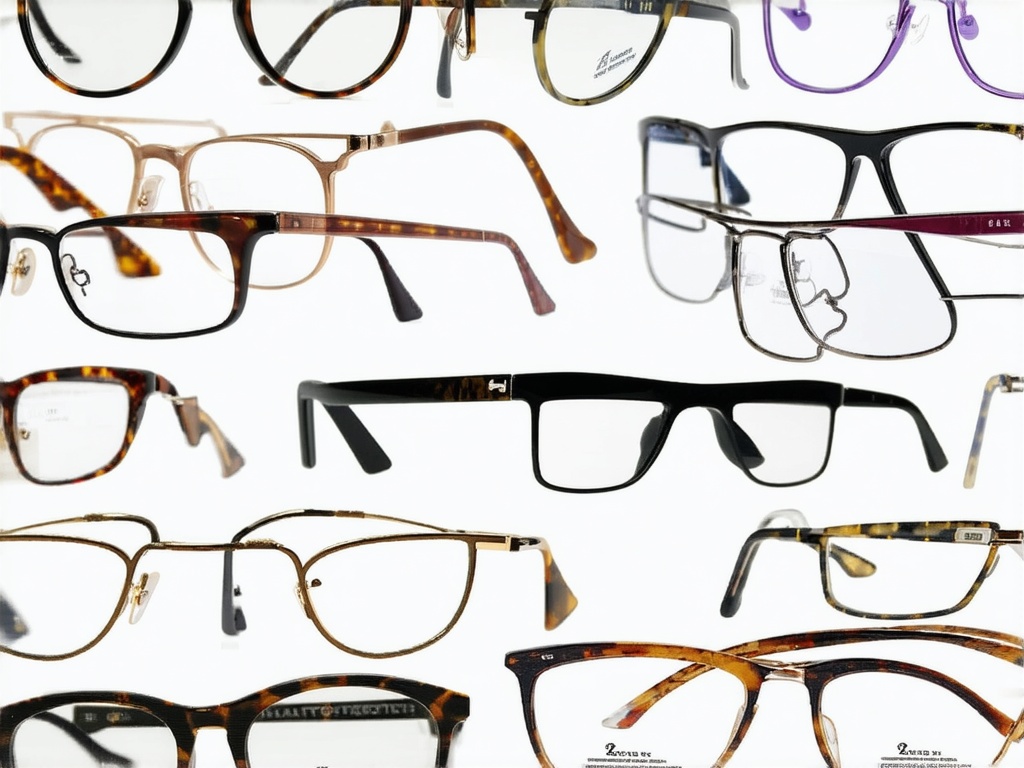
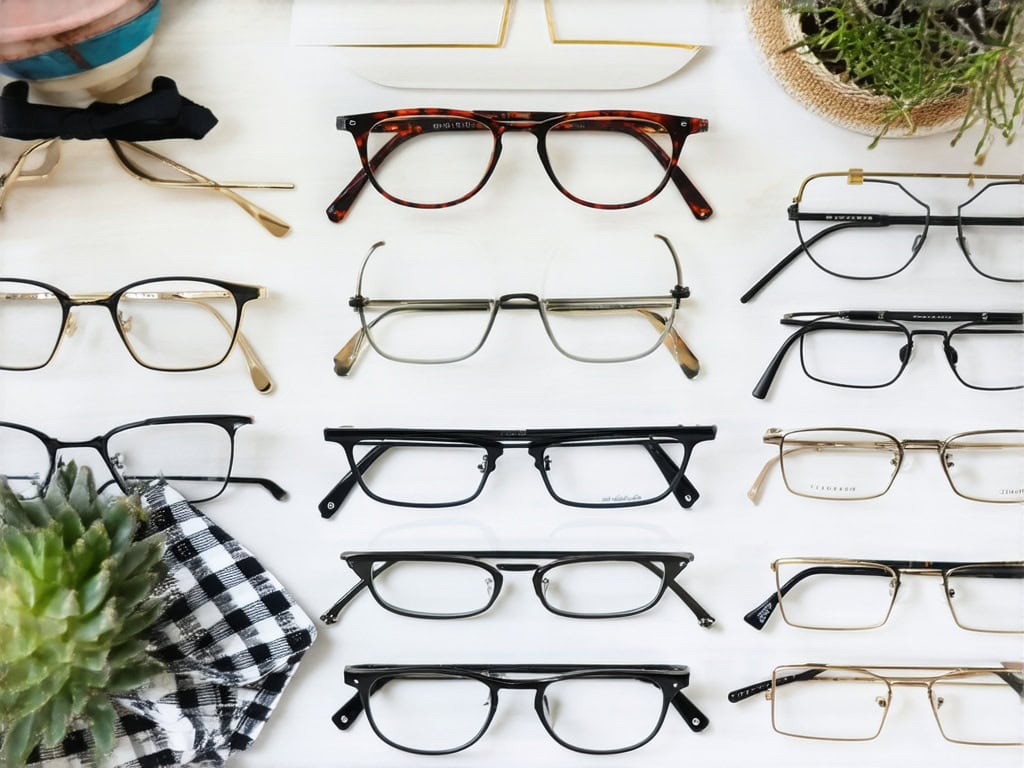
But here’s where it gets juicy. While everyone’s out here dropping car payments on glasses, a bunch of smart shoppers figured out how to build entire designer-worthy collections for what most people spend on one pair. We’re talking five different styles – from power frames that scream ‘promote me’ to those clear statement pieces everyone’s obsessing over – all for under $250 total.
And before you roll your eyes thinking this is another cheap glasses guide, hold up. This isn’t about settling for ugly frames or sketchy quality. This is about gaming a rigged system using insurance hacks, celebrity trend insights, and retailers who literally sell the exact same materials without the 2000% markup.
Why Designer Glasses Are a $300 Billion Illusion (And How Smart Shoppers Are Breaking Free)
Here’s a fun fact that’ll make you want to throw your overpriced frames across the room. Luxottica – the company that owns Ray-Ban, Oakley, Versace eyewear, Prada glasses, and about 20 other ‘luxury’ brands – also owns LensCrafters, Pearle Vision, Sunglass Hut, and Target Optical.
They literally control the entire pipeline from manufacturing to your face.
It’s like if McDonald’s owned every cow farm, burger joint, and your local grocery store’s meat section. No wonder a piece of plastic that costs $15 to make suddenly becomes a $450 ‘investment piece.’
But something wild happened in 2025. Companies like Zenni Optical said screw it and started selling complete prescription glasses for $6.95. Not frames. Complete glasses. With lenses. For less than a fancy coffee.
And before you assume they’re garbage, let me stop you right there. These rebel brands use the exact same acetate, the same lens materials, even better technology with their 3D virtual try-on that shows your face from every angle. The only difference? They don’t pay for celebrity endorsements or fund Italian villa parties for executives.
The 2025 tier list that’s been making rounds in fashion circles is brutal. It ranks independent brands like Flare and Lii Works above Luxottica-owned Costa. Why? Because when you strip away the marketing BS, these ‘affordable’ brands deliver identical quality without the corporate tax.
Anglo-American Optical – never heard of them? Exactly. They’re quietly making frames that fashion insiders are calling superior to anything Luxottica produces, at 90% less cost.
This isn’t about being cheap. It’s about not being stupid. When Warby Parker proved you could make trendy, high-quality frames for $95 instead of $500, they didn’t just disrupt an industry – they exposed it. Now we’ve got brands going even further, and the old guard is panicking.
So now that you know the game is rigged, let’s talk about winning it with style.
The 5-Frame Formula: Building Your $250 Designer-Worthy Collection
Forget everything you’ve been told about needing one perfect pair of glasses. That’s broke thinking pushed by companies who want you dropping $500 every time trends change.
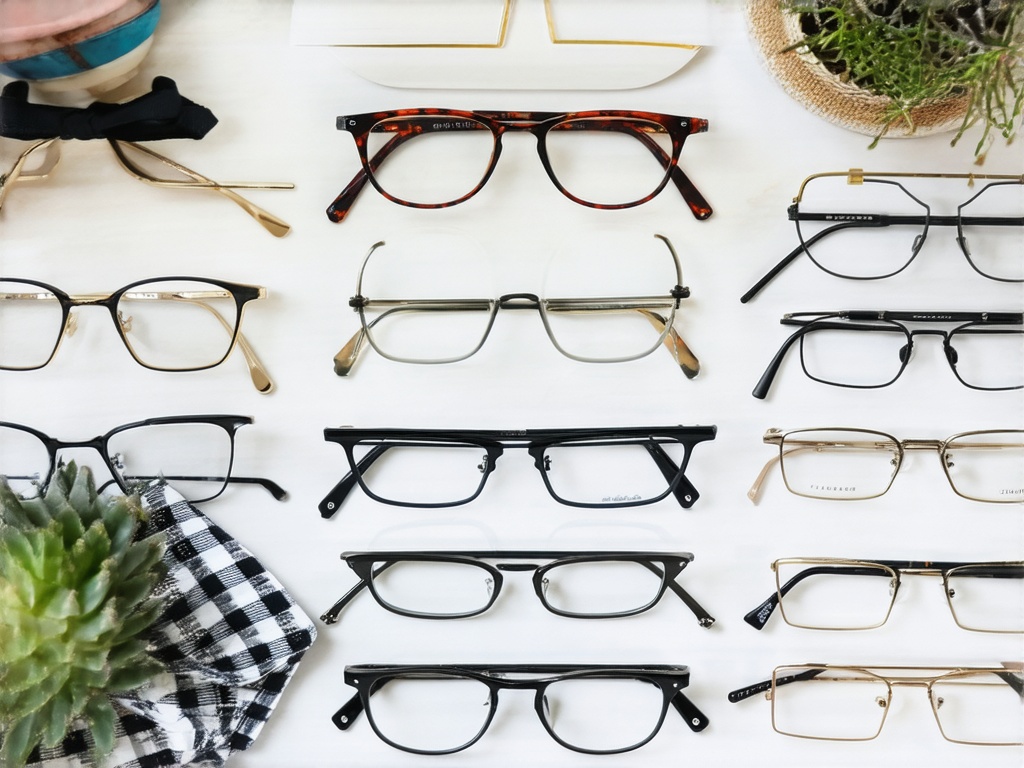
Smart money builds a rotation. Five frames, five moods, endless options. Here’s the blueprint that’s been circulating among fashion-forward budget shoppers.
Frame One: The Bayonetta Power Statement
First up: The Bayonetta power frames. Yeah, that’s what they’re calling those angular cat-eye shapes that Hailey Bieber and Zendaya made blow up in 2025. These aren’t your grandma’s cat-eyes – we’re talking sharp, dramatic, ‘I eat CEOs for breakfast’ energy.
Vintage-inspired retailers are churning out versions for $40-60 that look identical to the $400 designer versions Charli XCX rocks.
Frame Two: The Invisible Minimalist
Frame two: Minimalist rimless. Flare’s ‘invisible’ frames are crushing it because sometimes you want your face, not your accessories, to do the talking. These vanish-on-face designs run $50-70 and make you look effortlessly put-together. The kind of frames that whisper money without screaming try-hard.
Frame Three: Classic Tortoiseshell That Never Dies
Third essential: Vintage tortoiseshell. Classic never dies, but it sure as hell doesn’t need to cost $300. EyeBuyDirect’s rotating inventory means you can snag authentic-looking tortoise frames for $30 during their flash sales. Pro tip: their algorithm drops prices on styles that have been in stock over 30 days.
Frame Four: Gen Z’s Clear Statement
Fourth frame: Clear statement pieces. Gen Z made these mainstream, and now everyone from college students to CEOs is rocking transparent frames. Zenni’s got them starting at literally $6.95, which means you can grab three different shapes and still spend less than one ‘designer’ pair.
Frame Five: Your Reliable Daily Driver
Final piece: Your everyday classic. This is where Warby Parker alternatives shine. Something versatile in black or brown that works with everything. Eyeconic’s got frames like the WM 20210 at $139 with lenses – and here’s where it gets interesting. With VSP insurance, that $139 frame becomes free. Yeah, free. More on that in a second.
Total damage for five frames using this formula? Under $250 if you play it right. That’s less than one basic pair at LensCrafters, and you’ve got options for every meeting, date, or random Tuesday when you feel like switching it up.
But wait, it gets better. Let me show you how to cut that $250 down to practically nothing using the insurance hack that 99% of people miss.
The Insurance Hack 99% of Shoppers Miss: Turning $159 Into $500 Worth of Trendy Frames
This is where things get stupid good. Most people think vision insurance only works at boring retail chains with outdated frames. Wrong. Dead wrong.
Companies like Eyeconic cracked the code by integrating VSP and MetLife directly into their checkout. You literally just enter your info and watch $300 disappear from your total.
Here’s how it actually works. Say you’ve got VSP – the most common vision insurance in America. You get a frame allowance, usually $150-200, plus money off lenses. Most people waste this at LensCrafters on one overpriced pair. But Eyeconic’s playing 4D chess.
They’ve got trendy frames like the OG 9009 at $159 with prescription lenses included. Your insurance covers $150 of the frame, maybe $50 on lenses. Suddenly you’re paying $9 for designer-quality glasses. Nine. Dollars.
But here’s the hack within the hack. Vision insurance resets every 12 or 24 months, right? Wrong again. Some plans let you use your benefits on contacts OR glasses. Choose glasses, obviously. Some have separate allowances for frames and lenses that stack. Some give you discounts on additional pairs after you use your main benefit.
MetLife users are sitting on goldmines they don’t even know about. I’ve seen people combine their $200 frame allowance with Eyeconic’s already-low prices and walk away with three pairs of trendy frames for under $50 total.
The timing matters too. Use your benefits in January when retailers are desperate to hit Q1 numbers and stack promotions. Or December when they’re closing out inventory. Never use insurance in spring – that’s when new collections drop at full price.
Even without insurance, the game’s changed. That virtual try-on tech everyone thought was gimmicky? It’s better than going to a store now. Zenni’s 3D preview shows how frames look from every angle, how they sit on your nose, whether they’ll slide down when you look at your phone. No awkward store lighting, no pushy salespeople, no COVID germs on demo frames.
The real power move? Buy two frames with insurance, three without. You’re still under $250 total, and you’ve got a collection that would cost $2,500 at traditional retailers. Math doesn’t lie, even if the eyewear industry does.
Now let’s put this all together with a plan that’ll transform your style in 30 days.
Your 30-Day Style Transformation Roadmap
- Week 1: Start with Zenni. Order their $6.95 clear frames in whatever wild shape you’ve been curious about. Use code FIRST50 if you’re a new customer – sometimes they throw in free shipping. This is your test run, your proof that cheap doesn’t mean ugly.
- Week 2: Hit up your insurance portal. Seriously, do it now while you’re thinking about it. Find out exactly what you’ve got – frame allowance, lens coverage, any weird restrictions. Screenshot everything.
- Week 3: Browse Eyeconic with your insurance info ready. Their filter lets you sort by ‘covered by insurance’ which is basically like having a cheat code. Pick your everyday frame and one statement piece. Use insurance on the pricier one.
- Week 4: Circle back to EyeBuyDirect for their month-end clearance. Grab that tortoiseshell and maybe a backup clear frame. Sign up for their texts – they send 40% off codes like candy.
By day 30, you’ve got five frames, spent under $250, and look like you raided a celebrity stylist’s collection.
Look, I’m not here to tell you how to spend your money. But if you’re still dropping $400+ on single pairs of glasses while Luxottica executives laugh their way to the bank, we need to talk.
The game changed. The $6.95 complete glasses from Zenni aren’t a compromise – they’re a middle finger to an industry that’s been scamming us for decades.
Five frames for under $250 isn’t about being cheap. It’s about being smart enough to match your glasses to your outfit, mood, or that Zoom call where you need to look like you have your life together. It’s about trying that bold Bayonetta style without committing your rent money.
Here’s your move. Go to Zenni right now. Order their cheapest frames with the wildest style you’ve been wanting to try. Use their 3D try-on, spend less than $7, and see for yourself. When those glasses arrive and look fire, you’ll realize everything you believed about needing to pay designer prices was a lie.
Then come back and build your five-frame collection. Because once you know the truth, there’s no going back to the $300 billion illusion.
The eyewear industry bet on you staying ignorant. They lost. Now it’s your turn to win.