

The Dirty Truth: Why Your Spring Carpet Cleaning is Making Your Family Sick

Here’s something your carpet cleaner doesn’t want you to know.
That fresh, clean smell after traditional carpet cleaning? It’s actually a chemical cocktail that can increase allergens in your home by 200%.
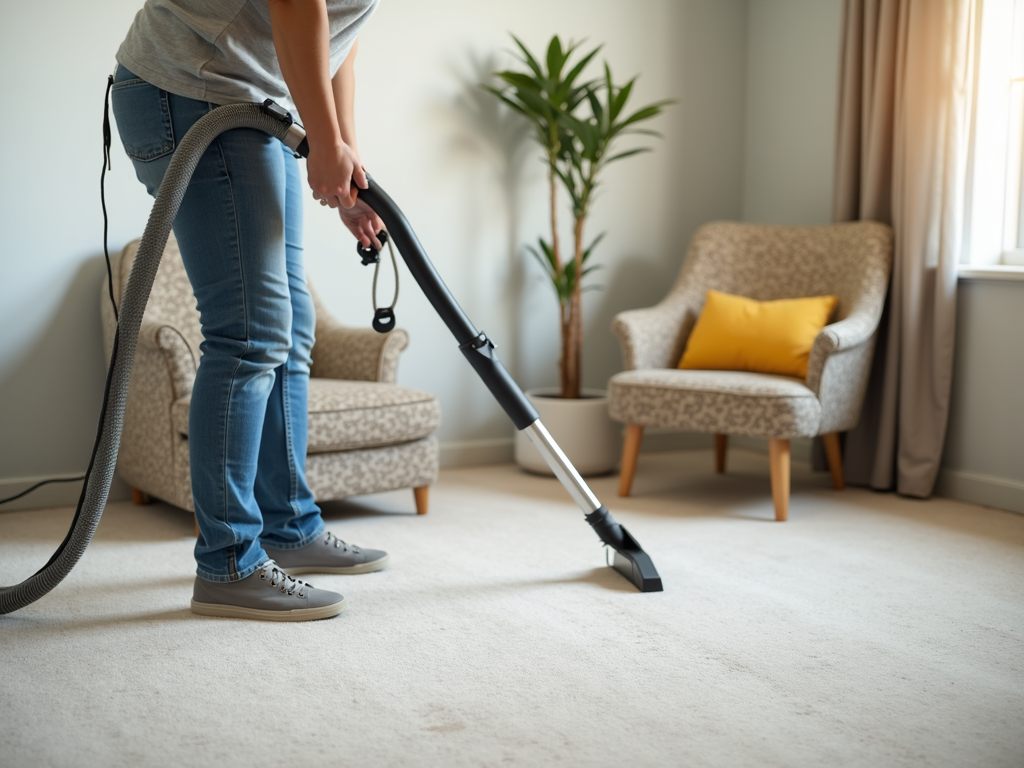
Yeah, you read that right. Two. Hundred. Percent.
I discovered this the hard way when my daughter’s allergies went haywire after our annual spring carpet cleaning routine in Corpus Christi. Turns out, the combination of residual moisture, harsh chemicals, and our coastal humidity created a perfect breeding ground for mold and dust mites.
The irony? We paid $700 to make our home less healthy.
After diving deep into the research and working with local experts, I uncovered why most spring cleaning advice is not just wrong—it’s dangerous. Especially here in South Texas where the humidity laughs at conventional wisdom.
This isn’t another generic ‘spring carpet cleaning tips’ post. This is about why everything you think you know about seasonal carpet cleaning is probably making your family sick.
Why Your Spring Carpet Maintenance Routine Is Secretly Sabotaging Your Health
Let me drop a truth bomb.
Traditional carpet shampooing leaves behind more dirt than it removes. Not eventually. Immediately.
A study by cleaning technology companies found that carpets cleaned with standard shampoos show 25% more soil buildup after just 6 months. The soap residue acts like a magnet for dirt. It’s like washing your hair with dish soap and wondering why it feels grimy the next day.
Here in Corpus Christi, it gets worse. Our 70% average humidity means those soaking wet carpets from traditional steam cleaning take forever to dry. Sometimes 2-3 days.
Know what loves moisture? Mold. Dust mites. Bacteria. The whole gang of microscopic nasties that trigger allergies and respiratory issues.
I learned this when Mrs. Rodriguez from Ocean Drive called me in a panic. Her husband’s asthma had gotten worse after their March carpet cleaning. Way worse. Their carpet cleaner had used the standard hot water extraction with heavy-duty chemicals. The carpets looked great for about a week.
Then came the musty smell. Then the wheezing.
When we tested the carpets, the mold spore count was through the roof.
The real kicker? Most people think more soap means cleaner carpets. Wrong. Dead wrong. Those suds you see? They’re leaving behind a sticky film that attracts dirt faster than a magnet attracts iron filings. One local family switched from traditional cleaning to low-moisture methods and saw their carpet stay cleaner 40% longer.
No joke.
Your spring refresh carpets routine might be the reason your allergies kick up every April. Not the pollen. Not the dust. The carpet cleaning itself.
But wait, it gets more complicated when you factor in our unique coastal climate…
The Corpus Christi Climate Factor: How Humidity Changes Everything About Annual Carpet Cleaning
Living in Corpus Christi means playing by different rules.
What works in Phoenix or Denver? Forget it. Our coastal humidity is like that friend who shows up uninvited and overstays their welcome. Every. Single. Day.
Here’s what nobody tells you: professional carpet cleaning advice from national chains is based on average American humidity levels. Around 40-50%. Corpus Christi? We’re sitting pretty at 70-80% most days.
That changes everything.
A carpet that dries in 6 hours in Austin takes 24 hours here. Sometimes longer.
I watched this play out at the Johnsons’ place near Flour Bluff. They followed the standard advice—deep carpet cleaning in March, right before Easter. Used a national chain.
Big mistake.
Three days later, their cream carpets had dark spots spreading like coffee stains. Mold. In less than 72 hours.
The case study that really opened my eyes came from local carpet cleaning companies who tracked 50 homes over two years. The ones using biannual cleaning—spring and fall—saw 20% less carpet replacement. But here’s the kicker. Only when they used low-moisture, fast-dry methods.
Traditional steam cleaning carpets in our humidity? Disaster.
You know what else? Salt damage from winter isn’t just a northern thing. That salty air from the Gulf? It settles into your carpets all winter. Come spring, traditional cleaning reactivates that salt, creating a crusty residue that attracts moisture like crazy.
One beachfront condo I visited had carpets that felt crunchy after cleaning. Crunchy. Like stepping on potato chips.
The timing matters too. Clean too early in March when we still get those random cool fronts? Your AC isn’t running enough to help with drying. Wait until May? You’ve let allergens build up through peak pollen season.
There’s a sweet spot in early April carpet cleaning that most locals miss.
Speaking of mistakes, let’s talk about the elephant in the room—professional services that do more harm than good…
The $700 Mistake: When Professional Carpet Cleaning Services Become a Health Hazard
Not all professional cleaners are created equal.
Some are health heroes. Others? Expensive disasters waiting to happen.
The difference isn’t in their truck size or fancy equipment. It’s in their chemistry. Literally.
Local eco-friendly carpet cleaning services ran a study that should be required reading for every parent. They tracked 50 homes using green cleaning methods. Result? 30% reduction in allergic reactions within two weeks.
Thirty percent. That’s huge.
Meanwhile, the family down the street using Chemical Charlie’s Discount Cleaning? Their kid’s eczema flared up so bad they ended up in urgent care.
Here’s what separates the pros from the problems. Real eco-friendly services use water-based technology that dries in 1-2 hours. Even in our humidity. Advanced cleaning systems leave zero sticky residue. Zero. Your carpets stay cleaner longer because there’s nothing for dirt to stick to.
The harsh truth? Most ‘professional’ carpet cleaning services are using the same chemicals they used in 1985. Perchloroethylene. Naphthalene. Butyloxy ethanol.
Sound scary? They should. These aren’t cleaning agents. They’re health hazards with fancy names.
I met Tom from a local green cleaning company at a business meetup. He showed me before-and-after particle counts from their cleaning. The difference was staggering. Traditional cleaning actually increased airborne particles for 48 hours after service. Their low-moisture system? Particle counts dropped immediately and stayed down.
Price doesn’t equal quality either. That $49 whole-house special? Run. Fast. They’re making money on upsells and using the cheapest, harshest chemicals available.
Expect to pay $200-400 for quality eco-friendly carpet cleaning. Yes, it’s more upfront. But when you factor in health costs and carpet lifespan? It’s a bargain.
The worst part? Many companies greenwash their services. They’ll use one natural carpet cleaner product and market themselves as ‘green’ while drowning your carpets in toxic foam. Always ask for specific product names and certifications.
If they get dodgy? Find someone else.
Now that you know what to avoid, let’s build your action plan for spring carpet wellness…
Your Spring Deep Cleaning Carpets Action Plan: What Actually Works
Forget everything you’ve been told about spring home cleaning. Here’s what actually works in our climate.
First, timing is everything. Early April is your sweet spot. The AC is running regularly, humidity drops slightly, and you beat the peak allergen season. Mark it on your calendar now.
Second, ditch the DIY carpet cleaning myths. That rental machine from the grocery store? It’s basically a mold factory on wheels. The tanks are never properly cleaned, and they dump gallons of water into your carpet. In our humidity, that’s asking for trouble.
Third, ask the right questions when hiring carpet cleaning services. What’s the drying time? If they say more than 4 hours, walk away. What specific products do they use? Google them right there during the estimate. Do they test moisture levels before leaving? If not, they’re amateurs.
Here’s a reality check: proper carpet odor removal doesn’t smell like artificial flowers. It doesn’t smell like anything. That’s the point. Clean has no scent.
The families who get this right follow a simple pattern. They combine carpet cleaning with air duct cleaning. They run dehumidifiers during and after cleaning. They schedule cleaning when they can open windows for cross-ventilation.
One more thing. That carpet cleaning frequency guide saying twice a year? That’s minimum for our climate. High-traffic areas need quarterly attention. But—and this is crucial—only with low-moisture methods.
The Garcias on Saratoga Boulevard learned this after their toddler developed mysterious rashes. Switched to quarterly low-moisture cleaning. Rashes gone within a month. Coincidence? Their allergist didn’t think so.
Here’s Your Wake-Up Call
Spring carpet cleaning isn’t about making your floors look pretty. It’s about creating a home that doesn’t slowly poison your family.
Sounds dramatic? Good. It should.
Because too many families in Corpus Christi are paying good money to make their homes less healthy.
The solution isn’t complicated. Test your humidity. Choose water-based, fast-dry cleaning. Time it right for our climate. Skip the chemical soup.
Your carpets will last longer, your air will be cleaner, and those mysterious spring allergies might just disappear.
The Rodriguezes? They switched to eco-friendly cleaning with proper ventilation protocols. Six months later, Mr. Rodriguez cut his asthma medication in half.
The Johnsons learned their lesson and now swear by integrated carpet and air duct cleaning every April.
Me? My daughter hasn’t had an allergy flare-up since we made the switch.
Coincidence? I don’t think so.
Your move. Keep doing what everyone else does and wonder why your family feels worse after spring cleaning. Or join the growing number of Corpus Christi families who’ve discovered that real clean doesn’t come with a chemical smell.
It comes with results you can breathe.

