

The $15 Pin That’s Worth $150: How Disneyland’s Diamond Celebration Created an Accidental Investment Empire

Remember that Diamond Celebration pin you almost bought in 2015? The one you thought was overpriced at fifteen bucks?
Yeah, about that. It’s selling for $150 on eBay right now. Maybe more.
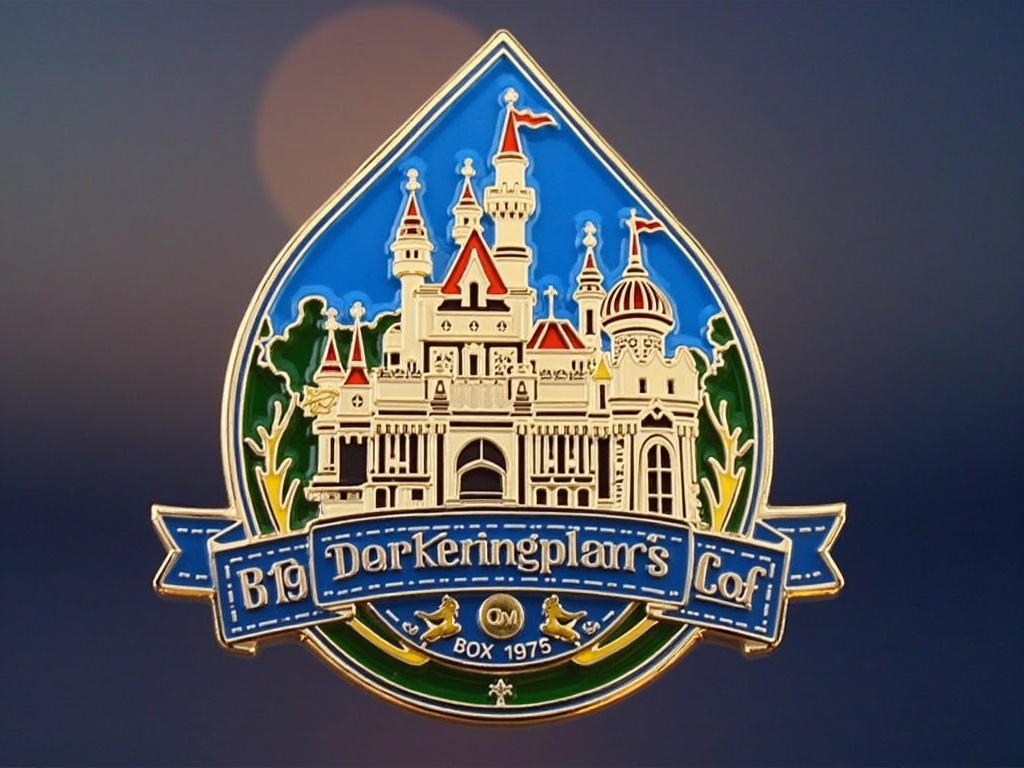
Welcome to the weird world where Disney souvenirs became better investments than your 401k. I’m not kidding. During Disneyland’s 60th anniversary Diamond Celebration, something strange happened. What started as a typical Disney cash grab turned into an underground economy worth millions.
Collectors, flippers, and regular folks who just happened to keep their receipts are now sitting on goldmines. Or diamond mines, I guess.
This isn’t your typical ‘remember when’ nostalgia piece about Paint the Night or those sparkly castle decorations. This is about how Disney accidentally created a secondary market that rivals cryptocurrency. Except these investments have Mickey ears.
The Birth of a Billion-Dollar Collectibles Market: Understanding Disneyland’s Diamond Celebration Strategy
Let me blow your mind with a number: 500.
That’s how many unique merchandise items Disney pumped out for the Diamond Celebration. But here’s the kicker – some pins had production runs of just 2,000 units. For a park that sees 50,000 people on a slow Tuesday.
Do the math.
Disney knew exactly what they were doing. They’d learned from previous anniversaries. The 50th? Amateur hour. By 2015, they’d perfected the art of manufactured scarcity.
Take the annual passholder exclusive pins. They made exactly 3,000 of the diamond-encrusted castle design. Three thousand. For hundreds of thousands of passholders. The feeding frenzy was instant. Lines at pin trading stations looked like Black Friday at Best Buy.
I watched a grown man cry when he missed the last diamond Tinker Bell pin by two people. Not my proudest Disney moment, but I get it now. That pin sells for $275 today.
The strategy was brilliant. Release items in waves. Create buzz. Let FOMO do the heavy lifting. They’d drop merchandise on random Tuesdays at 2 PM. Who does that? Disney does. Because they knew collectors would call in sick to work.
The Diamond Celebration wasn’t just an anniversary party. It was a masterclass in creating artificial demand. Every limited edition release was calculated. Every ‘while supplies last’ sign was strategic. They turned shopping into a competitive sport.
And we ate it up.
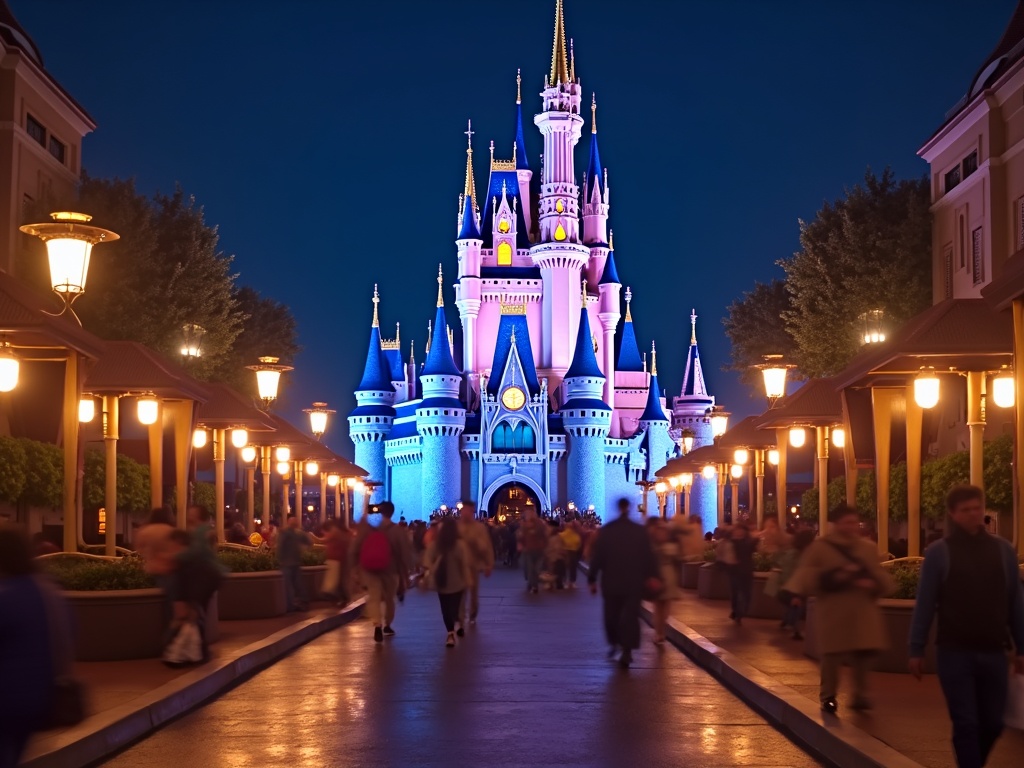
The really smart ones? They bought doubles. One to keep, one to flip. Some folks made their annual pass payments just by reselling Diamond Celebration merch. It was like Tickle Me Elmo meets Wall Street, with mouse ears.
But the merchandise was just the appetizer. The real money came from something nobody saw coming – technology.
The Technology Revolution: How Paint the Night and Disneyland Forever Changed Collectible Value
Here’s something wild: Paint the Night parade used 1.5 million LED lights. Million. With an M.
But that’s not the crazy part.
The crazy part is those $25 light-up paint brushes they sold are now worth $300. Three hundred dollars. For a plastic wand that makes colors.
Let that sink in.
Those paint brushes weren’t just merchandise. They were interactive tech that synced with the parade. When floats passed by, your brush would change colors and patterns. It was like having a backstage pass in your hand. Kids went nuts. Parents went broke. Collectors went shopping.
I remember standing on Main Street, watching thousands of these brushes lighting up in perfect sync with Tinker Bell’s float. It was magical. It was also the moment smart collectors realized these weren’t just toys. They were limited-run tech memorabilia.
The first batch sold out in three hours. Three. Hours.
Disney scrambled to make more, but the damage was done. Original first-run brushes became the holy grail. How can you tell? Check the serial number. First editions start with ‘DL60-001’. If you’ve got one of those in your closet, congratulations. You’re sitting on a car payment.
But wait, there’s more. Remember those projection mapping effects during Disneyland Forever? Disney sold these special viewing glasses that enhanced the show. Fifteen bucks at the time. Seemed gimmicky.
Except they only made 10,000 pairs. For the entire sixteen-month run.
Those glasses now trade for $180 on collector forums.
The tech integration changed everything. This wasn’t your grandmother’s Mickey Mouse pennant. These were sophisticated collectibles that combined nostalgia with innovation. Smart collectors recognized the shift immediately. They weren’t buying souvenirs. They were buying the future of theme park merchandise.
The really clever ones focused on items with electronic components. Light-up ears, interactive pins, anything with a battery. Why? Because Disney rarely repeats exact tech items. Once Paint the Night ended, those brushes became extinct. No reprints. No second chances. Just pure, profitable scarcity.
Now let’s talk about the elephant in the room – the money. The serious money.
The Hidden Economy: Secondary Markets and Investment Returns That Rival Traditional Assets
Buckle up for this one: Limited edition Diamond Celebration annual passholder pins have achieved 900% returns in eight years.
Nine. Hundred. Percent.
Your index fund is crying right now.
There’s a Facebook group with 52,000 members dedicated solely to trading Diamond Celebration merchandise. Fifty-two thousand. That’s bigger than most small towns. And these people aren’t messing around. They’ve got spreadsheets, authentication guides, and market analysis that would make Goldman Sachs jealous.
Let me tell you about Sarah from Tustin. Bought twenty Diamond Celebration starter pin sets at $14.99 each in 2015. Total investment: $300. She sold them last month for $125 per set.
Do the math. That’s $2,500. From pins. Pins!
The secondary market operates like a bizarre stock exchange. Prices fluctuate based on Disney announcements, movie releases, even TikTok trends. When that viral ‘Disney Adult’ video hit last year, Diamond Celebration merchandise prices jumped 30% overnight. I’m not making this up.
eBay’s sold listings tell the whole story. That exclusive Diamond Celebration MagicBand? Originally $32.95. Recent sale: $450. The limited edition popcorn bucket shaped like the castle? Retail: $25. Current market: $275.
And don’t get me started on the errors and misprints. A Diamond Celebration map with a typo sold for $1,200. Twelve hundred dollars. For a map. With a spelling mistake.
The trading groups are intense. People post ISO (in search of) lists longer than grocery receipts. They’ve created their own economy with its own rules, authentication methods, and pricing guides. PinPics became their Bloomberg Terminal.
The smart money wasn’t in stocks or crypto. It was in a storage unit full of Diamond Celebration merchandise, waiting for the right moment to cash out.
So how do you get in on this action? Time for some real talk about building a collection that actually pays off.
Look, I’m not saying quit your job and become a Disney pin trader
That’s terrible advice, and I don’t give advice anyway.
But here’s what I know: Disneyland’s Diamond Celebration created something nobody expected. A legitimate alternative investment market hiding in plain sight.
Those sparkly souvenirs everyone mocked? They’re outperforming traditional investments. The collectors everyone called crazy? They’re laughing all the way to the bank.
The Diamond Celebration changed the game. It proved that theme park merchandise isn’t just stuff you buy and forget. It’s a market. An opportunity. A really weird way to accidentally make money.
Next time Disney announces a big anniversary, remember this article. Remember the paint brushes. Remember the 900% returns.
Then maybe, just maybe, buy two of everything. One to keep. One to pay for your kid’s college.
Or at least their Disney vacation.


