
Rethink Dieting: Why Eating Healthier Might Be Easier Than You’ve Been Told

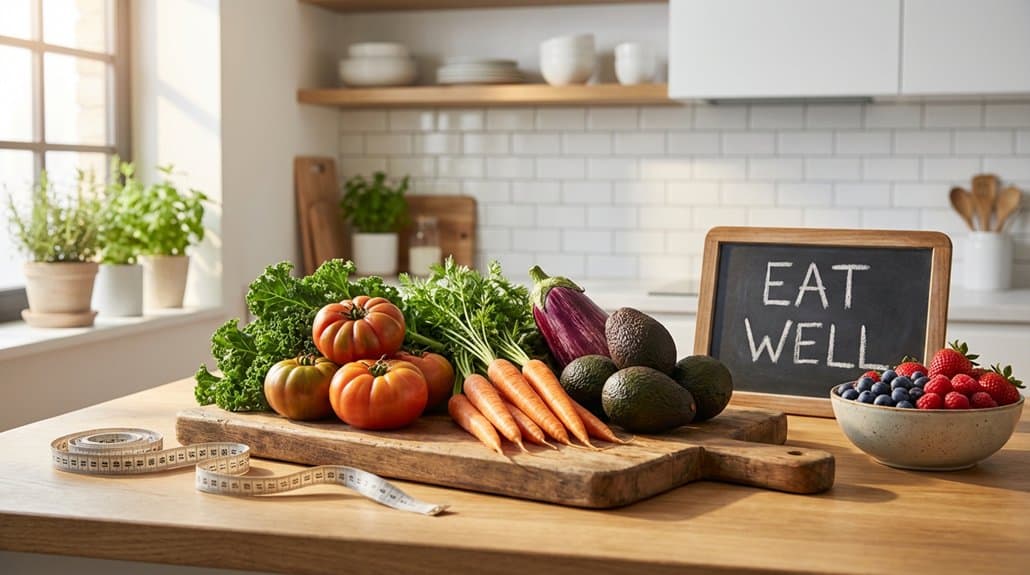
Eating healthier might actually be simpler than the diet industry wants anyone to believe. Research shows plant-based diets deliver solid weight loss—averaging 14 pounds in 16 weeks—without the calorie-counting drama. No expensive keto snacks required. In fact, studies indicate a 19% savings on grocery bills. That’s right, healthier and cheaper. The real kicker? Small, steady changes beat crash diets every time. The science behind sustainable eating gets even more interesting.
Why do nearly half of American adults keep falling for the same diet trap every January? A recent survey of 2,201 adults found that 42% plan to eat fewer calories in 2026, while 28% are jumping on low-carb bandwagons like keto, Atkins, or South Beach. Meanwhile, only 6% are considering plant-based diets.
That’s wild, considering the research.
Here’s the thing. A 2013 study involving 292 obese or overweight GEICO employees with type 2 diabetes showed some real results. The group following a low-fat vegan diet for 18 weeks lost an average of 9.5 pounds. Their total and LDL cholesterol dropped substantially. Hemoglobin A1c levels fell 0.7 percentage points in those with diabetes. Not bad for eating vegetables.
A low-fat vegan diet helped participants lose nearly 10 pounds in 18 weeks while improving cholesterol and blood sugar levels.
A 2018 study backed this up. Overweight individuals on a plant-based diet for 16 weeks lost an average of 14.3 pounds. The control group? Basically nothing. No obsessive calorie counting required. Just plants.
Yet people keep chasing the same failing formulas. An international survey of 12,410 women found that half made diet resolutions, but only 9% of those with obesity actually succeeded. The problem isn’t willpower. It’s unrealistic goals. Expecting to drop 30 pounds by March is setting yourself up for disappointment. Bodies don’t work on ambitious timelines. The scope of the challenge is staggering, with 75% of U.S. adults currently classified as either obese or overweight.
The money angle matters too. Over 80% of survey respondents said grocery costs are crucial in their weight-loss plans. Ironic, then, that plant-based diets rank among the least expensive options, with research showing 19% savings on food costs. They also offer environmental benefits and disease protection. But sure, buy those expensive keto snacks instead.
Experts suggest small, behavior-focused changes build more confidence over time. Steady progress beats dramatic crash diets that flame out by February. When plateaus hit despite consistency, or when constant hunger and cravings persist, professional support might address underlying biological barriers.
Looking ahead to 2026, treatment approaches are shifting. GLP-1 drugs are expanding beyond weight loss to address heart and kidney benefits. Next-generation agents are showing superior outcomes. Digital therapeutics are rising for behavioral support. Federal agreements aim to improve affordability and access.
The diet game is changing. Maybe people should too.
Related Reading
- How Eating Five Daily Servings of Produce Radically Rewires Your Body for Longevity
- Forget Supplements: How Daily Nutrition Powerfully Protects Your Mental Health Against Depression
- Exercise After Pregnancy: A Safe, Realistic Guide to Starting
- Maty’s Healthy Products Is Gone: Here’s Your Survival Guide for Natural Health Independence
This article is for general informational purposes only and isn’t a substitute for professional medical advice. Every family and body is different, so please check with a qualified healthcare provider before making decisions about your health or your family’s health.