

The 15-Minute Outdoor Fix: Why Your Brain is Begging You to Step Outside (Even If You Think You Don’t Have Time)

Let me guess. You’ve got a Pinterest board full of mountain vistas and sunrise hikes you’ll ‘definitely’ do someday. Meanwhile, your actual outdoor time consists of the walk from your car to the office.
Sound familiar?
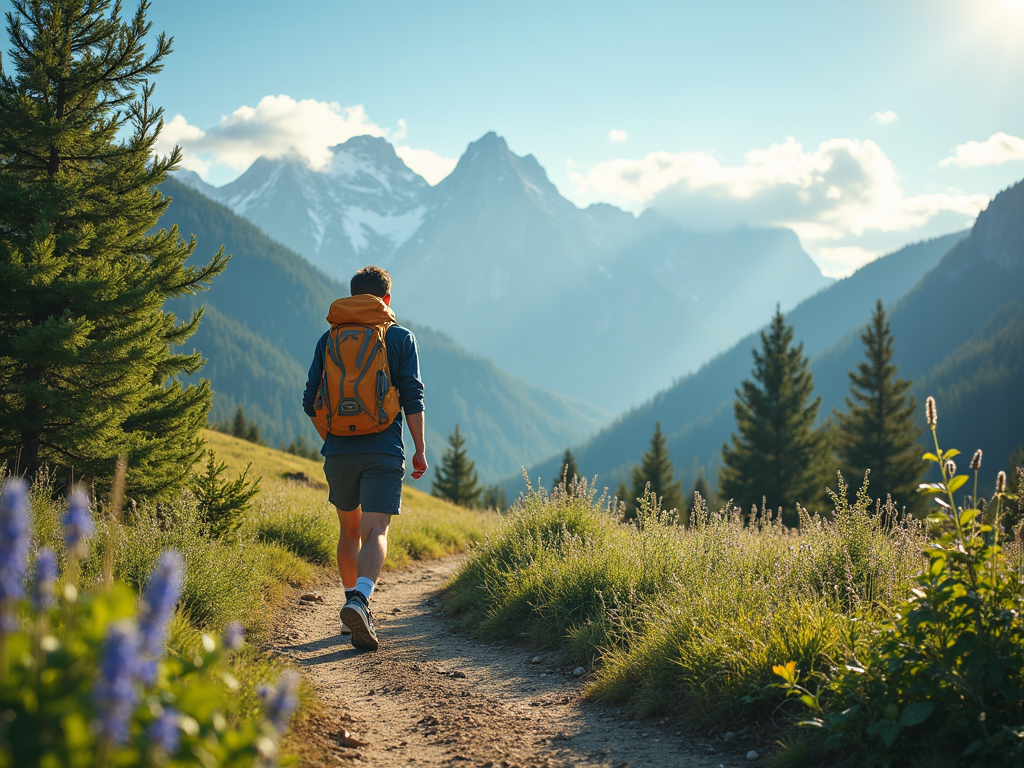
Here’s the thing nobody’s telling you: you’re probably overthinking this whole ‘enjoy the great outdoors’ thing.
New research from environmental psychologists just dropped a truth bomb – 15 minutes in nature can slash your stress hormones by 21%. That’s less time than your average TikTok scroll session. Yet 73% of adults say they can’t find time for outdoor activities.
The math isn’t mathing, folks.
What if I told you that meaningful outdoor experiences don’t require a trust fund, a gym membership, or even a full weekend? What if the biggest lie the outdoor industry ever sold you was that you need special gear, athletic ability, or huge chunks of time to enjoy the great outdoors?
Buckle up. We’re about to blow up everything you think you know about outdoor recreation.
Why Your Brain Craves Outdoor Adventures (And How Little Time You Actually Need)
Your brain is basically throwing a tantrum right now. It’s stuck in a concrete box, staring at screens, breathing recycled air.
And it’s pissed.
Environmental psychologists from the University of Michigan just figured out why you feel like garbage by 3pm – your brain is literally starving for nature input. Dr. MaryCarol Hunter’s 2019 study tracked cortisol levels in 36 urban dwellers who spent time outdoors. The results? Mind-blowing.
Here’s where it gets wild. Those studies everyone’s ignoring? They show 15 minutes of outdoor activities drops cortisol (that’s your stress hormone) by 21%. Not an hour. Not a weekend camping trip.
Fifteen. Freaking. Minutes.
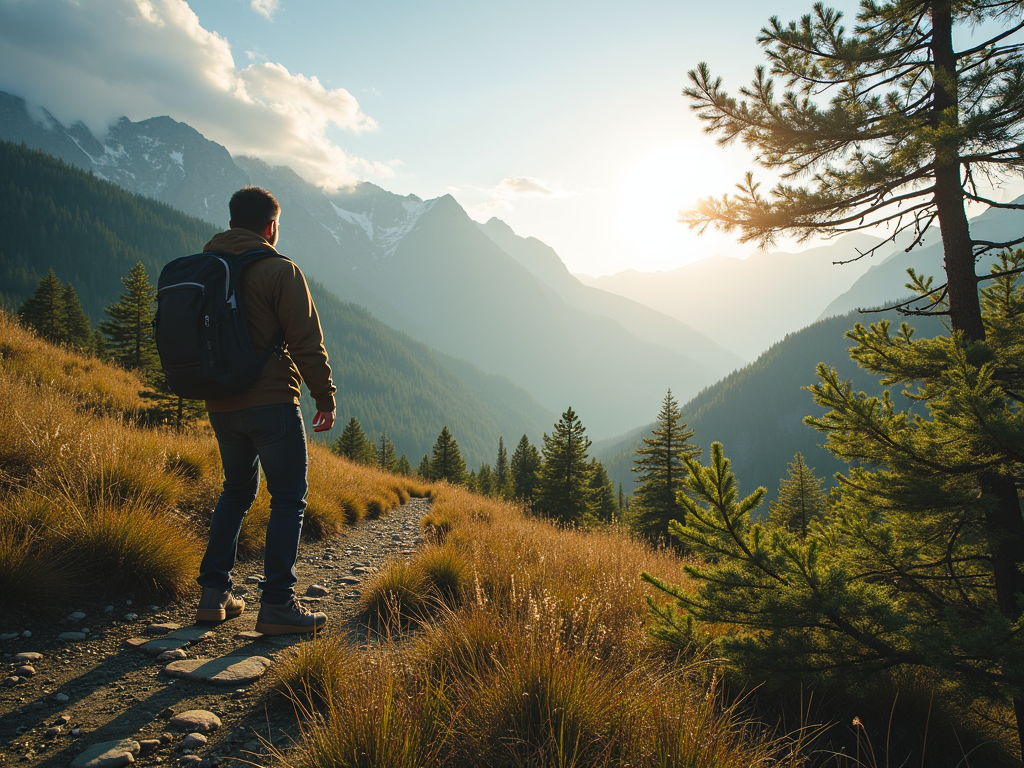
But wait, there’s more. That same tiny dose of nature activities improves your focus for up to 2 hours afterward. Research from the Journal of Environmental Psychology found that just looking at nature scenes increased attention scores by 20%. Actually spending time outdoors? Even better.
So while Karen from accounting is on her third coffee trying to concentrate, you could’ve just… walked around the block.
The science geeks call it ‘soft fascination.’ Nature grabs your attention without exhausting it. Unlike your inbox, which is basically cognitive waterboarding. Trees swaying, birds doing their thing, clouds drifting – your brain processes these without effort. It’s like meditation, except you don’t have to pretend you’re good at it.
Your ancestors spent 99.9% of human history exploring nature. Your brain still expects that. Instead, we give it fluorescent lights and think a succulent on our desk counts as outdoor living.
No wonder anxiety meds are having their moment.
Here’s the kicker – the benefits of outdoor activities kick in fast. Blood pressure drops within 5 minutes. Mood improves by minute 10. By minute 15, your brain waves literally change patterns. Japanese researchers measured this – they call it ‘shinrin-yoku’ or forest bathing. Sounds fancy. It’s just… being outside.
We’re not talking placebo effect here. This is measurable, repeatable science.
Yet we’re out here acting like outdoor recreation needs to be some big production. Like unless you’re summiting Everest, it doesn’t count. That’s like saying unless you run a marathon, walking is pointless.
The outdoor industry wants you to think you need $500 hiking boots and a degree in wilderness survival to enjoy the great outdoors. Truth? The park bench down the street works just fine.
Your brain doesn’t check receipts.
The Anywhere Adventure Menu: 25 Outdoor Experiences You Can Do Right Now
Forget everything Instagram told you about outdoor adventures. You don’t need a passport or a trust fund. Hell, you don’t even need to leave your neighborhood.
Austin, Texas proved this with their ’15-Minute Nature Challenge.’ They got 10,000 people to commit to daily outdoor activities. The result? 340% more professionals started spending time outdoors regularly. Their secret? They made it stupid simple. No gear lists. No planning. Just ‘go outside for 15 minutes.’
Revolutionary, right?
Here’s your cheat sheet for outdoor recreation, organized by how much time you’re actually willing to steal from scrolling.
Got 5 minutes? Try cloud identification from your office parking lot. Learned helplessness tells you this doesn’t count as outdoor activities. Your dropping blood pressure disagrees. Take your shoes off, find some grass, walk barefoot during phone calls. Your feet have nerve endings that haven’t felt anything but sock fabric in months. Wake them up.
Bird counting works from any window. There are apps for this now because of course there are. But you don’t need them. Just notice. Three different birds minimum, guaranteed, even in Manhattan. Wind direction awareness – sounds stupid until you realize you’ve never paid attention. Which way is it blowing right now? No idea? Exactly.
10 minutes opens up actual outdoor adventures. Sunrise coffee outside changes everything. Yes, even in winter. Especially in winter. Your body craves temperature variation – that’s why those $200-a-month cold plunge studios exist. Free version? Step outside when it’s cold.
Lunch break tree climbing. When did we decide adults don’t climb trees? Nobody’s watching. Nobody cares. That tree in the office park has branches. Use them. Create temporary art with whatever’s lying around – rocks, sticks, leaves. Environmental artist Andy Goldsworthy made millions doing this. You can do it for free.
Got the full 15 minutes? Now we’re talking real outdoor recreation. Speed-explore a new block like you’re a tourist. You’ll notice architecture, gardens, weird lawn ornaments you’ve ignored for years. Follow any water – creeks, drainage, even gutters after rain. Water finds the most interesting paths. Follow it.
Find the highest accessible point within walking distance. Parking garage roofs count. Fire escapes count (legally). That random hill behind the grocery store? Gold mine. Your brain interprets elevation gain as accomplishment. Trick it.
Urban folks, listen up. That sketchy park you avoid? It counts as outdoor adventures. The rooftop you never visit? Prime outdoor recreation territory. Even that weird greenspace between highway on-ramps – nature doesn’t discriminate.
Suburban prisoners – your options for outdoor activities are embarrassingly endless. That detention pond behind Target? Wildlife habitat. The power line trail everyone ignores? That’s called an adventure highway. HOA common areas, school grounds after hours, that creek behind the McMansions – all fair game for spending time outdoors.
Rural readers are already outside, probably judging us city folk. Fair. But familiar nature still counts as outdoor experiences. That tree you’ve passed 1,000 times? Climb it. See your backyard like a tourist would. Take a different route to the mailbox. Revolutionary.
The genius part? Zero equipment required for these outdoor activities. The most meaningful outdoor experiences happen empty-handed. That’s not hippie talk – Stanford research shows 87% of outdoor recreationists report their best memories involved exactly zero special gear.
Your body is the only equipment that matters. Everything else is marketing.
The Hidden Barriers: What’s Really Stopping Your Outdoor Adventures (And How to Beat Them)
Time isn’t your problem. Let’s just rip that band-aid off.
You had time to read this far, didn’t you? The real villains keeping you from outdoor recreation are sneakier.
First up: The Instagram Effect. You think outdoor adventures need to be photogenic. Pretty sunrises, mountain peaks, achievements worth posting. Meanwhile, walking around your apartment complex for outdoor exercise feels… pathetic?
News flash: your brain doesn’t care about likes. Those mental health benefits from outdoor activities happen whether you document them or not. Actually, University of Pennsylvania research shows they work better when you don’t. Something about being present. Weird, right?
Next villain: Gear Intimidation. The outdoor industry convinced you that enjoying nature has a dress code. That you need moisture-wicking everything and GPS watches for basic outdoor recreation.
Here’s what outdoor gear companies don’t advertise – that Stanford study? It found 87% of people who regularly enjoy the great outdoors say their most meaningful experiences required exactly zero special equipment. You know what you need for outdoor activities? Whatever you’re wearing right now.
Then there’s Solo Adventure Anxiety. Society made us think doing outdoor activities alone is sad. Especially outside, where people might… see you existing? God forbid.
But solo outdoor adventures hit different. No performance. No conversation. Just you and your thoughts, finally getting some fresh air. Research from UC Irvine shows solo time in nature activities reduces rumination (that’s sciencespeak for overthinking) by 90%. With other people? Only 40%.
The weather excuse is my personal favorite barrier to outdoor recreation. Too hot, too cold, too wet, too… weather-y. Know what’s actually uncomfortable? Spending your entire life climate-controlled. Your body evolved to handle temperature variation. That’s why cold showers and saunas are trending – your body craves the stress.
Free version? Go enjoy the great outdoors in any weather.
Here’s the real truth bomb: you’re not avoiding outdoor activities because of logistics. You’re avoiding them because somewhere along the line, you decided you’re ‘not an outdoor person.’ Like outdoor living is some fixed identity instead of just… going outside.
Maybe some gym teacher made you hate outdoor sports. Maybe your parents never took you on camping trips. Maybe you tried hiking trails once and felt inadequate. Whatever. That story’s expired.
Every outdoorsy person you envy? They started by walking out their front door. That’s literally it. No ceremony. No achievement unlocked. Just one foot in front of the other, aimed at the nearest exit to enjoy the great outdoors.
The only difference between you and someone who enjoys outdoor adventures? They kept doing it.
Your Stupidly Simple Roadmap to Outdoor Living
Ready to stop making excuses and start outdoor activities? Here’s your roadmap. Warning: it’s so simple you’ll feel dumb for not starting sooner.
Week 1: The Habit Hook. Pick one 15-minute window. Same time every day. Morning coffee, lunch break, after dinner – doesn’t matter. Just pick. That’s your outdoor recreation time now. Non-negotiable. Set a phone alarm if you have to. Label it ‘Brain Medicine.’
During this time, just go outside. That’s the only rule. No phone scrolling, no podcasts, no distractions. Just you and whatever version of nature exists within walking distance. Hate it? Do it anyway. Your brain needs this more than your ego needs comfort.
Week 2: The Expansion Pack. Now add variety to your outdoor adventures. Monday might be sitting outside. Tuesday, walk a new route. Wednesday, find something in nature you’ve never noticed. The goal isn’t Instagram-worthy outdoor experiences – it’s breaking the monotony your brain hates.
Start noticing. How many bird species live near you? What plants grow in sidewalk cracks? Which direction do clouds usually move? This isn’t homework. It’s rewiring your brain to see outdoor opportunities everywhere.
Week 3: The Social Experiment. Tell someone about your outdoor activities. Not to brag – for accountability. Even better, invite them on your outdoor adventures. But here’s the catch – if they can’t make it, you still go. This isn’t about them. It’s about you finally prioritizing spending time outdoors.
Week 4: The Graduate Level. By now, 15 minutes of outdoor recreation should feel automatic. Time to experiment. Try 20 minutes. Try a different time of day. Try outdoor activities in weather you usually avoid. Your comfort zone is a lie sold by climate control companies.
Here’s what nobody mentions about building an outdoor lifestyle – the hardest part lasts exactly 3 days. That’s how long your brain resists new patterns. After that? Momentum takes over. By day 7, you’ll feel weird if you skip your nature activities. By day 14, you’ll protect this time like a mama bear.
By day 30? You’ll wonder why you spent years inside.
The cheat code for making outdoor adventures stick: Lower your standards to the floor. Seriously. Sitting on your front steps counts. Walking to the corner counts. Standing in your backyard like a weirdo counts. Outdoor recreation doesn’t have a minimum threshold.
Your brain just needs you outside. It doesn’t care if you’re trail running on mountain paths or sitting on a curb watching ants. The benefits are the same.
Making Outdoor Adventures Work in Real Life (No BS Edition)
Let’s talk about when reality punches your outdoor recreation goals in the face.
You work 60-hour weeks. Solution: Your commute is now outdoor time. Park 10 minutes away, walk the rest. Take calls outside. Eat lunch anywhere but your desk. These aren’t compromises – they’re upgrades to outdoor living.
You’ve got kids who think nature is boring. Cool. Make it weird. Outdoor activities for kids don’t need to be educational. Hunt for the ugliest rock. Time how long they can stand on one foot outside. Create outdoor adventures from nothing. Kids don’t need much – just permission to be feral for 15 minutes.
You live in a concrete wasteland. Even better. Urban outdoor adventures are like Pokemon Go without the app. That tiny park everyone ignores? Microhabitat. Puddles after rain? Temporary ecosystems. Pigeons? Urban wildlife safari. Nature doesn’t just mean pristine hiking trails.
Bad weather is your excuse. Norwegian parents have a saying: ‘There’s no bad weather, only bad clothes.’ But honestly? Even that’s overthinking it. Humans survived ice ages and deserts. You can handle 15 minutes of outdoor activities in drizzle.
Your neighborhood feels unsafe for outdoor recreation. Valid. So work with what you’ve got. Balcony time counts. Stairwell windows count. That secure courtyard in your building? Outdoor space. Stop waiting for perfect conditions to enjoy the great outdoors.
Here’s the mindset shift that changes everything: Outdoor adventures aren’t a luxury. They’re maintenance. Like brushing your teeth or charging your phone. You wouldn’t skip those because you’re busy. Your brain needs nature activities the same way your teeth need brushing.
The world wants you inside, staring at screens, buying things to fill the void. Spending time outdoors is basically rebellion at this point. Every minute outside is a middle finger to the forces trying to domesticate you.
Start seeing outdoor opportunities everywhere. Waiting for an Uber? Stand outside. Meeting running late? Pace outdoors instead of the hallway. Kid has practice? Walk the field perimeter instead of sitting in your car. These micro-doses of outdoor recreation add up.
Conclusion: Your Brain Has Been Waiting for This
Look, we’ve been sold a lie about outdoor recreation. That it requires time we don’t have, gear we can’t afford, or abilities we haven’t developed.
Meanwhile, science is screaming that 15 minutes of outdoor activities can transform your day. Lower stress, better focus, improved mood – all from just stepping outside.
The truth is almost embarrassingly simple: the great outdoors isn’t some distant wilderness requiring an expedition. It’s literally right outside your door. Those 73% of adults claiming they don’t have time? They’re not lying – they’re just looking for the wrong thing.
They’re waiting for perfect hiking trails when the sidewalk works fine. They’re shopping for outdoor gear when their regular clothes are perfect. They’re planning outdoor adventures when they could just… walk outside.
Your brain doesn’t care about your excuses. It’s been waiting approximately 200,000 years for you to act like the outdoor creature you evolved to be. Every cell in your body expects sunlight, temperature variation, and fresh air. Instead, we give it fluorescent lights and recycled oxygen.
No wonder we’re all anxious and tired.
Start today. Not tomorrow, not Monday, not when the weather’s perfect. Right after you finish reading this sentence.
Set a timer for 15 minutes and enjoy the great outdoors – whatever version exists nearest to you. No plan, no destination, no equipment. Just you and the outside world.
Your brain’s been begging for this moment since you woke up. Every hour inside, it gets louder. That restlessness? That’s your biology screaming for outdoor experiences.
The outdoors doesn’t care if you show up in yoga pants or a suit, whether you explore national parks or median strips, if you have 15 minutes or 15 hours. It’s just there, patiently waiting for you to remember that you’re an animal who belongs outside.
Time to act like it.
Forget what outdoor recreation is supposed to look like. Forget the gear, the goals, the Instagram-worthy moments. Just go outside for 15 minutes. Your brain will handle the rest.
That Pinterest board of mountain vistas? Keep it. But stop using it as an excuse to avoid the nature activities available right now. The sidewalk outside is calling.
Answer it.


