
What We're Watching On Netflix This Month (May) #StreamTeam ⋆ My Sparkling Life

Netflix in May 2015: A Month of Variety and Entertainment
Netflix sure knows how to keep us entertained. May 2015 was no different with its abundance of laughter, tears, fun, and adventure. One of the best things about Netflix is the constant addition of new content. It keeps things fresh and engaging, while also having those few items that we can’t help but revisit time and again.
Personalized Viewing Made Easy
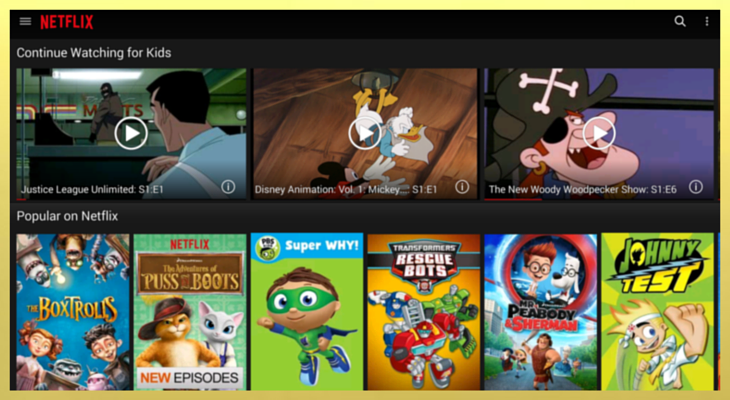
With 5 different log-ins for my family, Netflix has made it easy for us to find content tailored to our own tastes. It’s also a breeze for my 2-year-old who knows how to log into his account on the iPad and pick his favorites. This user-friendly system is one of the many reasons we love Netflix!
What Was on Our Watchlist in May 2015?
So, what shows and films were we engrossed in during May 2015? Let’s take a look!
My Eclectic Mix
The range of my taste in May 2015 was vast. From the intense drama of “Orange Is The New Black” to the action-adventure of “Tomb Raider”, the animated comedy “Futurama”, the sci-fi of “Fifth Element”, and the classic “Roger Rabbit”. Not to forget “Labrinth”, and the light-hearted “Legally Blonde”. I was pretty much all over the place, and I loved every bit of it!
The Man of the House
My husband’s list was slightly more macho, but I must admit, I love watching his picks with him! One of our shared favorites is “The Running Man”. While it wasn’t on my list in May 2015, it made a frequent appearance on his and my eldest child’s accounts.
The Boys
Coming to my sons – Nick (13) and John (9), their preferences were quite varied too. However, the two younger ones, Chris (5), and Damien (2) were all about superheroes, Mickey, and old 80s cartoons. I admit, I might have influenced the last one a bit.
Suggestions for Your Viewing Pleasure
So, what’s on your Netflix list this month? I’m always open to suggestions and love discovering new shows and movies. So, drop in your favorites and let’s exchange some Netflix love!
With its diverse content and user-friendly interface, Netflix was the star of May 2015. So, what’s your Netflix story? Share it with us!
Disclosure of Material Connection: This is a “sponsored post.” The company who sponsored it compensated me via a cash payment, gift, or something else of value to write it. Regardless, I only recommend products or services I use personally and believe will be good for my readers. I am disclosing this in accordance with the Federal Trade Commission’s 16 CFR, Part 255: “Guides Concerning the Use of Endorsements and Testimonials in Advertising.”
| User | Watch List |
| — | — |
| Adult Female | Orange Is The New Black, Tomb Raider, Futurama, Fifth Element, Roger Rabbit, Labrinth, Legally Blonde |
| Adult Male | The Running Man |
| Nick (13) | Not specified |
| John (9) | Not specified |
| Chris (5) & Damien (2) | Superhero shows, Mickey Mouse, 80’s cartoons |
Netflix Original Series in May 2015
One of the key elements that set Netflix apart from other streaming platforms is its original content. In May 2015, Netflix released some highly-anticipated original series that had everyone talking. “Grace and Frankie,” a comedy-drama starring Jane Fonda and Lily Tomlin as two women who form an unlikely friendship after their husbands announce they are in love with each other, premiered in May. The show was a hit, receiving critical acclaim and several Emmy nominations. It was a perfect blend of humor and heart, dealing with issues of aging, friendship, and acceptance in a sensitive and entertaining way.
The Adventures of Puss in Boots
For the younger audience, “The Adventures of Puss in Boots” was released. This animated series, based on the character from the “Shrek” franchise, provided fun and adventure for kids, while also sneaking in some valuable life lessons. It was a fantastic addition to Netflix’s growing library of children’s content.
Documentaries and Stand-up Specials
May 2015 also saw the release of several top-notch documentaries and stand-up specials. “Hot Girls Wanted,” a documentary about the amateur porn industry, stirred up a lot of conversation and was praised for its unflinching look at a controversial subject. In the comedy realm, stand-up specials from Jen Kirkman and Chris D’Elia provided plenty of laughs and showcased the diverse range of comedic talent on Netflix.
Streaming Technology in May 2015
In terms of technology, Netflix continued to lead the way in streaming quality and user experience in May 2015. With ongoing improvements in streaming speed and resolution, viewers were able to enjoy their favorite shows and movies in stunning clarity. Netflix also continued to innovate with its recommendation algorithm, making it easier for users to discover new content tailored to their tastes.
Netflix and Chill: A Cultural Phenomenon
By May 2015, the phrase “Netflix and Chill” had become a cultural phenomenon, symbolizing the shift in how we consume entertainment. Netflix wasn’t just a streaming service; it was a social activity, a way to relax and unwind, and a part of our daily routine. It was a testament to Netflix’s influence and popularity.
Frequently Asked Questions about Netflix in May 2015
What were the top-rated shows on Netflix in May 2015?
Some of the top-rated shows on Netflix in May 2015 included “House of Cards,” “Orange is the New Black,” “Breaking Bad,” and “Mad Men.”
How much did a Netflix subscription cost in May 2015?
In May 2015, a basic Netflix subscription cost $7.99 per month, a standard plan was $8.99, and a premium plan was $11.99.
Could you download shows and movies on Netflix in May 2015?
No, the ability to download shows and movies for offline viewing was not introduced until the end of 2016.
Final Thoughts
In conclusion, May 2015 was a significant month for Netflix. With a diverse range of content, technological innovations, and a growing cultural influence, Netflix continued to redefine the way we consume entertainment. Looking back, it’s clear to see why so many of us fell in love with Netflix in the first place.
Frequently Asked Questions
Q: What was new on Netflix in May 2015?
A: In May 2015, Netflix added a variety of new content including popular shows like “Orange Is The New Black”, action-packed movies like “Tomb Raider”, and classics like “Roger Rabbit”.
Q: How can multiple users personalize their Netflix experience?
A: Netflix allows up to 5 different log-ins per account, making it easy for family members to find content tailored to their own tastes.
Q: Can children use Netflix independently?
A: Yes, Netflix’s user-friendly system makes it easy for even young children to log into their account and pick their favorite shows or movies.
Q: What were some popular Netflix picks for men in May 2015?
A: In May 2015, popular picks for men included action films like “The Running Man”.
Q: What were some popular Netflix picks for children in May 2015?
A: Younger children often gravitate towards superhero shows, Mickey Mouse cartoons, and 80s cartoons.
Q: Can I share my Netflix recommendations with others?
A: Absolutely! Sharing your favorite shows and movies is a great way to discover new content.
Netflix Viewing Data in May 2015
| User | Top Picks |
|---|---|
| Adult Female | “Orange Is The New Black”, “Tomb Raider”, “Futurama”, “Fifth Element”, “Roger Rabbit”, “Labrinth”, “Legally Blonde” |
| Adult Male | “The Running Man” |
| Teenage Boys | Varied |
| Younger Boys | Superheroes, Mickey Mouse, 80s cartoons |
