

What Every New Parent Actually Needs (Spoiler: It’s Not Another Baby Monitor)

Here’s the dirty little secret nobody tells you at baby showers: You’re drowning in onesies while starving for sanity.
Last year, American families spent an average of $3,500 on baby gear in the first year. Meanwhile, 70% of new parents reported feeling isolated, overwhelmed, and unprepared for the emotional hurricane that hit them.
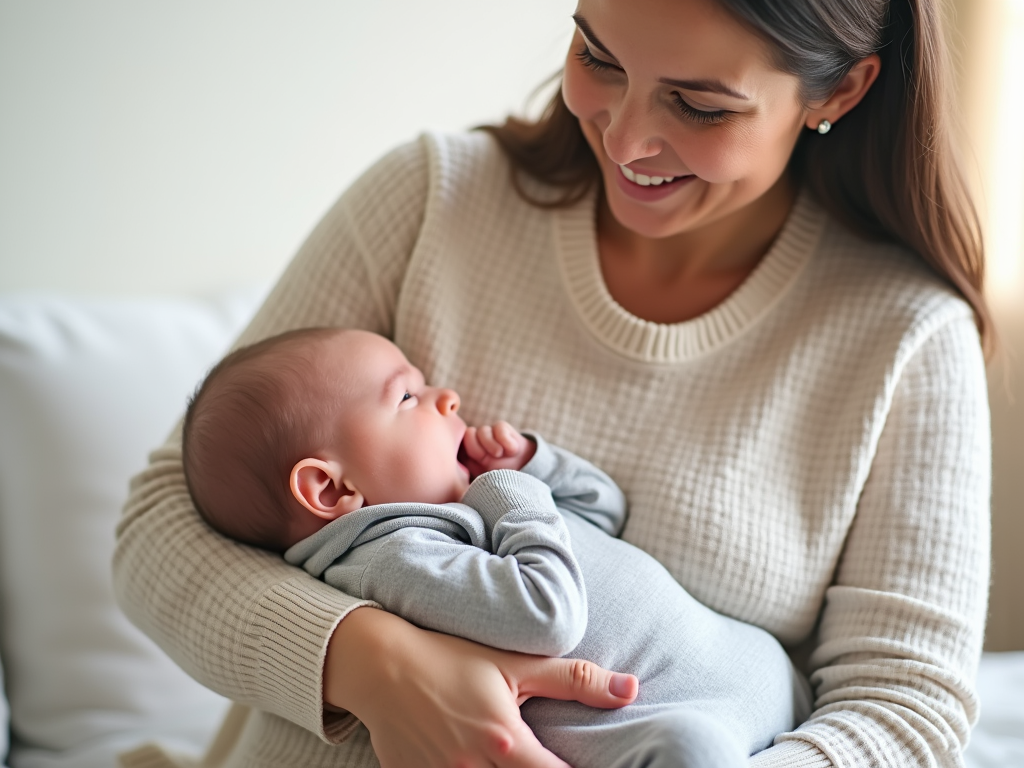
See the disconnect?
While everyone’s obsessing over which $300 stroller to buy, the real essentials—the ones that actually determine whether you’ll thrive or just survive—remain invisible. They don’t come in cute packages. They can’t be added to your Amazon registry. And that’s exactly why most new parents miss them entirely.
This isn’t another list telling you which brand of diapers to buy. This is about the stuff that matters when it’s 3 AM and the baby won’t stop crying and you’re questioning every life choice that led you to this moment.
The Hidden Crisis: Why Traditional Baby Lists Are Setting You Up to Fail
Walk into any baby store. See it immediately. The panic in expectant parents’ eyes as they stare at walls of products they supposedly “need.”
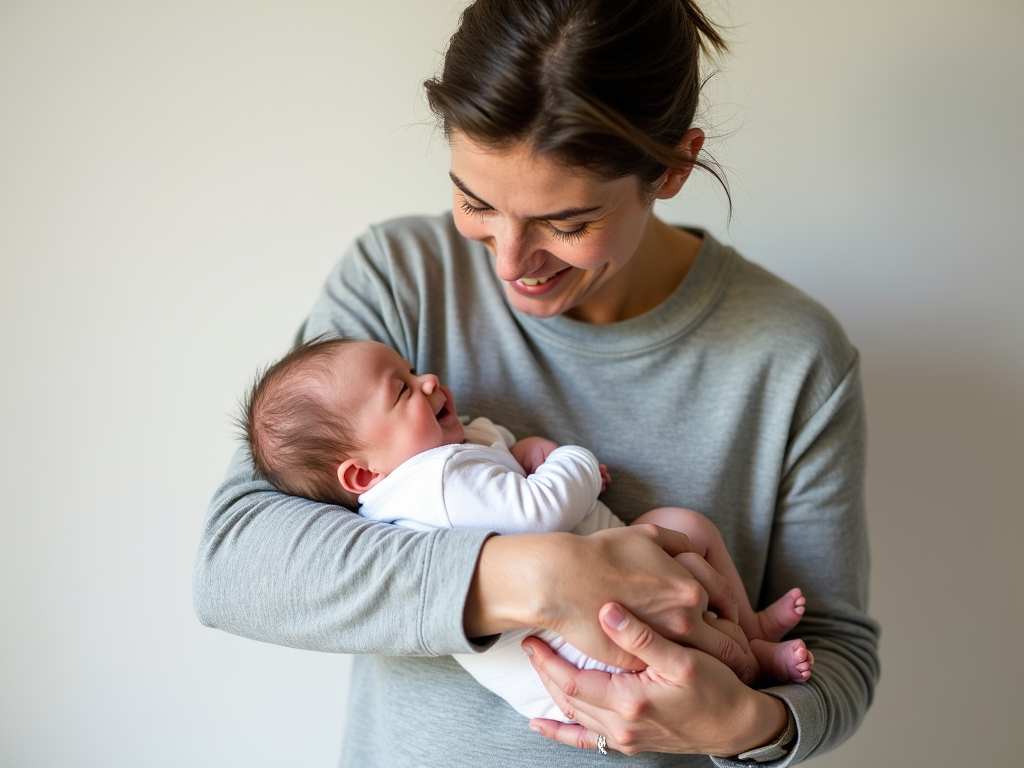
The genius of the baby industry? Making you believe that good parenting equals good purchasing.
Here’s what actually happens. You buy 47 different sleep aids because someone’s blog said they’re “essential.” Your nursery looks like a Baby Gap exploded in it. And then reality hits.
That $150 white noise machine? Your baby prefers the vacuum cleaner.
The designer changing table? You end up changing diapers on the floor half the time anyway.
A recent study dropped a truth bomb: families who kept it simple saved over $1,000 in the first year. But here’s the kicker—they also reported significantly lower stress levels. Turns out, cluttered homes create cluttered minds. Who knew?
The minimalist parents spent 30% more quality time actually engaging with their babies. Why? Simple math. Less stuff equals less time organizing, cleaning, and maintaining. More time for what matters.
But the real cost isn’t financial. It’s mental.
Every unnecessary item becomes another decision. Another thing to clean. Another source of guilt when you don’t use it “right.” Your home transforms from a sanctuary into a storage unit.
The overwhelm isn’t just about stuff. It’s about what the stuff represents—this crushing pressure to be the perfect parent through perfect purchasing.
Marketing teams know exactly what they’re doing. They’re not selling products. They’re selling the illusion of preparedness.
The truth nobody wants to admit? Most traditional baby lists are wishlists created by people trying to sell you things. They’re not based on what parents actually use. They’re based on profit margins and quarterly sales targets.
Building Your Invisible Support Network: The Real First-Time Parent Must Haves
Let me paint you a picture.
Parent A has every gadget imaginable. Smart bassinet, breathing monitor, the works.
Parent B has three people they can text at 2 AM when they’re losing it.
Guess which one reports better mental health outcomes?
An Australian study followed new parents for a year. Those in active support groups showed a 35% reduction in postpartum anxiety. Not from any product. From connection. From knowing they weren’t alone in thinking their baby’s cry sounded like a pterodactyl.
The real new parent essentials are invisible. They don’t photograph well for Instagram nursery reveals. But they’re what separate parents who thrive from those who merely survive.
Your Mental Health Lifeline
Before the baby arrives, you need therapist recommendations. Postpartum support hotlines programmed in your phone. At least one friend who’s been through this and will tell you the truth.
Not the sanitized version. The real truth.
Your 2 AM Crew
These are the people who won’t judge when you call crying because you can’t remember if you fed the baby or just dreamed about feeding the baby. You need at least three. Geographic diversity helps—someone in a different time zone can be a lifesaver.
Community connections matter more than any baby monitor. Local parent groups. Online forums where you can ask embarrassing questions anonymously. Neighbors who’ve offered to help.
These aren’t nice-to-haves. They’re survival tools.
EU research on smart monitors revealed something fascinating. Parents loved them not because of the technology, but because they reduced anxiety. The lesson? Peace of mind is the ultimate baby essential. Whether that comes from a device or a devoted friend doesn’t matter. What matters is having it.
Self-care isn’t selfish—it’s essential.
Those five-minute meditation apps specifically designed for parents? More valuable than any toy.
A reliable babysitter’s number? Worth more than a designer crib.
A plan for preserving some piece of your identity beyond “parent”? Priceless.
The Minimalist Parent’s Advantage: What Every New Parent Needs (And What They Don’t)
Here’s your new mantra: If the baby would survive without it on a desert island, it’s not essential.
Harsh? Maybe. True? Absolutely.
The 2024 sustainability research revealed something mind-blowing. Minimalist parents weren’t just saving money. They were saving their sanity. With 40% less financial stress and significantly more bonding time, they’d cracked the code.
Let’s get specific about true newborn baby essentials:
The Desert Island Test
- Safe sleep space—doesn’t have to be fancy, just firm and flat.
- Car seat—legally required and legitimately necessary.
- Diapers and wipes—obvious but worth stating.
- A way to feed the baby—breast, bottle, whatever works.
- Weather-appropriate clothing—emphasis on appropriate, not adorable.
Everything else? Nice to have. Not need to have.
The “survival test” works like this: Would your baby’s health or safety be compromised without this item for 48 hours? No? Then it’s not essential.
Brutal honesty time. You need maybe 10% of what most registries suggest.
That wipe warmer? Your baby’s butt will survive room temperature wipes.
The bottle sterilizer? Hot water and soap work fine.
The special baby laundry detergent? Regular free-and-clear does the job.
Budget-Conscious Reality Check
- Expensive breast pump? Check if your insurance covers it. Or rent one.
- Designer stroller? Used ones work exactly the same.
- Nursery furniture set? Your baby can’t read the price tag.
The minimalist approach isn’t about deprivation. It’s about clarity. When you’re not drowning in stuff, you can focus on what matters. Connection. Rest. Actually enjoying this wild ride.
Here’s what minimalist parents know that others don’t: Babies need remarkably little. Love, food, warmth, safety. Everything beyond that is for the parents’ benefit, not the baby’s.
And most of it doesn’t even benefit the parents—it just creates more work.
Breaking Free: Your New Parent Survival Guide That Actually Works
So you’re convinced. But your mother-in-law just bought you a wipe warmer and your best friend insists you NEED that $400 baby monitor.
Here’s how to navigate the pressure without losing relationships or your mind.
The Smile and Redirect
“That’s so thoughtful! We’re focusing on building our support network right now. Know any good parent groups?”
See what happened there? You acknowledged the gesture. Then pivoted to what actually matters.
The Registry Revolution
Create a registry. But fill it with services, not stuff.
- Meal delivery subscriptions.
- House cleaning services.
- Therapy session contributions.
- Babysitting vouchers.
Watch people’s heads explode. Then watch them realize you’re a genius.
The One-Month Reality Check
Here’s a secret from parents who’ve been there: You won’t know what you actually need until the baby arrives.
That’s not failure. That’s reality.
Buy the absolute minimum. Live with it for a month. Then—and only then—add what you genuinely need based on YOUR baby and YOUR life.
Not what worked for your cousin’s friend’s sister.
The Truth About Smart Baby Gear and Peace of Mind
Remember that EU research about smart monitors? Let’s dig deeper.
Parents didn’t love the monitors because they prevented SIDS or caught every breath. They loved them because they could actually sleep instead of hovering over the crib all night.
The technology was just a vehicle for the real product: peace of mind.
You know what else provides peace of mind? A partner who takes the night shift twice a week. A friend who drops off dinner without being asked. A therapist who helps you process the identity crisis that is new parenthood.
These things every new parent needs don’t come with instruction manuals or warranty cards. But they’re infinitely more valuable than any gadget.
Conclusion: The $3,500 Question
Remember that $3,500 families spend on baby stuff?
Imagine redirecting even half of that toward actual support. Therapy sessions. Meal delivery when you’re too exhausted to cook. A cleaner once a month so you can nap instead of scrub.
That’s the shift we’re talking about.
You’re not preparing for a photo shoot. You’re preparing for a fundamental life change that will test every resource you have—emotional, physical, mental.
The gadgets won’t save you. The connection will.
Start today. Text one person who might be part of your support network. Just one. Say, “Hey, I’m going to need help when this baby arrives. Can we talk?”
That single conversation is worth more than any baby registry.
Because here’s the final truth: Every new parent needs the same things. Not more stuff. Not perfect preparation. Just support, self-compassion, and the knowledge that it’s okay to not have it all figured out.
The parents who thrive aren’t the ones with the most gear. They’re the ones with the most support.
Choose accordingly.