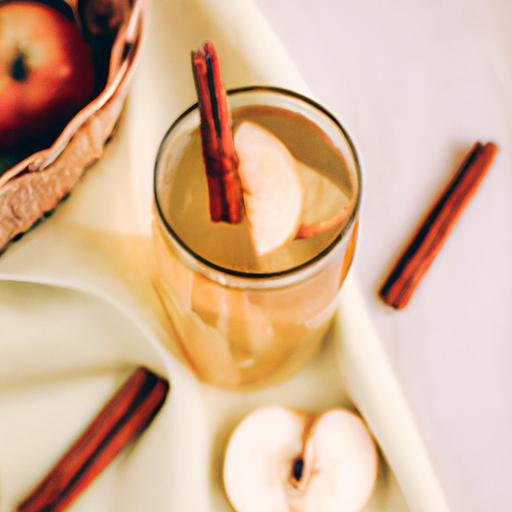
Invoke Autumnal Vibes This Season With Apple Cinnamon Sangria

Unleashing the Autumn Spirit with Apple Cinnamon Sangria
With the arrival of autumn and Thanksgiving just around the corner, we are all craving those cozy, comforting flavors that the season has to offer. One of the most delightful ways to enjoy the essence of the fall season is by indulging in a glass of apple cinnamon sangria. This homemade drink perfectly embodies the fall vibes, combining the best of the wine and spirits world into a crimson-tinged, well-balanced blend that will make your taste buds dance.
Let’s delve into the specifics of this delicious autumn drink, the apple-cinnamon-sangria, and how you can make it at home to share with your loved ones.
The Perfect Blend: Choosing Your Wine and Spirit
When it comes to making the perfect apple-cinnamon-sangria, the choice of wine and spirit is crucial. It can make or break the flavor profile of your sangria, so it’s essential to choose wisely.
The Wine: Astoria “Primo Rosso” Red Blend IGT
For the wine part, we recommend the Astoria “Primo Rosso” Red Blend IGT (SRP $11). This round and velvety blend of 50% Cabernet Sauvignon, 30% Pinot Noir, and 20% Merlot is marked by a delightful herbaceous bouquet and harmonious flavors of ripe plum and red berry.
The Spirit: Soberano Brandy
Complementing the wine is the Soberano Brandy (SRP $25). This spirit is made from 100% distilled wine, aged through the traditional solera system using American oak barrels. The brandy boasts smooth and elegant flavors of oak, raisin, and caramel that will enhance the overall taste of your apple cinnamon sangria.
Apple Cinnamon Sangria: The Recipe
Ingredients:
- 1 bottle Astoria “Primo Rosso” Red Blend IGT
- 1/2 cup Soberano Brandy
- 1 cup apple cider
- 1 Golden Delicious apple, diced (reserve a few slices for garnish)
- 1 Honeycrisp apple diced (reserve a few slices for garnish)
- 1/2 orange, sliced
- 1/2 orange, juiced
- 2 cinnamon sticks (plus 1 for garnish)
- Ice
Directions:
- Fill a large pitcher with the cinnamon sticks, diced apples, and sliced oranges. Add wine, brandy, apple cider, and orange juice.
- Stir well.
- Pour into a stemless wine glass filled with ice, garnish with a cinnamon stick and colorful apple slices, and enjoy.
The Secret to an Exceptional Apple Cinnamon Sangria
The secret to a top-notch apple cinnamon sangria lies in the quality of the ingredients used. Don’t skimp on the quality of the wine and brandy – the better the quality, the more delicious your sangria will turn out to be. Furthermore, using fresh fruits will enhance the flavor of your sangria, giving it a refreshing and wholesome taste.
Frequently Asked Questions
Can I make the sangria in advance?
Yes, in fact, making the sangria in advance allows the flavors to blend together, resulting in a more robust and flavorful sangria.
What other fruits can I use in the sangria?
Besides the fruits mentioned in the recipe, you can also use pears, peaches, or even berries to add a unique twist to your sangria.
Remember, the beauty of making apple-cinnamon-sangria at home is that you can tweak the recipe to suit your taste buds. So, don’t be afraid to experiment and create your signature sangria recipe. Happy sipping!
| Ingredient | Quantity | Description |
|————|———-|————-|
| Astoria “Primo Rosso” Red Blend IGT | 1 bottle | A round and velvety blend of 50% Cabernet Sauvignon, 30% Pinot Noir, and 20% Merlot with flavors of ripe plum and red berry. |
| Soberano Brandy | 1/2 cup | 100% distilled wine, aged using the traditional solera system which utilizes American oak barrels. It has smooth and elegant flavors of oak, raisin, and caramel. |
| Apple Cider | 1 cup | Adds a sweet and tangy flavor to the sangria. |
| Golden Delicious Apple | 1 (diced) | Used for its sweet, crisp and juicy flavor. A few slices are reserved for garnish. |
| Honeycrisp Apple | 1 (diced) | Known for its sweet-tart flavor and firm texture. A few slices are reserved for garnish. |
| Orange | 1/2 (sliced and juiced) | Adds a citrusy flavor to the sangria. |
| Cinnamon Sticks | 2 (plus 1 for garnish) | Adds a warm and sweet-spicy flavor to the sangria. |
| Ice | As needed | Used to chill the sangria. |
Understanding the Beauty of Apple Cinnamon Sangria
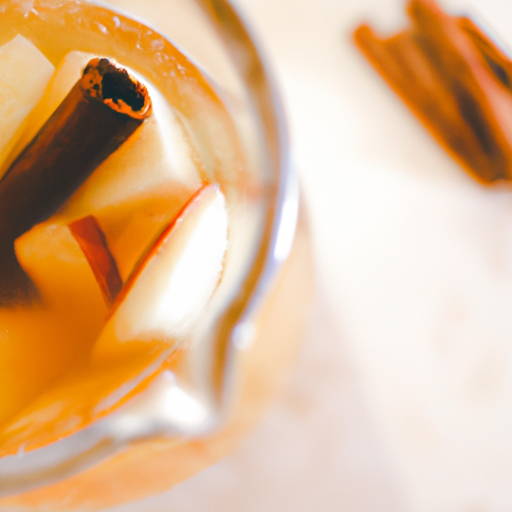
At its heart, apple cinnamon sangria is a celebration of the fall season. The combination of crisp apples, warm cinnamon, and rich wine is a sensory delight that brings to mind the coziness of autumn. The spiced sweetness of the apple cider, the robust flavor of the wine, and the aromatic cinnamon create a symphony of flavors that is hard to resist.
The Art of Pairing with Apple Cinnamon Sangria
Apple cinnamon sangria isn’t just a standalone drink; it’s also a fantastic pairing option for your fall meals. Its sweet and tart flavors complement a variety of dishes, making it a versatile drink for your dinner parties. It pairs incredibly well with roasted meats, hearty stews, and rich, creamy desserts. The deep, fruity notes of the sangria cut through the richness of these dishes, creating a balanced dining experience.
Exploring Variations of Apple Cinnamon Sangria
While the traditional apple cinnamon sangria recipe calls for red wine and brandy, there’s plenty of room for experimentation. You can try using white wine for a lighter, more refreshing sangria, or swap the brandy for bourbon for a smokier, more complex flavor profile. Similarly, you can play around with the fruit mix, adding pears or cranberries for a different flavor and texture. The possibilities are endless, allowing you to create a unique sangria that perfectly suits your palate.
Non-Alcoholic Apple Cinnamon Sangria
For those who prefer non-alcoholic beverages, you can easily make a virgin version of apple cinnamon sangria. Simply replace the wine with grape juice and the brandy with apple juice. You still get the same wonderful flavors of apple and cinnamon, just without the alcohol.
Serving Apple Cinnamon Sangria
Apple cinnamon sangria is best served chilled, making it a refreshing drink for those warm fall afternoons. You can serve it in a large pitcher for your guests to help themselves or pour it into individual glasses for a more elegant presentation. Don’t forget to add a few apple slices and a cinnamon stick to each glass for a beautiful garnish that enhances the flavor and aroma of the sangria.
Frequently Asked Questions
Can I use other types of apples in the sangria?
Yes, you can use any type of apple in your sangria. Each variety of apple has a unique flavor and sweetness level, so feel free to experiment and find your favorite.
Can I use ground cinnamon instead of cinnamon sticks?
While you can use ground cinnamon, we recommend using cinnamon sticks as they infuse the sangria with a more subtle, nuanced flavor. Ground cinnamon can sometimes overpower the other flavors in the sangria.
How long does apple cinnamon sangria last?
Apple cinnamon sangria can be stored in the refrigerator for up to 3 days. The flavors will continue to develop and intensify over time, making it even more delicious.
In conclusion, apple cinnamon sangria is a wonderful way to celebrate the fall season. It’s easy to make, versatile, and absolutely delicious. Whether you’re hosting a dinner party or simply enjoying a quiet evening at home, a glass of apple cinnamon sangria is sure to bring a touch of warmth and coziness to your day.
Additional Frequently Asked Questions
Can I use a different type of wine for the apple-cinnamon-sangria?
Yes, you can use a different type of red wine if you prefer. However, the Astoria “Primo Rosso” Red Blend IGT is recommended for its harmonious flavors of ripe plum and red berry that complement the apple and cinnamon flavors perfectly.
Is it necessary to use Soberano Brandy?
No, it’s not necessary to use Soberano Brandy. You can use any brandy of your choice. However, the Soberano Brandy is recommended for its smooth and elegant flavors of oak, raisin, and caramel which enhance the overall taste of the apple-cinnamon-sangria.
Can I use a different type of apple?
Yes, you can use different types of apples according to your preference. However, the recipe recommends Golden Delicious and Honeycrisp apples for their sweet and slightly tart flavor that complements the other ingredients well.
How long can I store the apple-cinnamon-sangria?
The sangria can be stored in the refrigerator for up to 3-5 days. Make sure to keep it in a covered pitcher or container.
Can I make a non-alcoholic version of the apple-cinnamon-sangria?
Yes, you can make a non-alcoholic version by substituting the wine and brandy with non-alcoholic alternatives or by simply leaving them out. You can increase the amount of apple cider and add some sparkling water for a refreshing twist.
Apple Cinnamon Sangria: Ingredient Proportions Table
| Ingredient | Proportion |
|---|---|
| Astoria “Primo Rosso” Red Blend IGT | 1 bottle |
| Soberano Brandy | 1/2 cup |
| Apple Cider | 1 cup |
| Golden Delicious apple | 1, diced |
| Honeycrisp apple | 1, diced |
| Orange | 1/2, sliced & juiced |
| Cinnamon sticks | 2 (plus 1 for garnish) |
| Ice | As needed |