

Stop Buying Random Bedroom Plants: Here’s the Science-Backed Plant Prescription for Your Specific Sleep Problem

Let’s be honest. You’ve probably seen those ’10 Best Bedroom Plants’ lists floating around the internet. They all say the same thing: throw a snake plant in the corner and boom – sweet dreams.
Yeah, right.
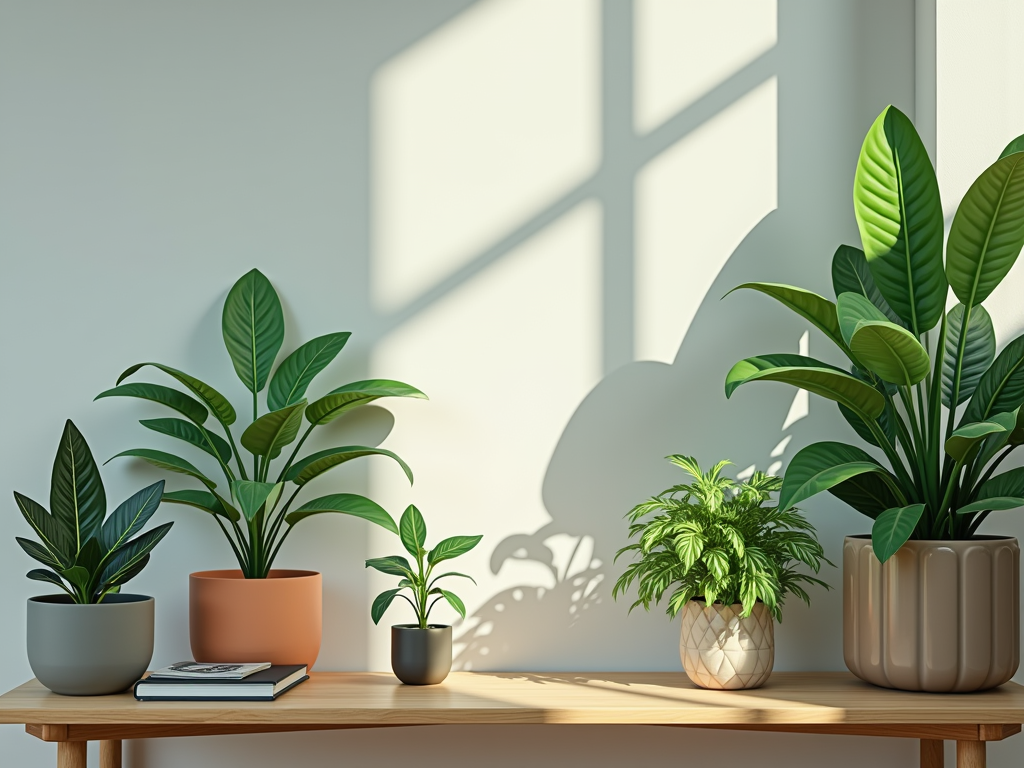
Here’s what those generic lists don’t tell you: buying random plants for your bedroom is like taking random medication for a headache. Sometimes it works, sometimes it doesn’t, and sometimes you’re just wasting money on something that looks pretty but does nothing for your actual problem.
According to HousePlantPedia, NASA spent millions studying how house plants affect the quality of sleep connections. Japanese researchers discovered that certain plants release compounds that physically lower your stress hormones. And here’s the kicker – different plants work for different sleep problems.
That snoring issue? Different plant than anxiety-induced insomnia. Those 3 AM wake-ups? Totally different solution than falling asleep in the first place.
I’m about to show you exactly which plants target your specific sleep issue, where to put them, and why most people are doing it wrong.
The Hidden Science: How Plants Actually Influence Your Sleep Quality
Most people think bedroom plants for sleep just ‘purify the air’ or whatever. That’s like saying cars just ‘move forward.’ There’s way more happening under the hood.
Plants mess with your sleep through four completely different mechanisms. And no, I’m not making this up – this is backed by actual research, not some wellness blogger’s opinion.
First up: oxygen producing plants night cycles. Here’s where it gets weird. Most plants are basically useless at night. They stop producing oxygen when the sun goes down. But certain plants – snake plants, orchids, succulents – use something called CAM photosynthesis. Translation? They’re pumping out oxygen while you’re counting sheep.
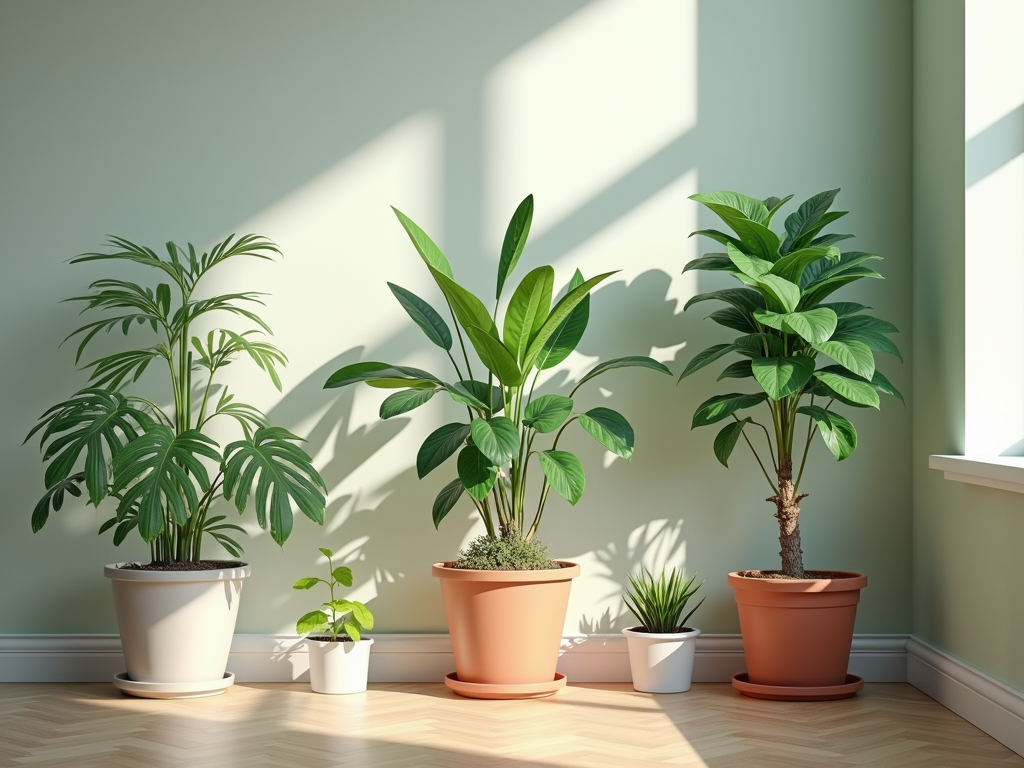
NASA’s Clean Air Study found these night-shift plants can bump up oxygen levels by 10% in a sealed room. That’s the difference between waking up groggy and actually feeling human. Snake plant sleep benefits aren’t just hype – they’re measurable.
Second mechanism: VOC removal. Your bedroom is basically a chemical soup. Paint, furniture, that ‘new carpet smell’ – they’re all releasing volatile organic compounds. Formaldehyde, benzene, trichloroethylene. Sounds scary because it is.
Peace lilies and golden pothos bedroom placement? They eat this stuff for breakfast. NASA found they can remove up to 87% of air toxins in 24 hours. That’s not marketing fluff – that’s measurable data showing how plants improve bedroom air quality.
Third – and this is where it gets really interesting – phytoncides sleep benefits. Ever wonder why a walk in the forest makes you feel zen? Trees and plants release these compounds called phytoncides. It’s their natural pest defense system.
But here’s the plot twist: when we breathe them in, our cortisol levels drop. Japanese researchers found a 16% reduction in stress hormones after just 15 minutes of exposure. Lavender plant bedroom sleep enhancement isn’t just about the smell. Your bedroom could be a stress-reduction chamber if you play your cards right.
Fourth mechanism nobody talks about: plants circadian rhythm influence. Some plants can actually affect your body’s internal clock. Jasmine plant sleep quality improvement, for instance, happens through scent compounds that have been shown to influence melatonin production.
German sleep researchers found people exposed to jasmine scent had 25% better sleep efficiency. That’s huge.
The problem? Most bedroom plant advice treats all these mechanisms like they’re the same thing. They’re not. It’s like saying all medicine is aspirin.
Your Sleep Problem Plant Prescription: Matching Plants to Specific Issues
Time to get specific. Really specific. Because ‘I can’t sleep’ isn’t a diagnosis – it’s a symptom with about fifty different causes.
If you can’t fall asleep (classic insomnia):
Valerian plants. Not the supplement – the actual plant. These bad boys contain compounds that bind to the same brain receptors as Valium. I’m not kidding. Clinical studies show valerian plant sleep can reduce sleep latency (fancy term for how long it takes to fall asleep) by up to 15 minutes.
Pair it with a lavender plant. The one-two punch of GABA receptor activation and cortisol reduction is no joke. These are legit plants for insomnia, not wishful thinking.
If you wake up gasping or with a dry throat:
You need the oxygen squad. Snake plants are your heavy hitters here. They’re producing O2 all night long while converting CO2. Add an areca palm – these moisture machines can release up to a liter of water vapor per day.
Your airways will thank you. Boston ferns work too, but they’re needier than a clingy ex. The combo creates ideal bedroom air quality plants that actually work while you sleep.
If anxiety keeps your brain spinning:
Jasmine. Full stop. This isn’t aromatherapy woo-woo. Wheeling Jesuit University (yes, that’s a real place) found jasmine scent reduced anxiety levels more effectively than lavender in controlled studies.
Gardenia sleep benefits work similarly but the plant needs more babysitting. English ivy sleep improvement happens through a different route – it reduces airborne mold by 78%, which can trigger anxiety symptoms you didn’t even know were mold-related. These plants anxiety better sleep connections are real.
If environmental noise or light disrupts you:
Weird suggestion incoming: rubber plants and fiddle leaf figs. These broad-leafed champions absorb sound waves like acoustic panels. Won’t block out your neighbor’s death metal habit, but they’ll soften ambient noise.
Plus, they’re VOC-removal machines. Natural air purifiers bedroom placement matters here – you want them between you and the noise source.
If you have breathing issues or allergies:
Spider plant bedroom air quality improvement is no joke. These stripey overachievers remove 95% of formaldehyde in 24 hours. Formaldehyde irritates airways – removing it can reduce nighttime coughing and congestion.
Peace lily bedroom sleep benefits include tackling mold spores, but heads up – they’re toxic to pets. Bamboo palms are the pet-safe alternative.
Here’s what kills me: people buy plants based on how they look or what fits their aesthetic. That’s like choosing medicine based on pill color. Your bedroom isn’t a photo shoot – it’s a recovery room. Act accordingly.
Strategic Plant Placement and Common Bedroom Plant Mistakes
Location, location, location. Real estate agents had it right, but they were talking about the wrong investment.
Your plant placement can make or break their effectiveness. And no, ‘wherever looks cute’ isn’t a strategy. There’s actual science here, mixed with some ancient wisdom that turns out to be surprisingly accurate.
The sweet spot? 3-6 feet from your bed. Any closer and excess humidity becomes a problem (hello, mold). Any farther and those phytoncides disperse before reaching you. Japanese forest bathing research shows phytoncide concentration drops by 50% every three feet.
Window placement matters too. South-facing windows get the most light – great for high-light plants like succulents. But if your snake plant is getting blasted with afternoon sun, it’s stressed. Stressed plants release different compounds. Not the relaxing kind.
Air flow is huge. Plants near vents or fans spread their benefits farther but dry out faster. Corner placement creates dead air zones. Your sleep enhancing plants just sit there, doing nothing. Ceiling fans on low? Perfect distribution without plant dehydration.
Now for the mistakes that turn helpful plants into sleep saboteurs:
- Overwatering isn’t just about root rot. Excess water equals excess humidity equals mold growth equals respiratory irritation equals crappy sleep. Most plants bedroom health benefits disappear when they’re drowning. Your enthusiasm is killing them and your sleep.
- Wrong pot size stresses plants out. Too small? Stressed plant. Too big? Root rot city. Either way, stressed plants release ethylene gas. Guess what ethylene does? Disrupts your circadian rhythm. Nature’s cruel joke.
- Fertilizer overdose releases ammonia. In a closed bedroom? That’s a recipe for morning headaches. Stick to organic, slow-release options. Or better yet, most bedroom plants barely need fertilizer. Those plants bedroom decor sleep benefits work best when the plants are healthy, not hopped up on chemicals.
- Ignoring dust matters more than you think. Dusty leaves can’t photosynthesize properly. They also harbor allergens. Wipe them monthly. Yes, it’s annoying. Yes, it matters for air cleaning plants sleep quality.
- Dead or dying plants release ethylene and develop mold. If it’s not thriving, it’s not helping. That half-dead succulent isn’t ‘adding character’ – it’s adding problems.
Plants bedroom feng shui sleep gets mocked, but they nailed one thing: no plants directly over your head while sleeping. Falling leaves, dripping water, or that subconscious ‘something’s above me’ feeling? Not conducive to deep sleep.
Conclusion
Look, transforming your bedroom from a plant cemetery to a sleep sanctuary isn’t rocket science. But it’s not random either.
You’ve got four mechanisms plants use to hack your sleep: oxygen production, toxin removal, stress-busting phytoncides, and circadian rhythm regulation. Now you know which house plants help you sleep better based on actual science.
Match your specific sleep problem to the right plant solution. Insomniacs need valerian and lavender. Breathing issues? Snake plants and palms. Anxiety? Jasmine’s your new best friend.
Then place them strategically – 3-6 feet from your bed, considering air flow and light. Avoid the rookie mistakes that turn helpful plants into problems.
The best part? You don’t need a jungle. Start with 2-3 plants matched to your biggest sleep issue. Give it 30 days. Track your sleep. Most people notice changes within two weeks when using the right house plants quality sleep combinations.
Your bedroom shouldn’t just look good for Instagram. It should work for your sleep. Stop buying random plants because they’re trendy. Start choosing them like the targeted interventions they actually are.
Because when you understand how do plants improve sleep quality, you stop guessing and start sleeping.